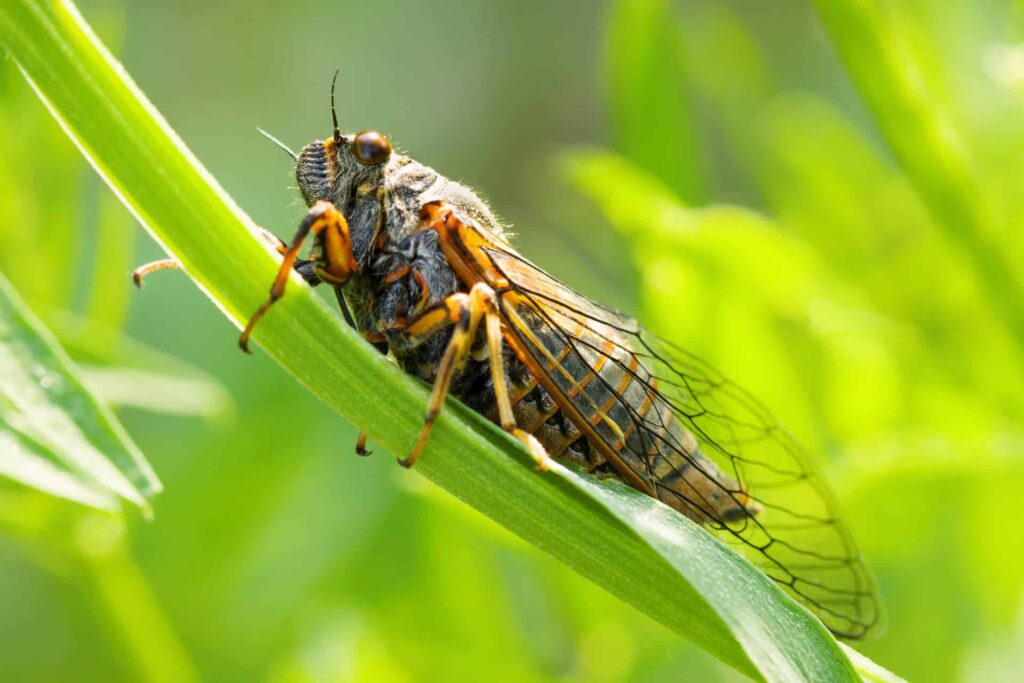
The familiar chirping of crickets is a classic nighttime sound, but when their chorus becomes too loud, it can quickly turn from charming background noise to a significant disruption. These insects are naturally most active after sunset, using their distinctive calls to communicate with each other.
If cricket noise is keeping you awake at night, understanding why they’re so vocal and what attracts them to your property can help you take effective steps to reduce their presence around your home.
Why Crickets Are More Active at Night
Crickets are primarily nocturnal creatures, which means they rest during daylight hours and become active when darkness falls. This nighttime activity pattern provides them with natural protection from predators, allowing them to move more freely in search of food and potential mates.
Their loud chirping serves essential survival purposes, but it can become particularly noticeable and disruptive when crickets gather in large numbers near residential areas.
The Purpose of Cricket Chirping
Here are the reasons crickets chirp from an evolutionary perspective.
Attracting Mates
The primary purpose of cricket chirping is for males to attract female crickets. This distinctive mating call is produced by a process called stridulation, where male crickets rub their wings together to create their signature sound.
The louder and more frequent the chirps, the more likely they are to successfully draw a mate. This explains why cricket choruses can become so persistent and loud during peak breeding seasons.
Defending Territory
Crickets also use their chirps as a way to warn other males to stay away from their established territory. If multiple crickets are occupying the same general area, their calls may become increasingly louder as they compete for space and available mates. This competitive chirping can significantly amplify the overall noise level around your home.
Temperature Influence
You might notice that cricket chirping changes with the weather—this is because their activity is closely linked to temperature. The warmer the night, the faster crickets will chirp.
This temperature sensitivity explains why cricket activity typically peaks during late summer and early fall when nighttime temperatures remain relatively high. During these seasons, the combination of warmth and darkness creates ideal conditions for cricket activity.
Why Crickets Gather Near Homes
Here are some reasons why you are more likely to find crickets near your house and what attracts them. If you have noticed that you may have a cricket problem, it is worth it to contact a professional pest control service to come and take a look. Cricket control often requires a specialized approach from experts who are familiar with infestations.
Exterior Lighting
Crickets are naturally drawn to artificial light sources at night. Your porch lights, landscape lighting, streetlights, and even indoor lighting visible through windows can attract these insects to your property. This light attraction explains why you might notice more cricket activity—and noise—around well-lit areas of your home after dark.
Moisture and Shelter
These insects actively seek out damp, dark spaces to hide during daylight hours. Overgrown grass, piles of leaves, mulch, and cracks in foundations all provide ideal shelter for crickets. They may also slip inside garages, crawl spaces, or basements through small openings, particularly if these areas offer the dark, moist environment they prefer.
Food Sources
Crickets feed on a varied diet that includes plant material, decaying organic matter, and even other small insects. If your property provides ample food sources through garden plants, compost, or debris, crickets are more likely to establish themselves and remain in the area, contributing to increased nighttime noise.
How to Reduce Noisy Crickets Around Your Home
Here are some methods to help you reduce noise from crickets near and in your home.
Adjust Outdoor Lighting
Making simple adjustments to your outdoor lighting can significantly reduce cricket activity near your home. Consider using yellow or warm-colored LED bulbs, which are generally less attractive to crickets and other insects. When possible, turning off unnecessary exterior lights at night can also help reduce the number of crickets drawn to your property.
Seal Entry Points
Crickets can squeeze through surprisingly small gaps around doors, windows, utility penetrations, and vents. Taking time to identify and seal these openings prevents crickets from getting inside your home where their chirping would be even more noticeable and disruptive. Pay special attention to door sweeps, weather stripping, and foundation cracks.
Keep the Yard Clear
Regular yard maintenance plays a key role in cricket prevention. Make sure to trim overgrown grass, remove debris piles, and store firewood at a distance from your home’s foundation. Reducing potential shelter areas makes your property significantly less appealing to crickets looking for daytime hiding spots.
Reduce Moisture
Since crickets are attracted to damp environments, moisture control is essential for reducing their presence. Fix any leaking outdoor faucets, clean gutters regularly, and eliminate areas of standing water near your home. Keeping the environment drier will discourage crickets from settling in around your property.
Inspect Basements and Garages
Even with outdoor prevention, some crickets may find their way indoors through open doors or existing foundation cracks. Make it a habit to inspect basements, garages, and crawl spaces regularly for signs of cricket activity. Addressing any evidence of indoor crickets quickly can prevent them from establishing themselves inside your home.
When to Take Action Against a Cricket Problem
If noisy crickets become a persistent issue despite your prevention efforts, it may indicate a larger infestation that requires professional intervention. Multiple crickets calling simultaneously can create an overwhelming sound, especially in otherwise quiet neighborhoods. If cricket populations continue to increase around your home, professional pest control services can provide more targeted solutions.
Our pest control experts can identify factors contributing to cricket activity on your property and implement effective treatment strategies. We offer detailed inspections to assess cricket problems and create customized plans to address them. Get a free quote today to learn how we can help restore peace and quiet to your evenings.