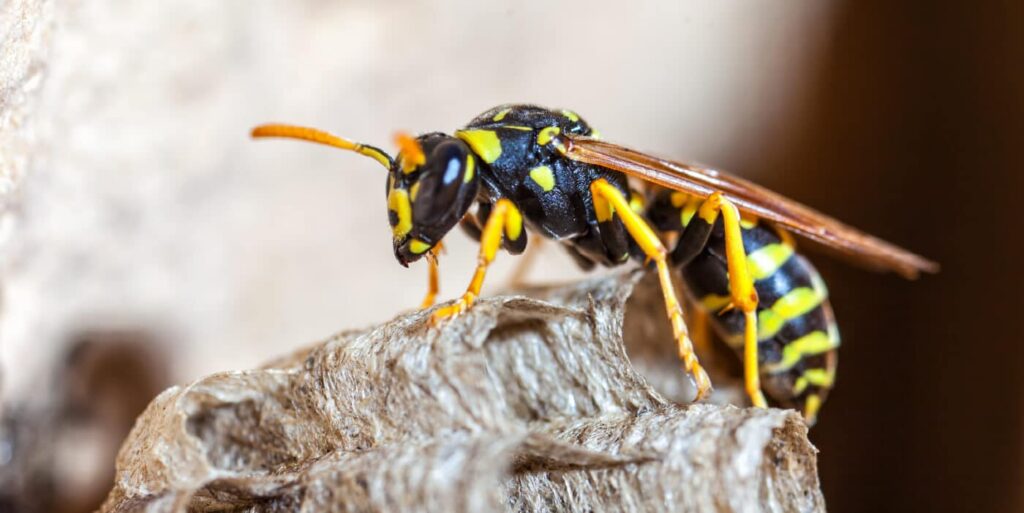
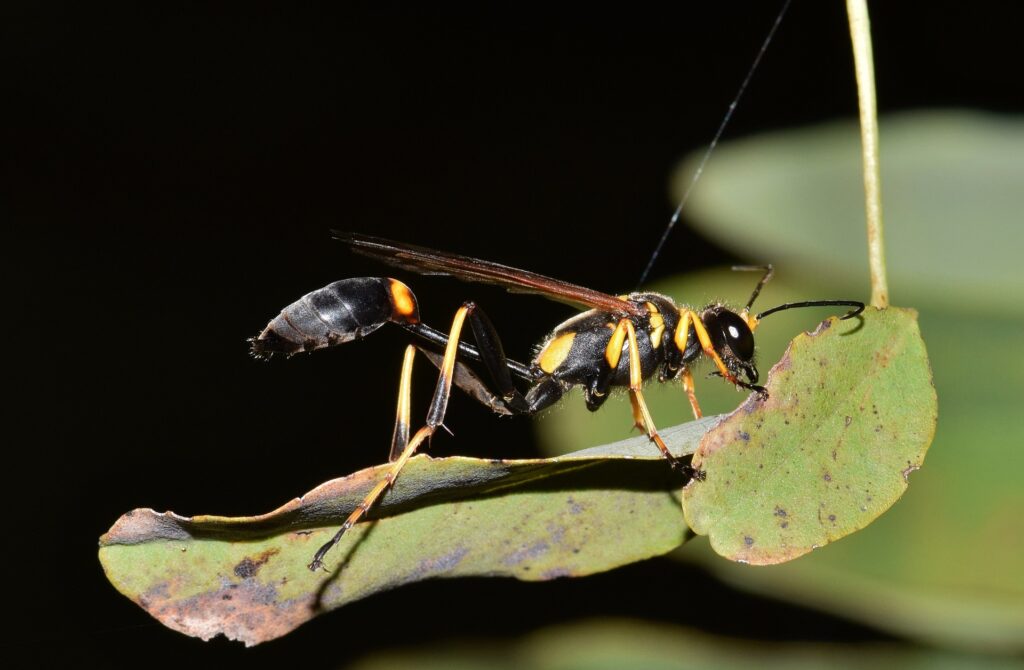
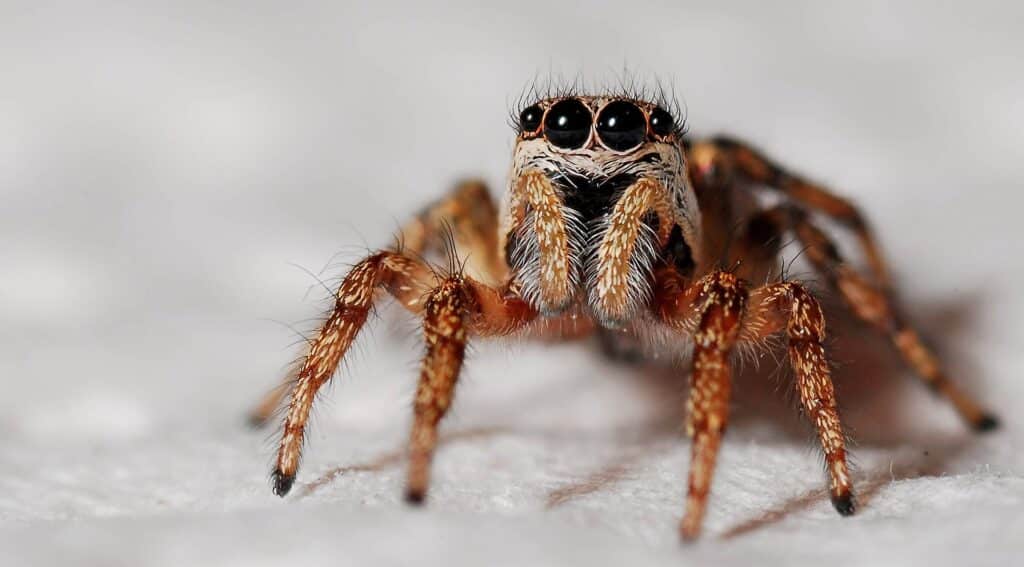
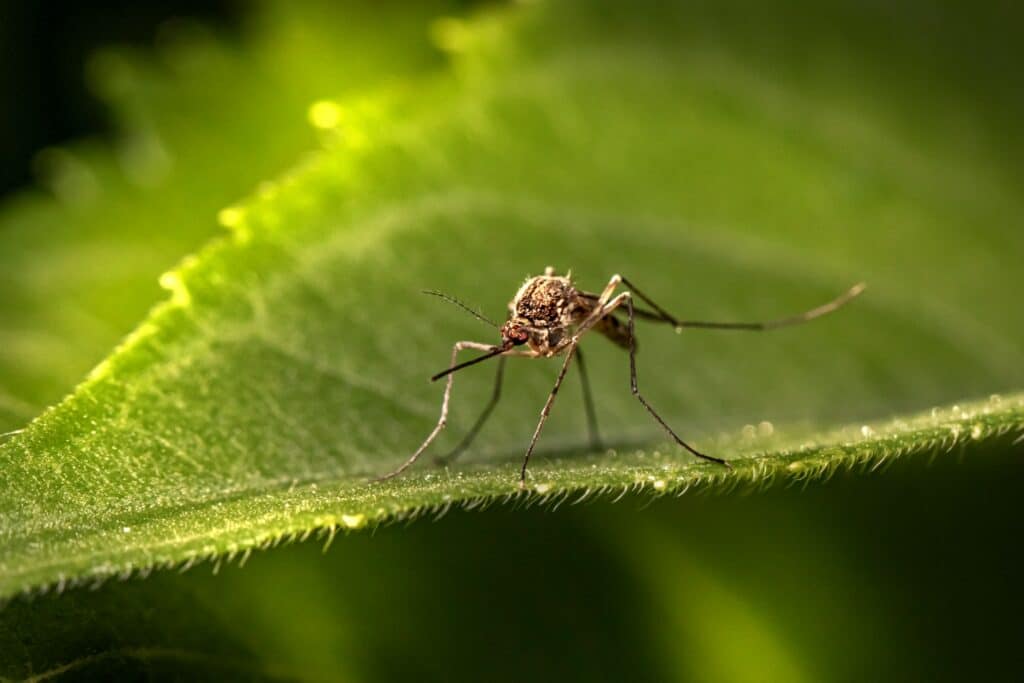
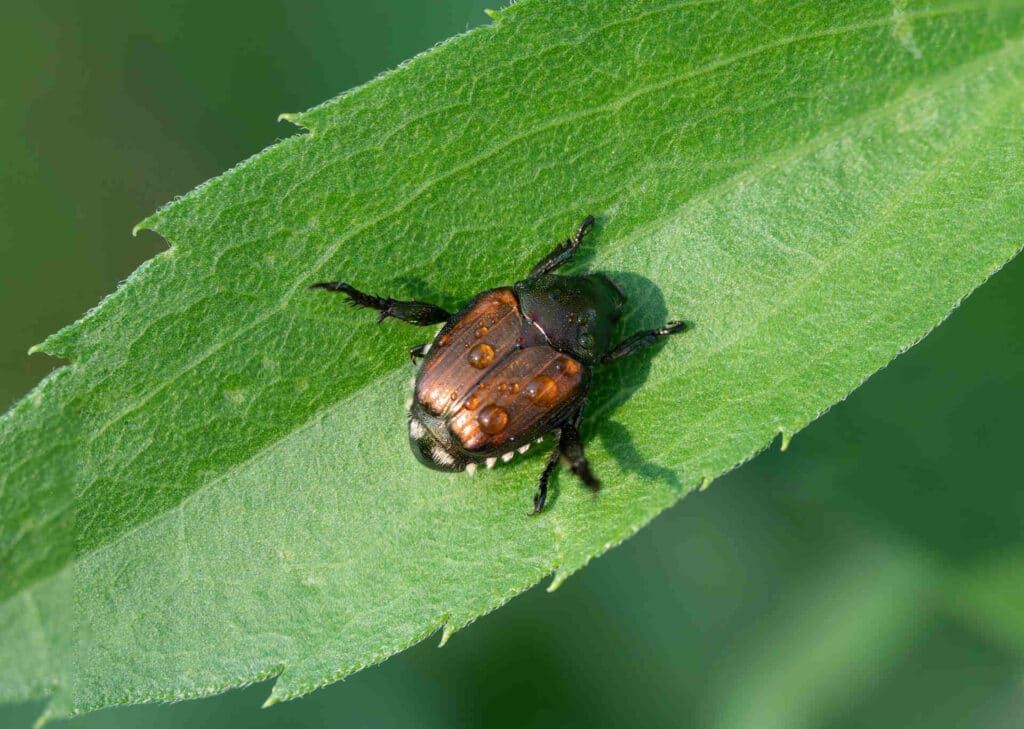
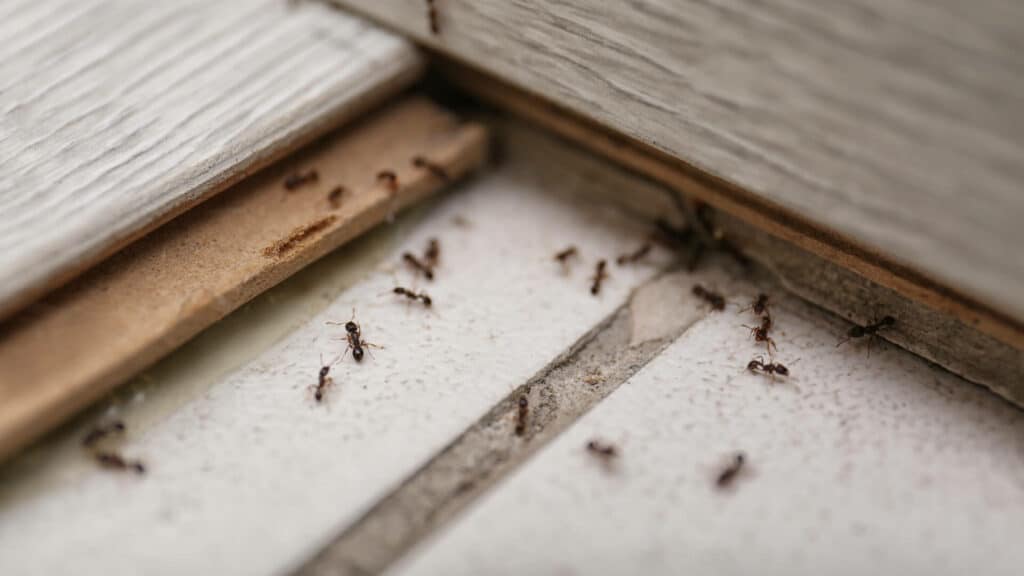
You observe disproportionate insect activity concentrated on windowsills compared to other household areas, finding dead and live insects including flies, ladybugs, spiders, and various other species clustered near glass surfaces.
Windowsills attract insects through multiple mechanisms including sunlight creating visual beacons triggering positive phototaxis (light-seeking behavior) in many species attempting to exit structures, solar heating creating warm microclimates favorable for temperature regulation, condensation providing moisture sources, and structural gaps enabling entry from the outdoors.
Sunlight: The Irresistible Beacon
Many insect species demonstrate positive phototaxis—innate movement toward light sources—with windows providing brightest indoor locations creating powerful attractant effects drawing insects from throughout structures.
Positive phototaxis evolved as a navigation mechanism, with many flying insects using skylight for orientation during flight. This adaptive behavior becomes maladaptive indoors where bright windows create false “sky” signals triggering persistent approach attempts despite glass barriers preventing passage.
Flies including house flies, blow flies, and cluster flies show strong light-seeking, as do many beetles, lacewings, moths (despite nocturnal habits, many demonstrate positive phototaxis), and various other flying insects attempting to exit structures by moving toward brightest apparent openings.
Windows typically provide 10-100 times brighter illumination than interior spaces depending on time of day, season, and weather. These dramatic brightness gradients create powerful directional cues insects follow from darker interior regions toward windows.
Different insects demonstrate varying sensitivities to light wavelengths, with many species particularly responsive to UV wavelengths transmitted through window glass. This UV sensitivity enhances window attraction beyond what human brightness perception suggests.
Heat: Microclimates That Invite
Sunlight passing through windows heats sills and surrounding areas creating thermal microclimates several degrees warmer than general interior spaces, providing thermoregulatory benefits attracting cold-blooded insects.
South and west-facing windowsills receiving direct afternoon sunlight may reach temperatures 5-15°C (9-27°F) above room temperature during peak solar exposure. Even north-facing windows demonstrate modest warming from diffuse sunlight and reduced convective cooling.
Spiders frequently establish near warm windows where elevated temperatures increase metabolic rates improving hunting efficiency, flies demonstrate increased activity at warm sills, and various beetles and other insects seek thermal refugia particularly during cooler seasons.
Window insect activity often peaks during spring and fall when moderate outdoor temperatures combined with solar heating create particularly favorable thermal conditions at windows. Summer and winter extremes may reduce activity as excessive heat or inadequate warming makes windows less attractive.
Many insects including Asian lady beetles, boxelder bugs, and stink bugs seek protected warm locations for overwintering, with window areas providing favorable conditions. These insects may accumulate at windows in fall seeking entry or in spring attempting exit following indoor overwintering.
Moisture: Condensation and Humidity
Temperature differentials between indoor air and cold window glass create condensation providing water sources and elevated humidity attracting moisture-dependent species.
When warm humid indoor air contacts cold window surfaces (particularly during winter or in air-conditioned spaces during summer), water vapor condenses forming droplets or films on glass and frames. This process concentrates atmospheric moisture into accessible liquid water.
Booklice (psocids) commonly establish near condensation-prone windows feeding on mold growing in damp conditions, fungus gnats require moisture for larval development with window condensation supporting breeding, and various other small insects including springtails congregate where moisture accumulates.
Persistent condensation on window frames, sills, and adjacent walls promotes mold and mildew growth providing food for mold-feeding insects. This creates self-sustaining populations where moisture enables mold supporting insects in continuous cycles.
Access Points Through Windowsills
Windows represent common structural vulnerabilities where building envelope gaps enable insect entry from outdoors, with insects entering through these access points often remaining near windows attempting exit.
Window frames settling away from rough openings create perimeter gaps, weatherstripping degradation around operable windows allows passage, screening tears or gaps provide direct access for flying insects, and gaps between sills and siding create entry routes for crawling insects.
Ladybugs, Asian lady beetles, boxelder bugs, stink bugs, and cluster flies seek indoor overwintering sites in fall, entering through window gaps and accumulating at windows attempting exit when warming temperatures trigger emergence in late winter and spring.
Windows serving as entry points throughout seasons enable continuous insect infiltration, with individuals seeking food, shelter, or accidentally displaced by wind currents accumulating at windows when attempting to return outdoors.
The Glass Trap: Why Insects Stay
Transparent glass creates invisible barriers insects cannot perceive, with individuals attempting exit becoming trapped at windows through persistent futile escape attempts concentrating activity in these locations.
- Visual transparency: Insects lack cognitive understanding of transparent solid barriers, with glass appearing as open passageways permitting movement. Individuals attempting to exit fly or walk directly into glass then continue escape attempts in the same locations despite repeated failure.
- Repeated attempts: Wasps, flies, beetles, and many other insects demonstrate persistent behavior patterns, attempting passage through the same glass areas for hours or days. This persistence concentrates individuals at specific windows creating visible accumulations particularly along upper glass areas where upward-seeking insects gather.
- Energy depletion: Continuous escape attempts exhaust insect energy reserves, with flying insects burning calories through repeated takeoffs and landings while crawling species expend energy through persistent movement. Exhausted individuals often remain at windows unable to move away even if released.
- Death accumulations: Dead insects accumulating at windows represent individuals succumbing to exhaustion, starvation, or dehydration during prolonged escape attempts. These remains attract scavenger species including carpet beetles, ants, and dermestid beetles creating secondary pest problems.
- Species variation: Different insects demonstrate varying persistence and learning capabilities, with some species (certain flies, wasps) showing remarkable persistence while others (some beetles, moths) more readily abandon unsuccessful routes exploring alternative escape paths.
Breeding and Shelter: A Perfect Mix
Environmental conditions at windows—warmth, moisture, shelter—sometimes prove suitable for insect reproduction and development, with breeding populations creating persistent activity beyond transient individuals.
- Fungus gnat breeding: Window condensation supporting mold growth in frames, sills, or potted plants near windows creates breeding substrates for fungus gnats. Larvae develop in moist organic matter with adults emerging near windows continuing infestation cycles.
- Fruit fly development: Moisture accumulation in window frames occasionally supports fruit fly breeding, particularly if combined with organic debris or if windows near kitchens where adults access fermenting materials then return to favorable window microclimates.
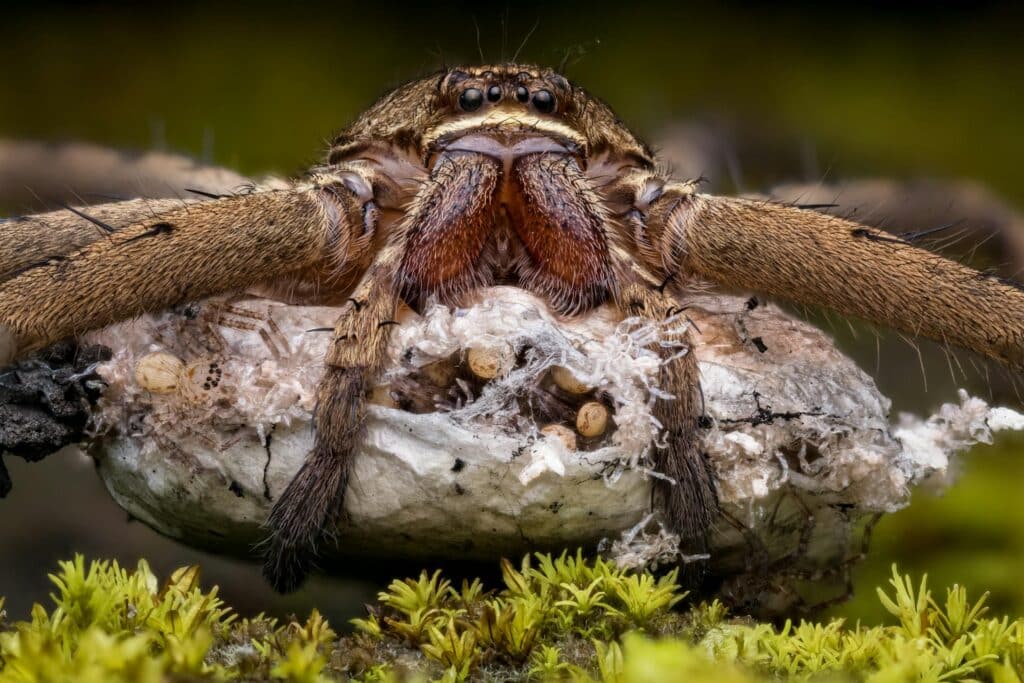
- Spider establishment: Spiders establishing webs at windows benefit from concentrated prey (insects attempting exit), favorable thermal conditions, and undisturbed locations. Successful hunting enables reproduction with egg sacs and spiderlings adding to window populations.
- Carpet beetle larvae: Dead insects accumulating at windows provide food for carpet beetle larvae, with breeding populations establishing where sufficient insect remains accumulate. These larvae subsequently may damage nearby woolens or other materials.
Take the Next Step
Professional pest control includes comprehensive assessments of areas such as windows, identifying structural vulnerabilities, moisture problems, and insect sources, implementing appropriate treatments for established populations, and providing guidance on exclusion and environmental modifications.
If you’re experiencing persistent insect problems despite regular cleaning, observing seasonal invasions by overwintering insects, or dealing with moisture-related pest issues at windows or other similar areas in your property, contact Aptive today for a free quote and comprehensive evaluation from a quality pest control service.