


The Essential Guide to Spiders: Facts, Behaviors & Identification Tips
Learn how to identify and manage spiders with our expert guidance, so you can take care of your home with confidence.

Types of spiders Aptive treats



Spider facts every homeowner should know
Spiders tend to stay out of sight
Most spiders avoid human interaction and hide in quiet, undisturbed areas like basements, attics, closets, and corners – making infestations easy to miss at first.
Spiders are attracted to other insects
If you’re seeing more spiders in your home, it often means there’s an existing insect population nearby, since spiders feed on common household pests.
Spider bites are rare but possible
Most spiders are harmless, but some species can bite if they feel threatened or are accidentally pressed against skin, such as in clothing or bedding.
How we handle spider control
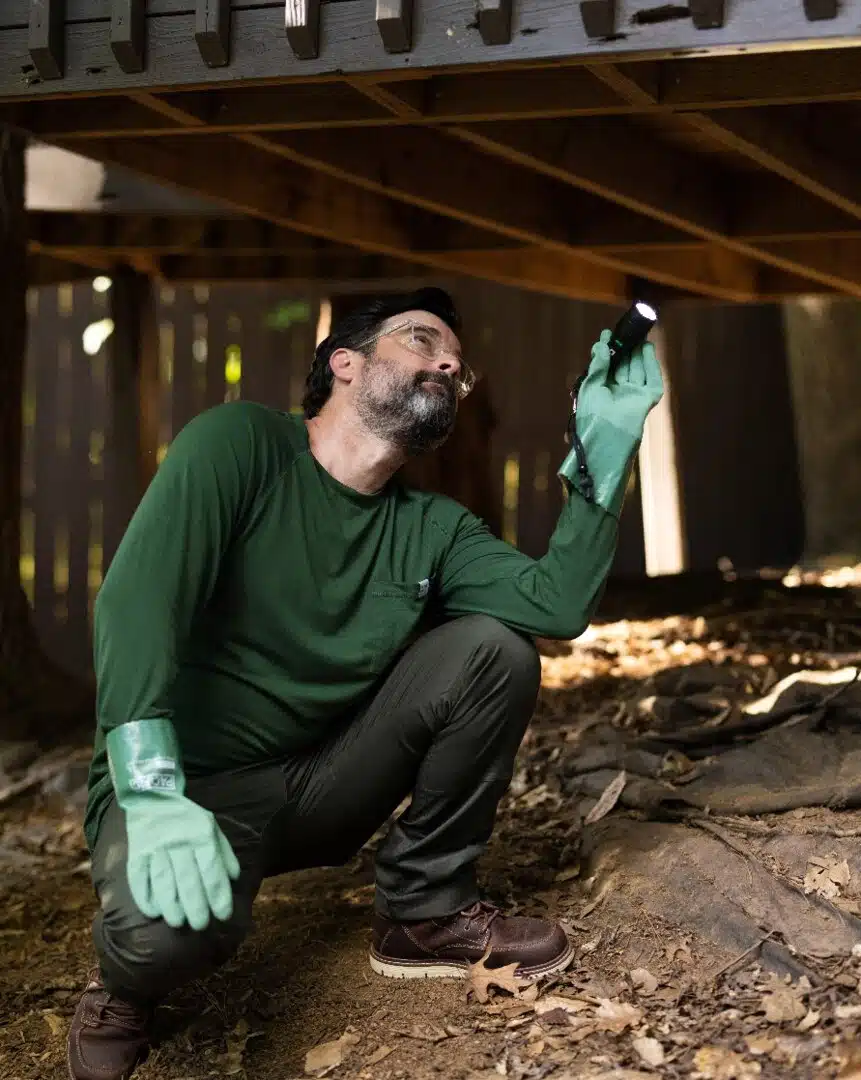
Aptive’s spider control experts apply targeted treatments to areas where spiders are most active, helping reduce webs and limit activity around your home. We use a combination of residual exterior treatments for longer-lasting protection, along with indoor applications such as dusting treatments, flowable concentrates, and microencapsulated products placed in key areas. We focus on common harborage spots like eaves, entry points, garages, and interior corners to maximize effectiveness.
Every home is different, which is why our spider control experts take a thoughtful, customized approach to treatment. We listen carefully to your concerns, inspect your property for signs of a spider infestation, and develop a targeted plan to help protect your home inside and out. We’re dedicated to providing you with peace of mind so you can enjoy your home more comfortably. Connect with your local Aptive team for specialized spider control and experience our exceptional service with confidence.
Spiders are beneficial predators that feed on insects and other small pests, helping reduce pest populations indoors and outdoors*.
If you’re dealing with spiders in your home, give Aptive a call and let our team help you take your space back.
What do spiders look like?
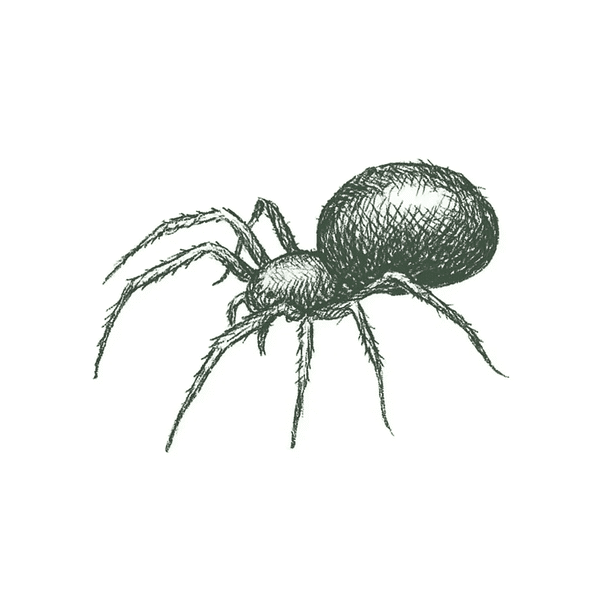
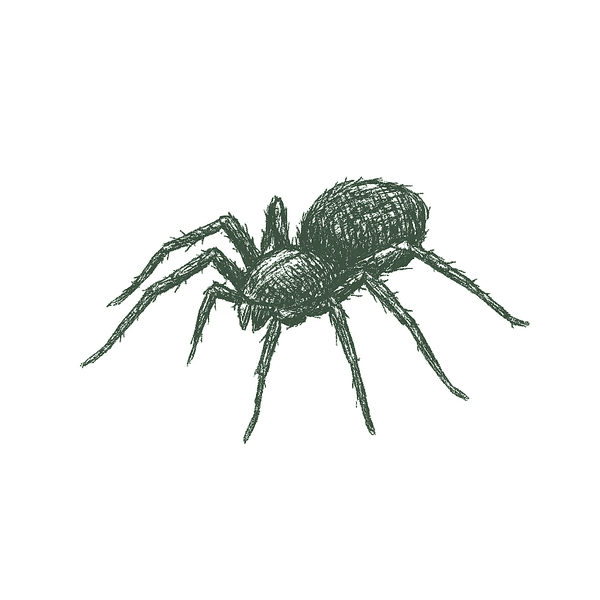
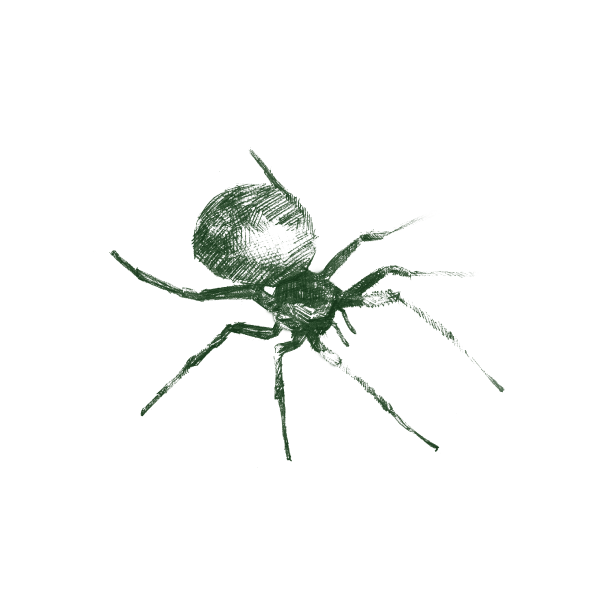
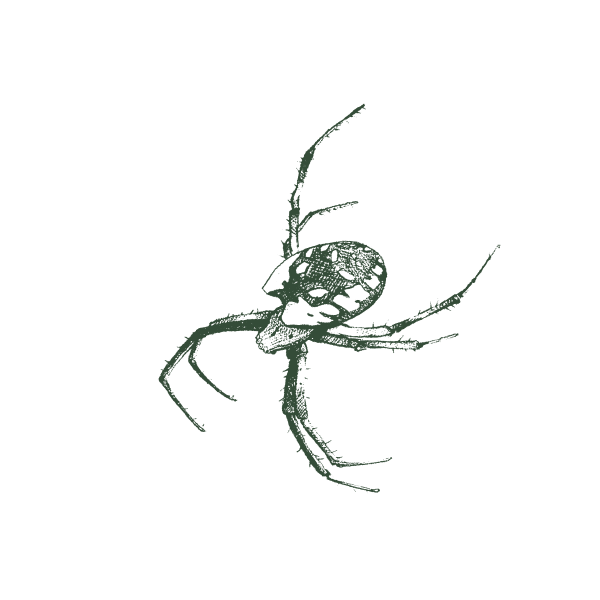
Most spiders have two main body segments – the cephalothorax and abdomen – along with eight legs and multiple eyes. They vary widely in size and color, ranging from small, pale species to larger spiders that are brown, black, or patterned. Common household spiders often have long legs and compact bodies that allow them to move easily through tight spaces. Unlike insects, spiders do not have antennae or wings. Their physical features are well suited for spinning webs, capturing prey, and hiding in undisturbed areas like corners, basements, and crawl spaces.
What are signs of a spider infestation?
The most obvious sign of a spider infestation is the frequent discovery of webs in quiet, undisturbed areas. You should also monitor your home for an increase in other insects, as an abundant food source of household pests is often what attracts and sustains a growing spider population. Finding small, white silken egg sacs attached to surfaces or hidden in crevices is a definitive sign of active breeding and future spider activity. Regularly spotting spiders themselves – especially during the night when many species are most active – indicates they have established a significant presence within your living space.
What causes a spider infestation?
A spider infestation is primarily driven by the presence of an abundant food source, as spiders are naturally attracted to homes with existing populations of insects like ants, flies, or cockroaches. Additionally, easy access through small cracks in foundations, gaps around windows, or poorly sealed doors allows them to enter your living space in search of shelter. Once inside, they gravitate toward quiet, undisturbed areas such as basements, attics, and cluttered corners, which provide the perfect environment for spinning webs and laying egg sacs. Maintaining a clean home and addressing other underlying pest issues are critical steps in preventing a spider infestation.
How to get rid of spiders?
Getting rid of spiders begins with a professional inspection to identify their specific harborage sites and the underlying insect populations that serve as their food source. Aptive’s experts use a combination of targeted treatments – such as dusting, flowable concentrates, and microencapsulated products – to address active spiders in key areas like eaves, garages, and interior corners. To maintain long-term protection, we apply residual exterior treatments that create a barrier around your home’s entry points and foundation. This customized approach not only clears existing webs but also addresses the environmental factors that attract spiders to your property in the first place.