Spiders possess remarkable wall-climbing abilities allowing them to effortlessly scale vertical surfaces and walk upside-down on ceilings through specialized anatomical adaptations that generate adhesive forces strong enough to support their body weight against gravity.
These capabilities enable spiders to access prey, escape predators, and inhabit three-dimensional spaces throughout structures that other arthropods cannot reach. Understanding the mechanisms behind spider wall adhesion reveals fascinating biomechanical principles that have inspired technological applications including climbing robots and advanced adhesives.
How do spiders stick to walls?
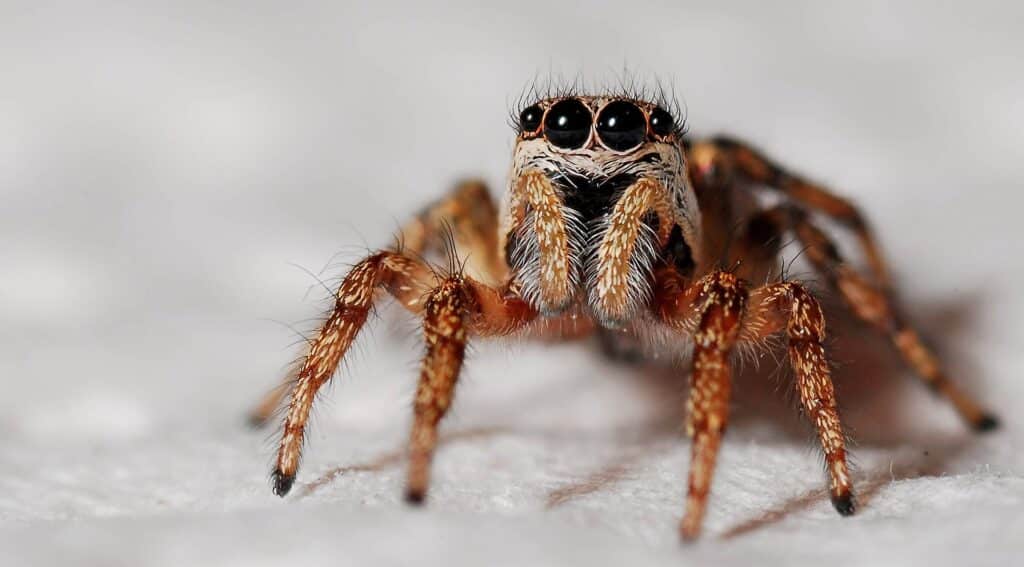
Spiders stick to walls using millions of microscopic hair-like structures called setae covering their feet, which create adhesive forces through van der Waals interactions—weak molecular attractions between spider foot hairs and surface molecules.
Each spider foot contains thousands of setae that further divide into even smaller branches ending in triangular tips measuring only nanometers across, maximizing surface contact area with walls and ceilings. When these microscopic hairs press against surfaces, electrons in spider foot structures and wall molecules create temporary attractive forces sufficient to support spider body weight.
The cumulative effect of millions of contact points generates substantial adhesion allowing spiders to climb smooth vertical surfaces including glass. Additionally, some spiders supplement these dry adhesive forces with sticky secretions from specialized glands, though most rely primarily on physical van der Waals forces for wall climbing without chemical adhesives.
Which types of spiders stick to walls?
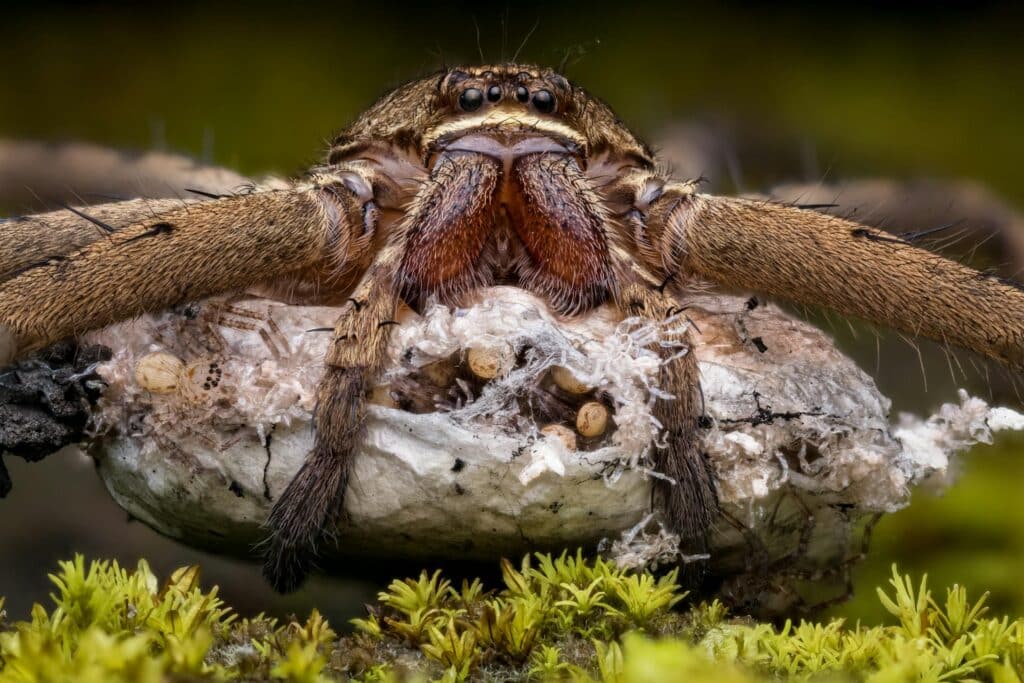
Virtually all spider species can stick to walls to varying degrees, though hunting spiders including jumping spiders, wolf spiders, and huntsman spiders demonstrate the most impressive climbing abilities on smooth vertical surfaces including glass and polished metal.
Web-building spiders like house spiders, cellar spiders, and orb weavers also climb walls effectively but typically use their climbing abilities primarily for web construction and maintenance rather than active hunting. Larger, heavier spiders including tarantulas possess proportionally fewer adhesive setae relative to their body mass, limiting their ability to climb extremely smooth surfaces though they navigate textured walls effectively.
Smaller, lighter spiders demonstrate superior climbing performance on all surfaces since adhesive forces scale more favorably with reduced body size, allowing tiny spiders to effortlessly walk on glass while large spiders may struggle on the smoothest substrates.
How long can spiders stick to walls?
Spiders can remain attached to walls indefinitely as long as they maintain muscular tension controlling their leg positions and setae contact with surfaces, with resting periods lasting hours to days depending on species and circumstances.
Wall adhesion requires minimal energy expenditure once positioned, allowing spiders to wait motionlessly for extended periods while hunting or hiding from predators. However, spiders must actively engage their adhesive setae through leg positioning and pressure, meaning unconscious or dead spiders lose wall adhesion and fall.
Environmental factors including humidity, temperature, and surface cleanliness affect adhesion duration, with dusty or oily surfaces reducing contact effectiveness over time requiring spiders to relocate for better adhesion.
How to know if you have a spider infestation
Spider infestations create distinctive signs throughout affected structures:
- Numerous visible spiders and webs: You might notice multiple spiders on walls, ceilings, and corners accompanied by extensive cobwebs throughout rooms indicating established populations beyond normal occasional spider presence.
- Egg sacs in corners and crevices: It’s common to find silk egg sacs containing dozens to hundreds of developing spiderlings attached to ceilings, behind furniture, or in undisturbed areas signaling breeding activity.
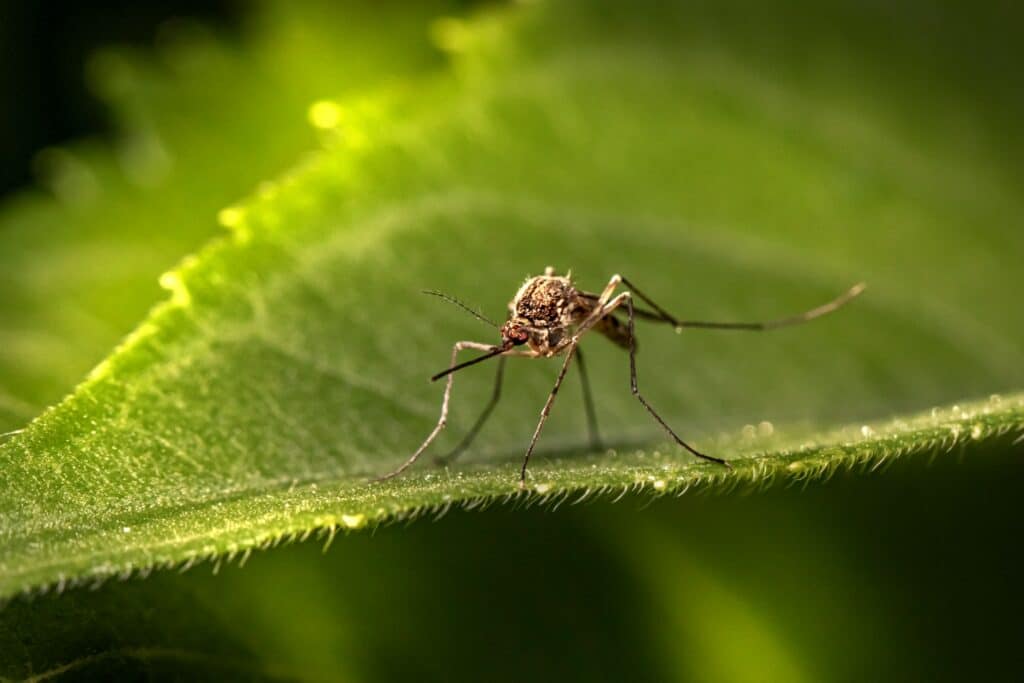
- Abundant prey insects present: You’ll likely observe high numbers of flies, mosquitoes, moths, or other insects attracting and supporting large spider populations feeding on readily available prey.
- Spider molts and remains: You might discover discarded spider exoskeletons from molting and dead spider bodies accumulating in corners indicating ongoing population turnover and high spider density beyond sustainable levels.
How to get rid of a spider infestation
Eliminating spider infestations requires comprehensive approaches targeting both spiders and their prey:
- Remove webs and egg sacs regularly: Vacuum or sweep away all visible webs, egg sacs, and spiders throughout structures, focusing on corners, ceilings, and undisturbed areas where spiders concentrate their activity.
- Reduce prey insect populations: Address underlying insect problems attracting spiders by improving sanitation, sealing food sources, fixing screens, and reducing outdoor lighting that attracts flying insects spiders feed upon.
- Seal entry points and cracks: Caulk gaps around windows, doors, utility penetrations, and foundation cracks preventing spiders from entering structures while reducing access to hiding spots and egg-laying locations.
- Reduce clutter and hiding spots: Remove boxes, stored items, and debris providing spider habitat, particularly in basements, garages, and storage areas where undisturbed conditions encourage spider establishment and reproduction.
When to talk to the professionals
If you’re having problems dealing with spiders throughout your home, or when you need expert assessment of spider populations exceeding normal levels, professional pest control services can provide accurate species identification and appropriate management solutions. At Aptive, our pest control experts can distinguish between harmless beneficial spiders controlling insect populations and problematic spider infestations requiring intervention.
If you’re experiencing excessive spider activity throughout your property, need help identifying whether spiders in your home are harmless species or potentially dangerous varieties, or want guidance on spider control while addressing underlying insect problems attracting them, don’t wait—contact Aptive today for a free quote.