Phone Icon

(855) 948-5816

Aptive Pest Control Logo

How to Get Rid of Wolf Spiders

Written by Aptive Pest Control
Updated: May 28, 2026 Published: July 26, 2024

While seeing a spider can send shivers down some spines, wolf spiders are more interested in hunting insects than setting up shop in your living room. However, these agile arachnids can sometimes find their way indoors, leading many homeowners to wonder how to get rid of wolf spiders. 

Let's explore the world of wolf spiders, their behavior around homes, and effective strategies to keep them in check. 

Understanding Wolf Spiders 
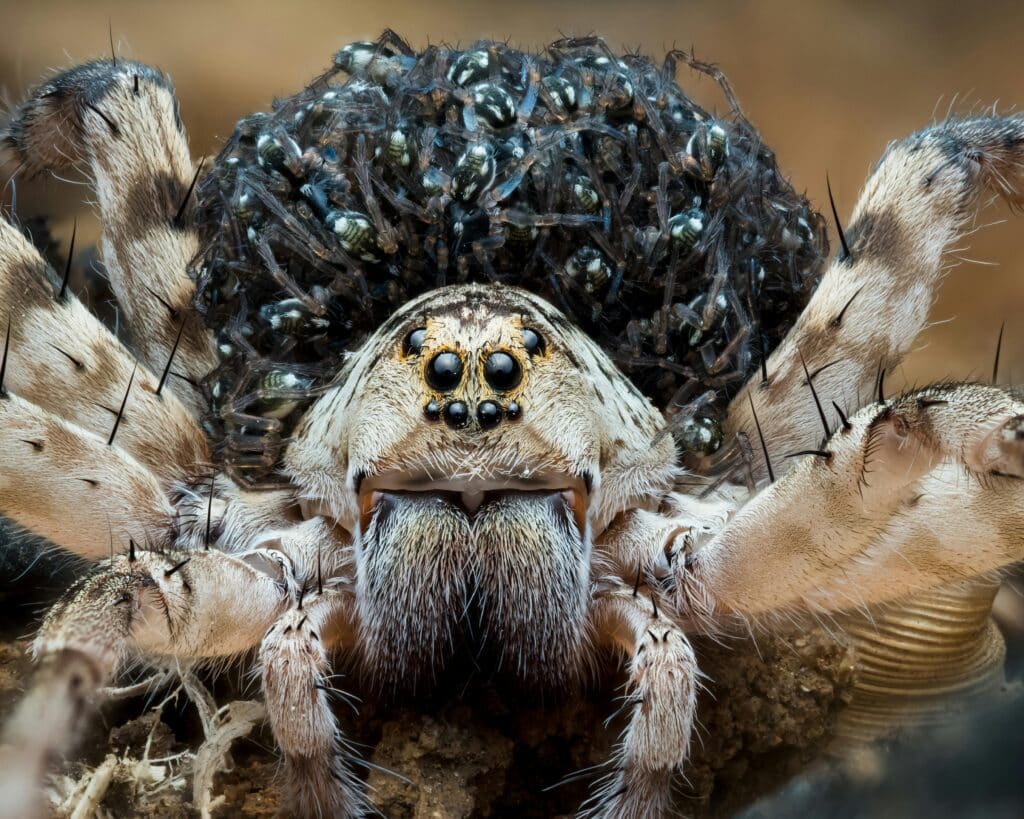
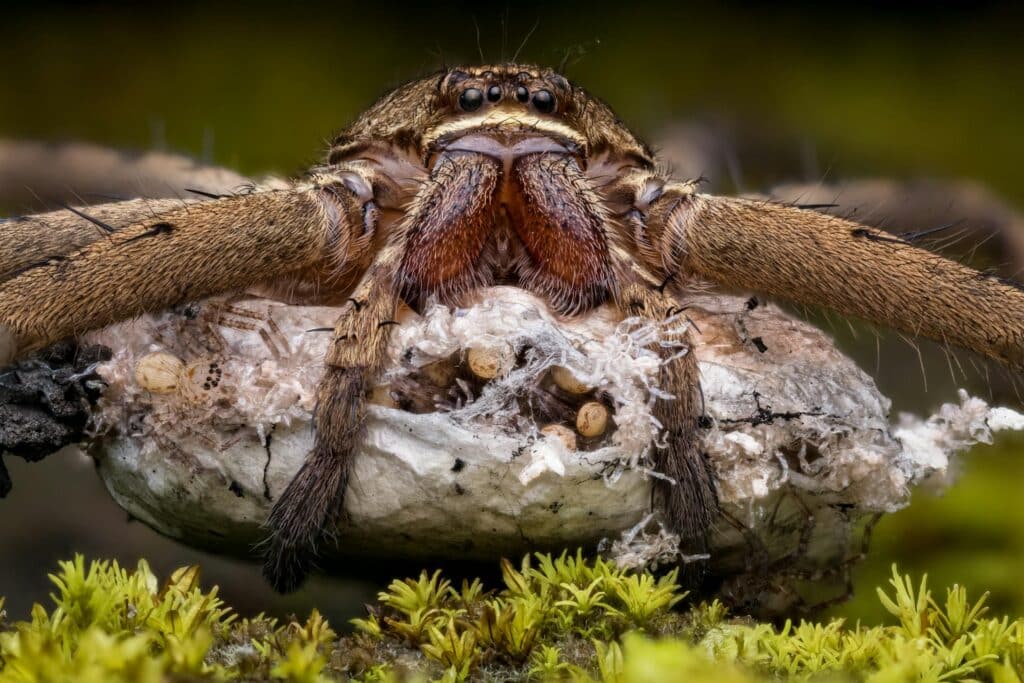
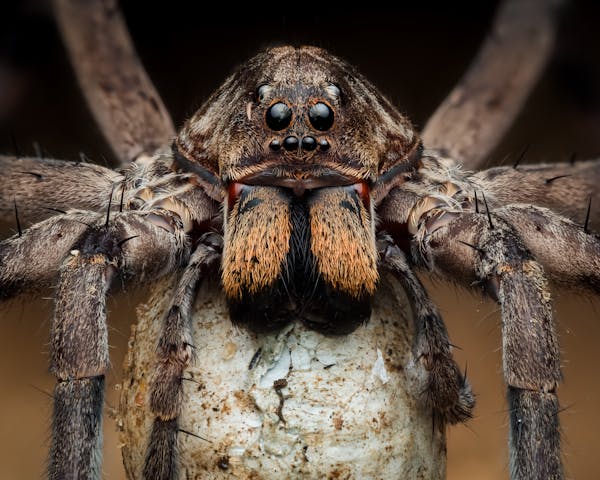
Wolf spiders are named for their active hunting style and are quite distinct from their web-spinning cousins. They are typically larger than house spiders, with stout bodies and long, spiny legs. Their coloration is usually brown with lighter markings or stripes. While their appearance can be startling, wolf spiders are generally considered nuisance pests rather than dangerous threats. 

Wolf Spider Habits and Habitat 

Unlike web-weavers, wolf spiders are active hunters, stalking and chasing down their prey. They are most active at night, seeking insects like crickets, roaches, and other spiders. During the day, they rest in sheltered locations. Outdoors, wolf spiders favor areas under rocks, mulch, firewood piles, and leaf litter. 

When Wolf Spiders Find Their Way Indoors 

Wolf spiders may occasionally wander indoors in search of food or shelter, particularly during colder months. They are not inclined to establish permanent residence inside and typically remain near the floor along walls or under furniture. However, their presence can be unwelcome for some homeowners. 

The Benefits and Risks of Wolf Spiders 

While their presence might be unsettling, wolf spiders actually provide a natural form of pest control by preying on other insects. However, they can bite if they feel threatened or cornered. These bites are uncommon and typically cause mild discomfort similar to a bee sting. 

Preventative Measures to Get Rid of Wolf Spiders 
The best approach to wolf spider control is prevention. Here are some key steps to keep them out of your home: 

  • Inspect the exterior of your home for cracks around windows, doors, foundations, and utility lines. Seal these openings with caulk or weather stripping to prevent wolf spiders and other insects from entering. 
  • Keep your yard free of debris like dry leaves, firewood piles, and overgrown vegetation. These areas provide ideal hiding spots for wolf spiders and their prey. 
  • Ensure all windows and doors have properly fitted screens to prevent wolf spiders from simply walking in. 
  • Some anecdotal evidence suggests that certain essential oils, like peppermint or cedarwood, may deter wolf spiders. However, scientific research is limited, and these methods should not be considered a substitute for other preventative measures and professional pest control. 

How to Get Rid of Wolf Spiders When Prevention Fails 

If you find wolf spiders inside your home, there are a few options for removal: 

  • Vacuum: Carefully vacuum up any wolf spiders you see. Be sure to empty the vacuum cleaner bag outdoors afterward. 
  • Sticky Traps: Place commercially available glue traps strategically near where you've seen wolf spiders. These traps can capture and eliminate them. 

When to Call a Professional 

If you have a significant wolf spider infestation or are uncomfortable handling them yourself, contacting a licensed pest control professional is recommended. They can assess the situation and develop a targeted treatment plan to eliminate the issue. 

Living with Wolf Spiders 

While encountering a wolf spider indoors can be surprising, it's important to remember that they are typically more interested in catching a meal than causing trouble. By using preventative measures and addressing any potential entry points, you can minimize the chance of wolf spiders becoming unwelcome guests in your home. 

If you have more questions about wolf spiders or pest control services for your property, contact us at Aptive

Learn more about spiders

3 Things You Didn't Know About Household Spiders 5 Surprising Spider Superpowers Are All Spiders Venomous? Are Daddy Long Legs Spiders? Black Widow vs Brown Widow: What Are the Differences? Black Widows vs Brown Recluse: What Are the Differences? Black Widows vs Hobo Spiders: What Are the Differences? Brown Recluse Spider: Facts, Bites & Control Common Spiders Found in St. Louis Do All Spiders Make Webs? Do Brown Recluse Spiders Build Webs? Signs of a Potential Infestation Good vs Bad Spiders Ground vs Web Spiders in Basements How Black Widows Choose Nesting Spots How Do Jumping Spiders See in Color How Do Spiders End Up Inside Light Fixtures and Lampshades How Do Spiders Stick to Walls? How to Get Rid of Brown Recluse Spiders: Identification & Control How to Get Rid of Spiders in the House How to Identify a Spider: 5 Signs to Consider and When to Take Action How to Identify and Deal with a Brown Recluse Spider Infestation Identifying Spider Webs Around Your House Indoor Spider Control: What Attracts Spiders to Indoor Corners and How to Prevent Them Joro Spiders vs Golden Silk Orb Weaver Spiders: How Are They Different? Jumping Spider Control: Effective Methods to Eliminate and Prevent Mosquito Bite or Spider Bite? Most Common Types of Spiders in Gardens Orb Weaver Spider Control: Facts, Control & Tips Protecting Against Spiders: The Where and When of Spider Activity Spider Egg Sacs: What to Do When You Find One Spider Infestation: Signs, Causes & How to Get Rid of Spiders in Your Home Spider Repellent and Deterrent: How to Keep Spiders Out of Your Home Spiders that Look like Brown Recluses Spiders That Look Like Brown Recluses But Aren't The Difference Between Spider Egg Sacs and Dust Clumps The Difference Between Web-Building and Hunting Spiders The Engineering Logic Behind Spider Web Geometry The Peak of Spiders Indoors: 4 Tips to Manage Spider Activities The Role of House Spiders in Your Home Ecosystem The Role of Yellow Garden Spiders in Pest Control: Friend or Foe? The Science Behind Spider Silk’s Flexibility The Ultimate Guide to Wolf Spiders: Identification, Prevention, and Elimination Three of the Most Dangerous Spiders Tiny Jumping Spiders in My Houseplants: Are They Harmful? Top Spiders That Are Often Mistaken for Black Widows What Are Candy Stripe Spiders and Where Are They Found? What Are Funnel Weaver Spiders? Identification, Risks & How to Get Rid of Them What are Joro Spiders and how to Identify them What Are the Signs of a Black Widow Infestation? What Are the Top 10 Most Common Spiders Found in Basements? What Attracts Spiders to Your Home and How to Minimize These Factors What Is a False Widow? What to know About Hobo Spider Bites Why Attics Provide the Perfect Microclimate for Spiders Why Do Hobo Spiders Build Funnel Webs in Basements and Crawl Spaces? Why Lights Outside Can Bring Spiders In Why Some Spiders “Balloon” Through the Air on Threads of Silk Why Spiders Like the Basement Why Spiders Rebuild Their Webs Every Night Yellow Garden Spider vs Joro Spider: What Are the Differences? Your Comprehensive Guide to Jumping Spiders

Curated articles for you, from our pest experts.

A Detailed Image Of A Norway Rat Walking Across A Log Surrounded By Ivy And Dead Leaves In An Outdoor Setting.

The Top 6 Most Common Pests in Georgia

Georgia’s pest activity is shaped by a humid subtropical climate, long warm seasons, and a landscape that ranges from barrier islands and salt marshes to the rolling Piedmont and the Blue Ridge foothills.

Jan 21, 2026
A Close-Up Image Of A Brown Roof Rat Perched On A Weathered Green Metal Lantern, With Its Large Ears, Long Whiskers, And Inquisitive Eyes Facing The Camera. The Background Is Softly Blurred With Dappled Light And Trees.

The Top 5 Most Common Pests in California

California's Mediterranean and semi-arid climates with mild winters, extended warm seasons, and diverse microclimates create ideal conditions for numerous pest species remaining active year-round...

Jan 19, 2026

Take back your home with spider control today.