Call now and ask about our Summer Offer

Phone Icon
Phone Icon
Phone Icon
Phone Icon

(855) 948-5816

Aptive Pest Control Logo

The Role of House Spiders in Your Home Ecosystem

Written by Aptive Pest Control
Updated: May 21, 2026 Published: September 19, 2024

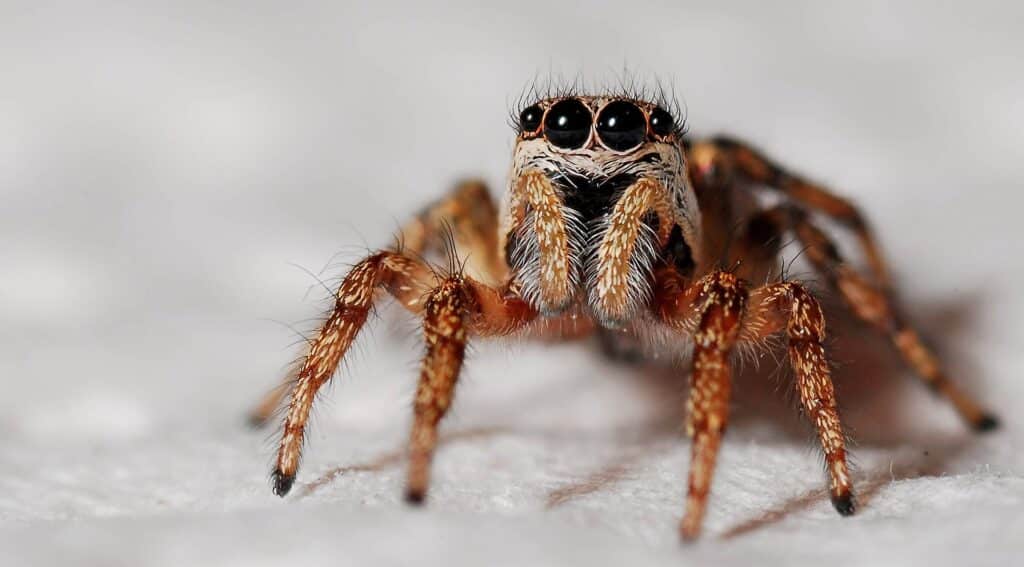
You've likely seen a spider or two in your home and wondered, "Are house spiders beneficial?" While your first instinct might be to get rid of them, house spiders can actually offer some surprising benefits. In this article, we'll explore the advantages of having house spiders and address common concerns that many homeowners have.

Benefits of House Spiders: The Natural Pest Control

One of the most significant benefits of house spiders is their role in natural pest control. Here's how they help:

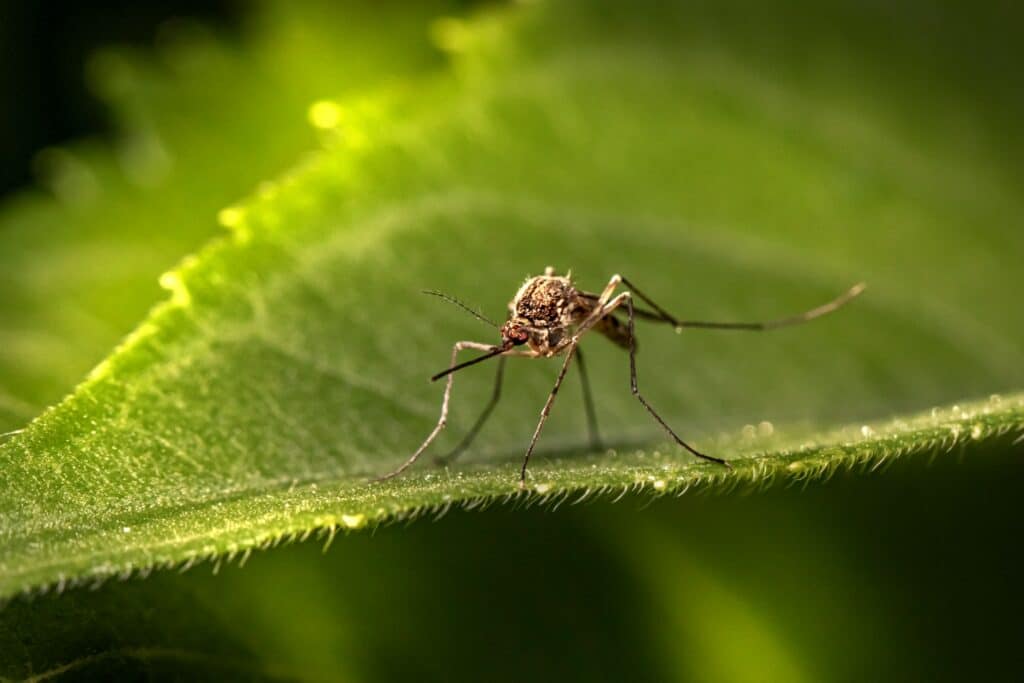
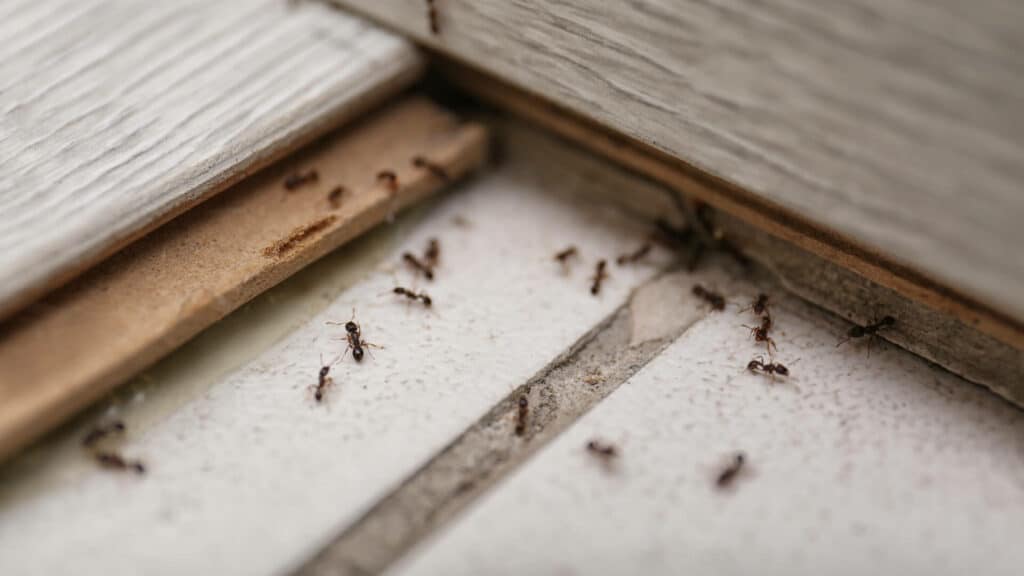
  • Eating household pests: House spiders feed on a variety of household pests, including flies, mosquitoes, ants, and even cockroaches. By keeping the population of these pests in check, spiders help maintain a balanced indoor ecosystem.
  • Reducing chemical pesticides: Since house spiders naturally control pest populations, they can reduce the need for chemical pesticides. This is not only better for the environment but is also healthier for your family and pets.
  • Reaching hidden spaces: Spiders can reach areas that are often missed by other pest control methods, such as high corners or behind furniture. They spin webs in these locations, trapping pests that might otherwise go unnoticed.

3 Common Concerns About House Spiders

Even with the benefits of house spiders, it's natural to have concerns about sharing your home with spiders. Let's address some of the most common worries:

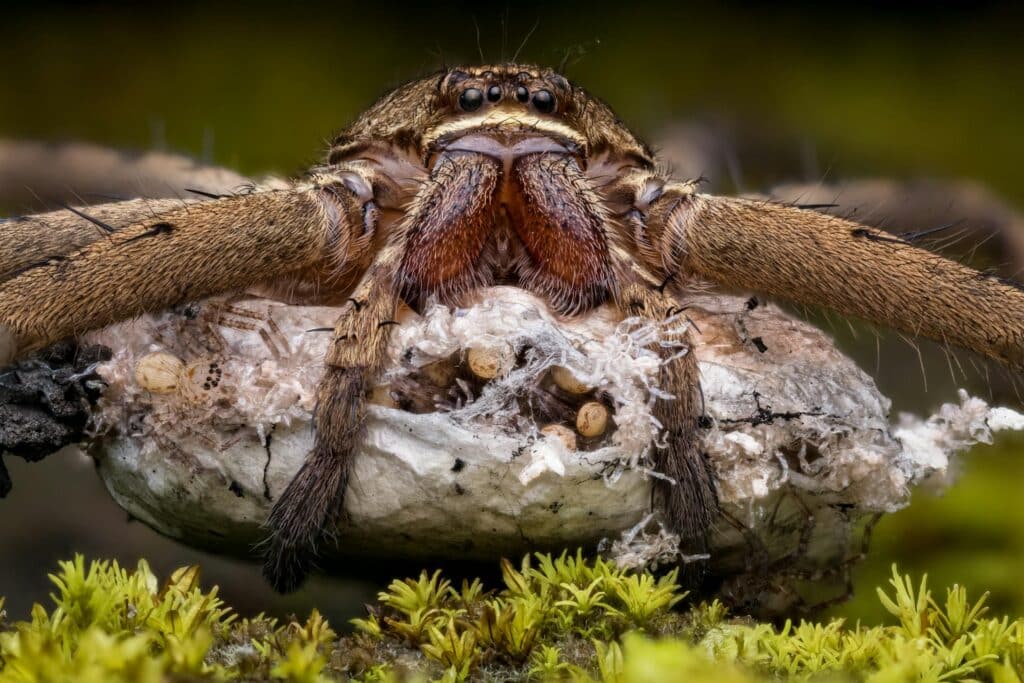
  1. Bites: The fear of spider bites is widespread, but most house spiders, such as wolf spiders and garden spiders, pose no threat to humans. They are not aggressive and typically only bite in self-defense if threatened. The bites of common house spiders are usually mild and less harmful than those of some outdoor species.
  2. Webs: Some people find spider webs unsightly. While webs can accumulate dust and debris, they are also an effective tool for catching pests. Regularly cleaning webs in high-traffic areas while leaving them in less-used spaces can be a good compromise.
  3. Infestations: Many worry that allowing one spider will lead to an infestation. However, house spiders are solitary creatures. They tend to avoid each other, so it's unlikely you'll end up with an overwhelming number of spiders.

How to Coexist with House Spiders in 2 Ways

If you decide to coexist with house spiders, there are ways to make this arrangement more comfortable for everyone. Here are two tips to coexist with these creatures:

  1. Designate spider-friendly zones: Allow spiders to inhabit areas that are out of the way, such as basements, attics, or garages. This way, they can continue controlling pests without intruding on your living spaces.
  2. Regularly clean: Keep living areas clean to minimize spider webs where they're not wanted. Regularly vacuuming and dusting can help manage spider presence without completely removing them from your home.

When to Consider Professional Help

While house spiders are generally beneficial, there are times when you might need to consult a professional. Here's when to consider spider pest control services:

  • Sighting of dangerous spiders: If you suspect a dangerous and bad spider species, like black widows or brown recluses, in your home, it's important to consult a professional. They can identify the spider and recommend the best course of action.
  • Persistent spider problems: If spiders continue to be a problem despite your efforts to coexist, pest control professionals can help assess your home and offer targeted solutions, such as specific treatments for nesting sites or sealing entry points.
  • Major spider activity: If your home is overwhelmed by webs and spider activity, it may indicate a larger issue, such as an underlying pest infestation.

Get Pest Control Services for House Spiders Today!

If you're still uncertain about coexisting with house spiders or have concerns that need addressing, don't hesitate to reach out to Aptive’s pest experts! Our pest control services ensure your home is protected and your needs are met.

Contact us now and get a free quote to discuss your spider-related concerns and learn how we can assist in maintaining a balanced environment in your home. Whether you need to identify a spider species or manage spider activity, we're here to help. Your home's comfort is our top priority.
Learn more about spiders

3 Things You Didn't Know About Household Spiders 5 Surprising Spider Superpowers Are All Spiders Venomous? Are Daddy Long Legs Spiders? Black Widow vs Brown Widow: What Are the Differences? Black Widows vs Brown Recluse: What Are the Differences? Black Widows vs Hobo Spiders: What Are the Differences? Brown Recluse Spider: Facts, Bites & Control Common Spiders Found in St. Louis Do All Spiders Make Webs? Do Brown Recluse Spiders Build Webs? Signs of a Potential Infestation Good vs Bad Spiders Ground vs Web Spiders in Basements How Black Widows Choose Nesting Spots How Do Jumping Spiders See in Color How Do Spiders End Up Inside Light Fixtures and Lampshades How Do Spiders Stick to Walls? How to Get Rid of Brown Recluse Spiders: Identification & Control How to Get Rid of Spiders in the House How to Get Rid of Wolf Spiders How to Identify a Spider: 5 Signs to Consider and When to Take Action How to Identify and Deal with a Brown Recluse Spider Infestation Identifying Spider Webs Around Your House Indoor Spider Control: What Attracts Spiders to Indoor Corners and How to Prevent Them Joro Spiders vs Golden Silk Orb Weaver Spiders: How Are They Different? Jumping Spider Control: Effective Methods to Eliminate and Prevent Mosquito Bite or Spider Bite? Most Common Types of Spiders in Gardens Orb Weaver Spider Control: Facts, Control & Tips Protecting Against Spiders: The Where and When of Spider Activity Spider Egg Sacs: What to Do When You Find One Spider Infestation: Signs, Causes & How to Get Rid of Spiders in Your Home Spider Repellent and Deterrent: How to Keep Spiders Out of Your Home Spiders that Look like Brown Recluses Spiders That Look Like Brown Recluses But Aren't The Difference Between Spider Egg Sacs and Dust Clumps The Difference Between Web-Building and Hunting Spiders The Engineering Logic Behind Spider Web Geometry The Peak of Spiders Indoors: 4 Tips to Manage Spider Activities The Role of Yellow Garden Spiders in Pest Control: Friend or Foe? The Science Behind Spider Silk’s Flexibility The Ultimate Guide to Wolf Spiders: Identification, Prevention, and Elimination Three of the Most Dangerous Spiders Tiny Jumping Spiders in My Houseplants: Are They Harmful? Top Spiders That Are Often Mistaken for Black Widows What Are Candy Stripe Spiders and Where Are They Found? What Are Funnel Weaver Spiders? Identification, Risks & How to Get Rid of Them What are Joro Spiders and how to Identify them What Are the Signs of a Black Widow Infestation? What Are the Top 10 Most Common Spiders Found in Basements? What Attracts Spiders to Your Home and How to Minimize These Factors What Is a False Widow? What to know About Hobo Spider Bites Why Attics Provide the Perfect Microclimate for Spiders Why Do Hobo Spiders Build Funnel Webs in Basements and Crawl Spaces? Why Lights Outside Can Bring Spiders In Why Some Spiders “Balloon” Through the Air on Threads of Silk Why Spiders Like the Basement Why Spiders Rebuild Their Webs Every Night Yellow Garden Spider vs Joro Spider: What Are the Differences? Your Comprehensive Guide to Jumping Spiders

Curated articles for you, from our pest experts.

A Detailed Image Of A Norway Rat Walking Across A Log Surrounded By Ivy And Dead Leaves In An Outdoor Setting.

The Top 6 Most Common Pests in Georgia

Georgia’s pest activity is shaped by a humid subtropical climate, long warm seasons, and a landscape that ranges from barrier islands and salt marshes to the rolling Piedmont and the Blue Ridge foothills.

Jan 21, 2026
A Close-Up Image Of A Brown Roof Rat Perched On A Weathered Green Metal Lantern, With Its Large Ears, Long Whiskers, And Inquisitive Eyes Facing The Camera. The Background Is Softly Blurred With Dappled Light And Trees.

The Top 5 Most Common Pests in California

California's Mediterranean and semi-arid climates with mild winters, extended warm seasons, and diverse microclimates create ideal conditions for numerous pest species remaining active year-round...

Jan 19, 2026

Take back your home with spider control today.