


The Essential Guide to Wasps: Facts, Behaviors & Identification Tips
Learn how to identify and manage wasps with our expert guidance, so you can take care of your home with confidence.

Types of wasps Aptive treats

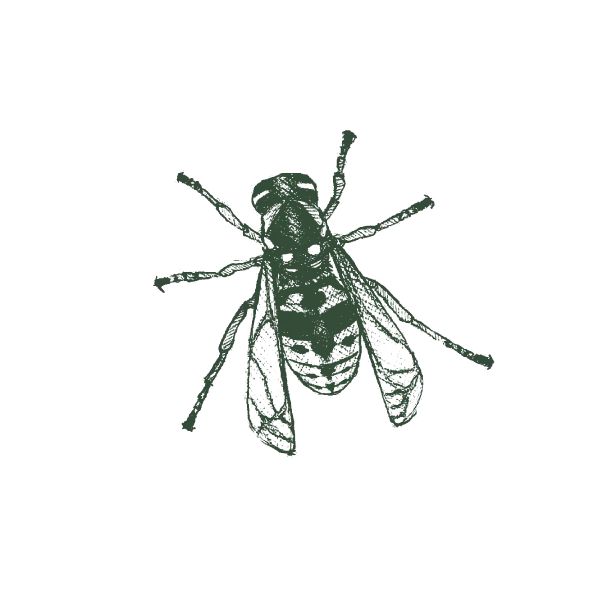
Wasp facts every homeowner should know
Wasps can sting more than once
Unlike bees, wasps don’t lose their stinger after attacking. This allows them to sting multiple times, making them more aggressive when they feel threatened.
Wasp activity peaks in late summer and early fall
As natural food sources decline, wasps become more aggressive and are more likely to interact with people while searching for sugary foods and drinks.
Wasps often nest in hidden areas around homes
Common wasp nest sites include eaves, attics, wall voids, trees, and underground spaces, making wasp infestations difficult to spot early.
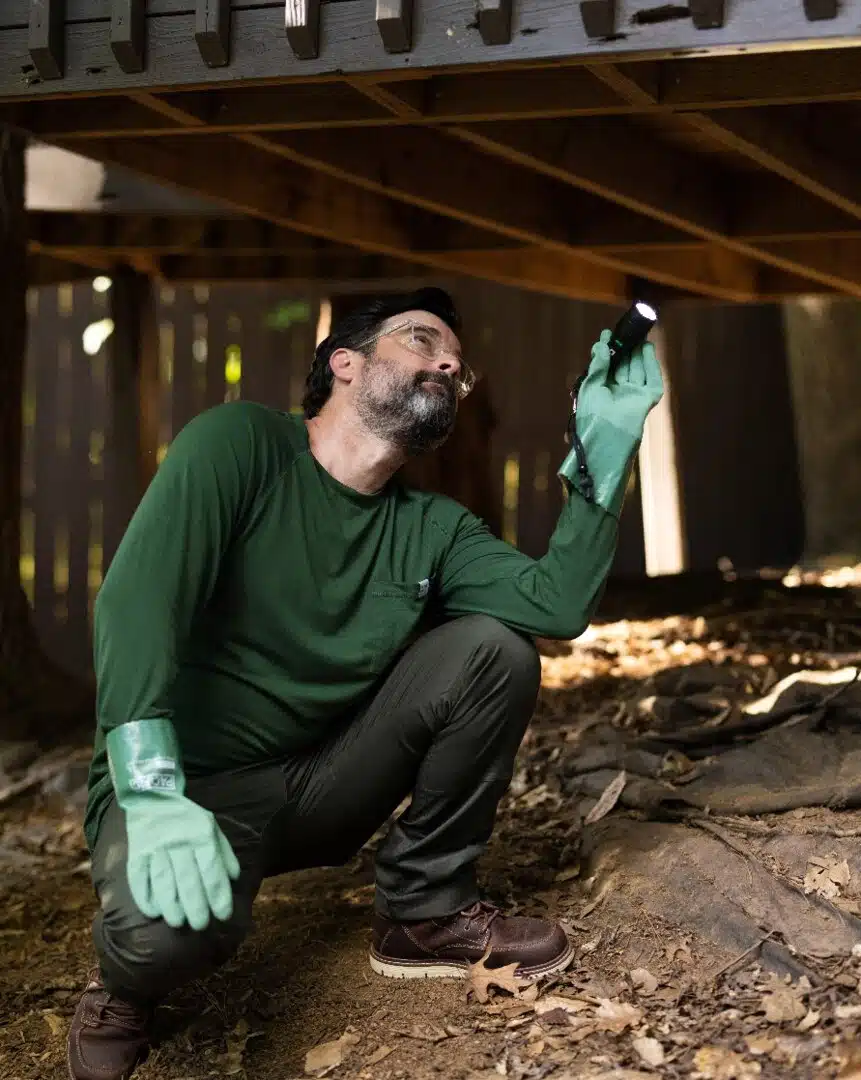
How we handle wasp control
Aptive’s wasp control experts identify and treat active nesting areas using targeted wasp treatments applied at the most effective times. Depending on the situation, treatments may include applying targeted products directly to active nests and surrounding areas where wasps enter and exit. When necessary, Aptive provides wasp nest removal to help reduce the chance of wasps returning. Our team uses specialized techniques and protective equipment to handle wasp removal in a safer and more effective manner compared to DIY options.
Since each property is unique, our wasp control experts take a customized approach to treatment. We listen carefully to your concerns, inspect your home for signs of a wasp nest, and develop a targeted plan to help protect your home and yard. We aim to provide peace of mind so you can make yourself at home again. Connect with your local Aptive team for specialized wasp control and experience reliable service.
Some wasp colonies can grow to include hundreds to thousands of individuals during peak season, especially in warmer months when activity is highest*.
If you’re dealing with wasps in your home, give Aptive a call and let our team help you take your space back.
What does a wasp look like?
Most wasps have slender bodies with a narrow waist that separates the thorax and abdomen, along with smooth, shiny exteriors and little to no hair. Many species display bold yellow and black markings, though some may appear reddish or brown. Wasps have long legs, noticeable antennae, and two pairs of transparent wings that fold along their bodies when at rest. Unlike bees, wasps can sting multiple times, making them a more persistent threat when disturbed. Different types of wasps vary in appearance, with some building visible paper-like nests while others prefer more hidden nesting areas around homes and structures.
What are signs of wasp infestation?
The most common indicator of an infestation is a consistent flight path of wasps returning to specific entry points like eaves, attic vents, or wall voids. You may also discover wasp nests in those areas. Listen for audible buzzing within walls and look for “scraped” patches on wooden fences or siding, which wasps use for nest material. Identifying these cues early helps prevent a colony from reaching an aggressive peak.
What causes a wasp infestation?
Wasp infestations are typically caused by easy access to food, water, and shelter. Open trash bins, sugary drinks, pet food, fallen fruit, and outdoor cooking areas attract wasps. They also build nests in protected areas like eaves, attics, wall voids, trees, and shrubs. As colonies grow in spring and summer, increased activity around your home can signal a developing wasp infestation.
How to get rid of wasps?
To get rid of wasps, seal entry points, remove food sources, and keep trash tightly closed to prevent return. Wasp removal involving large, hidden, or aggressive infestations should be handled by a professional wasp control service. Aptive’s pest control experts offer tailored wasp removal plans with thorough inspections and targeted services.