Wasp sting treatment typically starts with simple first aid steps to reduce pain, swelling, and irritation. Immediately wash the affected area with soap and water to remove venom, apply a cold compress to reduce swelling, and use an antihistamine or hydrocortisone cream to help relieve itching and inflammation. While minor reactions like redness and sharp pain typically subside within a few days, a wasp sting requires immediate medical attention if you experience signs of a severe allergic reaction.
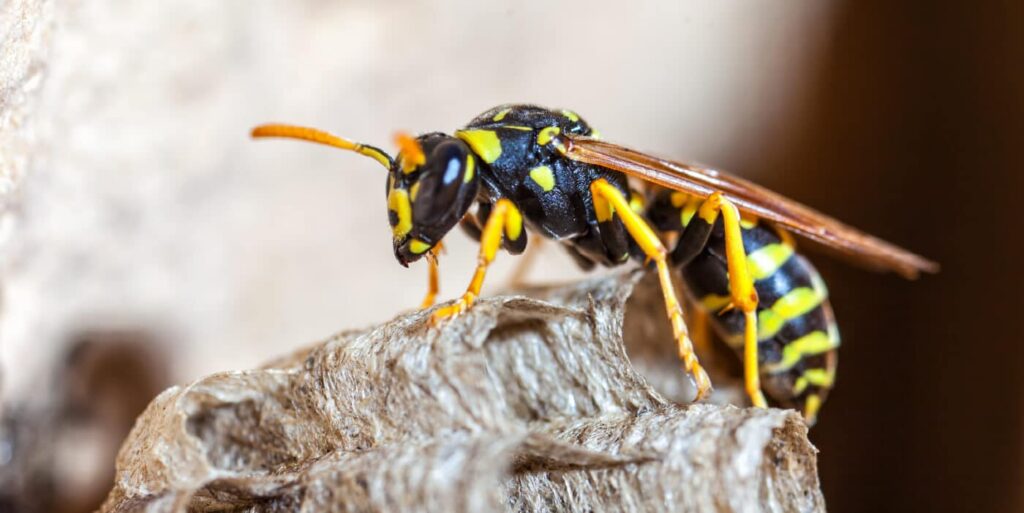
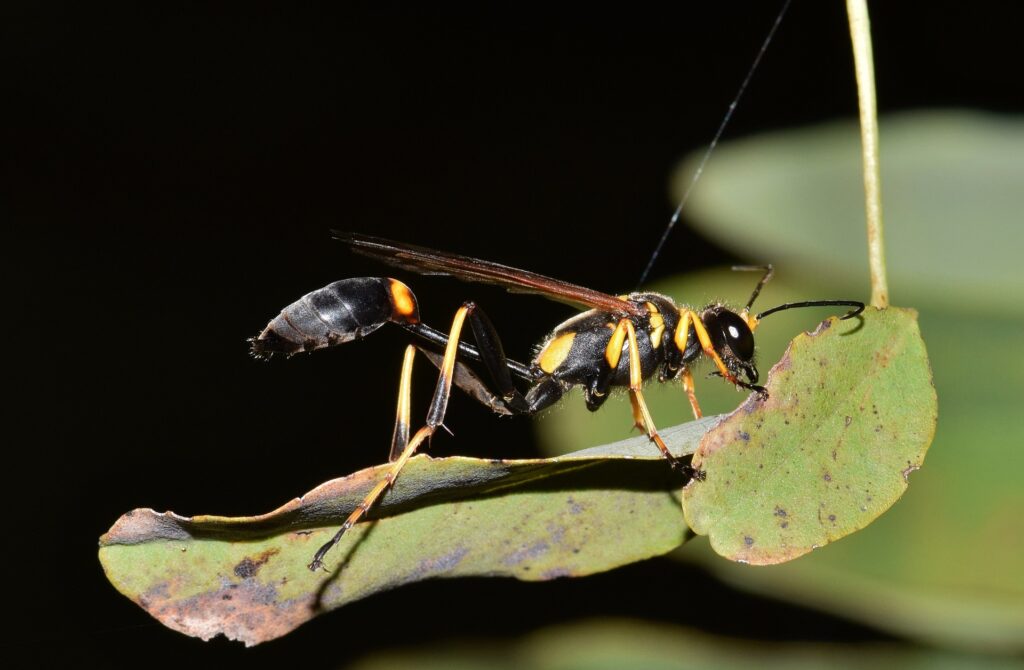
Wasps are common stinging insects most active during warmer months, often building nests in sheltered areas like porch ceilings, eaves, and deck railings. Unlike bees, wasps have smooth stingers that allow them to sting multiple times, releasing venom that can cause intense burning and localized welts. Knowing what to do after a wasp sting can help reduce discomfort and prevent secondary infections caused by scratching the site.
How to treat a wasp sting at home
The most effective treatment for a wasp sting depends on the severity of your reaction. If you are not allergic and experience a typical reaction, you can follow these steps for a wasp sting home remedy:
- Wash the sting area with soap and water to help remove any remaining venom and reduce the risk of infection.
- Apply a cold compress or ice pack wrapped in a cloth to the wasp sting for about 20 minutes to help reduce swelling and relieve pain.
- Keep the area clean and dry while it heals. A small bandage can be used if the skin becomes irritated or scratched.
- Use over-the-counter medications such as antihistamines or pain relievers if needed to help manage itching, swelling, or discomfort.
- Avoid scratching the sting site, as this can increase irritation and raise the risk of infection.
In addition, there are a few home remedies that can help reduce pain and swelling. For example, crushing a clove of garlic and spreading it on the wound can help reduce pain for both bee and wasp stings, though results can vary by individual.
Are wasp stings dangerous?
Although stings can be painful, most people recover quickly only with minor symptoms. Common wasp sting symptoms typically include:
- Immediate sharp pain
- Intense burning
- Itching
- Redness around the sting site
- Swelling/a raised welt at the sting site
Wasp stings can be dangerous for people who are allergic to the venom. A severe allergic reaction, known as anaphylaxis, can occur when the body goes into shock after exposure to the venom. Concerning wasp sting symptoms may include:
- Swelling of the face or throat
- Hives
- Dizziness
- Difficulty breathing
- Stomach cramps
- Vomiting
- Sudden drop in blood pressure
Although severe wasp sting reactions are rare, anyone with a history of allergies to insect stings should carry an emergency kit and seek immediate medical help if symptoms appear.
How to avoid wasp stings
Preventing wasp stings often begins with being aware of where wasps may build their nests. Wasps commonly nest under roof eaves, on porch ceilings, along deck railings, and in trees or shrubs around homes. Keeping outdoor areas clean and sealing cracks or gaps around your home can help reduce places where wasps may build nests.
When spending time outdoors, avoid swatting at wasps or disturbing nests, as this can trigger defensive behavior. Keeping food and drinks covered during outdoor gatherings may also help reduce unwanted encounters with wasps.
If you notice a wasp nest forming around your home, it’s best to safely address the issue early before the colony grows larger.
When to call a professional for wasp nest removal
Wasp nests located near homes, walkways, near outdoor gatherings, or underground can pose a risk of stings, especially for children or pets. Attempting a DIY removal can be dangerous because wasps may become aggressive when their colony is disturbed.
Professional pest control services have the specialized training and safety equipment needed to perform effective wasp nest removal and reduce future wasp activity around your home. Aptive Pest Control provides effective wasp control services and focuses on addressing both current activity and future infestations.
Wasp sting treatment FAQs
What does a wasp sting look like?
A wasp sting typically appears as a small, red, raised bump that may have a tiny puncture mark or white dot at the center. The area often becomes swollen, warm, and painful, with itching or irritation developing shortly after.
How long does a wasp sting last?
For minor reactions, the sharp pain typically subsides within 1-2 hours, while localized swelling and redness may continue for 2-3 days. If the swelling expands after 48 hours or you develop a fever, it may indicate a large local reaction or secondary infection.
What is the fastest way to heal a wasp sting?
Immediately wash the area with soap and water to remove as much wasp venom as possible, then apply a cold compress for 20 minutes to reduce inflammation. Use an antihistamine or hydrocortisone cream to help relieve itching and inflammation. Keeping the area elevated (if possible) and avoiding scratching can also help speed up recovery.
Can you put vinegar on a wasp sting?
Applying apple cider vinegar to a cotton ball and dabbing it on the sting site is common wasp sting treatment at home as the acidity of the vinegar is believed to help neutralize the alkalinity of wasp venom. This can provide a temporary soothing effect and reduce the initial sharp pain.
Bee sting vs. wasp sting – what’s the difference?
Bees have barbed stingers that get lodged in the skin, causing the bee to die after a single sting, while wasps have smooth stingers that allow them to strike multiple times. Additionally, bee stings are often accidental encounters while foraging, whereas wasp stings are frequently the result of a colony aggressively defending its nesting territory.
* The content in this article is provided for informational purposes only and is not intended as medical advice, diagnosis, or treatment. Always consult a qualified healthcare provider regarding any medical condition. Do not delay seeking emergency care for severe allergic reactions such as difficulty breathing or swelling of the face or throat. Individual reactions to wasp stings may vary, and no guarantees are made regarding the effectiveness of any treatment described. Home remedies mentioned are not medically verified and may cause adverse reactions.
Aptive Environmental LLC provides pest control services only and does not offer medical advice. The company is not liable for any damages or injuries resulting from the use of this information.