Have you ever noticed a red bump on your skin that is itchy and painful? If so, you might have been bitten by a flea. Fleas are tiny insects that feed on the blood of humans and animals, and their bites can cause discomfort and irritation. In this article, we will explore the topic of how flea bites happen, how to identify them, and how to control them.
Flea bites are caused by adult fleas that use their proboscis to bite and feed on human blood. These bites can result in bump that can be painful and take time to go away. The severity of the reaction can vary from person to person, with some people experiencing only mild symptoms while others may develop an allergic reaction.
Fleas are part of the insect family, which also includes mosquitoes and ticks. Their life cycle consists of four stages: egg, larva, pupa, and adult. Adult fleas can live for several months without feeding but require a blood meal before they can reproduce.
In recent years, flea bites have become a fad topic with many people sharing their experiences and remedies online. However, it’s important to note that not all information found online is accurate or safe. It’s crucial to seek advice from qualified professionals if you notice any concerning symptoms after being bitten by fleas or other insects. It’s also important to get pest expertise from a pest control provider with experience treating fleas to avoid any form of outbreak or infestation.
Treatment for Flea Bites
Flea bites can be annoying and painful, causing itching, swelling, and redness on the skin. Fortunately, there are various ways to treat flea bites that can help relieve discomfort and limit infection.
Over-the-Counter Creams and Ointments
One of the most common treatments for flea bites is using over-the-counter creams and ointments. These products contain ingredients such as hydrocortisone or calamine that help reduce inflammation and itching caused by flea bites. They come in different forms, including lotions, gels, sprays, and sticks.
When applying these products to the affected area, it’s important to follow the instructions carefully. Wash your hands before and after use, avoid getting the product in your eyes or mouth, and don’t apply it on broken skin or wounds.
Some popular brands of over-the-counter creams and ointments for flea bites include Benadryl Itch Relief Cream, Aveeno Anti-Itch Concentrated Lotion, Cortizone 10 Intensive Healing Formula, and Gold Bond Rapid Relief Anti-Itch Cream.
Antihistamines
Antihistamines are medications that block histamine receptors in the body. Histamine is a chemical released by the immune system in response to allergens like flea saliva. By blocking histamine receptors, antihistamines can reduce itching, swelling, and redness caused by flea bites.
Antihistamines come in two types: first-generation (sedating) antihistamines like diphenhydramine (Benadryl) or chlorpheniramine (Chlor-Trimeton), which can cause drowsiness; and second-generation (non-sedating) antihistamines like loratadine (Claritin) or cetirizine (Zyrtec), which are less likely to cause drowsiness.
Antihistamines are available over-the-counter or by prescription, depending on the type and strength. They can be taken orally in the form of tablets, capsules, or syrups. It’s important to follow the dosage instructions provided by your healthcare provider or on the label.
Cold Compresses
Applying a cold compress or ice pack to the affected area can also help relieve itching and swelling caused by flea bites. The cold temperature can numb the nerve endings in the skin, reducing pain and inflammation.
To make a cold compress, wrap some ice cubes or frozen vegetables in a towel or cloth and place it on the bite for 10-15 minutes at a time. Don’t apply ice directly to your skin as it can cause frostbite or damage.
Alternatively, you can use a cool bath or shower to soothe your skin. Avoid using hot water as it can worsen itching and dryness.
Prescription-Strength Corticosteroids
In severe cases of flea bites, where there is intense itching, swelling, and infection, prescription-strength corticosteroids may be necessary. Corticosteroids are anti-inflammatory medications that work by suppressing the immune system’s response to allergens like flea saliva.
Corticosteroids come in different forms such as creams, ointments, injections, pills, or inhalers. They should only be used under medical supervision due to their potential side effects such as increased risk of infections, high blood pressure, diabetes mellitus, osteoporosis (bone loss), cataracts (eye problems), and mood changes.
Examples of corticosteroids commonly used for treating flea bites include hydrocortisone valerate cream (Westcort), triamcinolone acetonide cream (Kenalog), prednisone oral tablets (Deltasone), dexamethasone injection (Decadron), and betamethasone dipropionate lotion (Diprolene).
What Do Flea Bites Look Like?
Flea bites are a common problem for both pets and humans. These pesky insects can cause itchy red bumps on the skin, which can be quite uncomfortable. In this article, we will discuss what flea bites look like and some important facts about these tiny pests.
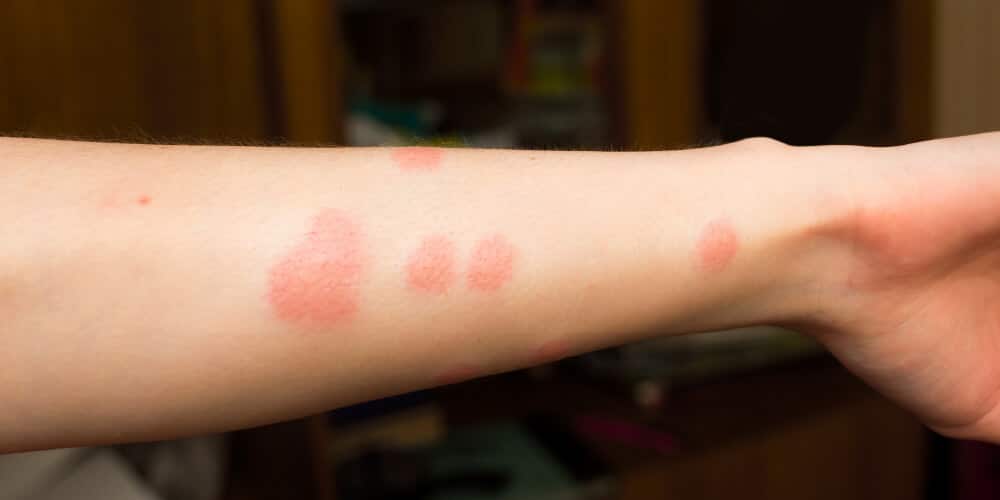
Flea Bites Appear as Red Bumps on the Skin
The most common symptom of flea bites is the appearance of small red bumps on the skin. These bumps may be surrounded by a red halo and can become quite itchy. In some cases, the bite may develop into a blister or pimple-like bump. The location and severity of the bite can vary depending on the individual’s sensitivity to flea saliva.
Flea Larvae Are Not Capable of Biting Humans
While adult fleas are known for their biting behavior, flea larvae do not have mouthparts that are capable of biting humans. However, they can still cause irritation and discomfort if they come into contact with human skin.
Chiggers Are Not Fleas but Can Cause Similar-Looking Bites
Chiggers are another type of mite that can cause itchy red bumps on the skin. While they are often mistaken for fleas, chiggers do not have wings or jump like fleas do. Instead, they crawl onto their hosts from tall grass or other vegetation.
Fleas Have Flat Bodies That Allow Them to Move Easily Through Hair and Fur
Fleas have flat bodies that allow them to move easily through hair and fur. This makes them difficult to spot until after they have bitten their host. They also have strong legs that enable them to jump up to 150 times their own body length.
Fleas Typically Bite on the Legs, Ankles, and Belly but Can Also Bite on Other Areas of the Body
Fleas tend to prefer areas where clothing fits tightly against the skin, such as the legs, ankles, and belly. However, they can also bite on other areas of the body, including the arms, neck, and face. In children, flea bites may be more common on the head and neck.
How a Flea Bite Forms a Bump
When a flea bites its host, it injects saliva into the skin to prevent blood from clotting. This saliva contains an anticoagulant that can cause an allergic reaction in some individuals. The body’s immune system responds by releasing histamine and other chemicals that cause inflammation and itching. Over time, this can lead to the formation of a red bump or welt.
Tips for Preventing Flea Bites
To limit flea bites, it is important to take steps to control fleas in your home and yard. This may include vacuuming regularly, washing bedding and pet bedding in hot water, and using flea treatments on pets. When spending time outdoors in areas with tall grass or other vegetation where chiggers may be present, wearing long pants tucked into white socks can help prevent bites.
Sources of Flea Bites
Flea bites are a common problem for pet owners and those living in areas with high flea populations.
Flea Saliva: The Culprit Behind Flea Bites
Flea saliva is the primary cause of flea bite irritation. When fleas bite, they inject their saliva into the skin to prevent blood from clotting. This anticoagulant allows fleas to feed on their host’s blood without interruption. However, it also causes an allergic reaction in many humans and pets.
The severity of a flea bite reaction depends on several factors, including the individual’s sensitivity to flea saliva and the number of bites received. Some people may experience only mild itching and redness after a single bite, while others may develop more severe symptoms after multiple bites.
To minimize the risk of flea bites, it is essential to identify and eliminate any fleas present in your home or on your pets.
Pets as Sources of Flea Bites
Pets are one of the most common sources of flea infestations in homes. When pets spend time outdoors or come into contact with other animals that have fleas, they can easily pick up these unwanted hitchhikers.

Once inside your home, fleas can quickly multiply and spread throughout your living space. They prefer warm, humid environments like carpets, bedding, and furniture upholstery.
It is crucial to keep your pets clean and groomed regularly to reduce their risk of picking up fleas. You should also vacuum carpets frequently and wash bedding in hot water to kill any eggs or larvae that may be present.
If you suspect that your pet has fleas or notice signs like excessive scratching or biting at their skin, consult with a veterinarian for treatment options.
Homes as Sources of Flea Bites
Fleas can also infest homes without the presence of a pet. These tiny insects can enter your home on clothing, shoes, or other items and quickly establish themselves in carpets, bedding, and furniture.
If you live in an area with a high flea population or have recently traveled to such an area, it is essential to take precautions to prevent fleas from entering your home.
One way to reduce the risk of flea infestations is to keep your living space clean and clutter-free. Vacuum carpets and floors regularly and wash bedding in hot water weekly. You may also consider using flea control products like sprays or foggers to kill any existing fleas.
Identifying and Treating Flea Bites on Humans
Symptoms of Flea Bites on Humans
In some cases, flea bites can cause an allergic reaction in humans. This may result in more severe symptoms such as hives, difficulty breathing, and swelling of the face or tongue. If you experience any of these symptoms after being bitten by fleas, it is important to seek medical attention from a healthcare provider immediately.
How to Treat Flea Bites on Humans
If you have been bitten by fleas, there are several steps you can take to alleviate your symptoms and prevent infection:
- Wash the affected area with soap and water: This will help reduce the risk of infection and remove any dirt or debris that may be present.
- Apply a cold compress: A cold compress can help reduce inflammation and relieve itching caused by flea bites.
- Use over-the-counter creams or ointments: There are several creams and ointments available that can help reduce itching caused by flea bites. Look for products containing hydrocortisone or calamine lotion.
- Avoid scratching: Scratching flea bites can lead to further irritation and increase the risk of infection. If you find it difficult to resist scratching, try covering the affected area with a bandage or cloth until it heals.
- Take antihistamines: Antihistamines can help reduce itching caused by flea bites, especially if you are experiencing an allergic reaction.
- Seek medical attention if necessary: If your symptoms are severe or do not improve with home treatment, it is important to seek medical attention from a healthcare provider.
Minimizing Flea Bites on Humans
Minimizing flea bites on humans is the best way to avoid the discomfort and potential health risks associated with these bites. Here are some tips to help prevent flea bites:
- Keep your home clean: Regularly vacuuming carpets, furniture, and bedding can help remove fleas and their eggs from your home.
- Treat pets for fleas: Fleas often enter homes through pets. Make sure your pets are treated regularly with flea medication to limit infestations.
- Wear protective clothing: If you are spending time outdoors in areas where fleas may be present, wear long-sleeved shirts, pants, and socks to protect your skin.
- Use insect repellent: Applying insect repellent containing DEET or picaridin can help repel fleas and other biting insects.
- Avoid contact with wild animals: Wild animals such as raccoons, squirrels, and rabbits can carry fleas into your yard or home. Avoid contact with these animals if possible.
- Call a pest control provider: pest control experts like Aptive have experience with fleas and have the means of treating them and keeping your home protected.
Signs of a Bad Flea Infestation
Flea infestations are a common problem for pet owners, and they can be difficult to control once they take hold. Here are some signs that you have a bad flea infestation:
Presence of Flea Dirt or Fecal Matter on Pets or in Their Bedding
One of the first signs that you may have a flea infestation is the presence of flea dirt or fecal matter on your pets or in their bedding. Flea dirt looks like small black specks and is actually dried blood from your pet’s skin. You can check for flea dirt by brushing your pet’s coat with a fine-toothed comb over a white surface. If you see any black specks fall onto the surface, then it is likely that your pet has fleas.
Adult Fleas Jumping on and off Pets
Another clear indication of an infestation is seeing adult fleas jumping on and off your pets. Adult fleas are about 1/8 inch long and reddish-brown in color. They are fast-moving and can be difficult to catch, but if you see them on your pets, then it is likely that there are many more hiding in your home.
Finding Flea Eggs in Carpets, Furniture, or Pet Bedding
If you find tiny white eggs in carpets, furniture, or pet bedding, then this is also a sign of a bad flea infestation. Flea eggs are only about 0.5 mm long and can be difficult to spot with the naked eye. However, if you look closely at areas where your pets spend time, such as their bed or favorite chair, you may be able to see them.
Itching and Scratching in Pets Due to Flea Bites
Finally, itching and scratching in pets due to flea bites can also be a sign of an infestation. When fleas bite, they inject saliva into the skin which can cause an allergic reaction in some pets. This can lead to intense itching and scratching, which can result in hair loss, skin infections, and other health problems.
Managing and Treating Flea Bites
Options for Managing Flea Bites
Flea bites are a common type of biting that can cause significant discomfort and irritation. there are several options available to help alleviate symptoms and reduce further complications.
One option is to use itch creams or lotions that contain ingredients like hydrocortisone or calamine. These products work by reducing inflammation and blocking the release of histamine, which is a chemical in the body that causes itching. Applying these creams directly to the affected areas can provide relief from itching and reduce redness.
Another option is to take oral antihistamines, such as Benadryl or Claritin. These medications work by blocking the effects of histamine in the body, which can help reduce itching and swelling associated with flea bites. It’s important to note that some antihistamines may cause drowsiness, so it’s best to check with your doctor before taking them.
Understanding Fleas on Humans and Practical Guidance on Treatment
While fleas predominantly target animals, human fleas can also be a significant nuisance. Understanding what fleas look like, their life cycle, and how they operate can drastically help in managing these pests. Fleas on humans can cause discomfort, shown by the typical small, itchy bumps known as flea bites. Flea bites on humans might not only be unpleasant but could also lead to allergic reactions. The best way to handle fleas includes regular bathing and washing of clothes, as well as using recommended flea treatment options from experts.
The Dangers of Scratching Flea Bites
While it may be tempting to scratch flea bites due to their intense itchiness, doing so can actually make things worse. Scratching can lead to further irritation and increase the risk of infection if bacteria from your hands enters the open wound created by scratching. Scratching can also cause more histamine release in the body, leading to even more itching.
To avoid scratching flea bites, try using cool compresses on affected areas or applying anti-itch creams as mentioned earlier. Keeping your nails trimmed short can help prevent accidental scratching.
Comparing Flea Bites to Other Types of Bites
Flea bites are often compared to other types of bites, such as bed bug bites or mosquito bites. While all three types of bites can cause itching and discomfort, there are some key differences between them.
Bed bug bites tend to be more clustered together in a line or zigzag pattern on the skin. They also often appear on exposed areas like the face, neck, arms, and hands. Mosquito bites tend to be more random in placement and can occur anywhere on the body that is exposed.
In terms of treatment options, itch creams and antihistamines can be used for all three types of bites. However, it’s important to note that flea saliva contains a chemical that can make itching worse than with other types of biting insects.
Reduce Flea Bites by Controlling Fleas
Flea bites are not only irritating but also harmful as they can cause severe itching, rashes, and even transmit diseases. The best way to stop flea bites is by removing fleas from your home. Here are some effective ways to control fleas and limit them from coming back.
Use a Flea Comb to Remove Live Fleas and Their Eggs from Your Pet’s Fur
A flea comb is an inexpensive yet effective tool for removing live fleas and their eggs from your pet’s fur. It has fine teeth that can trap fleas and remove them from your pet’s coat. To use a flea comb, start at the head of your pet and work towards its hind legs, making sure you cover all areas of its body. Dip the comb in hot water or soapy water after each stroke to kill the fleas.
Pest Control Treatments Can Help Get Rid of Fleas in Your Home and Yard
Pest control treatments such as sprays, powders, foggers, and insecticides can help control fleas in your home and yard. These treatments contain products that kill adult fleas, larvae, and eggs. However, it’s important to follow the instructions carefully when using these products as they can be harmful if used incorrectly.
Wash Bedding and Vacuum Carpets Regularly to Remove Fleas and Their Eggs
Washing bedding regularly with hot water can kill fleas and their eggs that may have infested your beddings. Vacuuming carpets frequently can also help remove any remaining live fleas or their eggs on the carpet fibers. Make sure you vacuum all areas of your house where pets usually stay or roam around such as couches, chairs, carpets, rugs, etc.
Conclusion: Understanding and Dealing with Flea Bites
Now that you have a better understanding of flea bites, it’s important to know how to deal with them. Treatment for flea bites includes washing the affected area with soap and water, applying anti-itch creams or lotions, and taking antihistamines to reduce itching.
Knowing what flea bites look like is crucial in identifying their source. Fleas can come from pets, wild animals, or even infested furniture. Identifying and treating flea bites on humans involves keeping the area clean and dry while using over-the-counter treatments.
Pets are also susceptible to flea bites, so it’s important to spot them early. Look for excessive scratching or biting as well as small red bumps on their skin.
Managing and treating flea bites involves not only addressing the symptoms but also treating the source of the problem – fleas themselves. This can involve using products on pets and around the home, vacuuming regularly, washing bedding frequently, and seeking professional pest control help if necessary.
Understanding how to deal with flea bites is essential in limit further complications. By taking action against both the symptoms and source of fleas, you can promote a more enjoyable home for both you and your pets. Don’t let these pesky bugs take over – contact professional flea control today!