For the millions of people living in urban apartments across the U.S., pests might seem like an inevitability. Cockroaches, ants, fleas, moths, spiders, mice and rats are all common apartment bugs and rodents. These pests come for the food, water, warmth and clutter—perfect pest conditions—that tiny apartments can easily provide.
Whether your rental is a tiny studio or a larger three-bedroom, learning about which pests to watch out for can help you prevent infestations and save your food, furniture and clothing from pest damage.
Why Apartments Are Prone to Bugs
Apartment buildings can be very attractive to bugs and rodents looking for food and shelter. Whether you live in a small building or one with dozens of units, pests will see your building as a buffet of potential crumbs, dirty dishes, water and cluttered corners for shelter.
It’s easy to let things pile up in a corner or closet because there’s just no room to put it anywhere else. But apartment insects gravitate to these areas to hide and reproduce. Small spaces can also be difficult to clean, despite having smaller floors and less furniture.
When the couch covers one third of the living room floor, it becomes tricky to vacuum or sweep. And how do you clean under the bed when there’s no place to move it to while you’re sweeping? The challenges of cleaning a small space can make an apartment more attractive to bugs.
Apartment buildings, with all of their advertised amenities, have their own perks for pests. With so many living spaces joined together, it’s easy for bugs and rodents to move from unit to unit through walls and under doors. And even if you’re dedicated to cleaning your floors and counters daily, the hallways and stairs outside your door might not be as well-maintained.
Most Common Apartment Bugs and Rodents
Ants
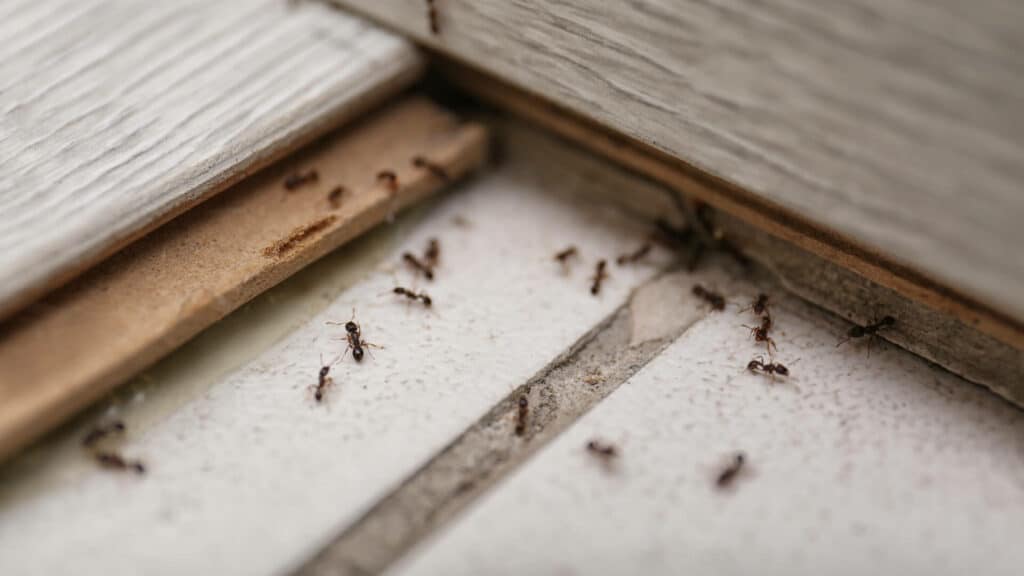
The most common pests in urban apartments (and most places) are ants. In fact, they are one of the top pests in households throughout the U.S. With hundreds of species living in colonies of thousands of ants each, these bugs are virtually everywhere. They frequently venture indoors in search of crumbs or food containers that are left open. Pheromone trails let them follow each other to the food source in their signature march.
Ants are tiny and often difficult to spot. You might not notice a stray ant or two on the floor. But a line of ants leading to a sugary spill or a bowl of pet food is hard to miss. Sweet foods are a favorite of ants, leading them to the garbage bag, onto counters and into the pantry.
Cockroaches
Cockroaches are the classic urban apartment pest. These incredibly resilient bugs thrive in cities because they have easy access to underground tunnels and thousands of apartment buildings for year-round shelter. Unfortunately, this means they frequently enter apartment buildings searching for food and water.
German cockroaches are the species most commonly seen in city apartments—they have two brown stripes running the length of their wings. Since they can’t survive in cold weather, winter temperatures put apartments at a higher risk of cockroach invasions.
The first places you might find cockroaches are bathrooms and kitchens, where there is easy access to water. Because of their small size, they can move from unit to unit through the plumbing. Roaches are extremely unsanitary, spreading bacteria as they search floors, sinks and countertops. It’s important to disinfect if you’ve seen a roach and contact a professional right away for effective cockroach control.
Rodents
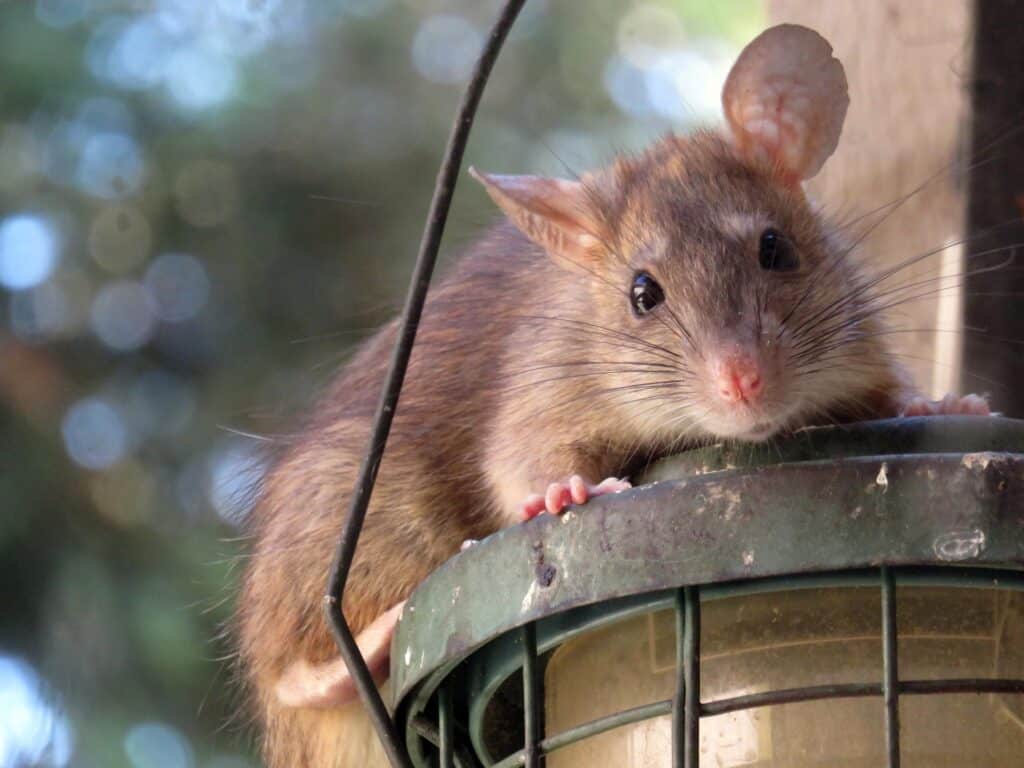
Rodents are some of the most unpleasant pests to find in your apartment. They’re fast, noisy, damaging to walls and furniture and can spread disease. Mice and rats are experts at chewing through tough materials, making it difficult to keep them out or control them once they’ve gotten inside.
Rodents’ favorite hiding places include inside cabinets, behind refrigerators and under furniture. They can destroy wiring in walls and ruin furniture in addition to contaminating food by chewing through cardboard boxes and plastic bags.
Rodents are a particular challenge in apartment buildings, where they can move from unit to unit through the walls. It’s often necessary for the building’s management to call professional pest control to stop the problem and prevent future rodent infestations.
Indian Meal Moths
Indian meal moths are one of the most common pests affecting stored food products. These tiny flying insects can create a huge problem in apartments, contaminating pounds of stored dry food with their larvae. Adult moths lay hundreds of minuscule eggs inside bags or boxes of dry food, such as flour and cereal. When the eggs hatch, the larvae eat the food in the containers and eventually emerge as adults, ready to lay their own eggs in more food items.
An infestation of Indian meal moths can grow quickly in an apartment and result in lots of discarded food items. These moths are tiny and able to hide in very small areas. Managing meal moths on your own requires discarding all of the infested food and thoroughly cleaning every crack and crevice in cabinets, jars, cans and any other items that were near the contaminated area.
Fleas
Fleas are the nightmare of any pet owner but you don’t have to have a dog or cat to suffer from a flea infestation. City apartments change owners frequently and although you might not have a pet, it’s possible a previous tenant did. Fleas can infest furniture and bedding in addition to human and pet hair, so that vintage loveseat you or a previous tenant bought might have brought fleas into the apartment with it.
Fleas are extremely tiny—only about 1/8 inch long—and difficult to remove once they’ve gotten into an apartment. It takes dedicated cleaning and vigilance to treat a flea infestation on your own. You’ll feel much better calling professional pest experts to control fleas in your apartment.
Spiders
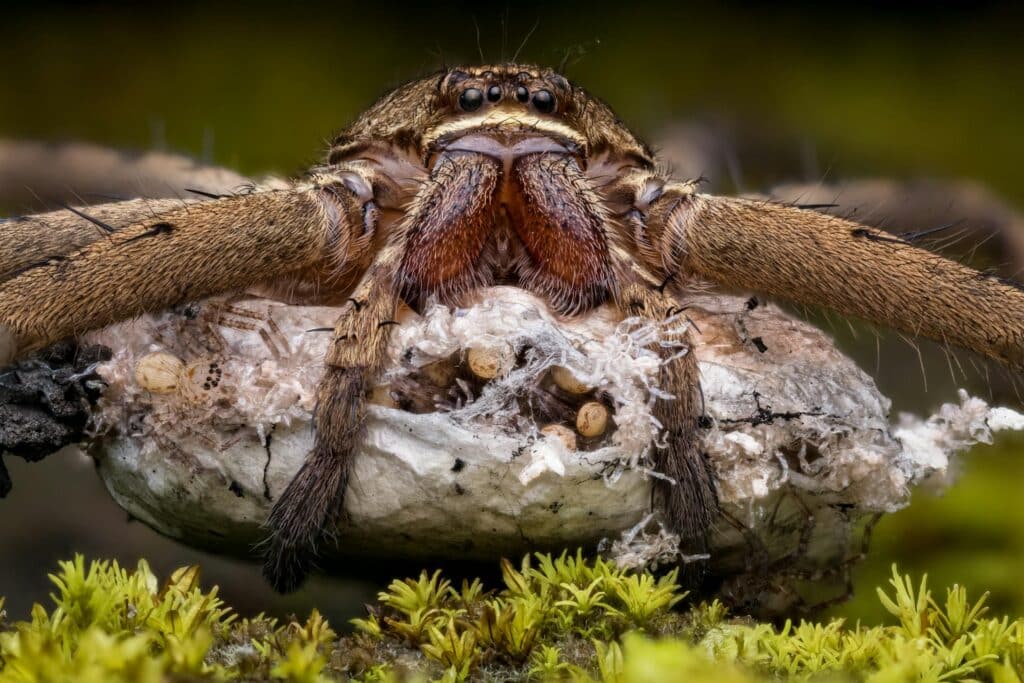
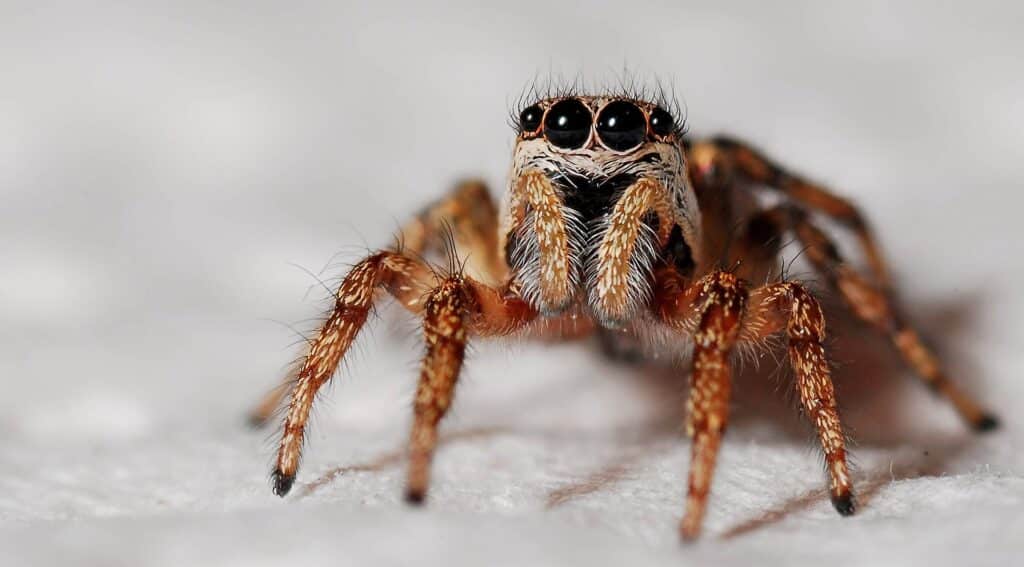
Spiders live in homes and apartments all over the world. These terrifying arachnids are actually the least damaging pests on this list. Although spiders can bite and a few species are venomous, most spiders aren’t harmful to humans. All spiders primarily stay away from humans to keep themselves from us—that’s why they’re often found in cluttered closets or other out-of-reach places.
Spiders build webs to catch prey, so they’re more likely to live near entrances where bugs will wander inside and get caught in their webs. Because they hunt other pests, spiders can help control pest populations.
However, despite their relative harmlessness, spiders are certainly not welcome in apartments. Spider control is about your peace of mind and feeling comfortable in your home. If you think you’ve found a venomous brown recluse or black widow spider in your apartment, call a pest professional to inspect for more.
Tips to Keep Apartment Bugs Out
With some minor changes to your daily routine, you can keep apartment insects and rodents away from your things.
Clean floors as often as you can stand
Don’t put off vacuuming one more day. Whether you have carpeting, hardwood, tile floors or a combination, vacuum, sweep and mop as often as possible. Even if your tiny living room is 50% corners that are not easily accessible, you must clean the crumbs and dust that can accumulate against walls, around furniture and behind clutter.
Organize to remove clutter
Speaking of accumulating dust, cluttered areas of a small apartment can attract insects and rodents looking for a place to hide. They’ll also make cleaning more difficult, which is the best way to stop cleaning altogether.
Seal foods tightly
Being cautious when buying groceries is an important step in preventing an Indian meal moth infestation. Don’t purchase food with dusty or damaged packaging. Store dry foods in glass or metal containers that seal tightly to keep these pests out and save your ingredients from pest invasions.
Close up your doorway
If the hallways and stairs in your building aren’t as squeaky clean as your own floors, your apartment is still at risk. Bugs and rodents can squeeze through remarkably small openings—the gap under your door is probably more than enough for common apartment pests.
You can solve this problem with weatherstripping or a draft stopper that slides under the door. This solution is especially helpful in the winter. In addition to keeping heat inside your apartment, you’ll also create an extra line of defense against curious bugs looking for warmth.
Call Aptive Pest Control
If you notice any of these common bugs and rodents in your apartment or if you just want better peace of mind, call your local Aptive Pest Control branch for a free quote on professional, award-winning pest control.