Call Now and Ask About the Winter Deal While it Lasts →

Call Now and Ask About the Winter Deal While it Lasts →

Sign-in to Account
Call Us

(855) 948-5816

aptive_pest_control_lockup-white

Find Service Area

Do Pests Hibernate or Migrate in Winter?

Written by Aptive Pest Control December 9, 2019

Updated February 10, 2026

Have you ever wondered where bugs go in the winter? Or perhaps you’ve noticed an uptick in insects around your home as temperatures drop. These occurrences can often be explained by overwintering—a natural process that helps insects survive through the winter season. Let’s explore what insect overwintering is and how it might affect your home.

What Is Insect Overwintering?

Insects have developed fascinating strategies to endure winter’s challenges. Overwintering can occur at any stage of their lifecycle, from eggs to adults, and it typically involves one of two methods: hibernation or migration. While some insects migrate to warmer climates, most rely on hibernation, becoming inactive to conserve energy until spring. The specific approach depends on the species and its stage of development.

How Insects Overwinter

Adults

Many adult insects seek shelter under tree bark, rocks, piles of leaves, or even inside buildings to escape the cold. Once they’ve found a safe spot, they hibernate, pausing most activity until warmer weather returns. Common household bugs like spiders and certain other insects may use your home as a refuge.

Larvae

Some insects overwinter as larvae, burrowing into soil or hiding under dense leaf litter. Certain species can even produce a natural antifreeze to survive freezing temperatures, replacing the water in their bodies with protective compounds.

Pupae and Nymphs

Insects in the pupal or nymphal stage may continue to grow and develop during the winter, emerging as adults when spring arrives. Some nymphs even thrive in underwater habitats, surviving beneath frozen surfaces.

Eggs

Though many insects lay fewer eggs during winter, those that do often place them in well-protected environments like soil or hidden crevices. These eggs hatch when conditions become favorable in spring, ensuring the continuation of the species.

How Overwintering Insects Find Food

Food scarcity is a challenge for overwintering insects. Many rely on nutrient-rich microhabitats such as soil, decaying wood, or even plant material. However, others avoid the issue entirely by entering a dormant state where they don’t require food until spring.

Managing Overwintering Insects in Your Home

While most insects that make their way indoors during winter pose a smaller risk and may even be beneficial, having them inside your home can still be an inconvenience. Fortunately, there are steps you can take to help manage this.

Pest Control Tips

  1. Seal Entry Points: Inspect your home’s foundation, doors, and windows for cracks or gaps. Use caulk or weatherstripping to seal these openings. Don’t forget to check around chimneys and pipes.
  2. Install Screens: Ensure window screens and door sweeps are in good condition to keep insects out.
  3. Outdoor Maintenance: Before the cold weather sets in, clear away leaf litter, woodpiles, and other debris near your home that might attract insects.

Handling Insects Already Inside

If bugs do find their way indoors:

  • Vacuum Them Up: Use a vacuum to remove insects safely.
  • Use Traps: Place insect traps in areas where you notice activity.
  • Consult Professionals: If overwintering insects become a recurring issue, consider reaching out to a professional pest control company for assistance.

Common Overwintering Insects

Several types of insects are known to overwinter, and some may seek shelter in your home:

  • Stink Bugs: These grayish-brown insects often gather in warm, sunny areas of a home such as attics and kitchens.
  • Asian Beetles: Frequently mistaken for ladybugs, these red or orange beetles with black spots are drawn to well-lit areas.
  • Boxelder Bugs: Black insects with red or orange markings often congregate in sunny spots inside homes.
  • Cluster Flies: Attracted to light, these gray flies may end up in upstairs rooms or attics as they search for warmth.

While most overwintering insects pose little risk, keeping them out can help maintain a more comfortable and enjoyable home during the colder months. By taking proactive measures, you can reduce the likelihood of seeing these winter visitors inside your living spaces. For additional support, reach out to your local Aptive branch for assistance in protecting your home from pests year-round.
Curated articles for you, from our pest experts.

Close-Up Of A Yellow Jacket Wasp With Yellow And Black Markings, Perched On A Paper-Like Nest, Highlighting Its Body Structure And Nest-Building Behavior.

7 Most Common Pests in Washington State and What to Know

From damp coastal areas to wooded neighborhoods and growing suburbs, many pests in Washington State are simply part of the environment in which homeowners live. But not every pest sighting is a problem. Some pests appear briefly during seasonal changes, while...

Jan 21, 2026
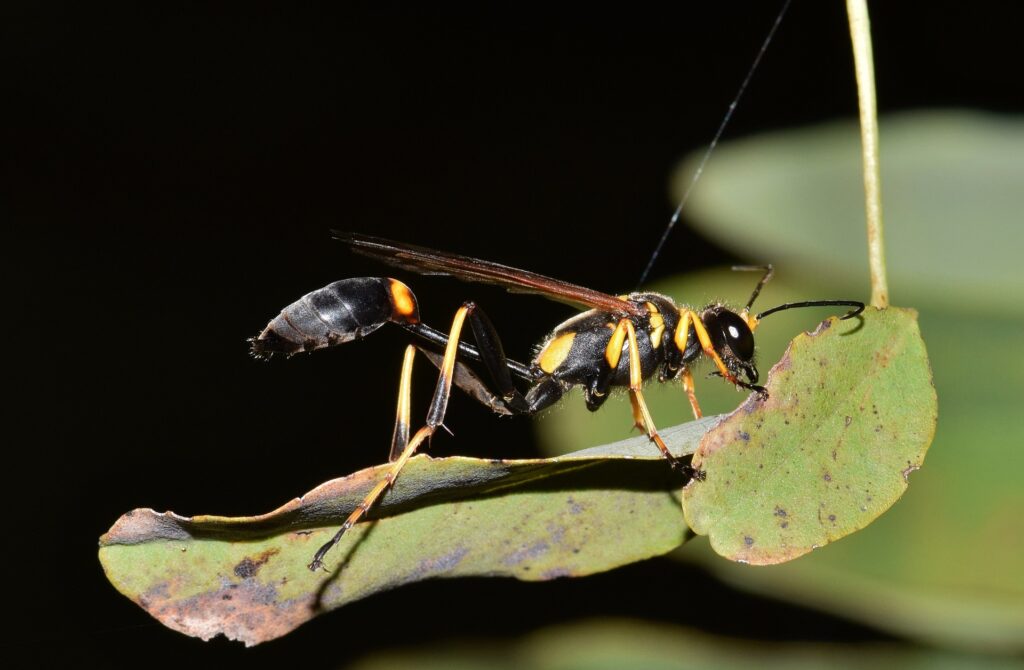
A Close-Up Image Of A Black And Yellow Mud Dauber Wasp (Sceliphron Caementarium) Perched On A Green Leaf. The Wasp'S Slender Body And Long Legs Are Highlighted Against A Dark Background, Showcasing Its Vivid Yellow Patterns And Distinctive Elongated Abdomen.

15 Most Common Household Pests in Tennessee: Homeowners’ Guide

Tennessee’s warm summers and naturally humid conditions make it an active environment for insects and other pests. From suburban neighborhoods to rural properties, pest activity is often influenced by moisture, vegetation, and easy access to shelter. Seeing pests...

Jan 19, 2026
A Close-Up Image Of A Green Grasshopper Perched On A Leafy Plant Stem, Showing Its Textured Body, Long Antennae, And Folded Wings In Sharp Detail.

10 Common Garden Pests in the Midwest​: What Homeowners Should Know

Gardens throughout the Midwest reflect the region’s changing seasons. Along with plants and flowers, these outdoor spaces also support a variety of insect activity. Seeing pests in or around garden areas doesn’t automatically signal a problem. In many cases, it’s a...

Jan 19, 2026
A Close-Up Image Of A Brown Roof Rat Perched On A Weathered Green Metal Lantern, With Its Large Ears, Long Whiskers, And Inquisitive Eyes Facing The Camera. The Background Is Softly Blurred With Dappled Light And Trees.

The Top 5 Most Common Pests in California

California's Mediterranean and semi-arid climates with mild winters, extended warm seasons, and diverse microclimates create ideal conditions for numerous pest species remaining active year-round unlike temperate regions experiencing winter dormancy reducing pest...

Jan 19, 2026
A Close-Up Image Of A Large Spider Guarding Its White Egg Sac With Spiderlings And Unhatched Eggs Inside, Resting On A Mossy Forest Floor.

The Top 10 Most Common Arachnids in the Southeastern U.S.

Warm temperatures, seasonal humidity, and diverse landscapes make the Southeast an ideal environment for a wide range of arachnids. While spotting them indoors can feel unsettling, most species are simply passing through or seeking shelter as conditions change...

Jan 14, 2026
Close-Up Image Of A Jumping Spider With Large, Prominent Eyes, Covered In Fine Hairs, Standing On A White Surface.

The 8 Most Common Pests in Texas and What to Know About Them

Texas hosts an exceptional diversity of pest species due to its vast size, varied climates, and geographic position spanning subtropical Gulf Coast regions to arid western deserts, creating favorable conditions for numerous insects, arachnids, and rodents...

Jan 14, 2026
A Close-Up Macro Photograph Of A Mosquito Standing On The Edge Of A Green Leaf, With Detailed Focus On Its Slender Legs, Wings, And Long Proboscis, Surrounded By Softly Blurred Greenery In The Background.

The 7 Most Common Pests in Florida and What to Know About Them

Florida’s warm climate and lush landscapes make it a beautiful place to live, but they also create ideal conditions for pest activity. For many homeowners, seeing insects or rodents around the house isn’t a sign of neglect. It’s simply part of living in a state...

Jan 14, 2026
Close-Up Of A Japanese Beetle On A Green Leaf With Dew Droplets On Its Back.

4 Pests Living in Your Garden

When noticing unexplained plant damage, wilting foliage, or mysterious holes in garden leaves, identifying the responsible pests in garden environments is crucial for implementing appropriate control measures and protecting your landscape investment.  Gardens...

Dec 17, 2025
A Close-Up Of Several Small Black Ants Crawling Along The Edge Of A Wooden And Tiled Surface.

4 Insects That Are Hard to Get Rid Of

When experiencing recurring pest problems despite repeated pest control attempts, understanding which insects demonstrate greatest persistence is crucial for implementing appropriate comprehensive strategies rather than ineffective quick fixes.  Certain hard to get...

Dec 17, 2025
A Detailed Close-Up Of A Cicada Perched On A Green Leaf, Displaying Its Intricate Wings And Textured Body Against A Vibrant, Blurred Background.

What Is the Definition of Insect?

When encountering small arthropods in homes and attempting to identify them for appropriate control measures, understanding the scientific definition of insect is crucial for distinguishing true insects from other superficially-similar creatures requiring different...

Dec 11, 2025

Take back your home with pest control today.