Pests don’t always hide completely out of sight—they leave behind clues of their presence. If you’ve noticed subtle trails along your baseboards or greasy smudges in your kitchen, you could be looking at clear signs of pest activity.
These trails and tracks indicate that pests are regularly moving through your living space. The longer you wait to address these warning signs, the worse the infestation can become. Understanding what to look for and knowing how to act quickly could help you prevent serious damage to your home.
Why Pest Trails Matter
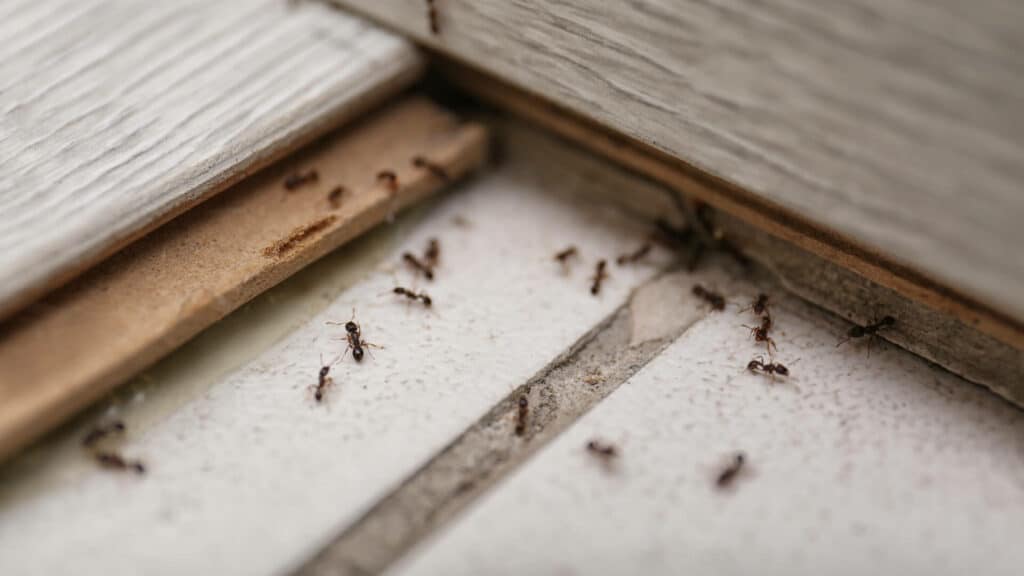
When pests travel through your home, they create distinctive paths that serve specific purposes. Ants follow invisible pheromone trails that lead directly to food sources. Rodents leave behind dirt marks and urine trails as they move along walls. Even cockroaches drag debris as they travel from one location to another. These aren’t just random smudges or specks of dirt—they’re evidence of an active, ongoing problem.
Ignoring these telltale signs allows pests to become more established in your home. As their numbers increase, so does the amount of waste they produce, the damage they cause to wiring and structures, and the contamination they spread throughout your living spaces. If you’re seeing these signs, it’s safe to assume the problem is already more extensive than what’s immediately visible.
Common Pest Tracks and What They Mean
Here are common signs of tracks from pests and how they might indicate which type of pest you are dealing with.
Greasy Marks on Walls and Floors
Rodents have naturally oily fur that leaves dark smears on baseboards and around entry points as they repeatedly travel the same routes. If you notice these distinctive stains, it’s a strong indication that mice or rats are running along the same pathway daily. These established routes typically lead to nesting areas and food sources they’ve discovered inside your home.
Fine Dirt or Smudges Along Baseboards
Cockroaches and ants often leave behind tiny dirt smudges in areas they frequently travel. These pests don’t just walk—they crawl through filthy environments, bringing harmful bacteria into your living spaces. When you see dirt streaks along cabinets or countertops, it means these pests are actively moving through your home, potentially contaminating surfaces along the way.
Tiny Footprints in Dust or Flour
Both rodents and various insects leave behind distinctive footprints when they walk across dusty surfaces or areas with fine powders like flour. Take time to check near pantries, under sinks, or along garage walls where dust might accumulate. If you discover tiny, repeating footprints in these areas, it’s a clear indication that pests are present and actively moving through your home, typically during nighttime hours when the house is quiet.
Urine or Droppings in Hidden Areas
Rodents consistently leave droppings in areas they frequent, creating a trail of evidence that points to their regular routes. Finding droppings near food storage, under furniture, or inside cabinets indicates regular pest activity in those locations. The more droppings you find concentrated in a particular area, the closer you likely are to their nesting site.
The Risks of Ignoring Pest Activity
Ignoring pest trails can lead to increasingly significant problems over time. Pests don’t simply go away on their own—they continue to breed rapidly, contaminate food sources, and cause property damage. The longer you delay addressing these warning signs, the more extensive—and expensive—the problem inevitably becomes.
This is why it might be a good idea to consult a professional pest control service to see if you need certain types of treatment in order to get rid of the problem.
Structural Damage
Rodents constantly gnaw on wires, insulation, and wooden structures throughout your home. Their persistent chewing can lead to dangerous electrical fires and significantly weakened structural components.
Carpenter ants burrow into wood, causing progressive damage that might not be immediately obvious. Ignoring these pest tracks could mean facing costly structural repairs in the future.
Food Contamination
If pests can access your food storage areas, they’re likely walking through your food supplies regularly. These unwanted visitors leave behind saliva, urine, and harmful bacteria on everything they touch. Even packaged food isn’t safe if determined pests chew through boxes or bags to reach the contents inside. This contamination can lead to serious health issues for you and your family.
Pest Track Prevention and Immediate Action
Here are some ways you can avoid attracting pests to your home
Inspect Regularly
Make it a habit to check baseboards, cabinets, and hidden areas of your home for pest trails at least monthly. Use a flashlight to more easily spot smudges, droppings, or footprints that might otherwise be missed. The sooner you catch signs of a developing pest issue, the easier and less expensive it will be to resolve.
Seal Entry Points
Take time to thoroughly examine your home for gaps around doors, pipes, and windows where pests might enter. Remember that rodents and insects can squeeze through surprisingly small openings—mice can fit through holes as small as a dime. Use appropriate materials like steel wool, caulk, or weather stripping to effectively block these access points.
Eliminate Food Sources
Store all food in airtight containers that pests can’t easily access. Keep counters clean of crumbs and food residue, and take out trash regularly to remove potential attractants. Pests tend to stay where they can reliably find food, so eliminating these sources is a powerful deterrent that can help prevent them from settling in your home.
Get Professional Help
Once pests have established regular trails through your home, it’s unlikely that the problem will resolve itself without intervention. Professional pest control services can provide the expertise needed to effectively manage the issue and prevent future infestations.
Our pest control specialists can thoroughly inspect your home to identify all pest entry points and active areas of infestation. We’ll create a customized treatment plan based on the specific pests affecting your home and the extent of the problem. Get a free quote today to learn how we can help protect your home from further pest damage.