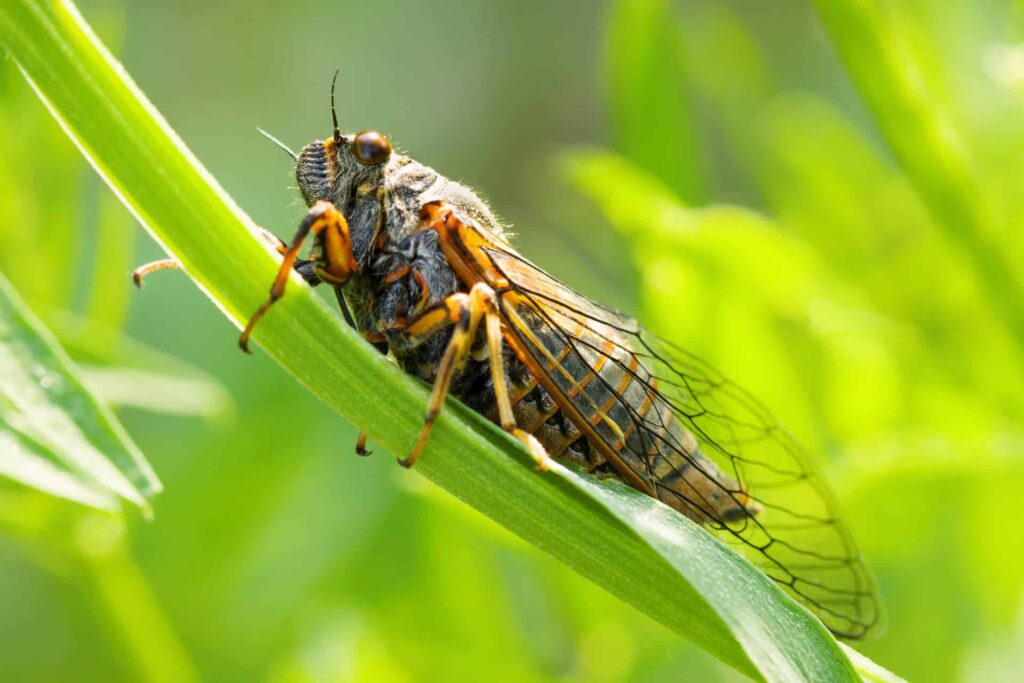
You observe dramatic changes in pest activity levels throughout the year—periods with minimal pest presence alternating with sudden population surges—suggesting seasonal environmental factors trigger coordinated shifts in pest reproduction and behavior rather than random fluctuations.
Temperature changes drive pest life cycle timing through direct effects on metabolic rates, development speeds, and survival, with seasonal temperature swings triggering synchronized breeding when conditions become favorable, inducing dormancy during unfavorable periods, and creating predictable activity peaks during spring emergence, summer reproduction, and fall invasion events as pests seek overwintering sites.
The direct relationship between temperature and pest development creates both challenges—rapid population growth during warm periods—and opportunities—targeting treatments during predictable seasonal transitions.
How Temperature Shapes Insect Lives
Most pest insects are ectothermic (cold-blooded), meaning their body temperatures match environmental conditions, with metabolic rates and all biological processes directly influenced by ambient temperature.
- Metabolic temperature dependence: Insect enzyme function, digestion, movement, and reproduction all accelerate as temperatures increase within species-specific optimal ranges, typically 20-35°C (68-95°F) for common household pests. Development time from egg to adult can decrease by 50-70% when comparing cool conditions (15°C/59°F) to warm conditions (30°C/86°F).
- Degree-day accumulation: Insect development progresses based on accumulated heat exposure above species-specific thresholds rather than calendar time. For example, German cockroaches require approximately 600 degree-days above 15°C (59°F) to complete development, achievable in 30 days at 30°C or 60+ days at 22°C, explaining why indoor populations maintaining consistent warmth reproduce continuously while outdoor populations show seasonal cycles.
- Breeding rate impacts: Female fecundity (egg production) increases with temperature, with many species producing 2-3 times more offspring under warm versus cool conditions. Generation time—the period from birth to reproductive maturity—shortens dramatically with warmth, enabling 2-4 generations annually in temperate climates versus 6-12+ generations in tropical regions or heated indoor environments.
- Activity thresholds: Most pests demonstrate minimum activity temperatures below which movement, feeding, and reproduction cease. Common thresholds include 10-15°C (50-59°F) for many ant species, 15-18°C (59-64°F) for cockroaches and flies, and 13-16°C (55-61°F) for mosquitoes, explaining reduced winter activity in unheated spaces and outdoor environments.
Breeding Cycles and Seasonal Triggers
Temperature increases during spring trigger coordinated emergence from overwintering dormancy and initiation of breeding activity, creating predictable seasonal population surges.
Many insects survive winter in dormant states—either as eggs, pupae, or inactive adults—that resume development when temperatures consistently exceed species-specific thresholds. This creates synchronized emergence events where large portions of populations become active within narrow timeframes spanning days to weeks.
Species including Asian lady beetles, boxelder bugs, and various stink bugs aggregate in protected locations (attics, wall voids, tree bark) during fall, entering dormancy that persists through winter. Spring warming above 15-20°C (59-68°F) for several consecutive days triggers emergence, with insects exiting overwintering sites creating noticeable activity as they disperse outdoors.
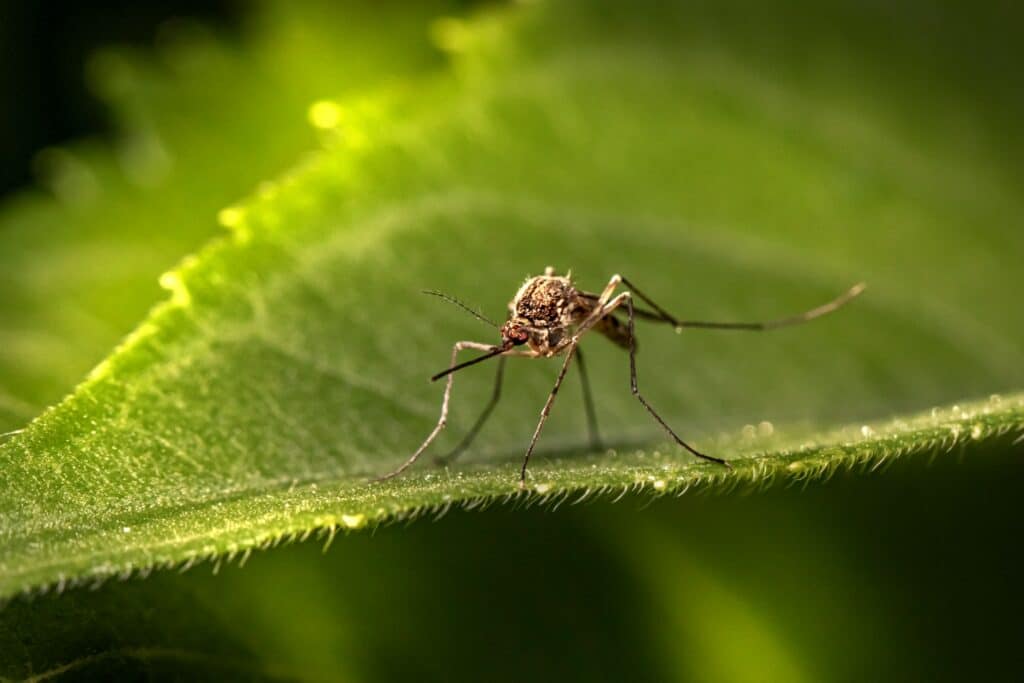
Mosquito eggs deposited the previous season in depressions, containers, or wetland areas remain dormant through winter, hatching synchronously when spring temperatures exceed 15-18°C (59-64°F) and water becomes available through snowmelt or spring rains. This produces dramatic mosquito population explosions within 7-14 days of favorable conditions.
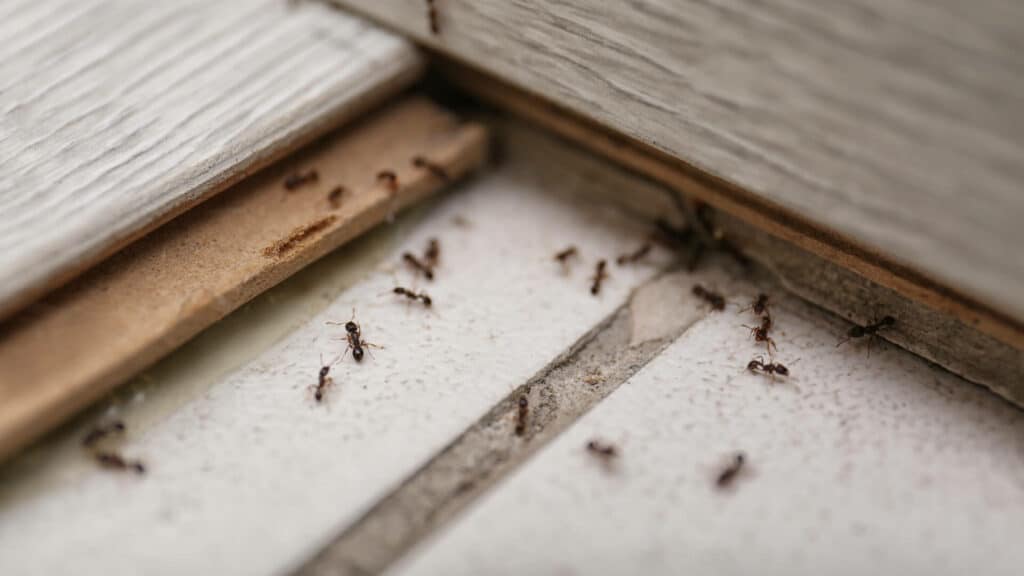
Ground-nesting ants including pavement ants and various other species emerge from underground colonies when soil temperatures reach 15-20°C (59-68°F), with winged reproductives (alates) often swarming during first warm periods coinciding with appropriate humidity levels.
Dormancy: Nature’s Way of Pressing Pause
Various dormancy strategies enable pests to survive unfavorable winter conditions, with different species entering suspended development at specific life stages positioned for spring resumption.
- Diapause: Many insects enter diapause—a programmed developmental arrest triggered by environmental cues including temperature and photoperiod—that enables survival through extended unfavorable periods. Diapausing insects demonstrate arrested development, reduced metabolic rates, and cold tolerance enabling survival of temperatures that would prove lethal to active individuals.
- Quiescence: Unlike diapause, quiescence represents simple temperature-driven inactivity without physiological preparation, with activity resuming whenever temperatures rise sufficiently. Indoor pests in heated environments may experience temporary quiescence during brief cold exposures but avoid true diapause, enabling year-round activity in climate-controlled spaces.
- Life stage variation: Different species overwinter at specific life stages—some as eggs (mosquitoes, certain moths), others as larvae or pupae (many beetles and flies), and some as adults (lady beetles, boxelder bugs). The overwintering stage influences survival rates and spring emergence timing.
- Microhabitat selection: Overwintering success depends critically on microhabitat selection, with survival highest in locations maintaining stable temperatures above freezing with adequate moisture and protection from predators and environmental extremes.
Summer Heat Can Accelerate Reproduction
Sustained warm temperatures during summer months create optimal conditions for pest reproduction, enabling multiple rapid generations that amplify populations to seasonal peaks.
Summer temperatures of 25-35°C (77-95°F) maximize development rates for most pest species, with generation times decreasing to minimum durations enabling 3-5 generations between May-September in temperate regions. This rapid turnover combined with high survival rates creates population explosions.
- Fruit flies: Complete development in just 8-10 days at 25°C (77°F), enabling population increases from tens to thousands within a month when breeding substrates (fermenting fruit, organic waste) remain available. Summer outdoor populations continuously invade indoor spaces, supplementing any resident indoor populations.
- Flies and cockroaches: House flies develop from egg to adult in 7-10 days during summer heat, with females producing 400-600 eggs enabling exponential growth when organic matter supports larval development. German cockroaches in climate-controlled indoor environments maintain year-round reproduction but show activity peaks during summer when outdoor populations invade.
- Ants: Colony growth accelerates during summer as warm temperatures support rapid brood development and increased foraging efficiency. Many species produce winged reproductives during mid-late summer, with mating flights creating temporary swarms and establishing new colony locations.
Managing Pests Throughout the Year
Understanding temperature-driven pest cycles enables strategic timing of prevention and control measures targeting vulnerable periods when interventions from a pest control company prove most effective.
- Spring prevention: Implementing exclusion measures sealing entry points and applying perimeter treatments during early spring prevents establishment of outdoor populations attempting to enter structures, intercepting pests before indoor breeding begins.
- Summer monitoring: Regular inspection and monitoring during peak breeding periods detects infestations early when populations remain small and manageable, before exponential summer growth creates overwhelming numbers requiring intensive interventions.
- Fall exclusion focus: Prioritizing structural sealing and barrier treatments during September-November prevents overwintering pest entry, eliminating populations before they establish protected indoor aggregations difficult to access during winter dormancy.
- Year-round indoor management: Climate-controlled indoor environments supporting continuous pest activity require sustained management regardless of season, with cockroaches, ants, and stored product pests breeding continuously in heated spaces.
Why You Might Want to Contact a Professional
Professional pest control service providers develop seasonal service schedules aligned with pest biology, implementing prevention before predictable seasonal surges, targeting treatments during vulnerable life stages, and adjusting strategies based on weather patterns and observed pest activity trends.
For properties experiencing seasonal pest surges, dealing with new pest types appearing during specific times of year, or seeking proactive management preventing problems before they develop, contact Aptive today for a free quote and expert evaluation.