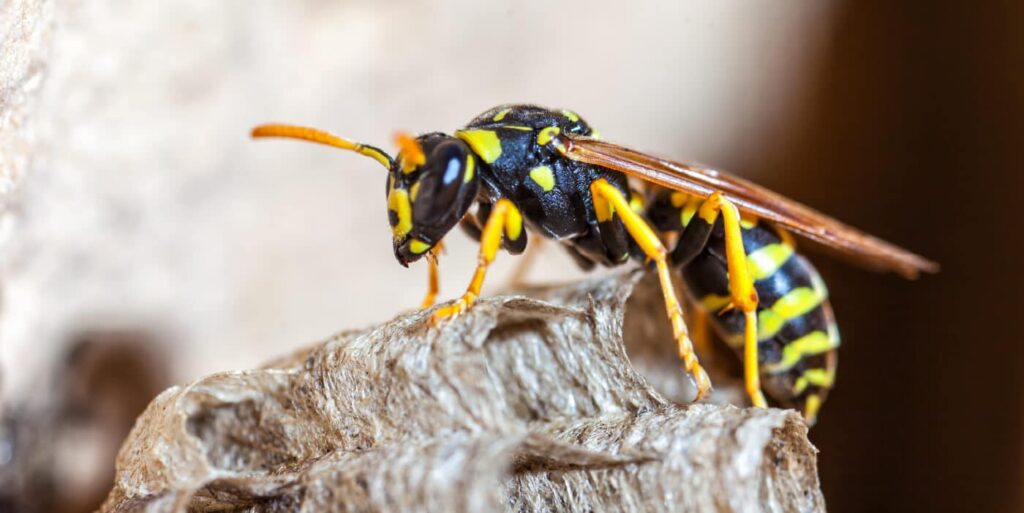
You might not think about your gutters often, but pests certainly do. In fact, your gutters could be the perfect haven for various bugs. Without proper gutter bug prevention, these tiny invaders can cause significant damage to your home. Let's investigate why they are attracted to this area and how you can effectively prevent bugs in your gutters.
Why Bugs Live in Gutters
Gutters provide an ideal environment for many types of bugs, offering moisture, shelter, and food sources like leaves and other organic debris. Here's a closer look at why gutters attract bugs:
Moisture and Shelter
Gutters collect rainwater, creating a moist environment where many bugs, such as mosquitoes, thrive. Additionally, gutters offer shelter from predators and the elements, making them an ideal nesting site.
Organic Debris
Leaves, twigs, and other organic materials often accumulate in gutters, providing a food source for bugs. These materials can attract ants and other pests looking for food and nesting grounds.
Risks of Bugs Nesting in Gutters
Allowing bugs to nest in your gutters can lead to various problems:
Health Risks
Mosquitoes, for example, are known carriers of diseases. Cockroaches can also find their way into gutters. These nasty insects are known to spread bacteria and pathogens.
Structural Damage
Bugs like carpenter ants can cause significant damage to your home's structure by feeding on the wood. Additionally, clogged gutters can lead to water damage and roof leaks.
Increased Maintenance Costs
If bugs nest in your gutters, you may face higher maintenance and repair costs. Regular pest control for gutters is essential to avoid these expenses.
Effective Strategies for Gutter Bug Prevention
Preventing bugs from nesting in your gutters involves regular maintenance and strategic interventions. Here are some practical steps you can take:
Regular Cleaning
Schedule gutter cleaning at least twice a year. Regular cleaning removes not only leaves and twigs but also food sources and nesting materials for bugs. You can use a garden trowel or a gutter scoop to remove debris. Then, flush the gutters with a hose to ensure they are clear.
Install Gutter Guards
Gutter guards are an effective solution to keep debris out of your gutters. These covers prevent leaves and twigs from entering while allowing water to flow freely. There are various types of gutter guards available, including mesh screens, reverse curve systems, and brush inserts.
Ensure Proper Drainage
Check that your gutters and downspouts are properly aligned and free of obstructions. This ensures water flows correctly and doesn't pool in your gutters, reducing the risk of mosquito breeding grounds.
Seal Gaps and Cracks
Inspect your gutters for any gaps or cracks where bugs could enter. Use silicone-based caulk to seal these openings. Pay particular attention to joints and corners where bugs are more likely to find entry points.
Use Insect Repellent
Applying a safe insect repellent spray around your gutters can help deter bugs. Look for products specifically designed for outdoor use and follow the manufacturer's instructions for application.
Professional Pest Control
For ongoing bug problems, consider hiring a professional pest control service. They have the expertise and tools to manage and prevent infestations effectively.
Keep Your Gutters Bug-Free
Keeping bugs out of your gutters is an essential part of home upkeep. Regular cleaning, installing gutter guards, and ensuring proper drainage are key steps in gutter bug prevention. By taking these actions, you can protect your home from the risks associated with bug infestations and avoid costly repairs.
Remember, proactive measures today can save you a lot of trouble down the road. For more information on pest control or to schedule a professional service, reach out to Aptive.