You maintain your HVAC system diligently for energy efficiency and air quality, yet discover pest activity in multiple rooms simultaneously despite having no obvious entry points visible from interior spaces. This puzzling scenario often indicates that your heating and cooling infrastructure has become a distribution network for pest movement, enabling rapid colonization throughout your building through the very systems designed to provide comfort and air circulation.
These climate control systems create extensive networks of protected pathways that connect exterior access points to every conditioned space, effectively bypassing conventional pest barriers and enabling establishment in otherwise inaccessible locations.
How Pests Travel Through HVAC Systems
Modern HVAC infrastructure creates numerous pest entry opportunities through design requirements, installation practices, and maintenance gaps that compromise building envelope integrity.
- Exterior penetration points: HVAC systems require multiple building envelope breaches including intake vents, exhaust outlets, condensate drains, and refrigerant line penetrations that create potential pest access routes when sealing is inadequate or deteriorates over time.
- Rooftop equipment vulnerabilities: Commercial and residential HVAC units mounted on roofs or exterior walls require substantial structural penetrations with weather sealing that may degrade, creating gaps enabling pest entry directly into ductwork systems.
- Crawl space and attic connections: Ductwork routing through unconditioned spaces provides direct pest access from areas with numerous exterior entry points and minimal monitoring or maintenance attention.
- Utility chase integration: HVAC ductwork often shares utility chases with plumbing, electrical, and communication systems, creating interconnected pathways that enable pest movement between systems and building areas.
- Installation quality factors: Rushed installations, cost-cutting measures, and inadequate sealing during construction frequently leave gaps at duct joints, register connections, and penetration points that enable pest infiltration.
Types of Pests You Can Find in HVAC Systems
Different pest species utilize HVAC systems in distinct ways based on their size, behavior patterns, and environmental requirements.
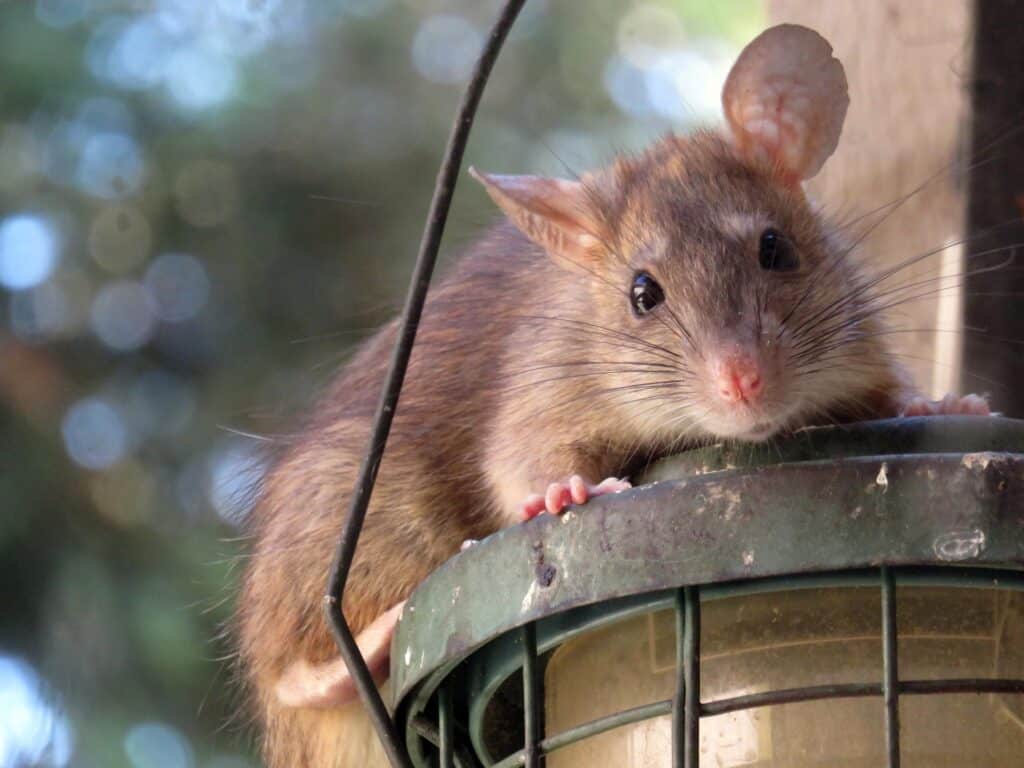
- House mice and Norway rats exploit ductwork for protected movement corridors between nesting sites and food sources while utilizing insulation materials for nest construction and thermal protection.
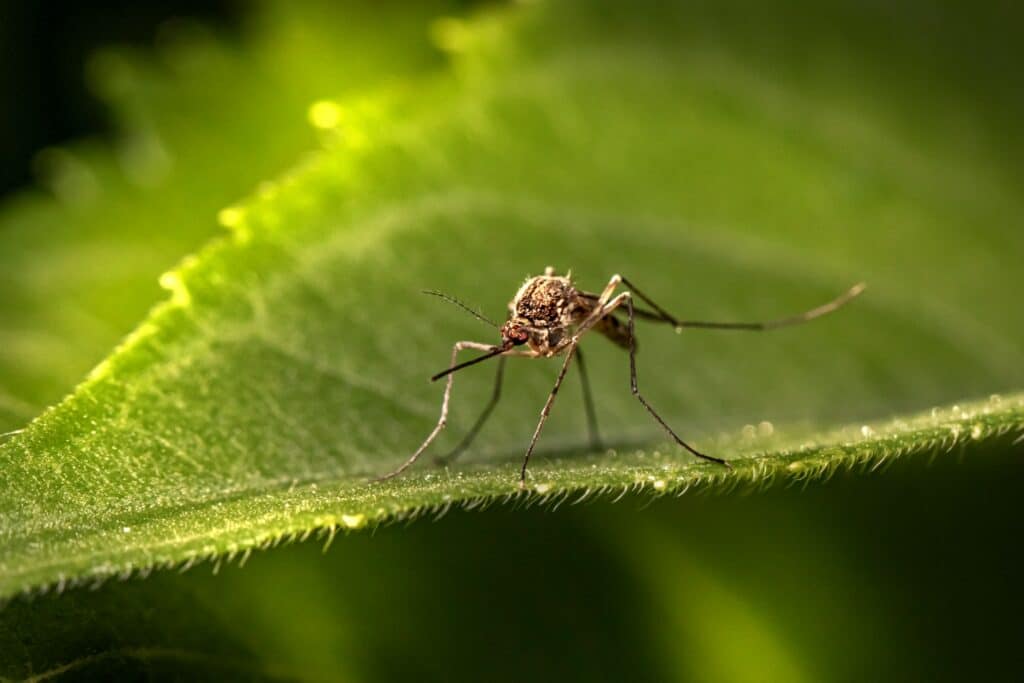
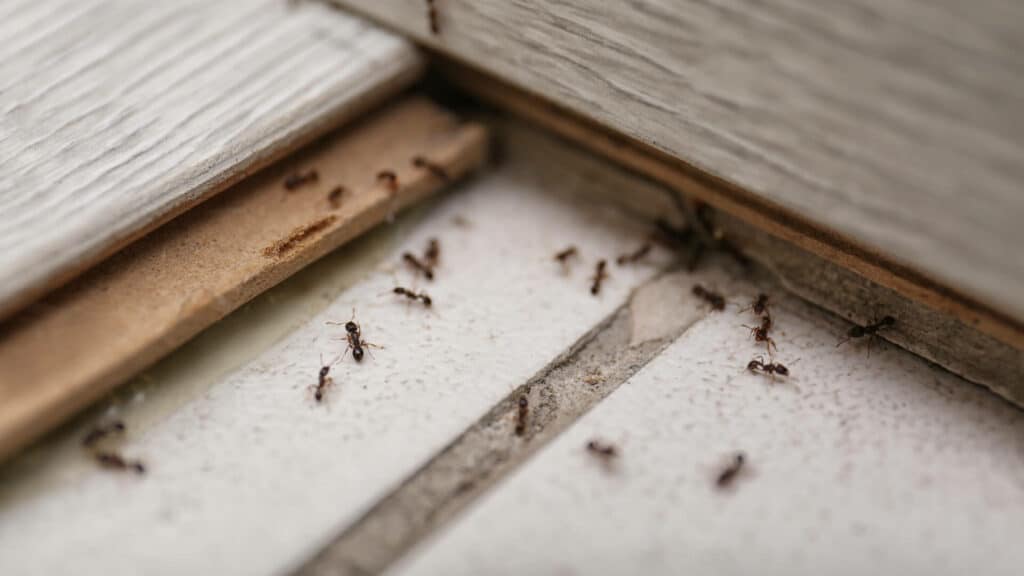
- Cockroaches, ants, and various flying insects use HVAC systems as climate-controlled highways that provide protection from environmental extremes and predators while enabling rapid building-wide dispersal.
- Birds, bats, and squirrels may establish nests in exterior HVAC equipment, intake hoods, or accessible ductwork sections, creating blockages and contamination while potentially accessing interior spaces.
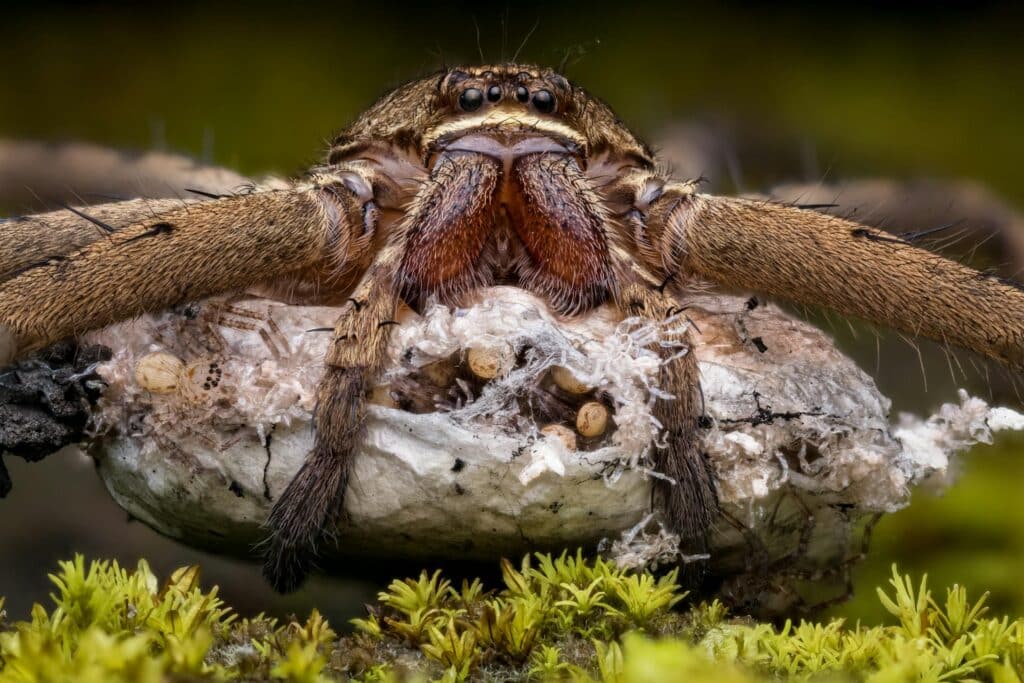
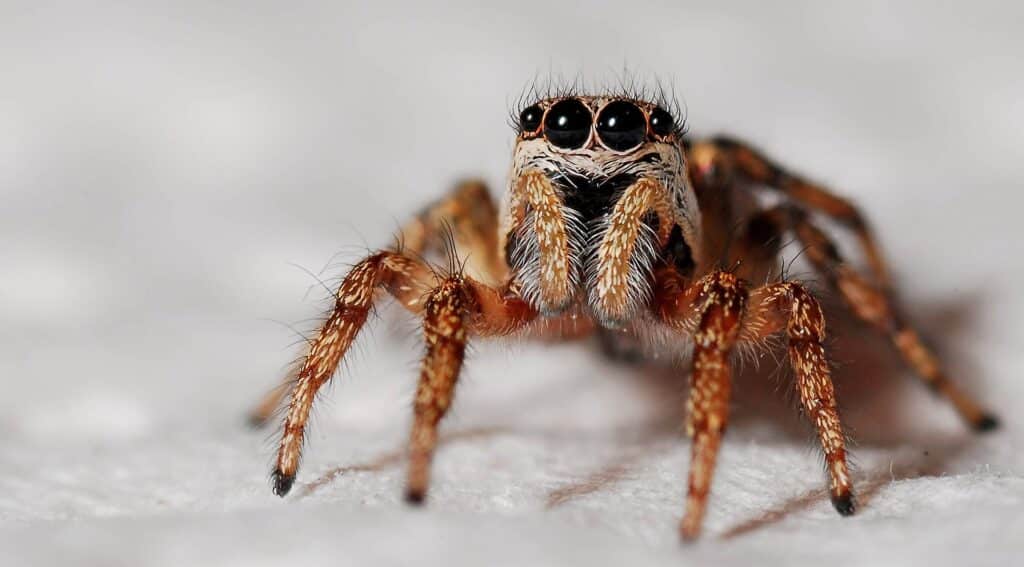
- Spiders, silverfish, and centipedes exploit the protected, undisturbed environment within ductwork while benefiting from consistent temperature and humidity conditions.
Why HVAC Inspections Are Essential
Systematic HVAC pest assessment requires specialized techniques and equipment that enable comprehensive evaluation of system integrity and pest activity.
Systematic examination of accessible ductwork, registers, and equipment using appropriate lighting and mirrors reveals evidence of pest activity including droppings, tracks, and nesting materials. Characteristic musty, urine-like, or decomposition odors distributed through HVAC systems often provide first indicators of hidden pest activity requiring investigation.
Unusual pressure differentials, reduced airflow at specific registers, or system performance degradation may indicate pest-caused obstructions within ductwork. Infrared cameras can reveal temperature anomalies caused by insulation damage or airflow disruption resulting from pest activity within concealed duct sections.
Health Risks When Pests Invade HVAC Systems
Pest contamination of HVAC systems creates serious health risks through pathogen distribution, allergen dispersal, and air quality degradation affecting all building occupants.
Pest droppings, urine, and body fragments distributed through ductwork can transmit various bacterial, viral, and parasitic organisms to occupied spaces through continuous air circulation. Pest debris including feces, shed skins, and decomposing bodies contain potent allergens that become airborne through HVAC operation, potentially triggering respiratory reactions in sensitive individuals.
Moisture from pest activity, condensation, or contamination can promote fungal and bacterial growth within ductwork that creates additional health hazards beyond direct pest impacts. HVAC systems can distribute pest contamination from isolated infestation sources throughout buildings, creating widespread exposure that complicates remediation efforts.
The Importance of Professional HVAC Pest Control
Systematic HVAC pest assessment requires specialized techniques and equipment that enable comprehensive evaluation of system integrity and pest activity.
Visual inspection methods: Systematic examination of accessible ductwork, registers, and equipment using appropriate lighting and mirrors reveals evidence of pest activity including droppings, tracks, and nesting materials.
Airflow analysis: Unusual pressure differentials, reduced airflow at specific registers, or system performance degradation may indicate pest-caused obstructions within ductwork.
Remote inspection technology: Fiber optic cameras and video inspection equipment enable visual assessment of ductwork interiors without destructive access, revealing pest evidence and structural vulnerabilities.
Get Pest Control Help
When HVAC pest problems persist despite maintenance efforts, Aptive’s pest control experts provide the comprehensive solutions necessary for lasting results. Our pest control service can perform detailed assessments of HVAC pest entry points, contamination levels, and structural vulnerabilities driving continued pest infiltration.
If you’re discovering pest activity in multiple areas suggesting HVAC distribution, experiencing air quality issues related to pest contamination, or need assessment of pest vulnerabilities of your HVAC system, contact Aptive today for a free quote.