You purchase what appears to be a well-maintained vacant property, conduct routine inspections that reveal no obvious problems, yet discover extensive pest activity within days of moving in your belongings and beginning occupancy. This common scenario reflects the unique conditions that vacant properties create for pest establishment, where reduced human activity, accumulated environmental changes, and lack of regular maintenance combine to create ideal habitats for diverse pest species.
The transition from vacant to occupied status often reveals hidden pest populations that have thrived in undisturbed environments while remaining undetectable during brief property visits.
Why Do Pests Love Vacant Homes?
Vacant homes develop distinct environmental characteristics that create optimal conditions for pest establishment through reduced disturbance, accumulated resources, and modified microclimate patterns.
- Reduced human activity: The absence of regular foot traffic, cleaning activities, and daily routines eliminates disturbance pressures that normally suppress pest establishment while providing quiet environments where populations can grow without interference.
- Temperature and humidity changes: Vacant properties often experience uncontrolled temperature fluctuations and humidity variations due to reduced HVAC operation, creating diverse microclimate zones that support different pest species requirements.
- Moisture accumulation: Plumbing leaks, condensation, and poor ventilation in vacant homes create persistent moisture problems that attract water-dependent pest species while supporting fungal growth that provides additional food sources.
- Organic matter buildup: Reduced cleaning and maintenance allows accumulation of dust, debris, and organic materials that provide food sources and nesting materials for various pest species over extended periods.
- Structural deterioration: Delayed maintenance of vacant properties can create new entry points, sheltered areas, and conducive conditions that facilitate pest access and establishment throughout building systems.
The Most Common Pests in Vacant Homes
Different pest species exploit vacant home conditions through species-specific strategies that determine where infestations are most likely to develop and reach problematic levels.
Rodents
Rodents represent the most significant pest risk in vacant homes due to their exploration behavior, nesting requirements, and capacity for rapid population growth in undisturbed environments.
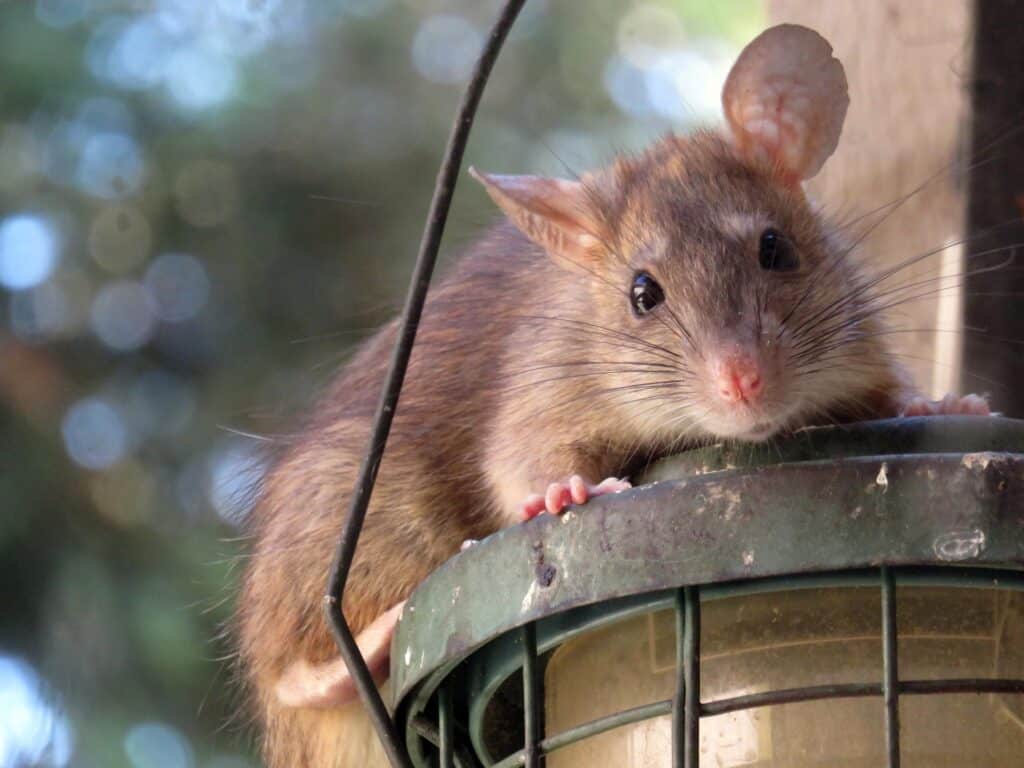
House mice and Norway rats quickly exploit vacant properties through systematic exploration of structural vulnerabilities including foundation cracks, utility penetrations, and damaged weather sealing. These species establish territories within wall voids, basements, and attic spaces where they create extensive nesting areas using available materials.
Rodent populations can reach significant levels within 2-3 months of initial colonization, with single breeding pairs potentially producing 50-100 offspring annually under optimal conditions.
Rodent activity can cause extensive property damage including chewed electrical wiring, damaged insulation, contaminated storage areas, and structural modifications that create additional entry points.
Rodent infestations create serious health hazards through pathogen transmission, allergen production, and contamination of surfaces with urine and feces that require professional remediation.
Insects
Various insect species colonize vacant homes through different mechanisms and demonstrate distinct habitat preferences that influence where problems are most likely to develop.
Cockroach populations establish in areas with residual food sources, moisture availability, and protected harborage including kitchen cabinets, bathroom areas, and utility spaces. German cockroaches can establish significant populations within 30-60 days when suitable conditions exist.
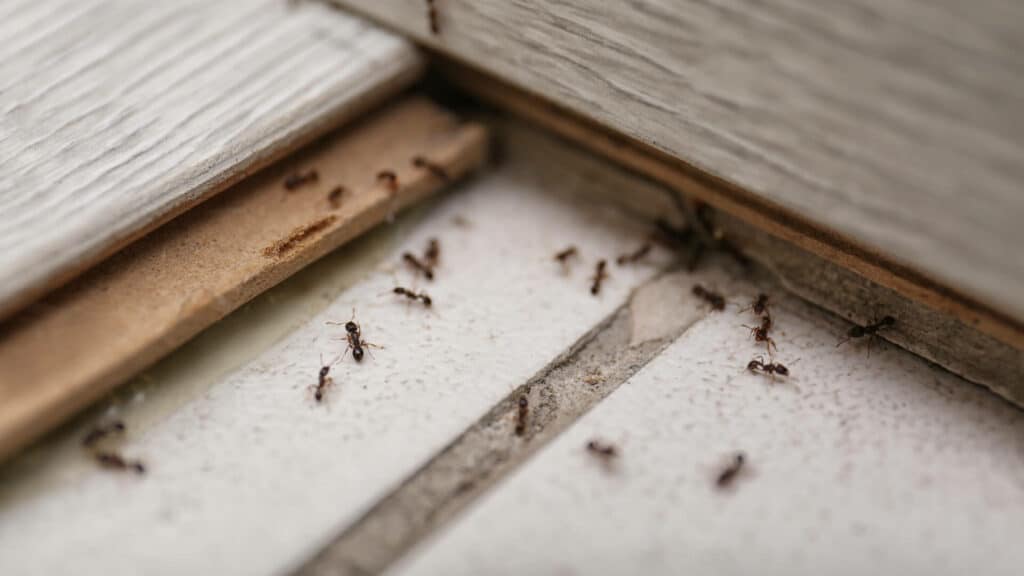
Ant colonies may establish satellite populations within building structures while maintaining connections to outdoor parent colonies, utilizing wall voids, insulation, and structural gaps for nesting sites.
Grain beetles, moths, and other stored product pests may establish in residual food materials, pet food, or organic debris left in vacant properties, creating breeding populations that emerge when new occupants arrive.
Spiders, Centipedes, and Other Arthropods
Spiders, centipedes, and other arthropods colonize vacant homes following prey species establishment, creating complex food webs within building structures.
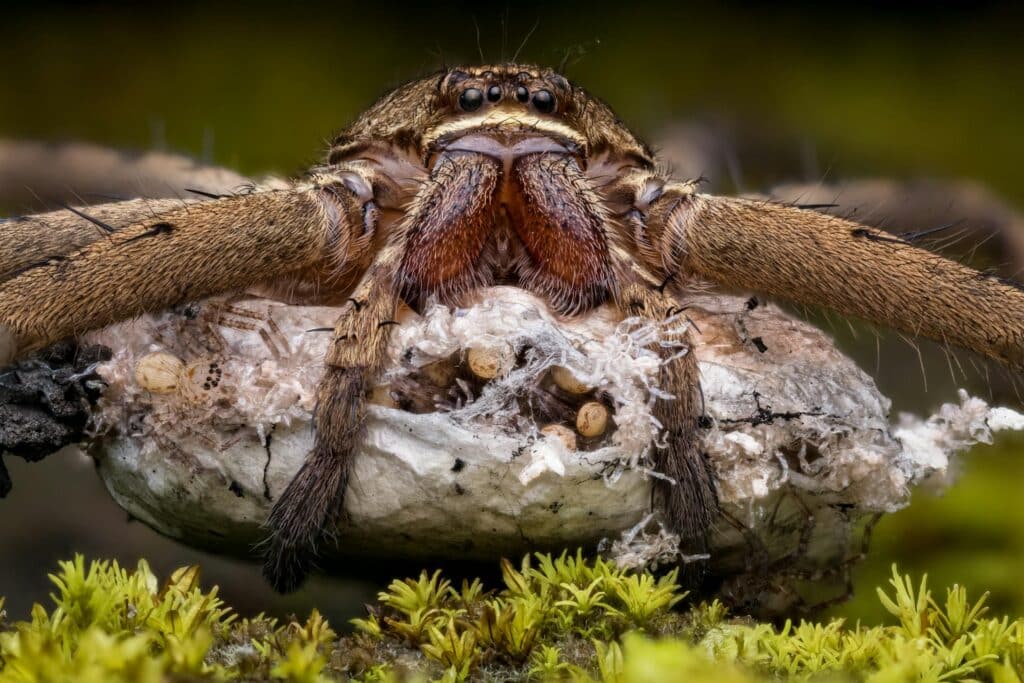
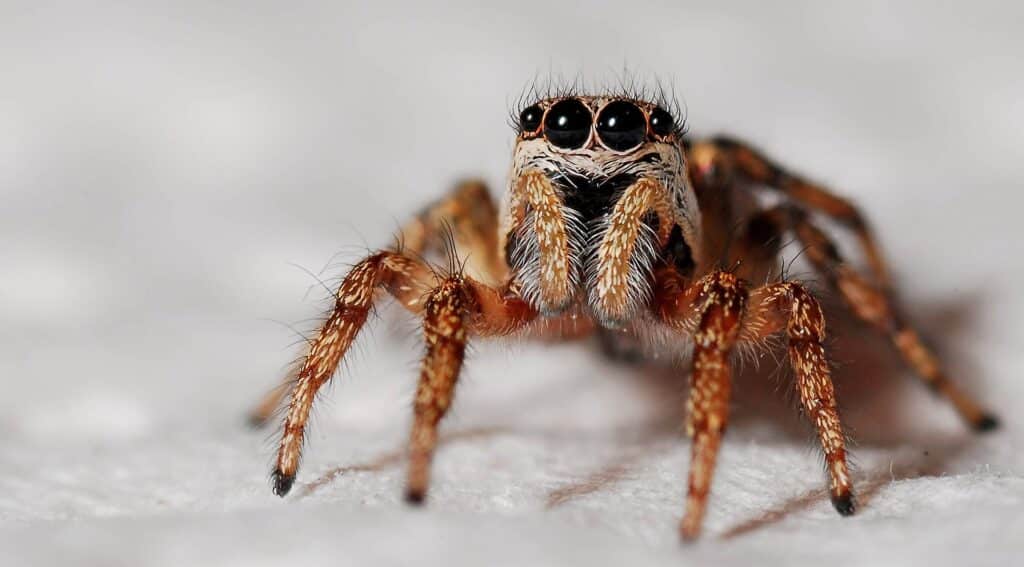
Spider populations increase in response to insect prey availability while utilizing undisturbed areas for web construction and reproduction. Common house spiders and cellar spiders frequently establish in vacant properties where cleaning activities don’t disturb web development.
Fall and winter months often bring increased arthropod invasion as outdoor species seek thermal refuge in vacant heated buildings, creating temporary but significant population increases.
Signs of Trouble When Moving House
Pest infestations in vacant homes often remain undetected during routine property inspections due to behavioral patterns, concealed locations, and inspection limitations.
- Nocturnal activity: Many pest species demonstrate strictly nocturnal behavior that keeps them hidden during typical daytime property visits, requiring specialized inspection techniques or extended observation periods for detection.
- Concealed population: Pest populations typically establish in wall voids, subfloor areas, attic spaces, and other locations inaccessible during standard property inspections, making population assessment challenging without professional equipment.
- Behavioral response to disturbance: Brief human presence during property showings can trigger hiding behaviors that temporarily suppress visible pest activity, creating false impressions of pest-free conditions.
- Seasonal activity: Pest activity levels fluctuate significantly with temperature, humidity, and seasonal cycles, meaning inspections during low-activity periods may miss established populations.
The Hidden Risks of Moving House Infestations
Systematic risk assessment enables identification of pest problems before occupancy while providing opportunities for cost-effective intervention and prevention.
Comprehensive inspection of building envelope integrity, utility penetrations, and maintenance conditions reveals potential pest entry points and conducive conditions requiring attention.
Evaluation of moisture levels, ventilation adequacy, and sanitation conditions identifies factors supporting pest establishment and provides guidance for corrective measures.
Duration of vacancy, previous pest problems, and surrounding environmental conditions influence pest establishment likelihood and require consideration in risk assessment processes.
Surrounding property conditions, land use patterns, and regional pest populations significantly influence individual property pest risks and management requirements.
Get Ahead of Pests
When pest problems in vacant homes require professional intervention despite prevention efforts, Aptive’s pest control experts provide the comprehensive solutions necessary for lasting results. Our pest control service can perform a detailed assessment of property to identify pest species, population levels, and environmental conditions driving continued establishment in unoccupied buildings.
If you’re moving into a vacant property with unknown pest risks, discovering pest problems after occupancy begins, or need professional assessment of pest challenges in vacant property, contact Aptive today for a free quote.