You relocate from an urban apartment to a rural property and encounter completely different pest challenges than expected, or transition from rural living to suburbs only to discover unfamiliar species requiring new management approaches. These location-specific pest problems reflect fundamental ecological differences between land use patterns, habitat availability, and human activity intensity that determine which species establish, how they behave, and what control strategies prove most effective.
Each environmental setting creates unique pest pressure patterns through distinct combinations of habitat structure, resource availability, and human influence levels.
How Environment Shapes Pest Populations
Fundamental differences in land use patterns and habitat composition between suburban and rural environments create divergent ecological conditions that determine pest species composition and population dynamics.
- Rural landscape characteristics: Agricultural lands, forests, grasslands, and wetlands create extensive natural and semi-natural habitats supporting diverse wildlife communities including numerous pest species adapted to agricultural and woodland environments.
- Suburban development patterns: Residential density, fragmented green spaces, manicured landscapes, and built infrastructure create novel ecosystems favoring pest species adapted to human-modified environments and resource concentration.
- Habitat connectivity differences: Rural areas typically maintain continuous habitat corridors enabling wildlife movement and dispersal, while suburban development creates fragmented patches with limited connectivity affecting pest distribution.
- Edge habitat abundance: Suburban landscapes maximize edge zones between different habitat types, creating optimal conditions for many pest species that exploit resources from multiple environments.
- Agricultural influence: Rural properties adjacent to farms, orchards, or rangelands experience pest pressure from agricultural systems, while suburban areas face different challenges from landscaping, gardens, and waste management.
Key Differences in Pest Types
Distinct pest assemblages characterize suburban versus rural environments based on species-specific habitat requirements, food sources, and tolerance to human activity.
- Rural pest communities: Agricultural lands support wildlife species (raccoons, opossums, skunks, deer), field rodents (voles, deer mice), stored product pests (grain beetles, weevils, moths), and livestock-associated insects (flies, ticks, mites) that demonstrate pronounced seasonal movements between outdoor breeding areas and indoor overwintering sites.
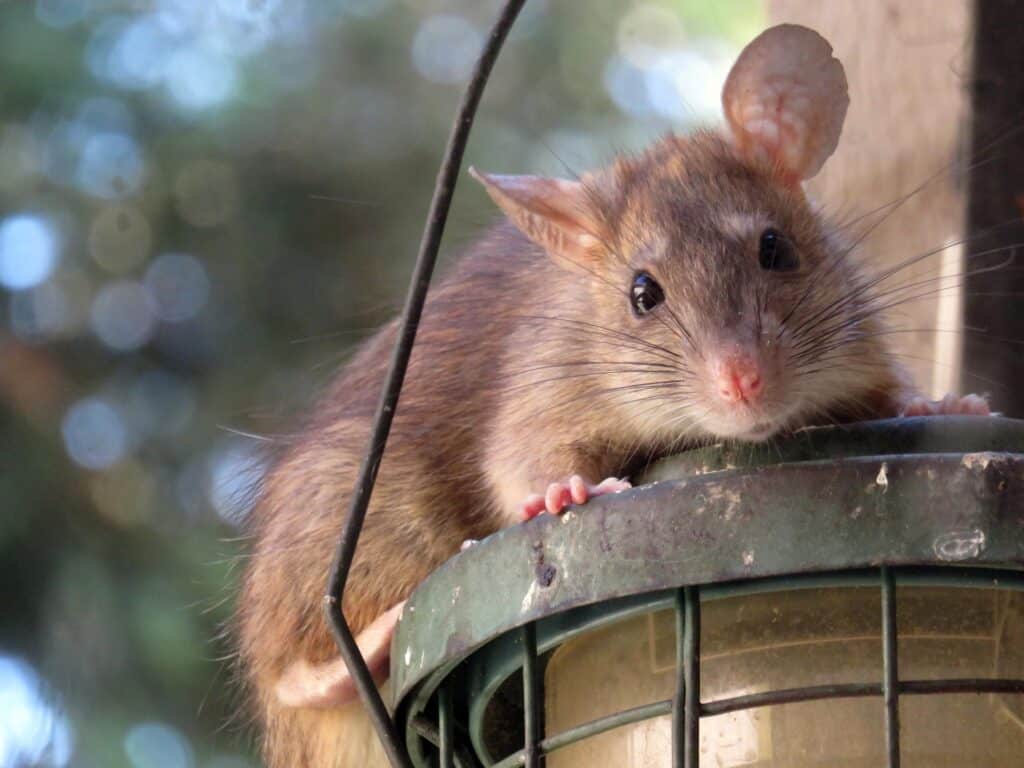
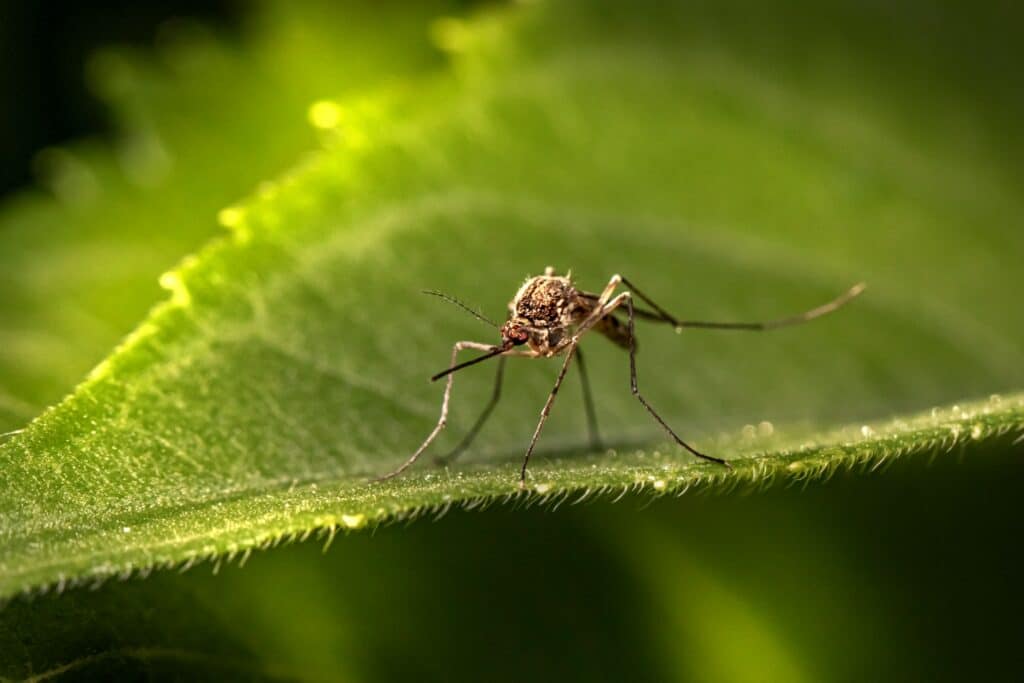
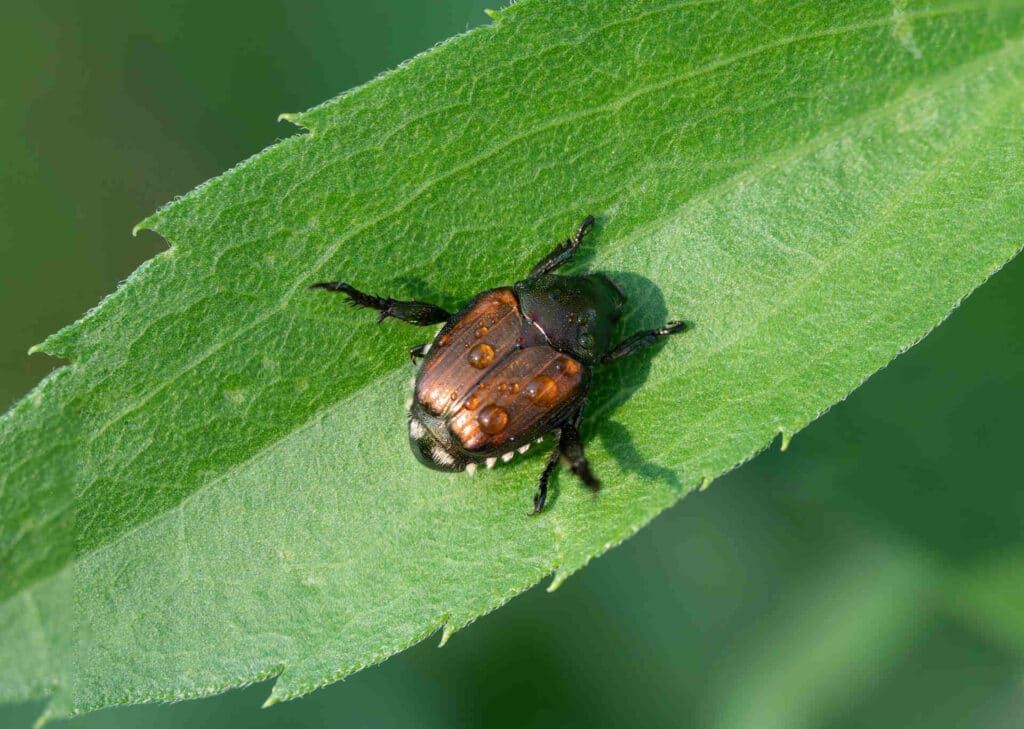
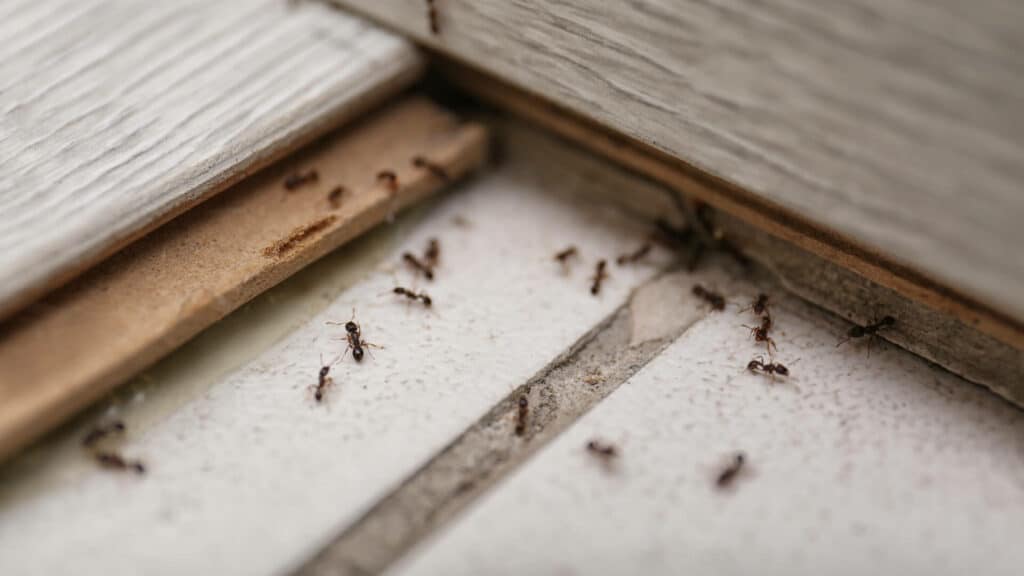
- Suburban pest assemblages: Residential environments favor synanthropic species including commensal rodents (house mice, roof rats), structure-infesting insects (German cockroaches, pharaoh ants), landscape pests (Japanese beetles, aphids, grubs), urban-adapted wildlife (squirrels, chipmunks), and vector species (mosquitoes) that maintain year-round activity in human-modified habitats.
Why Infestations Vary
Differences in food sources, water availability, and shelter opportunities between suburban and rural settings influence pest abundance, distribution, and management requirements.
Agricultural operations provide concentrated but seasonally variable food sources through crops, stored grain, and livestock feed, while natural habitats offer diverse but dispersed resources.
Residential waste, pet food, bird feeders, gardens, and ornamental plantings create reliable year-round food sources in concentrated areas accessible to pest species.
Rural properties often feature natural water sources including ponds and streams, while suburban areas create artificial water through irrigation, pools, and drainage systems. Rural environments offer diverse natural and agricultural structures, while suburban areas provide standardized residential buildings with predictable vulnerability patterns.
Suburban curbside collection concentrates organic waste weekly, while rural properties often manage waste through on-site systems creating different pest attraction patterns.
Difference in Management Strategies
Effective pest management approaches differ between suburban and rural settings based on available resources, regulatory constraints, and practical considerations.
Rural management options: Larger properties enable broader treatment areas, wildlife management strategies, and agricultural pest control methods not practical in suburban settings.
Suburban regulatory constraints: Higher population density creates restrictions on pesticide applications, wildlife control methods, and noise-generating activities affecting available management options.
Integrated approaches: Rural pest management often integrates agricultural and structural components, while suburban strategies focus on residential buildings and ornamental landscapes.
Get Professional Pest Control Support
When pest problems persist despite prevention efforts appropriate to your location, Aptive’s pest control experts provide comprehensive solutions necessary for lasting results. Our pest control service performs detailed environmental assessments identifying suburban or rural pest challenges, species composition, and location-specific factors driving continued establishment.
If you’re experiencing pest problems in suburban or rural environments, need assessment of location-specific pest pressure, or require professional guidance implementing pest control strategies, contact Aptive today for a free quote.