You recognize that cooling fall temperatures trigger pest movement from outdoor environments into heated structures, with proper timing of exclusion work proving critical for preventing winter infestations.
Sealing entry points before winter proves important because declining outdoor temperatures drive various pest species including mice, rats, cockroaches, spiders, and overwintering insects to seek indoor shelter.
Understanding why winter pest control emphasizes pre-season exclusion explains the timing urgency for sealing work, reveals common entry points requiring attention, and informs comprehensive pest control prevention strategies combining structural modifications with monitoring and sanitation. Proactive fall exclusion proves far more effective and economical than reactive winter pest management addressing established infestations.
Why Winter Makes Pests Move Indoors
Temperature declines during fall initiate behavioral and physiological changes in various pest species, driving movement from outdoor habitats to protected indoor environments providing winter survival conditions.
- Thermal stress responses: As outdoor temperatures drop below species-specific tolerance thresholds—typically 10-15°C (50-59°F) for many insects and small mammals—pests experience metabolic stress and survival threats. These conditions trigger shelter-seeking behaviors with insects entering dormancy or diapause requiring protected sites while rodents seek stable warm environments enabling continued activity.
- Metabolic demands: Maintaining body temperature in cold conditions requires increased caloric intake that outdoor environments can’t support given reduced food availability during winter. Indoor environments provide both thermal buffering and access to human food resources enabling survival through cold months when outdoor resources prove inadequate.
- Reproductive timing: Many pest species time reproduction to coincide with favorable conditions. Fall-invading pests including mice establish indoor territories before breeding, ensuring offspring develop in protected warm environments with food access rather than harsh outdoor winter conditions threatening survival.
- Photoperiod cues: Declining day length during fall triggers physiological changes in insects including diapause induction (insect dormancy analogous to hibernation) and shelter-seeking behaviors. These photoperiod responses operate independently of immediate temperature allowing insects to anticipate winter and seek overwintering sites before lethal cold arrives.
The Usual Suspects That Sneak In
Different pest groups demonstrate varying motivations for indoor entry and utilize different access routes, with understanding species-specific behaviors informing comprehensive exclusion strategies.
- Mice and rats: Rodents demonstrate perhaps strongest motivation for indoor entry given their inability to hibernate and continuous food requirements. House mice fit through openings as small as 6mm (1/4 inch), roof rats climb readily accessing upper-level entry points, and Norway rats exploit ground-level gaps and foundation vulnerabilities. Once established, rodents reproduce rapidly creating substantial problems from small initial populations.
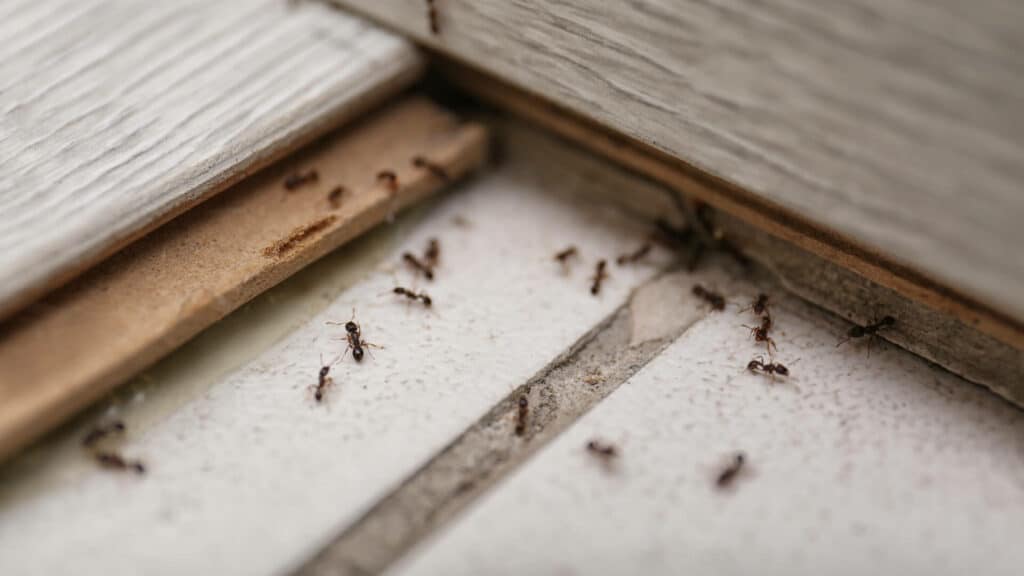
- Cockroaches: While some cockroach species live exclusively indoors year-round, outdoor species including American and Oriental cockroaches migrate indoors during fall seeking warmth and moisture. They exploit utility penetrations, drain systems, and foundation cracks, establishing in basements, crawl spaces, and utility rooms before potentially spreading to living areas.
- Spiders: Most spider species found indoors during winter entered during fall seeking shelter or following prey insects also invading structures. While spiders provide beneficial pest control consuming other invaders, their presence indicates structural access requiring sealing, preventing both spider and prey insect entry.
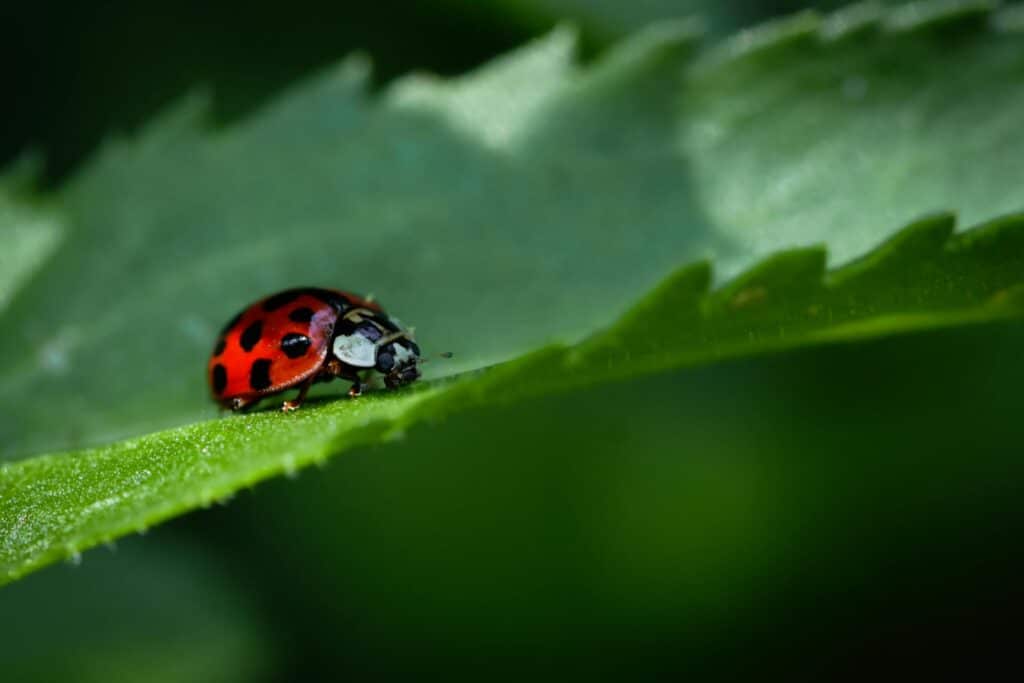
- Overwintering insects: Various insect species including Asian lady beetles, boxelder bugs, cluster flies, and brown marmorated stink bugs demonstrate particularly conspicuous fall invasions, with dozens to hundreds of individuals aggregating on sun-warmed exterior walls before seeking indoor access through any available gaps. These insects seek protected indoor locations for dormant overwintering rather than active residence.
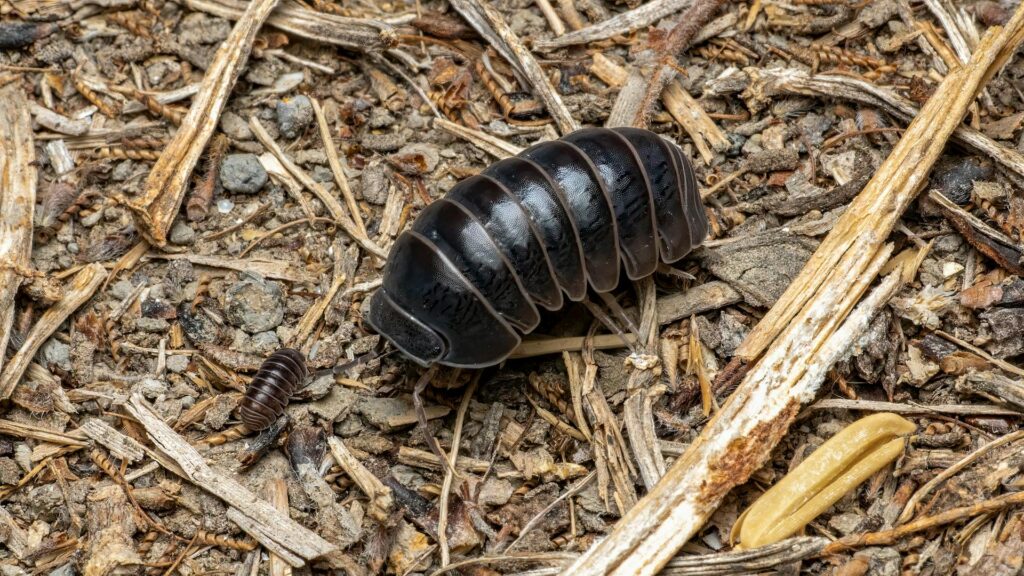
- Occasional invaders: Various other arthropods including millipedes, centipedes, sowbugs, and earwigs move indoors during fall seeking moisture and shelter. While typically unable to establish permanent indoor populations, they create nuisance issues and indicate structural gaps requiring attention.
Where to Look: Common Entry Points
Buildings contain numerous potential pest entry points, with certain locations demonstrating consistent vulnerability across diverse structure types requiring systematic inspection and sealing.
Foundation vulnerabilities: Cracks in concrete or masonry foundations, gaps where foundations meet sill plates, expansion joints between foundation sections, and spaces around basement window wells all provide rodent and insect entry. Foundation gaps often prove particularly problematic given direct ground-level access and tendency for vegetation or debris accumulation obscuring openings.
Door and window gaps: Gaps beneath exterior doors particularly garage doors with worn bottom seals, spaces around door frames where caulk deteriorated, window frame gaps where original construction left unsealed joints, and torn or missing window screens all enable pest entry. Even small gaps beneath doors or around frames permit mice and numerous insect species.
Utility penetrations: Openings where utilities enter structures including around pipes, electrical conduits, cable and telephone lines, dryer vents, and air conditioning lines typically demonstrate gaps between utility and building material. These penetrations prove particularly problematic as they often occur in multiple locations and may enlarge over time through settling or utility replacement.
Which Materials You Should Use for Sealing
Different entry point types require appropriate materials and techniques for effective long-term exclusion, with proper product selection critical for durability and pest-proof performance.
Caulk and sealants: For small gaps (under 6mm or 1/4 inch) around window and door frames, utility penetrations, and foundation cracks, exterior-grade caulks provide effective sealing. Silicone and polyurethane caulks demonstrate superior durability and flexibility accommodating structural movement, while avoiding cheap latex caulks that deteriorate rapidly.
Expanding foam: For moderate gaps (6-25mm or 1/4 to 1 inch) particularly around pipes and irregular openings, expanding foam sealants provide effective filling. However, rodents can gnaw foam, requiring protection with copper mesh or other gnaw-resistant materials in rodent-vulnerable locations.
Copper mesh and steel wool: For rodent-proofing, copper mesh (preferred for corrosion resistance) or stainless steel wool forced into gaps then covered with cement or foam creates gnaw-resistant barriers. These materials prove essential around pipe penetrations, gaps beneath doors, and other rodent-entry vulnerabilities.
Door sweeps and weatherstripping: Quality door sweeps attached to exterior door bottoms, compression weatherstripping around door frames, and threshold plates beneath doors eliminate gaps while maintaining door function. Garage doors particularly require robust bottom seals given their size and tendency for uneven floor contact.
Vent covers and screens: Proper screening for attic vents, foundation vents, and dryer exhausts prevents pest entry while maintaining necessary ventilation. Use 1/4 inch (6mm) or smaller hardware cloth for rodent exclusion and ensure screens remain firmly attached without gaps around edges.
Foundation repair: Significant foundation cracks require appropriate masonry repair techniques using hydraulic cement, epoxy injection, or professional foundation repair depending on crack severity. Surface-only sealing of large cracks provides inadequate long-term exclusion.
Need Pest Control Services Near You?
Professional pest control services include comprehensive exterior and interior inspections identifying all potential entry points, recommendation of exclusion work for different gap types, seasonal timing optimizing effectiveness before peak invasion periods, and monitoring confirming exclusion success.
If you’re approaching winter, experiencing recurring seasonal pest invasions suggesting inadequate sealing, or wanting comprehensive assessment ensuring your home remains pest-free through cold months, contact Aptive today for a free quote and professional evaluation.