Call Now and Ask About the Winter Deal While it Lasts →

Call Now and Ask About the Winter Deal While it Lasts →

Sign-in to Account
Call Us

(855) 948-5816

aptive_pest_control_lockup-white

Find Service Area

Which Bugs Are Active at Night?

Written by Aptive Pest Control February 12, 2020

Updated February 10, 2026

Do you ever notice an increase in bugs at night? It’s no surprise that there are plenty of nocturnal insects – with plenty of larger predators roaming about during the day, it’s much safer for them to wait until most of their predators are sleeping. There are many species of nocturnal bugs located throughout the United States. Keep reading to learn more about the common types you may encounter and how to prevent them in your home.

The darkness not only provides safety from daytime predators, but cooler temperatures also make nocturnal activities more sustainable for many insects. From spiders that bite at night to kitchen bugs that surreptitiously gather crumbs, the nocturnal insect list includes a variety of species. Additionally, issues like spider bites in bed at night often worry residents, prompting them to seek effective prevention methods. Understanding which bugs are active during these hours is crucial for effective home management and ensuring a good night’s sleep free from bites.

Common Nocturnal Insects

Mosquitos

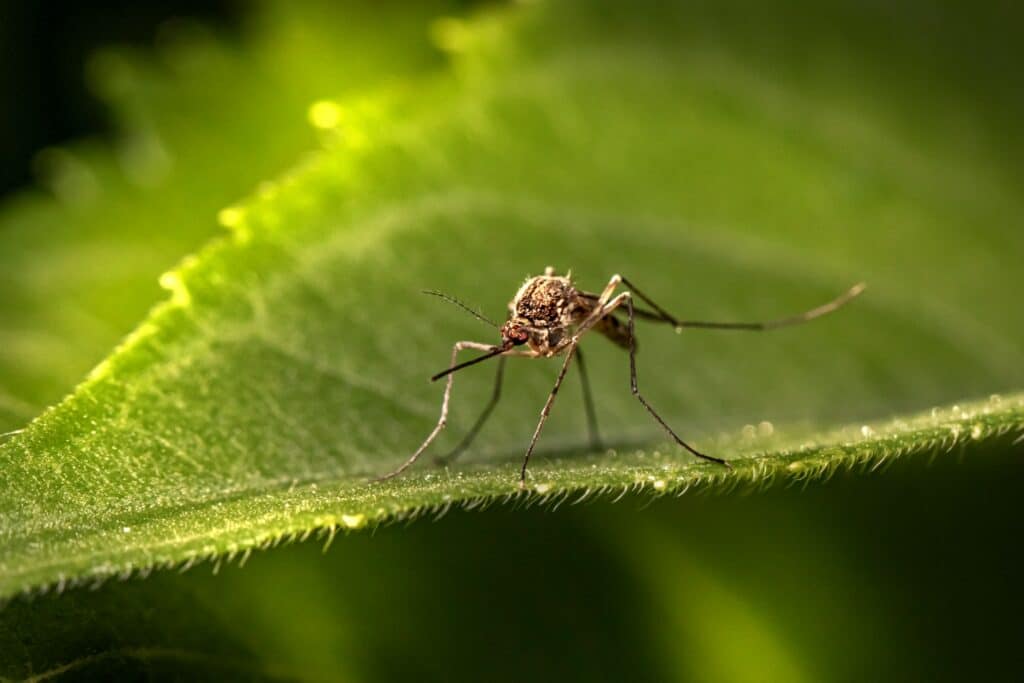
You probably don’t need an introduction to mosquitos. Surprisingly, this common insect is also rated #1 on the list of the most dangerous insects in the world due to diseases they spread. They typically live in warmer climates and come out to feed on human blood once it starts to get dark.

Crickets

Wonder why you only hear crickets at night? These jumping insects are nocturnal, so they’re most active during the night. They spend the day inside cracks or under bark and leaf litter, as well as many other hiding spaces. At night, they emerge to search for food and mates (their chirp is actually a mating call). Some types of crickets have wings, but most aren’t able to fly. Although they often get stuck inside homes, they’re generally harmless because they can rarely puncture human skin. Some can jump up to 3 feet high!

Crickets can be found almost everywhere, but are most common in the Eastern part of the U.S. Since they reproduce quickly, Professional cricket pest control services is often necessary for infestations.

Bed Bugs

These small nocturnal insects can live in your bed for months without you noticing. They live under the mattress, box spring, or other hidden areas in or around your bed. Many people will mistake bed bug bites for mosquito bites. However, there are noticeable differences between the two – for one, bed bug bites typically occur in clusters, while mosquito bites are sporadic. Bed bugs are difficult and time-consuming to get rid of.

Kissing Bugs

Kissing bugs are another type of nocturnal insects that spread deadly diseases. They sleep during the day and typically bite humans in their sleep (they’re called kissing bugs because they often bite around the mouth or other areas of the face). They can transmit Chagas, which kills thousands of people every year. They can also transmit a parasite called Trypanosoma Cruzi. Kissing bugs are found in warm Southern areas of the United States as well as Mexico, Central America, and South America.

Moths

There are thousands of moth species, most of which are nocturnal. They emerge after dark to pollinate flowers (and fly into porch light bulbs). Scientists guess that moths and other night insects are attracted to light because they used the moon to navigate before electricity was invented.

Centipedes

The most common centipedes are house centipedes – most larger species live in tropical areas. Although their name implies they have 100 legs, house centipedes can have anywhere from 15 to 177 legs. Many people are scared of these speedy, creepy insects. However, a house centipede is actually a sign you may have another problem on your hands. They only enter homes to search for prey (they prey on insects like cockroaches, termites, and others).

Look into hiring professional centipede service to get rid of centipede problems (and other bug issues) you may have.

Preventing Nocturnal Insects in Your Home

One significant way to avoid insects coming inside is to seal up any cracks, holes, and other potential entry points. Make sure to check everywhere in your home, including basements and attics. In addition, get rid of any damp areas in the home (try using a dehumidifier). Keeping the house clean is also a great way to avoid bug infestations.

Even if you don’t have a current infestation, you may want to get a professional home inspection to help you find any areas that are at risk. This could save hundreds of future pest control costs.

Treating Night Insects

Many bugs that come out at night in a house can be difficult to get rid of if you have an infestation. If you’re experiencing this, call in professional pest control. Aptive Pest Control offers advanced treatments for nearly all species of nocturnal bugs.
Curated articles for you, from our pest experts.

Close-Up Of A Yellow Jacket Wasp With Yellow And Black Markings, Perched On A Paper-Like Nest, Highlighting Its Body Structure And Nest-Building Behavior.

7 Most Common Pests in Washington State and What to Know

From damp coastal areas to wooded neighborhoods and growing suburbs, many pests in Washington State are simply part of the environment in which homeowners live. But not every pest sighting is a problem. Some pests appear briefly during seasonal changes, while...

Jan 21, 2026
A Close-Up Image Of A Black And Yellow Mud Dauber Wasp (Sceliphron Caementarium) Perched On A Green Leaf. The Wasp'S Slender Body And Long Legs Are Highlighted Against A Dark Background, Showcasing Its Vivid Yellow Patterns And Distinctive Elongated Abdomen.

15 Most Common Household Pests in Tennessee: Homeowners’ Guide

Tennessee’s warm summers and naturally humid conditions make it an active environment for insects and other pests. From suburban neighborhoods to rural properties, pest activity is often influenced by moisture, vegetation, and easy access to shelter. Seeing pests...

Jan 19, 2026
A Close-Up Image Of A Green Grasshopper Perched On A Leafy Plant Stem, Showing Its Textured Body, Long Antennae, And Folded Wings In Sharp Detail.

10 Common Garden Pests in the Midwest​: What Homeowners Should Know

Gardens throughout the Midwest reflect the region’s changing seasons. Along with plants and flowers, these outdoor spaces also support a variety of insect activity. Seeing pests in or around garden areas doesn’t automatically signal a problem. In many cases, it’s a...

Jan 19, 2026
A Close-Up Image Of A Brown Roof Rat Perched On A Weathered Green Metal Lantern, With Its Large Ears, Long Whiskers, And Inquisitive Eyes Facing The Camera. The Background Is Softly Blurred With Dappled Light And Trees.

The Top 5 Most Common Pests in California

California's Mediterranean and semi-arid climates with mild winters, extended warm seasons, and diverse microclimates create ideal conditions for numerous pest species remaining active year-round unlike temperate regions experiencing winter dormancy reducing pest...

Jan 19, 2026
A Close-Up Image Of A Large Spider Guarding Its White Egg Sac With Spiderlings And Unhatched Eggs Inside, Resting On A Mossy Forest Floor.

The Top 10 Most Common Arachnids in the Southeastern U.S.

Warm temperatures, seasonal humidity, and diverse landscapes make the Southeast an ideal environment for a wide range of arachnids. While spotting them indoors can feel unsettling, most species are simply passing through or seeking shelter as conditions change...

Jan 14, 2026
Close-Up Image Of A Jumping Spider With Large, Prominent Eyes, Covered In Fine Hairs, Standing On A White Surface.

The 8 Most Common Pests in Texas and What to Know About Them

Texas hosts an exceptional diversity of pest species due to its vast size, varied climates, and geographic position spanning subtropical Gulf Coast regions to arid western deserts, creating favorable conditions for numerous insects, arachnids, and rodents...

Jan 14, 2026
A Close-Up Macro Photograph Of A Mosquito Standing On The Edge Of A Green Leaf, With Detailed Focus On Its Slender Legs, Wings, And Long Proboscis, Surrounded By Softly Blurred Greenery In The Background.

The 7 Most Common Pests in Florida and What to Know About Them

Florida’s warm climate and lush landscapes make it a beautiful place to live, but they also create ideal conditions for pest activity. For many homeowners, seeing insects or rodents around the house isn’t a sign of neglect. It’s simply part of living in a state...

Jan 14, 2026
Close-Up Of A Japanese Beetle On A Green Leaf With Dew Droplets On Its Back.

4 Pests Living in Your Garden

When noticing unexplained plant damage, wilting foliage, or mysterious holes in garden leaves, identifying the responsible pests in garden environments is crucial for implementing appropriate control measures and protecting your landscape investment.  Gardens...

Dec 17, 2025
A Close-Up Of Several Small Black Ants Crawling Along The Edge Of A Wooden And Tiled Surface.

4 Insects That Are Hard to Get Rid Of

When experiencing recurring pest problems despite repeated pest control attempts, understanding which insects demonstrate greatest persistence is crucial for implementing appropriate comprehensive strategies rather than ineffective quick fixes.  Certain hard to get...

Dec 17, 2025
A Detailed Close-Up Of A Cicada Perched On A Green Leaf, Displaying Its Intricate Wings And Textured Body Against A Vibrant, Blurred Background.

What Is the Definition of Insect?

When encountering small arthropods in homes and attempting to identify them for appropriate control measures, understanding the scientific definition of insect is crucial for distinguishing true insects from other superficially-similar creatures requiring different...

Dec 11, 2025

Take back your home with pest control today.