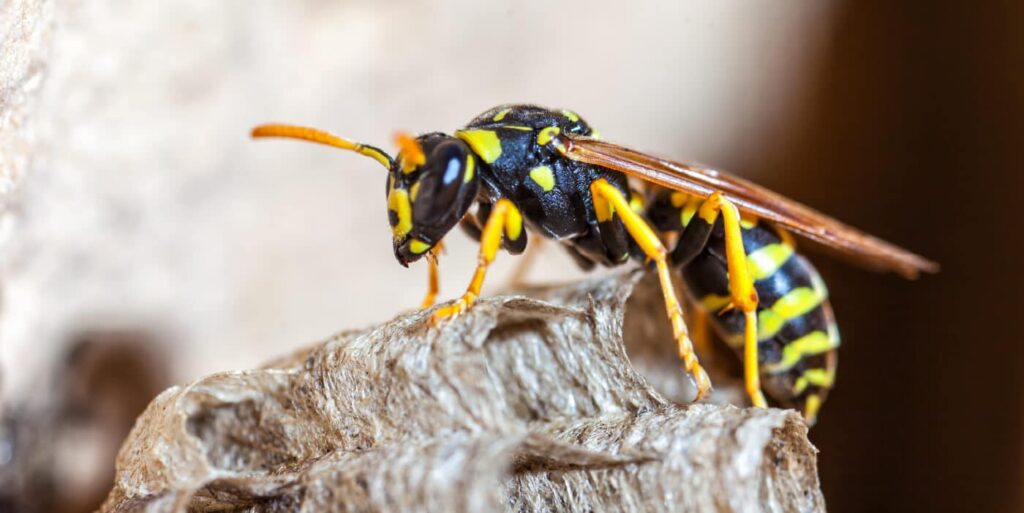


Winter pests are mostly the same ones you saw in fall, but now they’re living in your home instead of your yard. Rodents, cockroaches, ants, spiders, and stink bugs use heated homes as shelter, and termites stay active in warm, protected spaces. The cold weather doesn’t clear them out; it moves them indoors, where attics, wall voids, basements, and kitchens give them what they need until spring.
Top 10 cities for winter pest activity
(2025-2026)
- Napa: +94% year over year
- Detroit: +81.9% year over year
- Grand Rapids: +86.3% year over year
- Boston: +84% year over year
- Sacramento: +81% year over year
- Tacoma: +79% year over year
- Cincinnati: +77% year over year
- Columbus: +75.6% year over year
- Fort Lauderdale: +61.8% year over year
- Minneapolis: +61.6% year over year
Napa leads the winter ranking
Napa ranks No. 1 among the fall markets analyzed, with a sustained activity signal and 94% year-over-year growth. Its place at the top is notable because it reflects the overall market score, not a single isolated metric.
Regional breakdown
The Great Lakes area leads Aptive’s regional winter ranking with 57% year-over-year projected growth, followed by the Northwest and Southwest.
- Great Lakes: +57% year over year
- Northwest: +53% year over year
- Southwest: +29% year over year
- Southeast: +29% year over year
- Northeast: +28% year over year
Regional watch
Winter pest pressure depends on local climate, housing stock, and how long cold snaps last, so activity looks different from city to city. Aptive’s Pest Intelligence Center™ shows markets seeing a significant increase in winter pest activity.
Why winter is a settling-in season, not a shutdown
For pests, winter is a housing decision. Food gets scarce, temperatures drop, and a heated home becomes a safe haven for pests. Common winter pests sort into three groups:
- Shelter seekers: Stink bugs and many spiders slip in through gaps in the fall and wait out the cold in attics, wall voids, and basements.
- Heated-home residents: German cockroaches live in heated structures all year, and some ants and termites stay active wherever the building stays warm.
- Warmth-and-food hunters: Mice and rats don’t hibernate, so they commit to the warmest, best-stocked part of the house.
Aptive’s Pest Intelligence Center™ tracks these seasonal shifts, analyzing 500M+ data points a year across dozens of U.S. markets, so Aptive can plan around when and where activity is likely to build.
Winter pest activity by month
Timing varies by region and by how cold the season runs, but winter activity tends to follow a pattern.
December pests: Rodents and overwintering stink bugs settle in
December often brings the first real commitment. Mice and rats that scouted entry points in fall move into attics, wall voids, and garages, drawn by warmth and whatever a busy holiday kitchen leaves behind.
Stink bugs that arrived in fall tuck into protected spaces and go still. Delivery season adds a wildcard, because cardboard is a favorite hideout for cockroaches.
January pests: Cockroaches, spiders, and ants in the coldest stretch
January pushes pest activity toward the warmest rooms in the house. Kitchens, bathrooms, and laundry areas draw German cockroaches, and basements and garages draw spiders looking for a quiet corner.
An ant trail in January is a clue, not a coincidence. Ants active in winter are usually coming from a warm source, often a nest inside a wall or door frame.
February pests: Late-winter wake-ups and termite swarm season
February is when the pattern starts to shift. A run of mild days can wake stink bugs and send them toward living areas. Subterranean termites – which spend the coldest months deeper in the soil – may begin to show signs in some regions, such as discarded wings, just before their swarm window begins.
Winter pests at a glance
| Pest | Where it shows up | Winter signal | First move |
|---|---|---|---|
| Rodents | Attics, wall voids, garages, behind appliances | Scratching at night, droppings, gnaw marks | Seal gaps wider than a pencil |
| Stink bugs | Attics, window frames, siding gaps | A lone bug on a warm day | Vacuum and seal exterior cracks |
| Cockroaches | Kitchens, bathrooms, behind appliances, cardboard | Sightings after dark, egg cases | Recycle boxes, cut moisture and get rid of crumbs |
| Ants | Kitchens, bathrooms, door and window frames | Indoor trails in winter | Trace the trail to its source |
| Spiders | Basements, garages, closets, storage | More adults in quiet corners | Declutter and vacuum webs |
| Termites | Basements, sill plates, near furnaces and hot water pipes | Mud tubes, discarded wings | Book an inspection |
Myth or fact: Does cold weather get rid of pests?
Myth: Cold weather clears out pests.
Fact: Many pests survive winter by moving into protected spaces. Garages, basements, attics, crawl spaces, and wall voids hold steady conditions that outdoor spaces cannot.
The winter pest that surprises homeowners most: Rodents
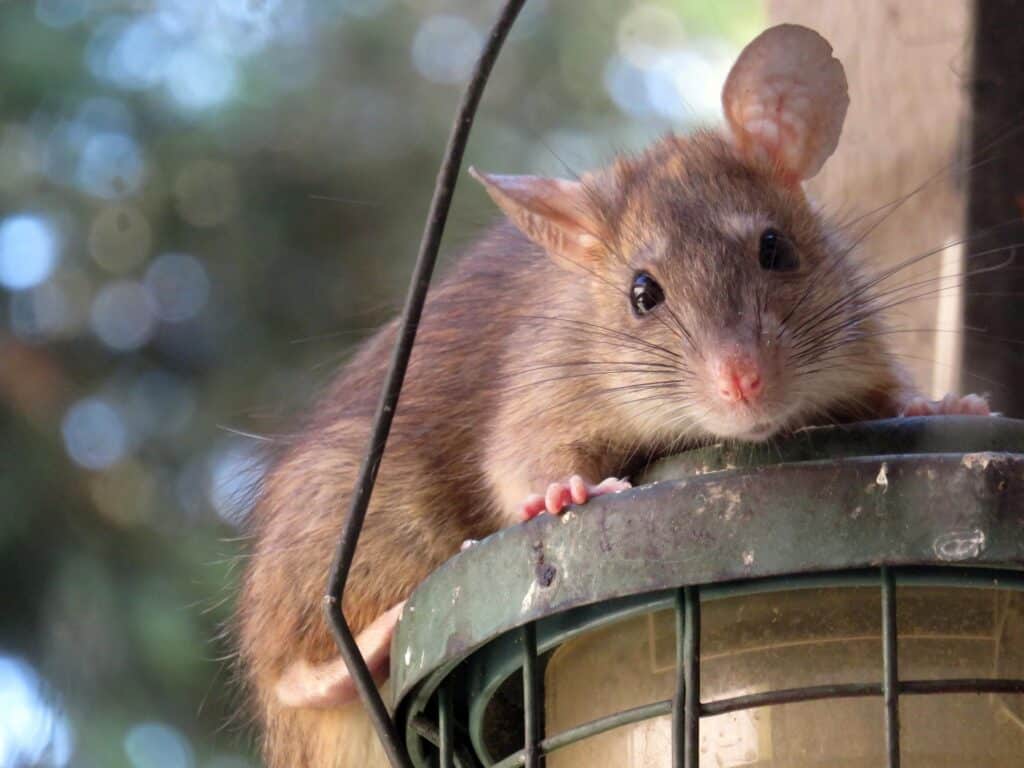
Rodents are the winter pest most likely to turn a quiet house into a noisy one. Mice and rats don’t hibernate, and a mouse can squeeze through a hole the width of a pencil, about a quarter of an inch – allowing for plenty of opportunities to make its way inside your home.
Once inside, mice nest in insulation, chew on wiring, and visit the pantry after dark. Common signs include:
- Sounds: Scratching or scurrying in walls and ceilings at night.
- Droppings: Small pellets near food, cabinets, or baseboards.
- Damage: Gnaw marks on packaging, wood, or wires.
- Rub marks: Greasy smudges along walls where they travel.
Fill small holes with steel wool plus caulk and use hardware cloth or metal for larger ones. Aptive Service Pros inspect for entry points and place professional traps out of reach of pets and children.
“Ultimately, long-term control is about removing access, food, and shelter so your home is no longer a viable place for mice to live,” said Isaac Rockwell, Aptive’s in-house entomologist.
The rest of the winter lineup
Rodents get the spotlight, but five other pests are all trying to settle into your home throughout winter. Each behaves differently once the heat comes on.
Stink bugs: Patient houseguests
Adult stink bugs enter buildings on warm, sunny days in fall and spend winter in attics, wall voids, and other sheltered spots. A warm winter day can bring them back toward windows and living areas. Sealing cracks around windows, soffits, and siding is the long-term fix.
It’s important that you don’t crush a stink bug if you find one as they release a strong odor when disturbed or crushed. Vacuum them with a nylon stocking over the hose end to help limit the smell, and empty the bag outside.

Cockroaches: The year-round resident
Cockroaches don’t need winter shelter because many already live indoors. German cockroaches thrive in heated structures year-round, and damp kitchens, bathrooms, and cluttered cabinets suit them best. Holiday shipping boxes are a common ride-along.
“Corrugated cardboard is a great habitat for cockroaches and provides them with a secure place to lay eggs,” said Rockwell. “It’s always a great idea to inspect boxes before storing them in the home.”

Ants: A trail in winter points to a warm nest
Ants are rarely a casual winter sight. Ants active in winter must be coming from a warmed source, and carpenter ants can nest in sound wood such as window frames, door frames, and walls near plumbing.
- Scenario one: Foragers venture out during a mild spell and follow crumbs to the kitchen.
- Scenario two: A carpenter ant colony is nesting in a heated wall or door frame and stays active all winter.

Spiders: Tenants, not casualties
Spiders don’t simply vanish in winter. They’re among the arthropods that look for shelter indoors, where basements, garages, and storage areas offer quiet corners.
Sightings usually reflect spiders moving through the house, not a sudden jump in numbers. Decluttering storage, sealing gaps, and vacuuming webs helps reduce the places they settle.

Termites: Quiet in the cold, active where it is warm
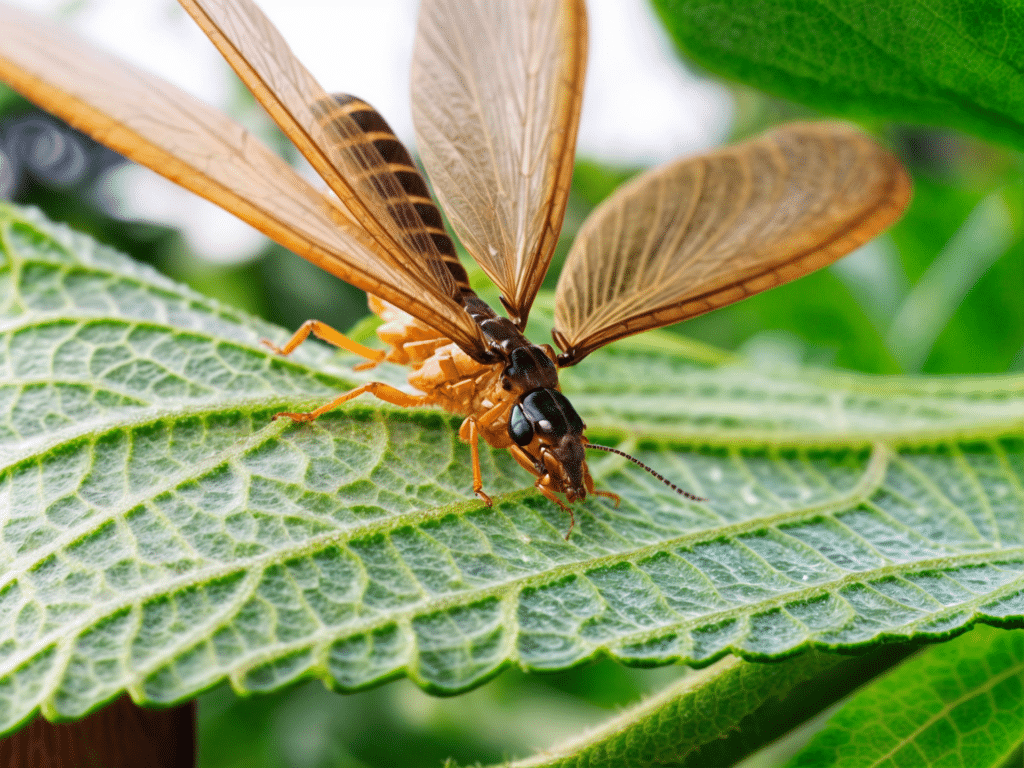
Termites are the winter pest you’re least likely to see. Subterranean termites retreat deeper into the soil in cold months, but stay active in heated areas of a home, such as near furnaces, chimneys, and hot water pipes.
Damage can build unnoticed for years. Mud tubes on foundation walls, discarded wings, and hollow-sounding wood are signs to look for.
Winter pest prevention checklist: 10 ways to help protect your home
- Seal small gaps: Fill holes with steel wool plus caulk, and use hardware cloth or metal mesh for larger openings. Rodents chew through foam.
- Add door sweeps: Fit sweeps and weatherstripping on exterior and garage doors.
- Seal utility lines: Close the openings around pipes, cables, and vents where pests enter the house.
- Repair screens: Patch window and vent screens and caulk the gaps around windows, soffits, and siding to help keep pests out.
- Break down cardboard: Take delivery boxes outside right away, since cardboard doubles as a hideout.
- Use hard-sided containers: Store pantry staples and pet food in airtight containers, and pack holiday decor the same way.
- Fix leaks: Repair dripping pipes and dry out damp spots in basements, kitchens, and bathrooms.
- Check the dishwasher: Look under and behind it for droppings or chewed hoses, especially during cold weather.
- Move firewood: Keep it as far from the house as you can.
- Clear the clutter: Tidy garages, basements, and closets so winter pests have fewer places to settle.
These steps help reduce pest pressure, but DIY actions have limits. Sealing and sanitation may not reach wall voids or hidden nests, and store-bought products might only offer temporary relief. A professional inspection is the more reliable path when signs of pest activity keep returning.
When to contact a professional for winter pest control
Call when you hear activity in the walls, spot cockroaches or ants repeatedly, find mud tubes or discarded wings, or see pests after you’ve sealed and cleaned. A professional can find the source, not just the signs.
Get ahead of winter pests
Winter isn’t a break from pest season, it’s the season pests move in. Aptive builds year-round plans with quarterly visits based around your home, your location, and the time of year, using insights from pest behavior and activity patterns. If pests return between visits, we’ll come back at no extra cost. Consider it handled.
Get a quote today for a pest control plan tailored to your home.
Winter pest FAQs
Q: What pests are common in winter?
Cockroaches, ants, spiders, and stink bugs are the most common indoor bugs in winter, with termites active out of sight in heated structures. Mice and rats are the mammals to watch. Most made their way indoors in fall or live in heated homes all year, so a winter sighting usually means a shelter, not a seasonal visit.
Q: What are overwintering pests?
Overwintering pests are insects, spiders, and rodents that ride out winter in sheltered places instead of dying off. Stink bugs tuck into attics and wall voids, spiders settle into basements and garages, and mice nest in insulation. Many stay mostly still until a warm spell wakes them.
Q: Do stink bugs die in the winter?
Most stink bugs that find shelter survive. Adults overwinter in attics, wall voids, and other protected spots. A warm day can wake them and send them toward living areas, which is why you may see one in January.
Q: Are termites active in winter?
Yes, in warm, protected parts of a structure. Subterranean termites move deeper into soil in the cold but can stay active near furnaces, chimneys, and hot water pipes. Damage can build unseen for years, so winter is still a good time for an inspection. Aptive treats termites in select cities only.
Q: Why are there ants in my house in the winter?
Ants in winter usually come from a warm source, often a nest inside a wall, floor, or door frame. Carpenter ants can nest in sound wood as well as damp wood. Locating the nest gives treatment the best chance of reducing the problem.