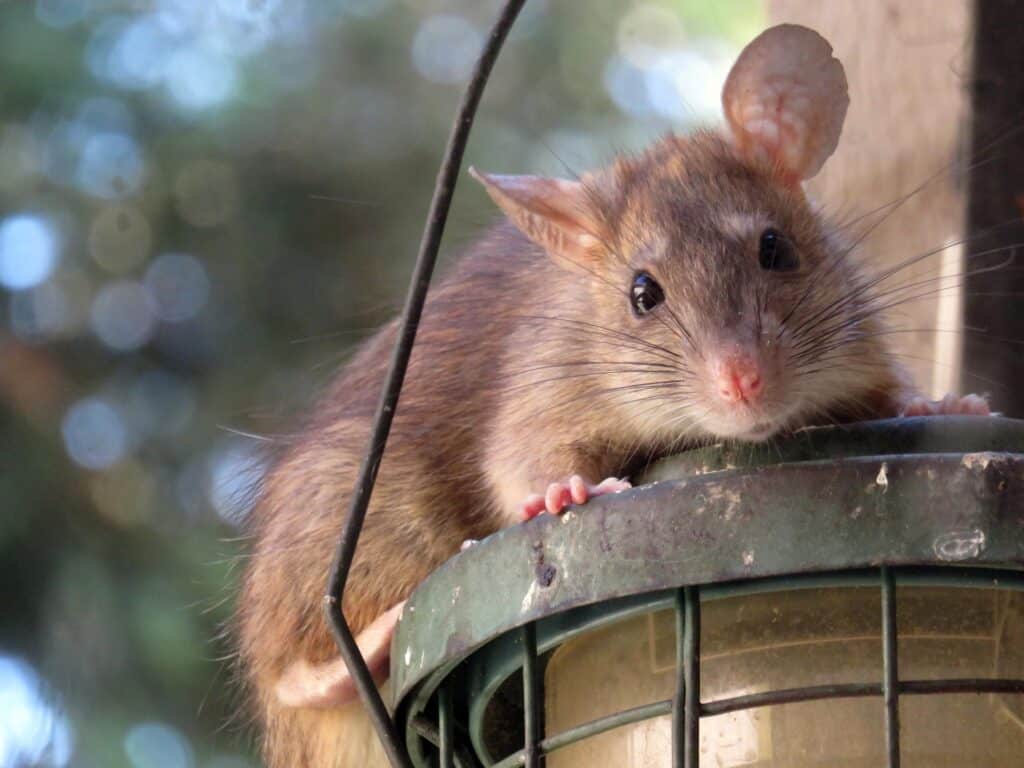
Rats chewing car wires represent one of the most expensive and dangerous rodent damage problems affecting vehicle owners, with repair costs often reaching thousands of dollars and creating serious safety hazards. Modern vehicles are particularly vulnerable to rat damage due to manufacturers’ increased use of soy-based wire insulation and biodegradable materials that rats find appealing for both gnawing and nesting purposes.
Understanding why rats target vehicle wiring, recognizing damage signs early, and implementing preventive measures protects vehicles from these destructive rodents. The combination of costly repairs, potential fire hazards, and safety system failures makes rat wire damage a serious concern requiring immediate attention.
Why do rats like chewing car wires?
Rats are compelled to chew car wires for several biological and environmental reasons that make vehicle wiring particularly attractive targets.
- Continuously growing incisors require rats to gnaw constantly on hard materials to wear down their teeth, which grow 4-5 inches annually and would become unmanageable without regular grinding. Wires provide ideal texture and resistance for this essential tooth maintenance behavior.
- Soy-based wire insulation used increasingly in modern vehicles to reduce environmental impact contains organic compounds derived from soybeans and other plant materials that rats find attractive through scent and taste. These eco-friendly materials inadvertently created food-like appeal that draws rats to chew wiring they might have previously ignored when petroleum-based insulation was standard.
- Protected engine compartments offer warm, enclosed spaces where rats feel safe engaging in extended gnawing sessions without predator threats or human disturbance. Residual heat from recently operated engines attracts cold-seeking rats who then encounter wiring during their exploration of these warm refuges.
- Nesting material needs drive rats to strip wire insulation for use in nest construction, with the soft, flexible material providing ideal resources for building warm, protected nests. Curiosity and exploration lead rats to investigate everything in their environments through gnawing, with wires being convenient targets during engine compartment exploration.
What kind of damage does rats chewing car wires cause?
Rats chewing car wires creates extensive, costly damage affecting multiple vehicle systems and creating serious safety hazards. Electrical system failures occur when rats sever wires controlling critical functions including ignition systems, fuel injection, sensors, and computer modules, often causing complete vehicle breakdowns requiring towing and emergency repairs. Check engine lights illuminate as damaged sensors send incorrect signals to vehicle computers, creating diagnostic challenges and expensive troubleshooting processes.
Safety system compromise represents the most serious damage category as rats may chew wiring for airbags, anti-lock brakes, stability control, and other critical safety features, potentially causing system failures during accidents when these features are desperately needed. Complete wiring harness replacement becomes necessary when damage is extensive, with costs easily ranging from $1,000-$5,000 depending on vehicle make and model.
Intermittent electrical problems develop from partially damaged wires that make unreliable connections, creating frustrating symptoms that come and go making diagnosis difficult and repairs expensive. Fuel system damage occurs when rats chew fuel lines or fuel system wiring, creating dangerous gasoline leaks and vapor release.
HVAC system failures result from damaged climate control wiring leaving vehicles without heating or air conditioning. Engine performance problems develop when sensor wiring damage prevents proper engine management, reducing fuel efficiency and power while increasing emissions. Total vehicle loss can occur if fire ignites from electrical shorts in chewed wiring.
Is it dangerous for rats to chew car wires?
Rats chewing car wires create serious dangers for both vehicle occupants and the rats themselves, though the primary concerns focus on human safety risks. Fire hazards represent the most critical danger as exposed wires from rat damage can create electrical shorts that generate sparks igniting flammable materials in engine compartments including oil residue, insulation, and fuel vapors. Vehicle fires can spread rapidly, potentially causing total vehicle loss and threatening nearby structures.
Safety system failures endanger occupants when rats damage wiring for airbags, anti-lock brakes, or electronic stability control, potentially causing these systems to malfunction during accidents when they’re critically needed for occupant protection. Brake system compromise can occur if rats damage brake sensor wiring or electronic brake system components.
Stranded vehicle situations create safety risks when rat damage causes breakdowns in dangerous locations including highways, isolated areas, or adverse weather conditions where occupants face exposure risks. Carbon monoxide risks may develop if rats damage exhaust system sensors that monitor emissions and alert drivers to exhaust leaks.
Electrocution dangers exist for anyone touching exposed wires during engine compartment inspections or repairs when ignition is on. Rats face electrocution when chewing live wires, though this doesn’t deter them from the behavior and creates additional hazards from dead rats in engine compartments. Collision risks increase when electrical problems affect lighting, instrumentation, or power steering systems during operation.
How to know if rats are chewing your car wires
Rat wire damage creates distinctive warning signs indicating immediate professional inspection and repair needs:
- Check engine light illumination: You might notice dashboard warning lights appearing suddenly, indicating sensor damage or electrical system problems from chewed wiring.
- Vehicle won’t start: It’s common to experience complete failure to start or intermittent starting problems suggesting ignition system wiring damage from rat activity.
- Visible wire damage in engine: You’ll discover chewed insulation, exposed copper wires, or completely severed wires during engine compartment inspections.
- Rat droppings in engine bay: You’re likely to find characteristic dark, capsule-shaped droppings on engine components indicating rats have accessed the compartment and likely chewed wiring.
- Unusual electrical symptoms: You might notice malfunctioning lights, dead batteries, or intermittent electrical problems indicating hidden wire damage from rat gnawing throughout vehicle systems.
How to prevent rats from chewing car wires
Comprehensive prevention strategies combining multiple approaches provide your best chance against rat wire damage:
- Park in enclosed garages: Store vehicles in sealed garages with weather-stripped doors and sealed entry points eliminating rat access to parked vehicles.
- Use rat deterrent sprays: Apply commercial rodent deterrent products containing peppermint oil or capsaicin to engine compartments and wiring, reapplying monthly or after rain.
- Install wire mesh barriers: Place hardware cloth or specialized rodent screens over vulnerable entry points into engine compartments blocking rat access routes.
- Remove food attractants nearby: Eliminate bird feeders, pet food, and garbage near parking areas that attract rats to properties and subsequently to parked vehicles.
When to talk to a pro
When dealing with rats chewing your car wires that are creating expensive repair costs, safety hazards, and threatening total vehicle loss, professional pest control services can provide effective rodent management and comprehensive vehicle protection solutions. At Aptive, our pest control experts can assess rat activity around your parking areas and vehicles, identifying the conditions attracting rats to your property.
If you’ve experienced rat damage to your vehicle wiring or have discovered signs of rat activity near your parked cars, don’t wait—contact Aptive today for a free quote. We’ll help you with effective rodent control while implementing targeted prevention strategies to avoid costly damage of your vehicle’s wiring, fire hazards, and safety system failures caused by these destructive rodents.