Did you know that brown recluse spiders, also known as violin spiders, are among the most common venomous arachnids found in the United States? These elusive creatures are famous for their distinctive violin-shaped markings on their bodies. Brown recluse spiders prefer dark and secluded areas, making them common inhabitants of basements, attics, and closets.
With their nocturnal nature, brown recluses navigate the shadows while remaining hidden during daylight hours. Alongside other notorious spiders like the black widow, these brown spiders possess a potent venom that can cause severe reactions in humans. Their bites can lead to skin necrosis and require immediate medical attention.
So let’s unravel the mysteries surrounding these venomous creatures and shed light on the secrets of the brown recluse!
Characteristics and Appearance of Brown Recluse Spiders
The brown recluse spider, scientifically known as Loxosceles reclusa, is a fascinating arachnid with distinct characteristics that set it apart from other spider species. Let’s delve into its appearance and key traits.
1. Adult brown recluse spiders measure about ¼ to ½ inch in body length.
When fully grown, these spiders typically reach a size ranging from a quarter to half an inch. Although their bodies may seem small compared to other spiders, their venomous bite packs a punch. It’s important to exercise caution when encountering them.
2. They have six eyes arranged in pairs, unlike most other spider species.
One notable feature that distinguishes the brown recluse spider from its counterparts is its unique eye arrangement. While many spiders possess eight eyes, the brown recluse has only six eyes arranged in three pairs. This peculiarity contributes to their distinctive appearance.
3. The color of brown recluse spiders can range from light tan to dark brown, often appearing darker than other common spiders.
As suggested by their name, these arachnids typically exhibit shades of brown on their bodies. Ranging from light tan to dark brown hues, they often appear darker compared to other commonly encountered spider species such as the black widow or garden spider.
The dark brown coloration serves as an effective camouflage mechanism for the brown recluse spider within its natural habitat—wood piles, cluttered closets, basements, and undisturbed areas within homes or buildings where they tend to reside.
Habitat, Life Cycle, and Longevity of Brown Recluse Spiders
Brown recluse spiders are typically found in warm and dry environments such as basements, attics, and closets. These reclusive creatures prefer dark and undisturbed areas where they can build their webs and hide from predators. While they are commonly associated with North America, particularly the southern and central regions, some species like Loxosceles rufescens can be found in other parts of the world.
The life cycle of brown recluse spiders consists of three main stages: egg sacs, spiderlings, and adults. Female brown recluse spiders produce multiple egg sacs throughout their lifespan. Each sac contains around 40 to 50 eggs and is carefully hidden in a secure location. After an incubation period of approximately one month, the eggs hatch into spiderlings.
Spiderlings emerge from their egg sacs with six legs instead of eight. They are smaller in size compared to adult brown recluse spiders but possess venom glands even at this early stage. As they grow older, spiderlings molt several times before reaching adulthood. This process allows them to shed their exoskeletons and develop larger bodies.
Once fully grown, adult brown recluse spiders measure about 6 to 20 millimeters in length (excluding leg span). They have a characteristic violin-shaped marking on their cephalothorax that helps identify them apart from other similar-looking spiders like hobo spiders. The longevity of these recluses varies depending on various factors such as environmental conditions and availability of prey.
Under favorable conditions with ample food supply and suitable hiding spots, brown recluse spiders can live up to two years. However, if resources are scarce or environmental conditions become unfavorable for survival (such as extreme temperatures), their lifespan may be significantly reduced. It’s important to note that brown recluse spiders are not aggressive and will only bite humans when they feel threatened or cornered.
Differences Between Brown Recluse Spiders and Similar Species
One key difference between brown recluse spiders and related species is the distinctive violin-shaped marking on their cephalothorax. This marking, also known as the “fiddleback,” sets them apart from other common house spiders. While many spider species may have varying patterns on their bodies, the violin-shaped mark is a defining characteristic of the brown recluse.
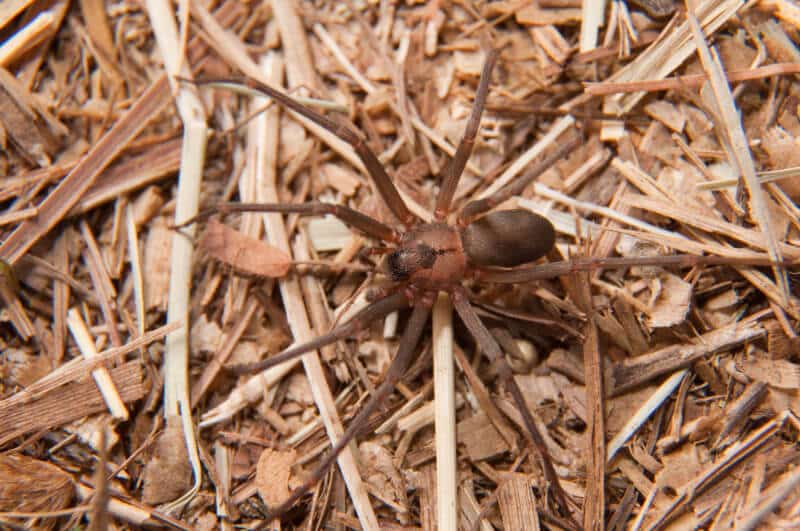
Another notable difference lies in their eyes. Unlike most spiders which typically have eight eyes, brown recluse spiders possess only six eyes arranged in three pairs. This unique eye arrangement further distinguishes them from other species. It’s important to note that while eye count can be difficult to discern without close examination, this feature can help identify a potential brown recluse sighting.
In terms of size, mature brown recluse spiders tend to have a larger leg span compared to other common house spiders. While there is variation within each species, brown recluses generally measure several inches across when fully grown. This disparity in leg span can aid in differentiating them from similar-looking spiders.
It’s crucial not to rely solely on common names. Brown recluse spiders are often referred to by various names such as violin spider or fiddleback spider due to their distinct markings. However, relying solely on these names can lead to confusion since there are other spider species with similar-sounding monikers but different characteristics.
Understanding these differences will assist homeowners and individuals in correctly identifying whether they are dealing with a potential brown recluse spider or a related species. It is important to exercise caution and seek professional assistance if unsure, as brown recluse spiders can pose a threat with their venomous bites.
Symptoms of Brown Recluse Spider Bites
Brown recluse spider bites can lead to a range of symptoms, varying from mild discomfort to severe complications. Understanding the signs and symptoms associated with these bites is crucial for prompt medical attention and appropriate treatment. Here are some key indicators to watch out for if you suspect you have been bitten by a brown recluse spider:
- Initial symptoms of a brown recluse spider bite may include a mild pain or stinging sensation at the site. This discomfort is often accompanied by redness and swelling around the affected area. It’s important not to ignore these early signs, as they can serve as an indication of a potential spider bite.
- Within hours or days after being bitten by a brown recluse spider, necrotic skin lesions may develop around the bite area. These lesions are characterized by their dark appearance and can gradually progress into open wounds that fail to heal properly. The tissue damage caused by the venomous bite leads to necrosis, which refers to the death of cells in living tissue.
- In severe cases, individuals may experience systemic symptoms alongside local effects. Systemic symptoms refer to those affecting the entire body rather than just the immediate vicinity of the bite. These can include fever, chills, nausea, muscle pain, and general malaise. If you notice any of these more severe symptoms following a brown recluse spider bite, it is important to seek medical attention promptly.
When dealing with potential brown recluse spider bites or any other venomous creature encounters, it’s always advisable to consult with healthcare professionals who specialize in arachnid envenomation management. They possess expertise in diagnosing and treating spider bites, ensuring the best possible outcome for patients.
Signs of a Brown Recluse Spiders in the Home
Signs of a brown recluse spider infestation can be alarming, but with proper prevention methods, you can keep these pests at bay. By understanding the signs to look out for and implementing effective prevention strategies, you can protect your home from potential harm.
Identifying Signs of a Brown Recluse Infestation
One of the key indicators of a brown recluse spider infestation is the presence of their webs in undisturbed areas. These spiders tend to create irregular webs that are not used for trapping prey but rather as retreats or egg sacs. Keep an eye out for these distinct webs in dark corners, basements, attics, or any secluded spaces where they may find shelter.
Another sign to watch for is shed skins. As brown recluse spiders grow, they molt several times throughout their lifespan. These discarded exoskeletons can often be found near their hiding places or in areas where they frequently roam.
Sightings of the spiders themselves are a clear indication of an infestation. Brown recluse spiders have a distinctive appearance with violin-shaped markings on their cephalothorax. Their bodies range from light tan to dark brown, and they typically measure about ¼ to ½ inch long. If you spot one of these spiders lurking around your home or property, it’s essential to take action promptly and hire a pest control company that can effectively manage brown recluse spiders in the home.
Control Brown Recluse Spiders in the Home
Controling brown recluse spider infestations involves implementing integrated pest management techniques and taking proactive measures around your property:
- Sealing cracks and crevices: Inspect your home thoroughly for any openings that may serve as entry points for spiders. Seal cracks in walls, windowsills, doors, and foundation using caulk or weather stripping.
- Removing clutter: Clearing clutter from storage areas eliminates potential hiding spots for brown recluse spiders. Regularly declutter basements, attics, closets, and garages to minimize their chances of infesting these areas.
- Trimming outdoor vegetation: Brown recluse spiders are drawn to dense vegetation, so keeping your lawn and garden well-maintained can deter them from taking up residence near your home.
- Inspecting regularly: Conduct thorough inspections of your property, paying close attention to dark corners, crawl spaces, and other secluded areas where brown recluse spiders may hide. Look for signs of webs, shed skins, or live specimens.
- Using traps: Place sticky traps strategically in areas where spider activity is suspected. These traps can help capture any wandering spiders and serve as an early warning system for potential infestations.
By following these prevention methods and remaining vigilant, you can significantly reduce the risk of a brown recluse spider infestation in your home. Remember that if you suspect an infection or have been bitten by a brown recluse spider, it’s crucial to seek medical attention promptly as their bites can lead to serious complications such as bacterial infections or even fever.
Don’t let these elusive spiders take over your living space; take the necessary steps to keep them at bay by implementing effective prevention strategies and staying informed about their habits and hiding places. With proper knowledge and proactive measures, you can create a safer environment for yourself and your loved ones while keeping those pesky brown recluse spiders at bay.
Management and Treatment of Brown Recluse Spiders
Professional pest control services can assist in managing brown recluse spider populations through targeted treatments. These experts are trained to identify the signs of a brown recluse infestation and implement effective strategies to eliminate them. They have access to specialized products that are specifically designed to target spiders, ensuring a more successful outcome.
In addition to professional assistance, there are nonchemical methods that can aid in reducing the number of brown recluse spiders indoors. Vacuuming webs and removing debris regularly can help eliminate hiding spots and disrupt their breeding cycles. By keeping the environment clean and free from clutter, you can discourage these spiders from establishing their presence.
However, it is important to note that while these measures can be effective in managing brown recluse populations, they may not completely eradicate them. This is because brown recluse spiders have unique behaviors that make them difficult to control. Their ability to hide in small crevices and their preference for undisturbed areas make it challenging to reach every individual spider.
To effectively manage the presence of brown recluse spiders, it is crucial to address any underlying conditions that attract them. These spiders are often found in dark, secluded areas such as basements, attics, or storage spaces. Moisture problems or excessive clutter provide favorable conditions for their survival. By addressing these issues, such as fixing leaks or reducing humidity levels, you can create an environment that is less appealing to brown recluse spiders.
It is also essential to consider medical intervention if someone has been bitten by a brown recluse spider. The venom of these spiders can cause severe reactions in some individuals, leading to tissue damage and necrosis at the bite site. Seeking prompt medical attention is crucial in preventing complications and ensuring proper treatment.
When it comes to managing brown recluse spider populations and minimizing the risks associated with their bites:
- Professional pest control services offer targeted treatments for effective population management.
- Nonchemical methods like vacuuming webs and removing debris can aid in reducing their numbers indoors.
- Addressing underlying conditions such as moisture problems or excessive clutter is important to discourage their presence.
- Seeking medical intervention for brown recluse spider bites is essential due to the potential venomous effects.
Conclusion
In conclusion, controlling infestations and managing brown recluse spiders is crucial to properly protect your home. By understanding their characteristics, appearance, habitat, life cycle, and longevity, you can better identify and address potential infestations. It is important to be able to differentiate between brown recluse spiders and similar species to accurately assess any risks.
Being aware of the symptoms of brown recluse spider bites is essential in seeking timely medical attention. If you suspect a bite from a brown recluse spider, it is recommended to seek medical help promptly. Treatment options for brown recluse spider bites may vary depending on the severity of the symptoms.
To prevent infestations, it is vital to recognize signs of an existing problem and take appropriate measures for prevention. Regular inspections, sealing cracks and crevices, reducing clutter, and implementing effective pest control methods are all key steps in managing brown recluse spiders.
In managing these spiders, it is important to follow professional advice or seek assistance from professional spider control when necessary. Taking proactive measures can significantly reduce the risk of encountering these venomous spiders.
Remember that prevention plays a crucial role in minimizing the chances of a brown recluse spider infestation. By staying vigilant and addressing any signs early on, you can maintain a happy home environment for yourself and those around you.