If you’ve ever struggled with cockroaches, flies, or rats, you know how frustrating it can feel when they seem to have a secret invitation to your garbage. These pests are often drawn to food residue, moisture, and even strong odors emanating from your trash. Understanding what attracts pests to your trash—like rats eating leftover food scraps or flies around your trash cans—can empower you to take charge and keep your home pest-free.
We’ll take a look at why pests are attracted to your garbage and share some simple tips to keep your trash cans pest-proof. Let’s work on making your home cozy and peaceful again.
Why Pests Are Drawn to Garbage
Pests are attracted to garbage because it offers everything they need: food, moisture, and shelter. Here’s why certain pests are commonly found near trash:
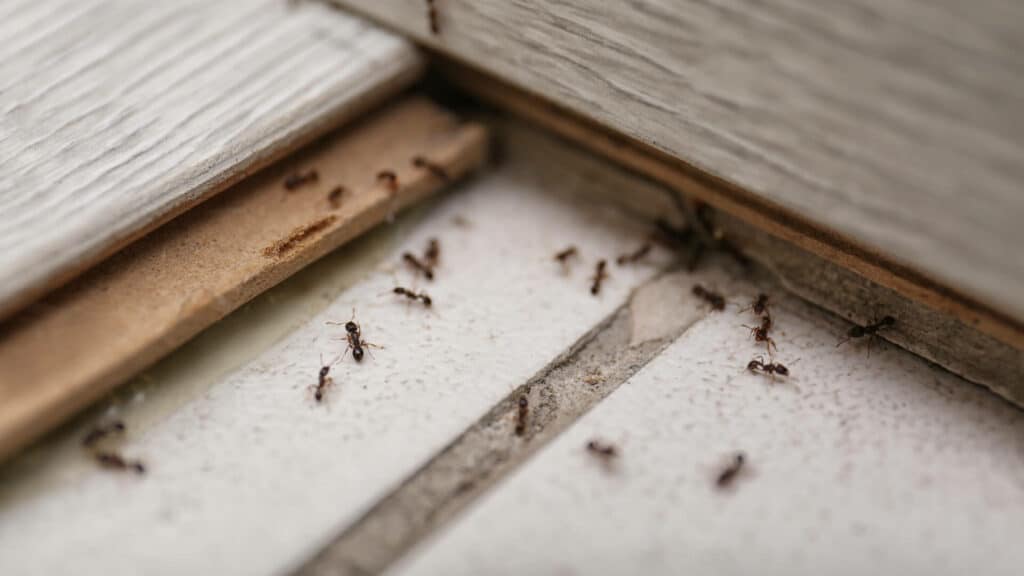
- Cockroaches: They are the scavengers. They are drawn to food scraps and waste in your garbage, especially in warm, moist environments. Once they find a reliable food source, they can multiply quickly, making getting rid of cockroaches challenging.
- Flies: These pests lay their eggs in rotting food or organic waste. When flies infest your trash cans, they can reproduce rapidly, leading to maggots and a growing fly population.
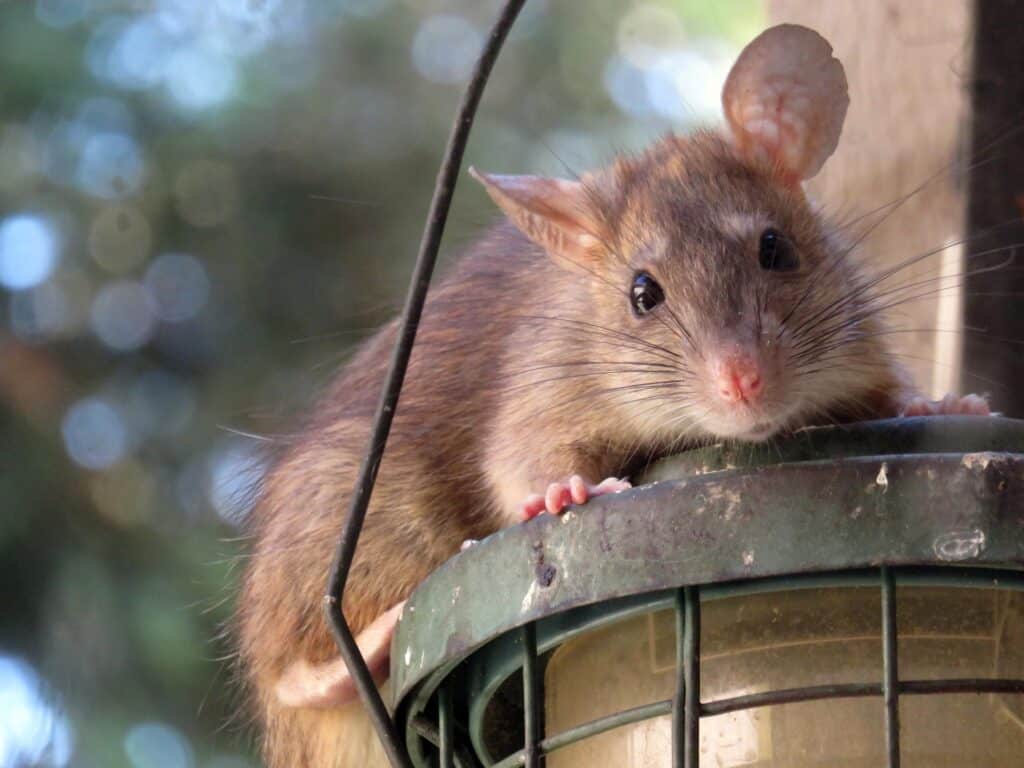
- Rats: Rats in homes are always on the lookout for food, and garbage provides a rich, easy supply. They can chew through thin trash bags and containers to access food scraps, and once they find a reliable food source, they will keep coming back.
7 Essential Strategies on How to Keep Pests Out of Your Garbage
Keeping pests out of your garbage requires a combination of sanitation practices, proper disposal, and effective sealing of trash containers. Understanding what attracts pests is key to prevention. Here’s how you can stop them from turning your garbage into their feeding ground:
1. Use Sturdy, Sealed Trash Bins
One of the best ways to prevent pests from getting into your garbage is to use high-quality trash bins with tight-fitting lids. Thin or open containers are easy for pests to break into. For tips on how to keep pests out of garbage, invest in bins made from durable materials like metal or heavy-duty plastic.
Always make sure the lid is tightly secured to prevent pests from squeezing through. For added security, consider using bungee cords or clips to keep the lid closed, especially if you have outdoor trash bins.
2. Double-Bag Food Waste
Food scraps are the biggest attractants for pests. To reduce the smell and make it harder for pests to access food, consider double bagging any food waste. This creates an extra layer of protection, making it more difficult for pests to detect or chew through the bags.
If possible, separate food waste from other trash and place it in a composting bin away from your home to reduce pest interest.
3. Clean Your Trash Bins Regularly
Even if you’re careful about what you throw away, your trash bins can accumulate food residue and moisture over time. This buildup can attract pests, revealing what attracts pests to your garbage. Make it a habit to clean your trash bins regularly with soap and water. For outdoor bins, using a hose with a high-pressure nozzle can help remove leftover food particles and grime that the pests are seeking out.
4. Don’t Leave Trash Sitting Out
If trash sits for too long, it becomes more appealing to pests. Take out your garbage regularly, especially if it contains food scraps or organic waste. If you notice flies or cockroaches near your bins, consider using pest proof containers and increasing the frequency of your garbage disposal to limit the window of opportunity for pests to access it.
For indoor trash, empty bins daily, particularly in the kitchen, where food waste is most likely to attract pests.
5. Keep Trash Areas Dry
Moisture attracts pests. Cockroaches, flies, and rats are all drawn to damp environments. Make sure your trash areas stay dry, both indoors and outdoors. Use absorbent materials like newspaper at the bottom of your bins to soak up any liquid and fix any leaky pipes or outdoor sprinklers that could add moisture to trash areas.
6. Secure Outdoor Trash
Outdoor trash is particularly vulnerable to pests, especially in warmer months, due to what attracts pests to garbage. Ensure your outdoor bins are placed on a flat, stable surface, away from your home. If possible, store trash bins in a garage or shed to provide an extra layer of protection.
If you’re noticing ongoing issues with outdoor pests like rodents, consider adding a locked bin enclosure or caged area around your outdoor trash. This can prevent larger pests from accessing your garbage and making a mess.
7. Address Surrounding Pest Issues
Sometimes, pests are drawn to your garbage because there are other sources of food or shelter nearby. For example, rats might be coming from overgrown bushes, or cockroaches might be living in cracks near your home’s foundation. Knowing how to keep pests out of garbage involves implementing broader garbage pest control and yard management practices, such as trimming shrubs, sealing entry points, and eliminating other food sources, which can help keep pests away from your garbage.
Get Professional help for your Garbage Seeking Pests
Knowing what attracts pests to your home is important to keeping your space free of these invaders, and Aptive is here to help with our expert pest control services designed for homeowners like you. We also provide a free quote to help you begin your path to a clean and comfortable home environment. Get in touch now, we’re here to help!