Keeping a home protected from pests is essential for maintaining a healthy and comfortable living environment. A one-time pest control treatment is a fantastic first step in addressing immediate pest issues, but for long-term protection, regular pest control is the key. Many homeowners may not realize that pests are highly resilient and can return without consistent preventative treatment measures. In this blog, we’ll explore the benefits of regular pest control, the limitations of one-time treatments, and how consistent pest management protects your home and family from potential infestations.
Is a One-Time Treatment Enough?
A single pest control treatment can address an immediate problem effectively, but pests have been programmed through millions of years of evolution to seek out and find new routes of entry to potential food, water, and harborage sources.
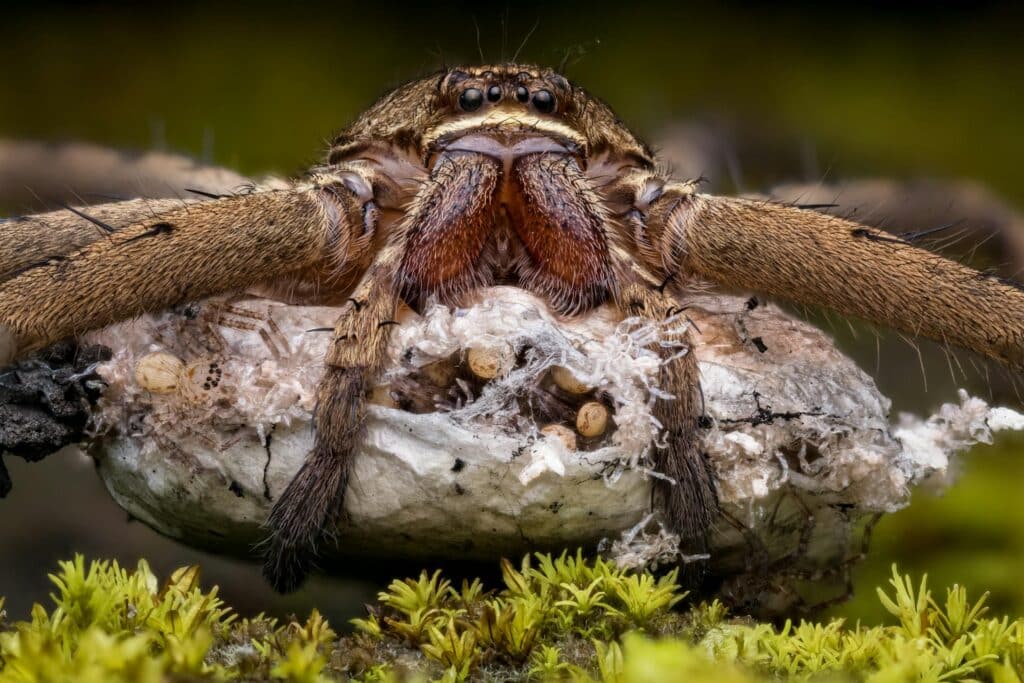
Furthermore, pests reproduce quickly. For example, one German cockroach can produce up to 400 offspring in just six months. Wolf spiders lay between 100 – 135 eggs in a single egg sac. Ant colonies are continually producing eggs and larvae which develop into adult foragers. Without consistent treatment, these pests can return and multiply, potentially creating larger infestations than before.
Regular pest control goes beyond eliminating pests that are already present—it establishes an ongoing barrier to protect your home from future intrusions. This proactive approach saves homeowners time, money, and frustration in the long run.
Understanding the Lifespan of Pest Control Products
The pest control products used in treatments are scientifically formulated to be effective against specific pests while minimizing their impact on non-target organisms. However, any and all residual products have a limited lifespan due to environmental factors like:
- Moisture: Over time, moisture degrades any residual product through a process called “hydrolysis”.
- Sunlight and Heat: UV rays and high temperatures will break down the active ingredients in pest control products through a process called “photolysis”.
- Pest Migration Patterns: Seasonal movements of pests, such as ants or rodents, may require targeted applications.
At Aptive Pest Control, we provide ongoing treatments to ensure that your home remains protected year-round. Regular visits allow for the reapplication of products to maintain a consistent barrier.
The Benefits of Regular Monitoring
One of the most significant advantages of regular pest control is the inclusion of expert monitoring. This isn’t just about reapplying treatments—it’s about keeping a trained eye on your property to identify potential risks.
During routine visits, our pest specialists assess your home for:
- Signs of Activity: Droppings, nests, or trails indicate that pests may be trying to return.
- Conducive Conditions: Moisture, clutter, and food sources can attract pests if not addressed.
- Structural Vulnerabilities: Small cracks, gaps, or holes can become entry points for pests.
By catching these issues early, regular monitoring helps prevent infestations before they start. It also allows for targeted adjustments to the treatment plan based on the specific needs of your home.
Preventing Infestations Before They Start
Infestations often begin long before they become visible. Many pests, such as ants or mice, can live and reproduce in hidden areas like walls, attics, and crawl spaces. By the time homeowners notice them, the infestation may already be extensive.
Regular pest control works as an early detection system. For example:
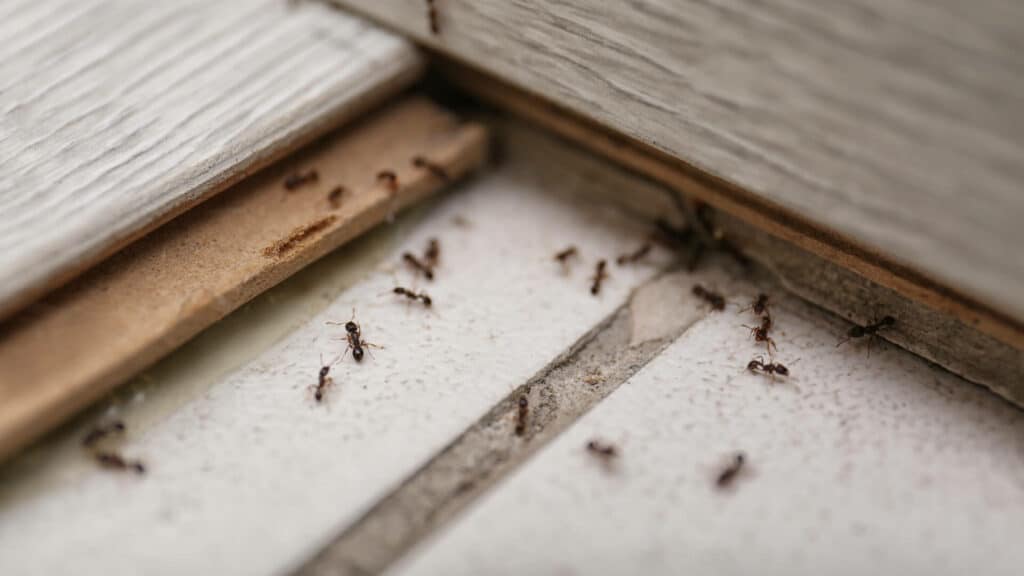
- Ants: Early treatments can eliminate colonies before they expand.
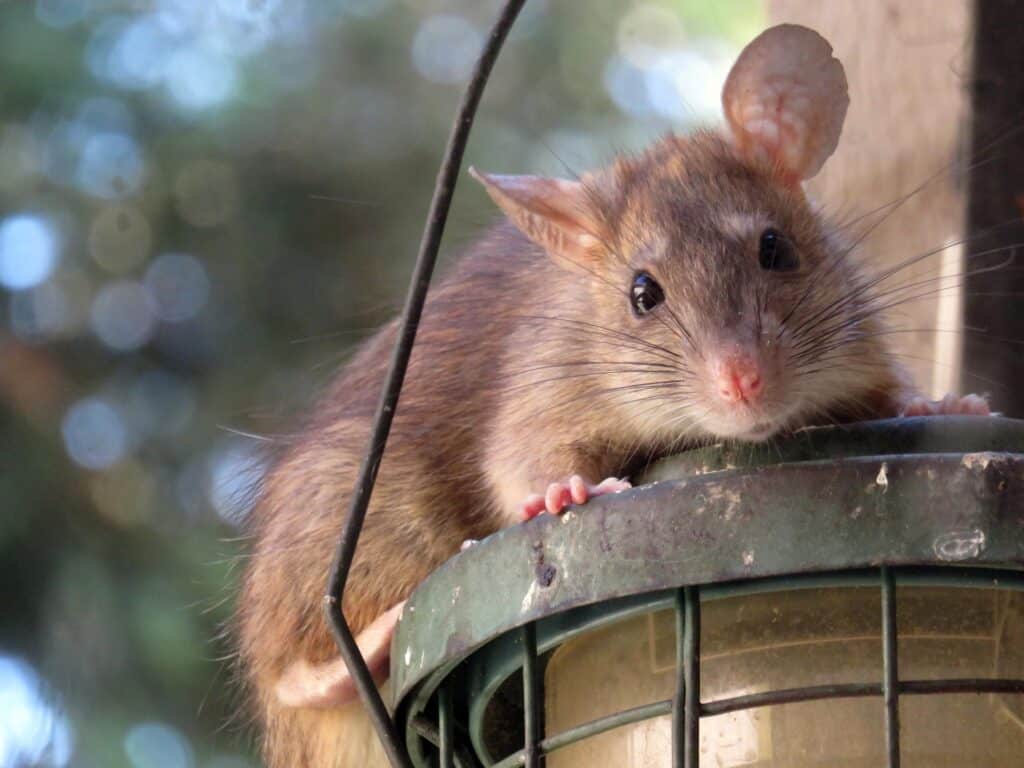
- Rodents: Identifying entry points and signs of activity can prevent costly damage to wiring or insulation.
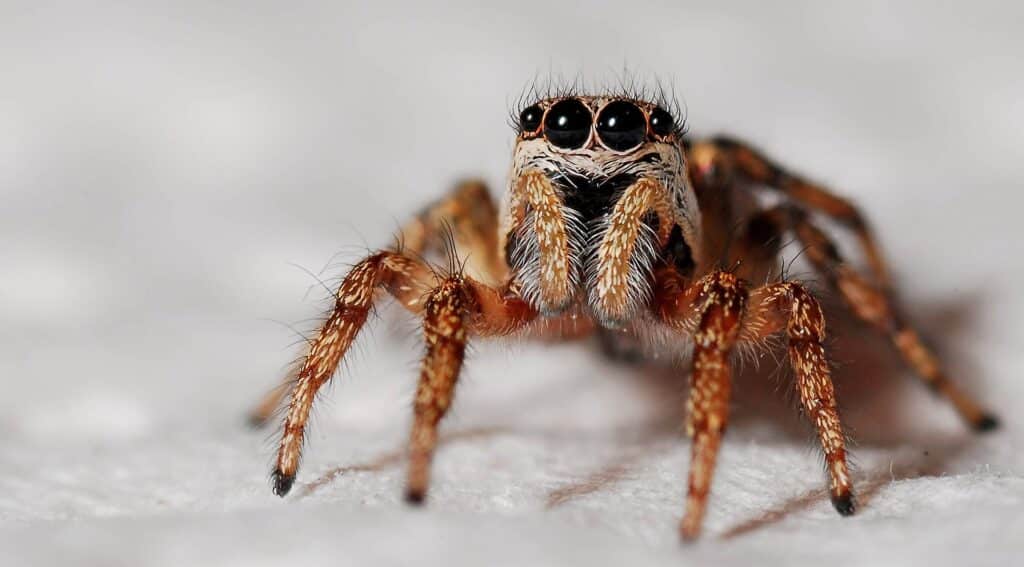
- Spiders: The key to eliminating spider activity is two-fold: remove webs as soon as they are built and eliminate the spider that built it, and eliminate all other pest activity which acts as their food source.
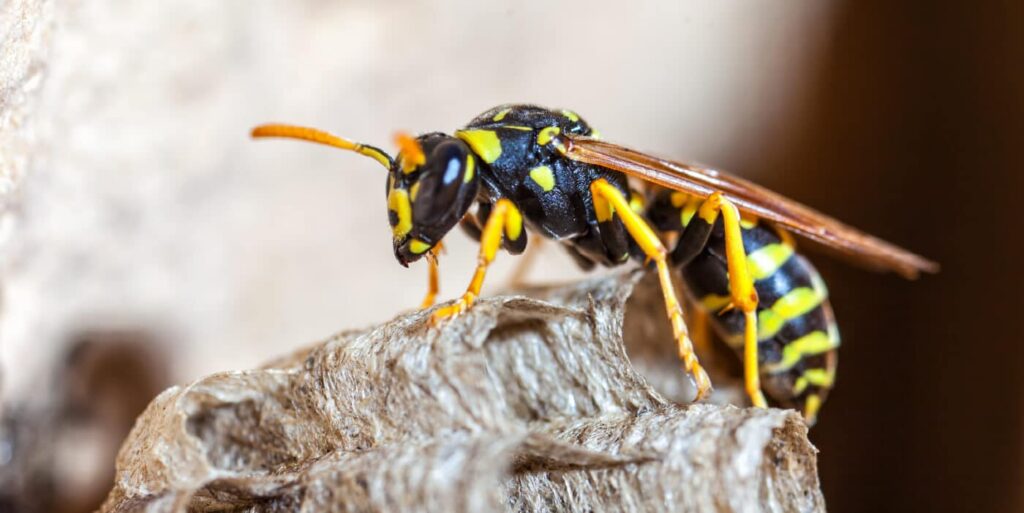
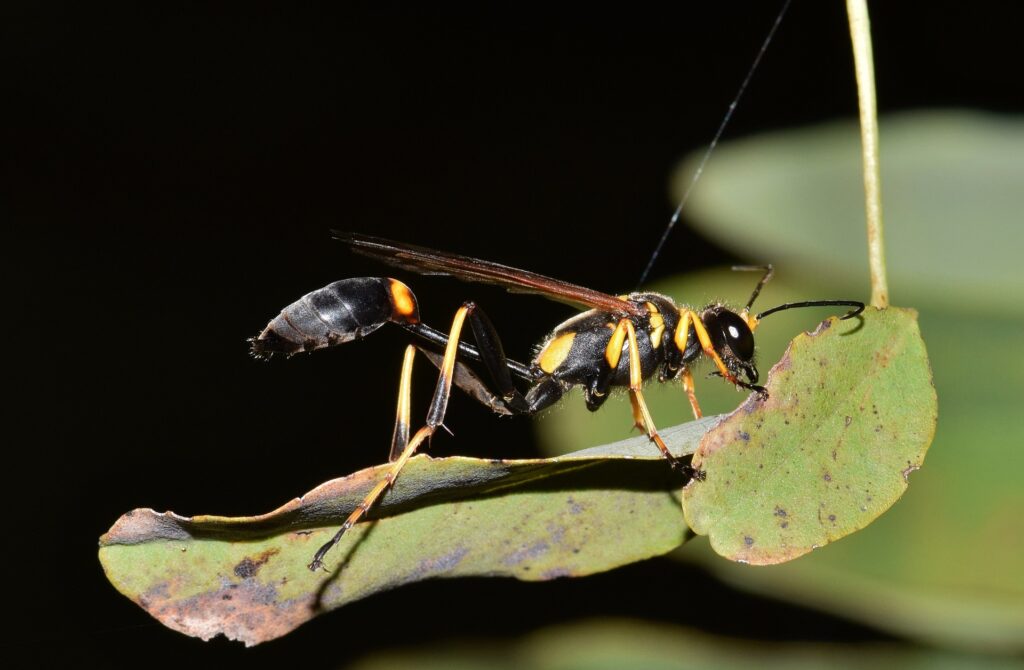
- Wasps: No residual barrier will eliminate a flying insect. Therefore immediate removal of the nests they attempt to build is the only way to reduce wasp activity on and around the home.
A proactive approach to pest management ensures that small problems don’t escalate into significant issues, saving homeowners from the stress and expense of a full-scale infestation.
How Seasonal Changes Impact Pest Activity
Pest behavior is closely tied to the changing seasons, making year-round pest control an important consideration.
- Spring: Warmer weather brings ants, spiders, and other pests out of hibernation and into the beginning of their breeding cycles. Regular pest control treatments in spring can address these emerging pests before they establish colonies.
- Summer: The heat often drives pests like spiders and ants indoors, seeking cool, moist environments.
- Fall: Rodents and spiders begin searching for warm shelter as temperatures drop.
- Winter: While pest activity may slow, this is the time to place long term treatments directly into cracks, crevices, or voids where pests nest and enter in order to avoid surprises when spring arrives.
Consistent pest control adapts to these seasonal shifts, ensuring your home is protected no matter the time of year.
Why Consistency is Key in Pest Management
Consistency is the foundation of effective pest control. Without it, even the best treatments can fall short. Regular pest control ensures that:
- Pests Are Managed Continuously: Ongoing treatments create a stable barrier against pests.
- The Environment is Monitored: Changes in your home’s surroundings, such as new construction nearby or landscaping updates, can introduce new pest risks.
- Treatments Stay Effective: Reapplying products and updating treatment methods based on the latest techniques keeps your home consistently protected.
Homeowners who commit to regular pest control often report fewer pest problems and enjoy greater peace of mind knowing their home is being cared for by professionals.
Conclusion: Invest in Regular Pest Control for Peace of Mind
While a one-time pest control treatment can address immediate concerns, it only takes on a short-term symptom and not the underlying problem creating the pest presence. Regular pest control is essential for long-term protection. From reapplying treatments to monitoring for early signs of activity, consistent pest management ensures your home remains a place of comfort and enjoyment.
At Aptive Pest Control, our approach reflects a commitment to helping homes and communities, one home at a time. With regular pest control, you’re not just addressing pests—you’re creating a space you can truly enjoy.
Explore how Aptive can help protect your home year-round by visiting our local service pages or by contacting us today. Let us help you take the next step in creating a more enjoyable and worry-free home environment.