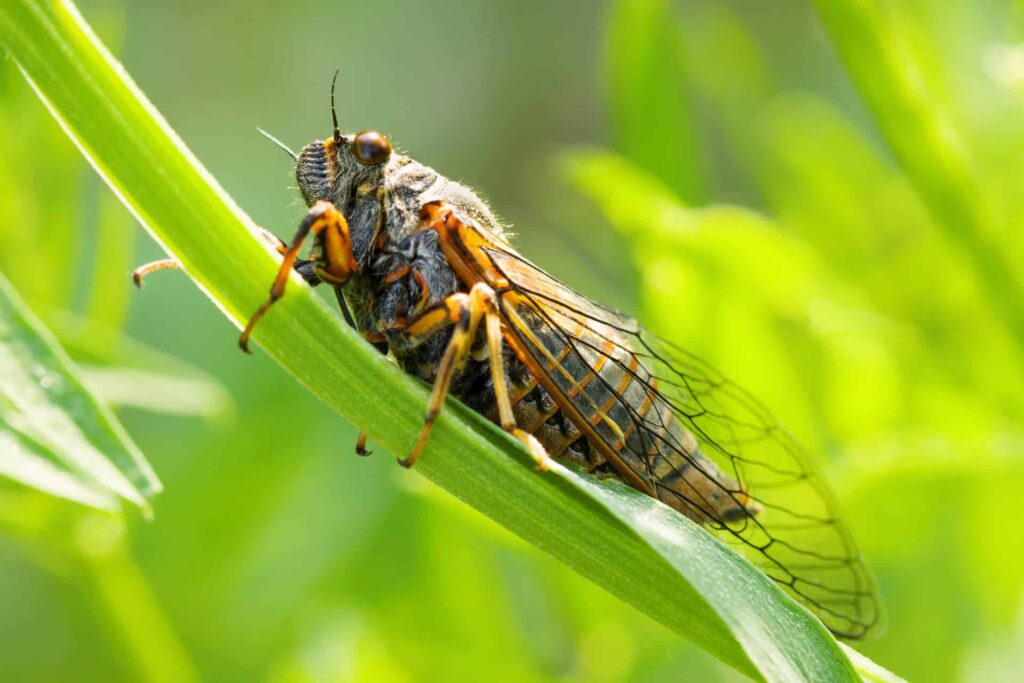
If you’ve encountered dragonflies around water sources or in your garden, you might wonder whether these large, fast-flying insects pose any threat to humans. With their impressive size, powerful flight capabilities, and predatory nature, dragonflies can appear intimidating when they zip past or hover nearby. Understanding dragonfly behavior and biology can help dispel common misconceptions about these fascinating insects and clarify whether they present any danger to people or pets around your property.
Are dragonflies dangerous?
Dragonflies are not dangerous to humans and do not sting. Unlike wasps, bees, or hornets, dragonflies lack stingers entirely and cannot inject venom into potential threats. While they do bite occasionally when handled roughly, their bites are harmless to humans—they lack the jaw strength to break skin and don’t carry diseases that affect people. Their intimidating appearance, with large compound eyes and powerful flight capabilities, often creates unnecessary fear, but dragonflies are actually gentle creatures that pose no health risks..
Is it good to have dragonflies in your yard?
Having dragonflies in your yard is extremely beneficial and should be considered a positive sign of a healthy ecosystem. These aerial predators are voracious consumers of mosquitoes, flies, gnats, and other flying pests that can make outdoor activities unpleasant. A single dragonfly can consume hundreds of mosquitoes per day, making them one of nature’s most effective pest control agents. Their presence significantly reduces populations of biting insects without requiring chemical interventions or artificial pest management methods.
Do dragonflies kill hummingbirds?
While extremely rare, large dragonfly species can occasionally attack and potentially kill very small hummingbirds, particularly juveniles or the smallest hummingbird species. However, this behavior is not typical and represents unusual circumstances rather than normal dragonfly behavior. Most dragonfly species are far too small to pose any threat to hummingbirds, and even the largest species typically focus on much smaller prey like mosquitoes, flies, and other insects.
When such incidents do occur, they usually involve the largest dragonfly species and the smallest or youngest hummingbirds under specific circumstances. These encounters are so infrequent that they don’t represent a meaningful threat to hummingbird populations or a reason to discourage dragonflies from your property.
How to know if you have a dragonfly infestation
True dragonfly “infestations” are extremely rare and typically temporary, as these insects are beneficial predators rather than pests. However, you might notice increased dragonfly activity during certain conditions. Large numbers of dragonflies usually appear in response to abundant prey populations—if you see many dragonflies, it often indicates high populations of mosquitoes, gnats, or other flying insects that have attracted them to the area.
Dragonflies require water sources for reproduction, so properties near ponds, streams, marshes, or even large puddles may experience higher dragonfly activity during their breeding season. Unlike pest infestations, dragonfly presence is usually beneficial and temporary, often resolving naturally as prey populations decline or weather conditions change.
Do dragonflies swarm?
Dragonflies do occasionally form swarms, but these events are natural phenomena rather than problematic infestations. Two main types of dragonfly swarming occur: feeding swarms and migratory swarms. Feeding swarms develop when large populations of prey insects, such as mosquitoes or midges, attract numerous dragonflies to abundant food sources. These swarms are beneficial as they indicate effective natural pest control occurring in the area.
Unlike pest swarms that require control measures, dragonfly swarms should be appreciated as fascinating natural events that demonstrate healthy ecosystem functioning and provide temporary but intensive mosquito and fly control.
How to prevent a dragonfly infestation
Since dragonflies are beneficial predators rather than pests, prevention is rarely necessary or advisable. However, if excessive dragonfly activity becomes problematic, consider these approaches:
- Reduce standing water sources: Eliminate stagnant water in containers, bird baths, or decorative ponds where dragonflies might breed, though this may also affect beneficial wildlife.
- Control prey populations: Address underlying mosquito, gnat, or fly problems that attract dragonflies, as reducing their food sources will naturally decrease dragonfly activity.
- Modify lighting: Reduce outdoor lighting at dusk and evening hours when dragonflies are most active, as lights attract both dragonflies and their prey insects.
- Landscape management: Trim vegetation around water features and maintain areas that might harbor large populations of flying insects.
- Temporary deterrents: Use fans or air movement in specific areas where dragonfly activity interferes with outdoor activities, as they prefer calm air conditions for hunting
- Timing outdoor activities: Schedule activities during times when dragonfly activity is naturally lower, typically during cooler morning hours or when weather conditions are less favorable for insect activity.
Remember that dragonflies provide valuable pest control services, so complete elimination is rarely beneficial for overall yard health and comfort.
When to call a professional
If you’re experiencing unusually large dragonfly populations that interfere with outdoor activities or have concerns about managing the underlying pest issues attracting them, contact Aptive today for a free quote. Our experienced pest control experts can properly identify the root causes of excessive dragonfly activity and implement effective solutions to address mosquito, gnat, and fly populations that may be drawing dragonflies to your property.
We’ll also help identify potential breeding sites and provide recommendations for managing water sources and pest populations that contribute to dragonfly activity. Don’t wait until pest problems become overwhelming—early intervention is key for maintaining comfortable outdoor environments while preserving the beneficial aspects of a natural pest control service.