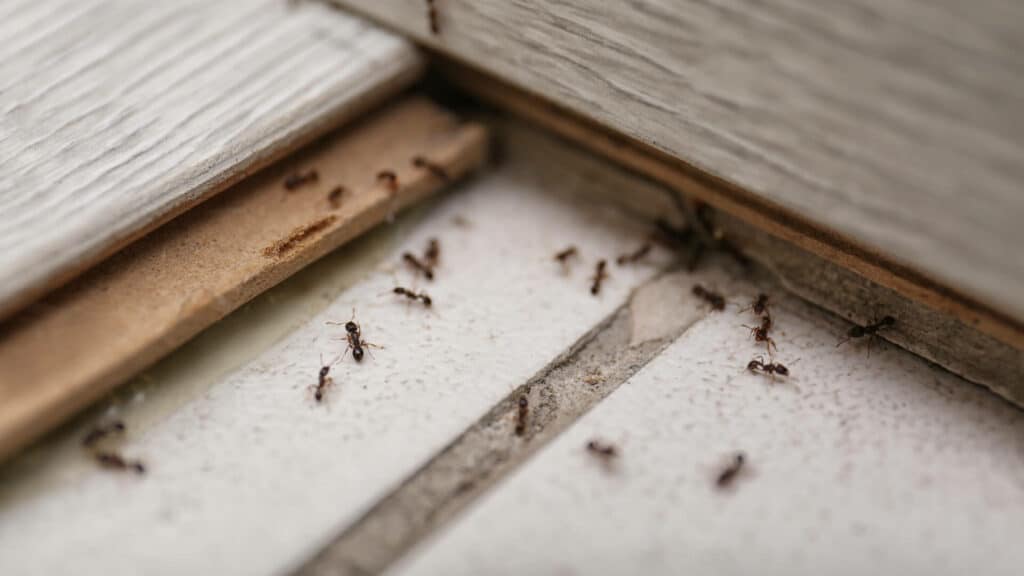
You turn on the kitchen light for a late-night glass of water when sudden movement across the counter catches your attention—a dark insect scurrying toward the shadows before disappearing behind the coffee maker. During daylight hours, your kitchen appears completely pest-free, yet these nighttime encounters occur with increasing frequency, always featuring the same pattern of insects that seem to materialize from nowhere when darkness falls.
This common scenario highlights one of the most puzzling aspects of household pest control—understanding why many insects demonstrate strictly nocturnal behaviors that enable them to remain virtually invisible during daytime hours while actively foraging and reproducing under cover of darkness.
Nocturnal Pests Are Built for Darkness
Many household insects have evolved sophisticated nocturnal behaviors that provide survival advantages in environments where daytime activity exposes them to predation, human interference, and environmental stresses.
Darkness provides natural camouflage that reduces predation risks from birds, reptiles, and other visual predators that hunt during daylight hours. Nighttime temperatures typically offer more favorable conditions for insects sensitive to heat stress and dehydration. Reduced human activity during evening hours creates opportunities for uninterrupted foraging, mating, and territorial establishment without disturbance from household routines.
Nocturnal insects possess enhanced sensory capabilities including improved tactile sensitivity through specialized antennae and leg receptors that enable navigation in complete darkness. Many species such as cockroaches, crickets, silverfish, and earwigs are all prime examples. These pests demonstrate photophobic responses—active avoidance of light sources that trigger immediate retreat behaviors. Their circadian rhythms are precisely calibrated to peak activity during specific nighttime hours when conditions optimize survival and reproduction success.
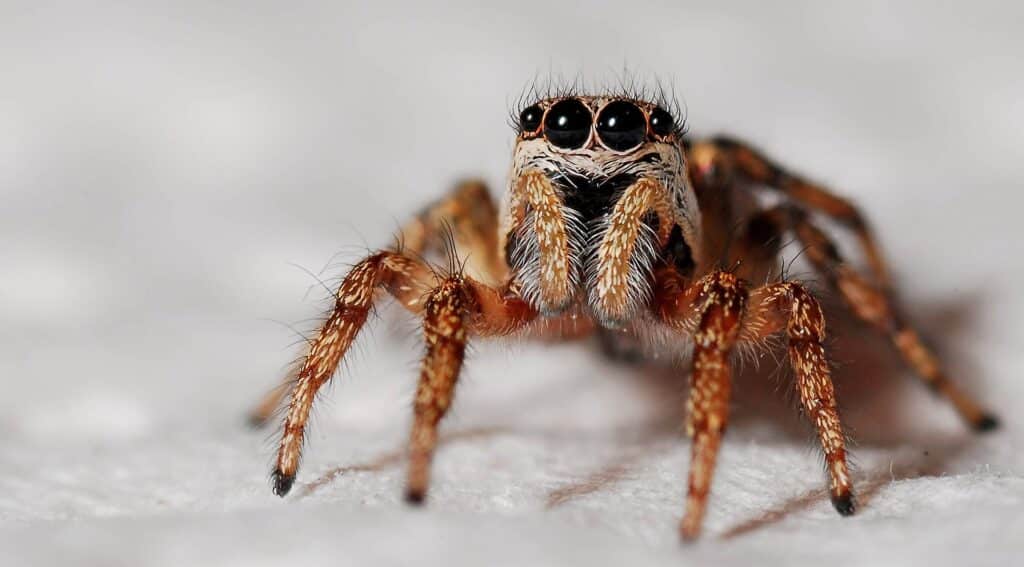
Many nocturnal species such as spiders coordinate their activity patterns to exploit specific resource windows including moisture availability from nighttime condensation, reduced air circulation that concentrates chemical trails, and optimal temperature ranges for metabolism and movement. This temporal synchronization enables maximum efficiency during limited active periods while conserving energy during hostile daytime conditions.
Why Your Home Attracts Them at Night
Home environments undergo significant changes between day and night that create ideal conditions for nocturnal pest activity. Understanding these factors helps homeowners identify why their properties become attractive to nighttime insects and how to modify conditions to reduce pest appeal.
Key nighttime attraction factors:
- Temperature moderation: Nighttime cooling creates comfortable conditions for insects avoiding daytime heat stress.
- Increased humidity: Reduced air circulation during evening hours provides moisture many species require for survival.
- Household quieting: Elimination of vibrations and movements that normally trigger pest retreat responses.
- Food accessibility: Evening preparation residues, crumbs, and organic matter become available during foraging periods.
- Pet food availability: Dishes left out overnight provide concentrated nutrition sources.
- Garbage intensification: Decomposition odors from containers and compost areas peak during nighttime hours.
- Exterior lighting attraction: Porch lights and security lighting draw flying insects like moths toward entry points.
- Interior navigation cues: Lighting patterns create movement guides that influence pest travel routes.
- Reduced air circulation: Stagnant air allows chemical trails and attractant scents to concentrate.
- Optimal moisture zones: Kitchen and bathroom areas experience humidity increases during evening hours.
These combined factors create windows of opportunity when homes become significantly more attractive to nocturnal pest species seeking resources and territory establishment.
What You’re Likely to See at Night
Several distinct pest species demonstrate exclusively or predominantly nocturnal activity patterns that explain why homeowners rarely encounter them during daylight hours despite evidence of their presence.
- Cockroaches: The most notorious nocturnal household pests, cockroaches demonstrate extreme photophobic behaviors that cause immediate retreat when exposed to sudden lighting. They emerge primarily between 11 PM and 4 AM to forage for food, water, and mates while establishing chemical communication trails. Their flattened bodies enable access to narrow crevices where they remain hidden during daylight hours.
- Silverfish: These primitive insects prefer high humidity conditions and avoid light exposure through rapid, darting movements when disturbed. They emerge at night to feed on paper products, textiles, and starch-based materials while seeking moisture sources in bathrooms, basements, and laundry areas.
- House crickets: Indoor cricket populations typically establish in warm, undisturbed areas and emerge at night for feeding and mating activities. Their distinctive chirping often provides the first indication of their presence, while their tendency to seek light sources can lead to encounters during late-night activity.
- Earwigs: Primarily outdoor insects that occasionally enter homes through foundation gaps, door thresholds, and basement windows during nighttime foraging expeditions. They seek moisture-rich environments and typically retreat to outdoor hiding places before dawn.
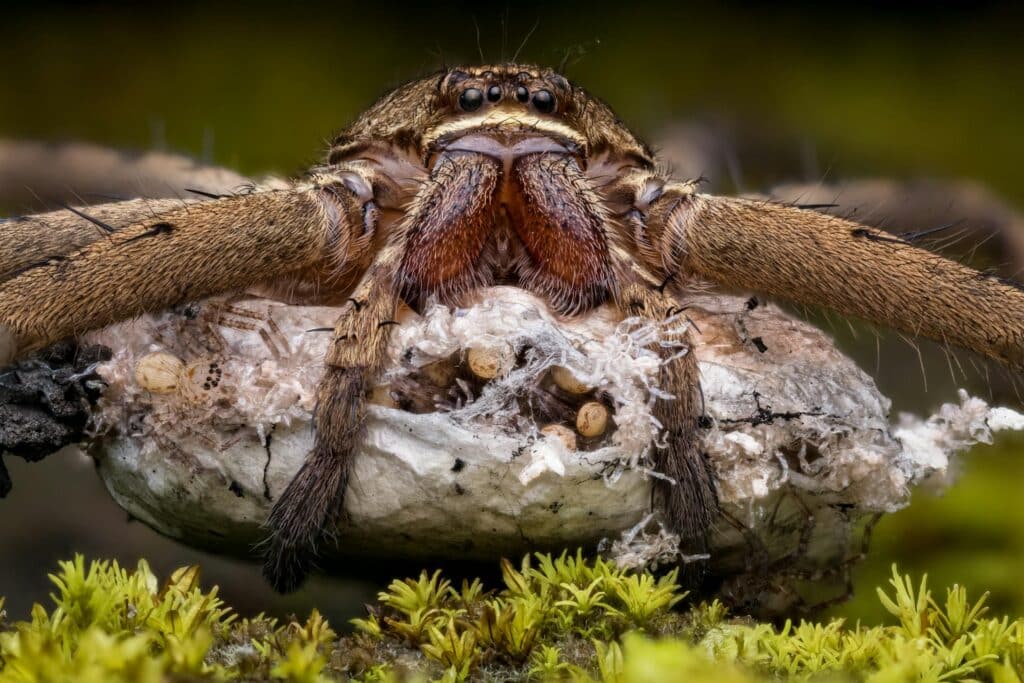
- Web-building spiders: Many spider species construct or repair webs during nighttime hours when prey insects are most active. While spiders themselves may remain hidden, fresh webbing that appears overnight indicates nocturnal activity periods.
When to Call the Professionals
When dealing with persistent nighttime pest activity that suggests established infestations, Aptive’s pest control experts can help. Our pest control service will perform a detailed inspection to assess the situation and develop a customized treatment plan based on the specific nocturnal pests and activity patterns observed in your home.
If you’re consistently observing insects only during nighttime hours despite daytime pest-free conditions, contact Aptive today for a free quote.
FAQs About Nighttime Pests
Here are common questions homeowners ask about insects that only appear at night.
Q: Does seeing bugs only at night mean the problem is worse?
Not necessarily worse, but nocturnal-only sightings often indicate established populations that have successfully adapted to your home environment. These pests have found reliable hiding places and resource sources that enable them to avoid daytime detection while maintaining active territories. While the problem may not be severe, it suggests organized pest behavior that requires comprehensive treatment addressing both visible activity and hidden populations in concealment areas.
Q: Why don’t nocturnal bugs come out during the day?
Nocturnal insects avoid daytime activity due to evolutionary adaptations including light sensitivity, predator avoidance, and optimal environmental conditions. Daylight exposure increases vulnerability to visual predators and human detection while potentially causing dehydration stress. Additionally, daytime household activity creates vibrations and disturbances that trigger immediate retreat responses. Their circadian rhythms are calibrated for nighttime peak efficiency when survival conditions are most favorable.
Q: How can I eliminate pests I only see at night?
Effective nocturnal pest control requires targeting both active nighttime behaviors and daytime hiding locations. Focus treatment efforts on areas where nighttime sightings occur, including nearby hiding places behind appliances and within crevices. Use residual treatments that remain effective during pest active periods, and implement exclusion measures that prevent access to resources. Professional pest control services can provide specialized treatments timed for nocturnal pest activity patterns.