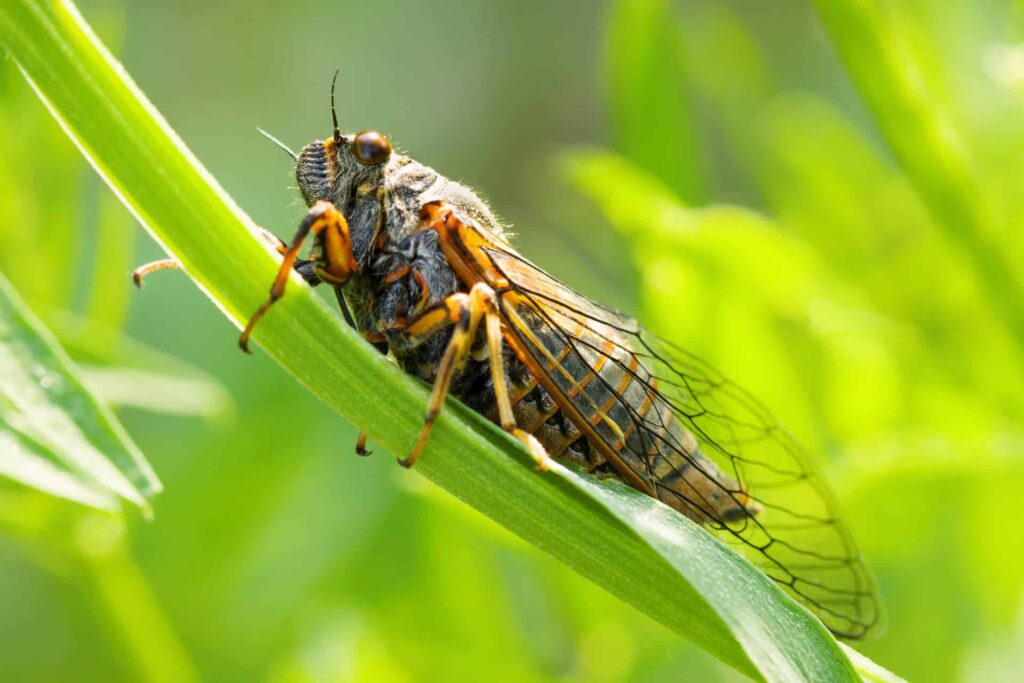
You carefully design your landscape for aesthetic appeal and property value, yet unknowingly create ecological conditions that attract and sustain diverse pest populations seeking shelter, nutrition, and breeding opportunities. These landscaping elements function as interconnected habitat systems that can either support or discourage pest establishment based on species-specific environmental requirements and behavioral preferences.
Strategic landscaping approaches can create inhospitable conditions for problematic species while supporting beneficial organisms that provide natural pest control services.
Mulch: A Hidden Invitation for Pests
Mulch placement and composition decisions significantly influence pest establishment through moisture retention, temperature regulation, and shelter provision that creates species-specific microhabitats.
Organic mulches including wood chips, bark, and compost create humid microclimates that attract moisture-dependent pests including termites, carpenter ants, earwigs, and various decomposer species seeking optimal humidity conditions for reproduction and development.
Mulch applied within 6 inches of building foundations creates moisture bridges that enable pest movement from outdoor habitats to structural entry points while providing protected pathways that reduce predation risks during dispersal.
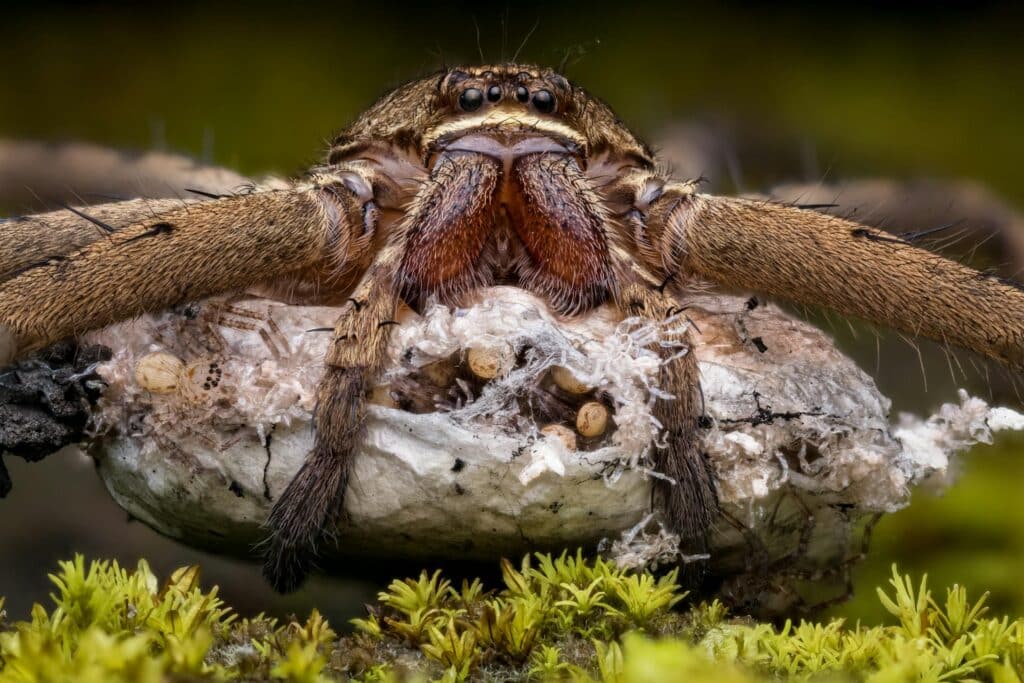
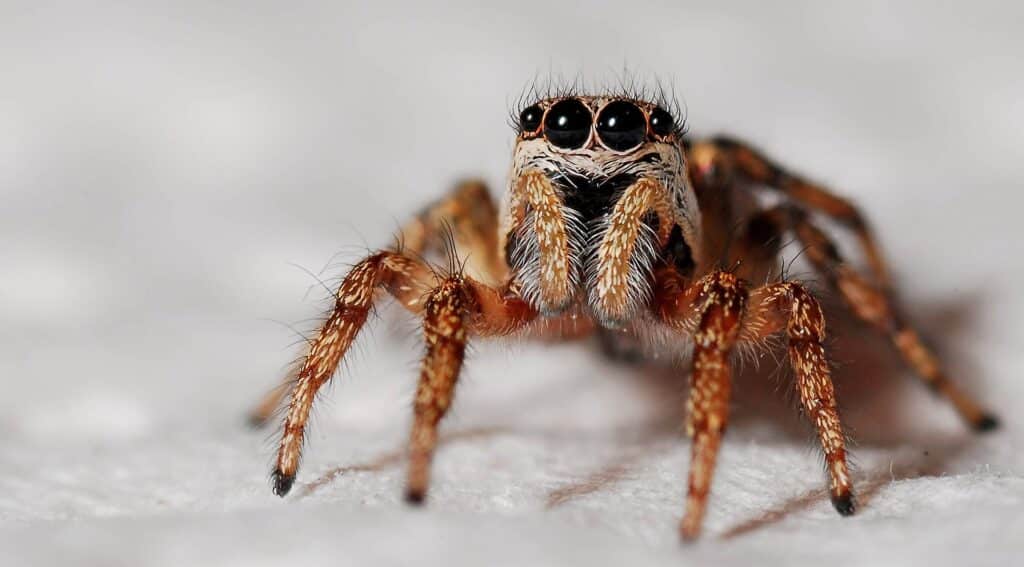
Decomposing organic mulches support complex food webs including bacteria, fungi, and snails and slugs that attract secondary consumers including spiders, centipedes, and various predatory arthropods seeking abundant prey resources.
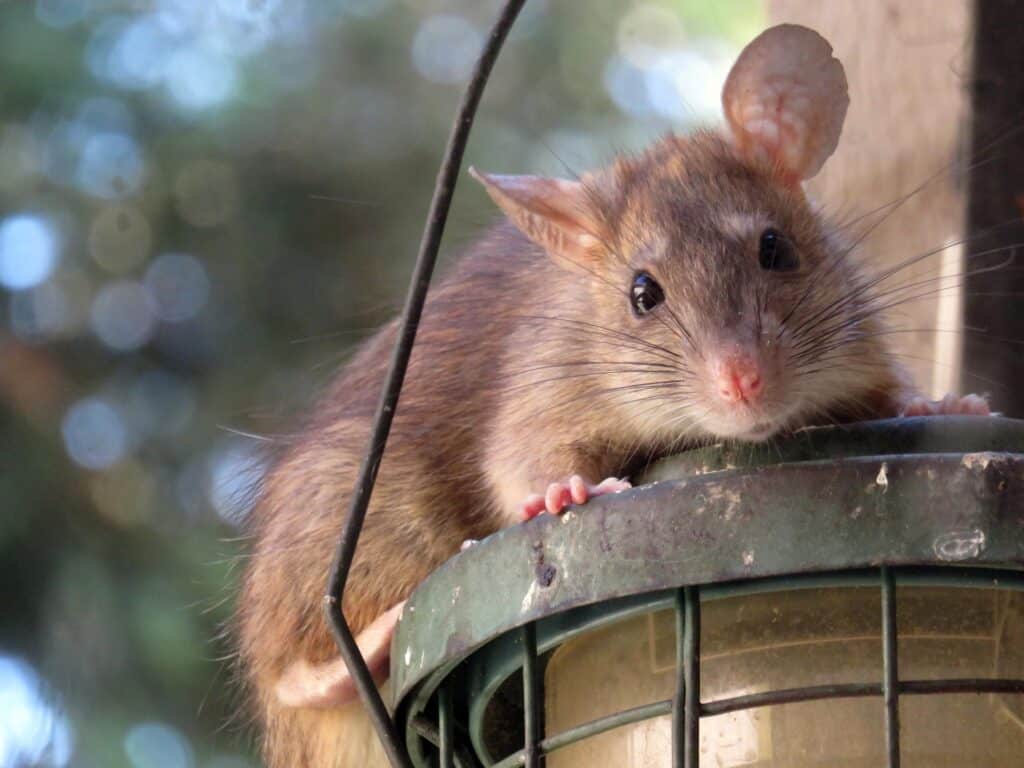
Thick mulch layers exceeding 4 inches create anaerobic conditions that alter decomposition chemistry and microbial communities while providing deeper shelter opportunities for larger pest species including rodents and ground-dwelling arthropods.
Shrubs and Plant Placement: Pathways for Pests
Strategic plant selection and placement decisions influence pest populations through habitat provision, food source availability, and microclimate modification that determines species establishment success.
Plant species selection directly influences pest populations through specialized feeding relationships, with certain plants serving as exclusive hosts for specific pest species while others demonstrate resistance or deterrent properties.
Dense plantings create shaded, humid conditions that favor moisture-loving pests including mosquitoes, fungus gnats, and various mollusks while reducing air circulation that helps control pest populations through environmental stress.
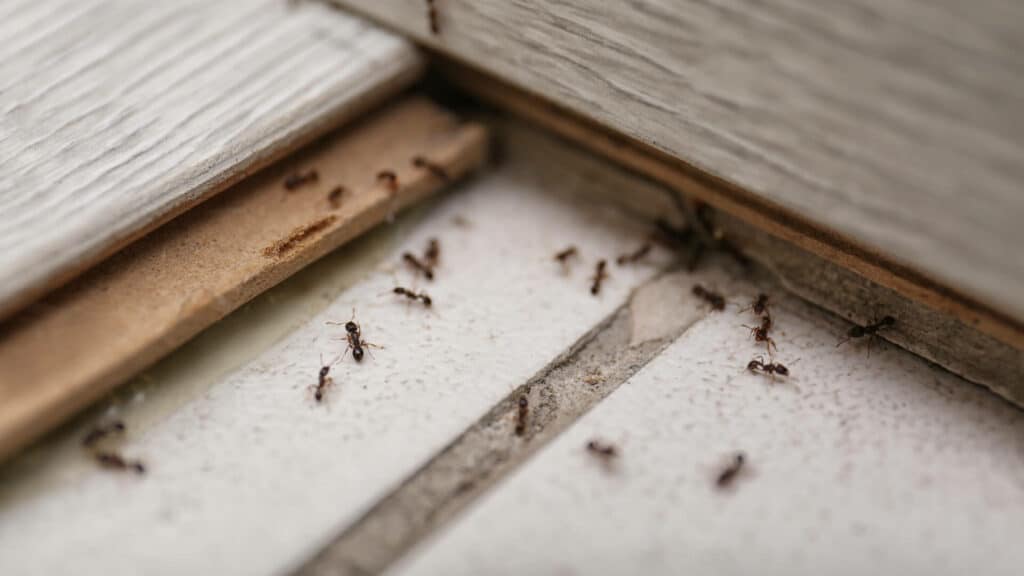
Vegetation touching or near buildings provides direct access routes for climbing pests including ants, spiders, and rodents while creating bridges that bypass ground-level exclusion barriers and enable easy structural entry.
Water Features and Drainage: Attracting More Than Birds
Water management decisions including drainage, irrigation, and decorative features create aquatic and semi-aquatic habitats that support diverse pest communities with water-dependent life cycles.
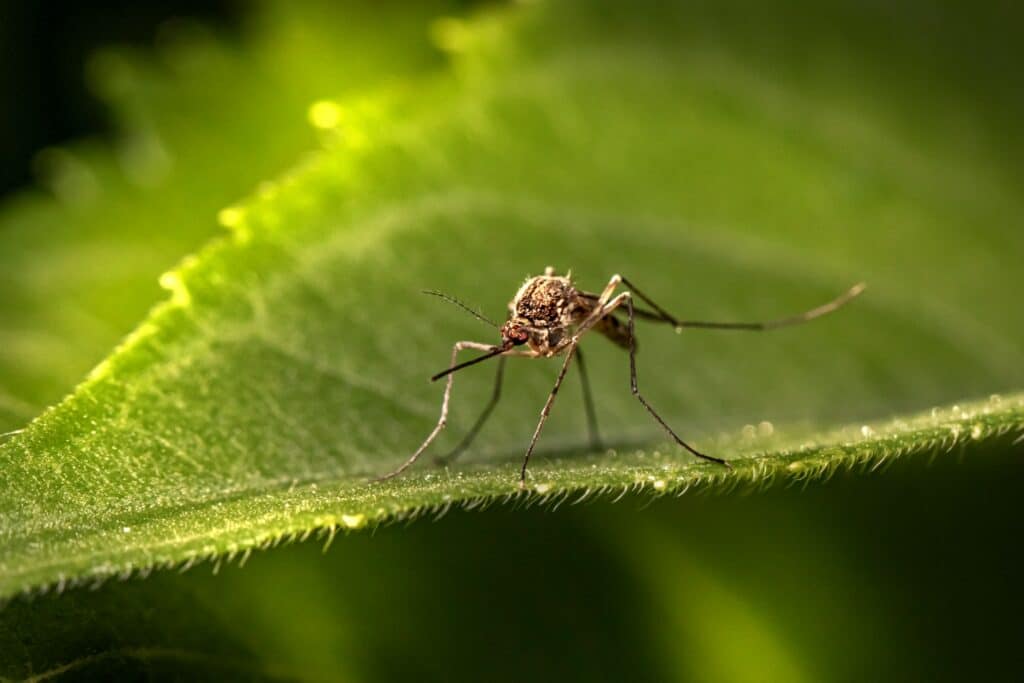
Decorative ponds, birdbaths, and poorly draining areas provide essential breeding habitat for mosquitoes, midges, and other dipteran species requiring aquatic environments for larval development.
Automated irrigation systems create predictable moisture patterns that attract soil-dwelling pests while over-watering creates anaerobic soil conditions that favor pest species adapted to saturated environments.
Poor drainage creating temporary or permanent wet areas supports pest species including springtails, fungus gnats, and various mollusks while creating conditions that stress plants and increase their susceptibility to pest attack.
Neglected water features develop algae, organic debris, and stagnant conditions that create ideal breeding habitat for numerous pest species while providing nutrition sources that sustain larger populations.
Hardscaping and Outdoor Structures: Shelter for Pests
Hardscape design including patios, retaining walls, and decorative structures creates shelter opportunities and movement corridors that influence pest distribution and establishment patterns.
Gaps beneath decks, spaces between pavers, and hollow retaining wall structures create protected microhabitats that support pest species requiring shelter from predators and environmental extremes.
Stone, concrete, and other hardscape materials absorb and radiate heat, creating temperature gradients that influence pest activity patterns and seasonal survival rates in adjacent areas.
Structural joints, expansion gaps, and weathering cracks in hardscape elements provide overwintering sites, nesting opportunities, and protective shelter for various arthropod species.
Hardscape design affecting drainage patterns creates wet and dry zones that influence pest distribution through species-specific moisture requirements and breeding habitat availability.
Lighting Choices: Drawing Nighttime Visitors
Outdoor lighting decisions significantly influence nocturnal pest behavior through attraction, disorientation, and predator-prey relationship modifications that affect overall pest management success.
Many flying insects demonstrate positive phototaxis toward artificial lighting, creating concentration points near illuminated areas that influence population distribution and mating behavior patterns.
Different light wavelengths and intensities demonstrate varying attraction levels for different pest species, with UV-rich lighting attracting more flying insects than yellow or red-spectrum alternatives.
Strategic lighting placement away from building entrances and use of motion sensors or timers can reduce pest attraction while maintaining security and aesthetic functions.
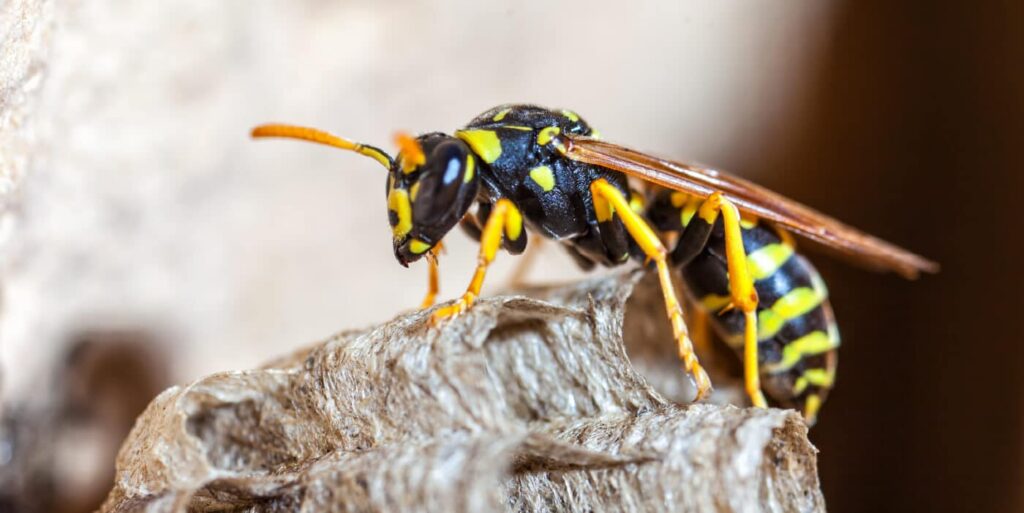
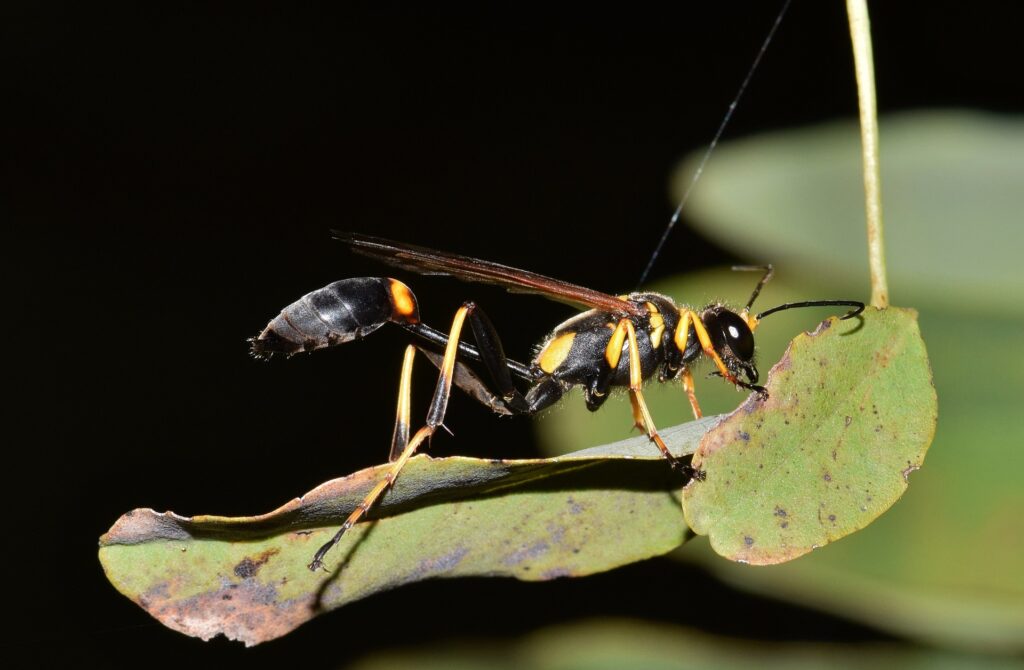
Lighting attracts prey species that subsequently attract predatory pests including spiders and hunting wasps, creating complex food web interactions around illuminated areas.
Landscape Management Strategies
Effective landscape pest management requires holistic approaches that consider multiple design elements and their interactions to create conditions favoring beneficial species while discouraging pest establishment.
Beneficial habitat incorporation: Designing landscapes that support natural predators and parasitoids through diverse flowering plants, nesting sites, and overwintering habitat helps establish biological control systems that regulate pest populations.
Companion planting applications: Strategic plant combinations utilizing allelopathic relationships, trap cropping, and repellent properties can reduce pest pressure through natural chemical interactions and resource competition.
Maintenance scheduling: Timing landscape maintenance activities including pruning, mulching, and irrigation adjustments to disrupt pest life cycles while supporting plant health and aesthetic goals.
Monitoring and adaptive management: Implementing systematic pest monitoring programs that enable early detection and intervention while tracking the effectiveness of landscape modifications over time.
Professional collaboration: Coordinating landscape design decisions with pest management professionals to ensure compatibility between aesthetic goals and pest prevention objectives through integrated planning approaches.
When to Ask for Professional Advice
When landscape design elements continue attracting pest problems despite modification efforts, Aptive’s pest control experts provide the comprehensive solutions necessary for lasting results. Our pest control service performs detailed landscape ecology assessments to identify design elements, environmental conditions, and maintenance practices driving continued pest attraction and establishment throughout your outdoor spaces.
If you’re experiencing persistent pest problems related to landscape design, need professional assessment of pest-attracting landscape elements, or want to develop pest-resistant landscape strategies, contact Aptive today for a free quote.