You maintain your living spaces meticulously yet discover extensive pest activity that seems to originate from nowhere, only to learn that thriving infestations have been developing for months or years in the rarely accessed areas beneath your home. These below-grade spaces create unique environmental conditions and limited monitoring opportunities that enable pest establishment and population growth with minimal detection until problems become severe and costly to remediate.
Understanding crawl space and basement pest dynamics enables property owners to recognize inherent vulnerabilities, implement appropriate monitoring protocols, and develop effective prevention strategies before hidden populations impact living areas.
Why Do Crawl Spaces and Unfinished Basements Attract Pests?
Crawl spaces and unfinished basements develop distinct microclimates that create optimal conditions for diverse pest species through moisture accumulation, temperature stability, and reduced disturbance.
- Moisture dynamics: Poor ventilation, groundwater seepage, plumbing condensation, and inadequate drainage create relative humidity levels often exceeding 80%, providing essential moisture for survival and reproduction of numerous pest species.
- Temperature regulation: These below-grade spaces maintain relatively stable temperatures year-round, providing thermal refugia during both summer heat and winter cold that enable continuous pest activity and reproduction.
- Light deprivation: Perpetual darkness eliminates photophobic constraints on pest activity while creating conditions favoring nocturnal and light-avoiding species that dominate crawl space populations.
- Disturbance absence: Minimal human activity allows pest populations to establish territories, reproduce, and expand without the suppression effects of regular cleaning, inspection, or environmental modification.
- Organic matter accumulation: Construction debris, wood materials, cardboard storage, and soil contact provide abundant food sources and nesting materials that sustain diverse pest communities.
Which Pests Hide in These Spaces?
Different pest groups exploit crawl space and basement conditions through species-specific strategies that determine where infestations develop and reach problematic levels.
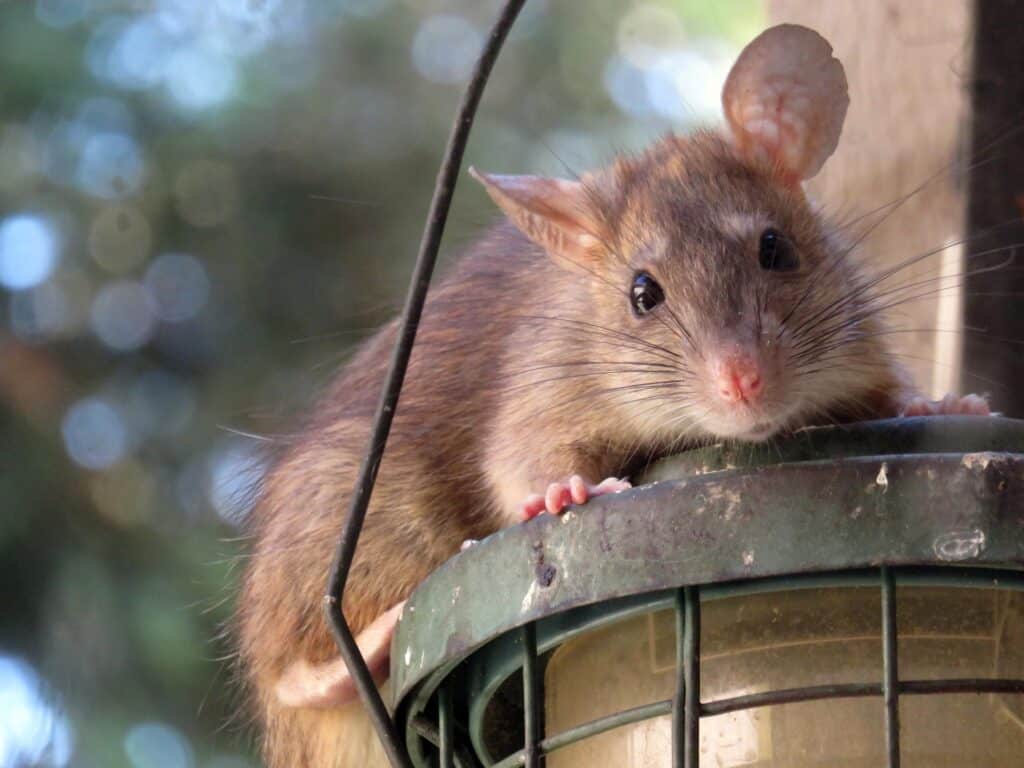
House mice and Norway rats establish extensive populations in these areas through nesting in insulation, storing food in protected locations, and utilizing structural voids for protected movement corridors.
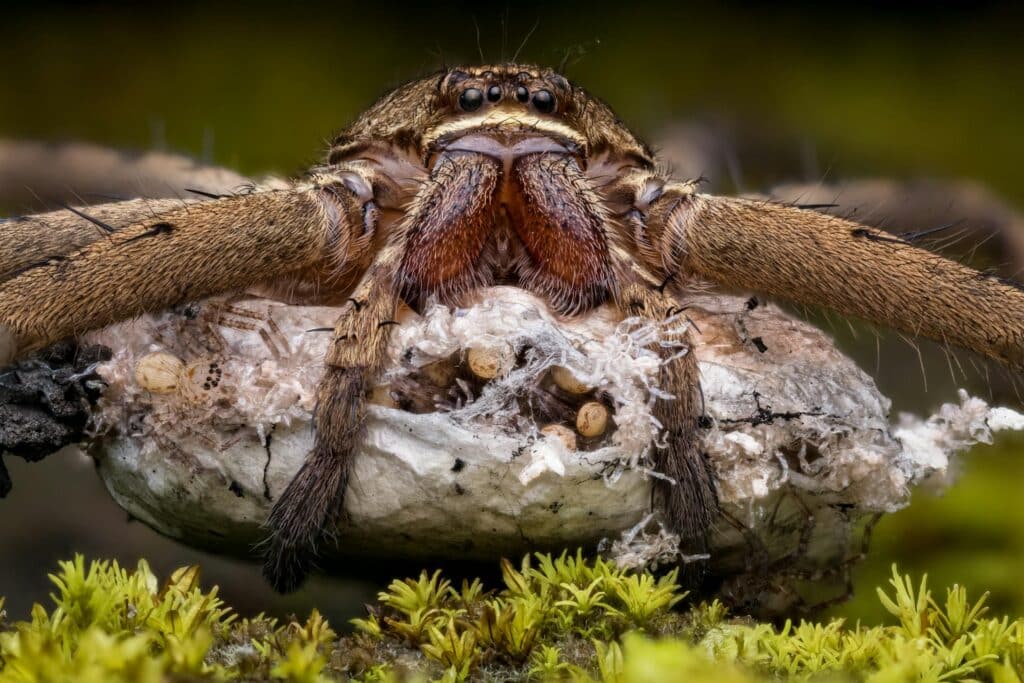
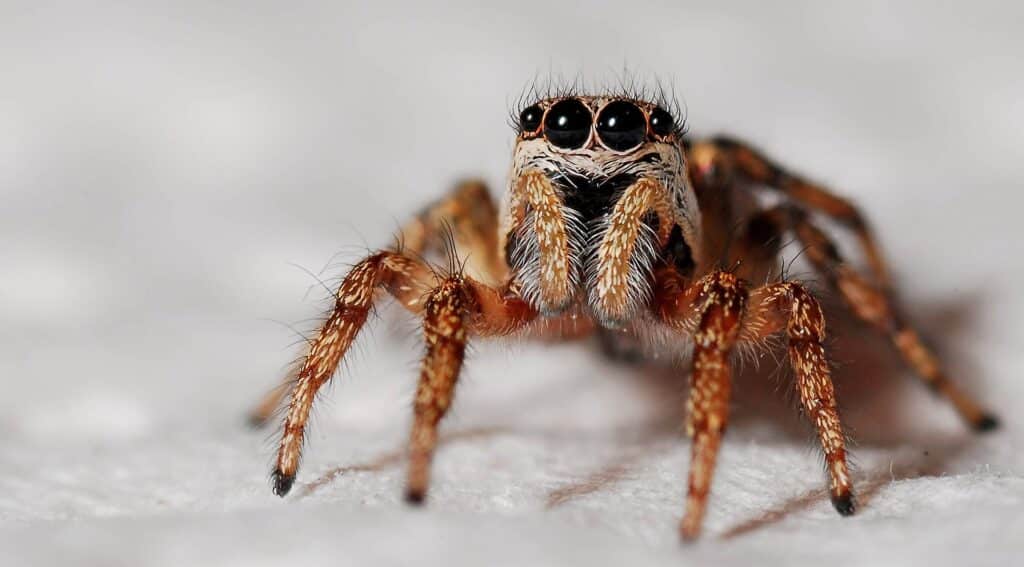
Spiders, centipedes, millipedes, and sowbugs thrive in humid conditions while establishing complex predator-prey relationships and utilizing organic debris for food and shelter.
American and Oriental cockroaches prefer cool, humid conditions in below-grade spaces where they establish large populations that may eventually migrate into living areas.
Silverfish, springtails, and psocids (booklice) exploit high humidity conditions while feeding on mold, organic debris, and stored materials.
Health and Safety Concerns
Pest activity in crawl spaces and basements creates serious health risks that extend throughout buildings through various transmission pathways and contamination mechanisms.
Pest debris, feces, and decomposition products migrate into living spaces through floor penetrations, HVAC systems, and pressure differentials that compromise air quality. Rodent and cockroach allergens produced in below-grade spaces become airborne and disperse throughout buildings, triggering respiratory reactions in sensitive individuals.
Accumulated pest contamination creates disease organism reservoirs that persist even after pest elimination, requiring professional remediation for complete health risk mitigation. Long-term pest activity saturates insulation, wood framing, and stored materials with urine, feces, and other contaminants that may require removal and replacement.
Primary pest infestations attract predatory and scavenging species that create additional management challenges and potential health concerns.
Why Professional Help Is Essential
Identifying pest activity in crawl spaces and basements requires specialized inspection techniques that overcome accessibility limitations and environmental challenges.
Access limitations: Physical restrictions, low clearances, and uncomfortable conditions limit inspection thoroughness while creating blind spots where pest activity goes undetected.
Evidence interpretation: Distinguishing between active and historical pest signs requires expertise in aging techniques and understanding of species-specific behaviors and seasonal patterns.
Environmental hazards: Mold growth, poor air quality, and structural concerns create safety risks that complicate inspection efforts and may require protective equipment.
Systematic inspection protocols: Professional inspections utilize standardized approaches that ensure comprehensive coverage while documenting conditions for treatment planning.
Manage Pest Problems in Your Home
When crawl space or basement pest problems continue despite basic prevention efforts, Aptive’s pest control experts provide the comprehensive solutions necessary for lasting results. Our pest control service can perform detailed assessments to identify pest species, contamination levels, and environmental conditions driving continued establishment in these vulnerable areas.
If you’re discovering pest evidence in crawl spaces or basements, experiencing air quality issues suggesting below-grade contamination, or need professional assessment of hidden pest risks, contact Aptive today for a free quote.