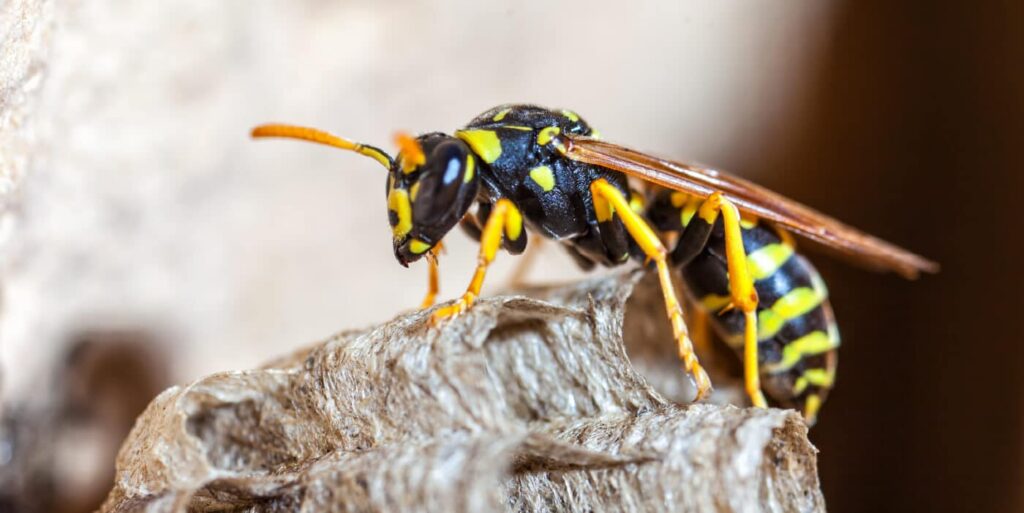
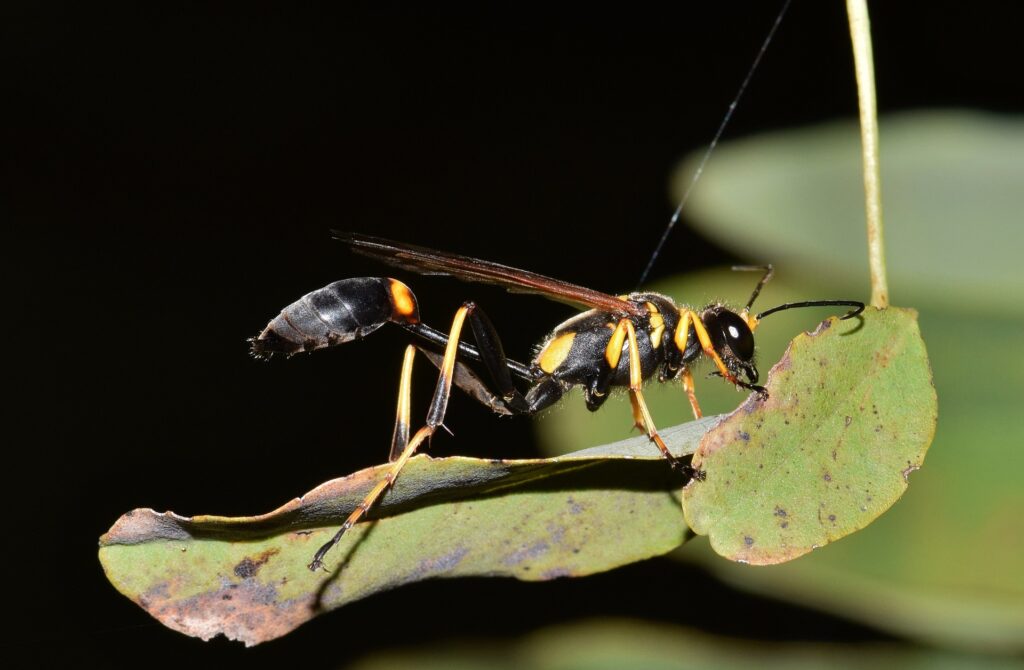
You observe organized insect behaviors including coordinated foraging trails, synchronized defensive responses, and complex nest construction that suggest sophisticated information exchange systems, raising questions about communication mechanisms enabling such precise collective action without centralized control.
Insects employ diverse signaling modalities including chemical pheromones detectable at nanogram concentrations, substrate-borne vibrations transmitting through surfaces at frequencies of 50-2,000 Hz, visual displays utilizing bioluminescence or color patterns, and acoustic signals produced through specialized body structures, creating multi-channel communication networks supporting colony-level organization.
The complexity of these signaling systems reveals why individual pest removal often fails without addressing the broader communication networks maintaining colony cohesion.
The Power of Pheromones
Pheromones represent the primary communication modality for most social insects, transmitting information through volatile and contact chemicals that trigger specific behavioral and physiological responses in colony members.
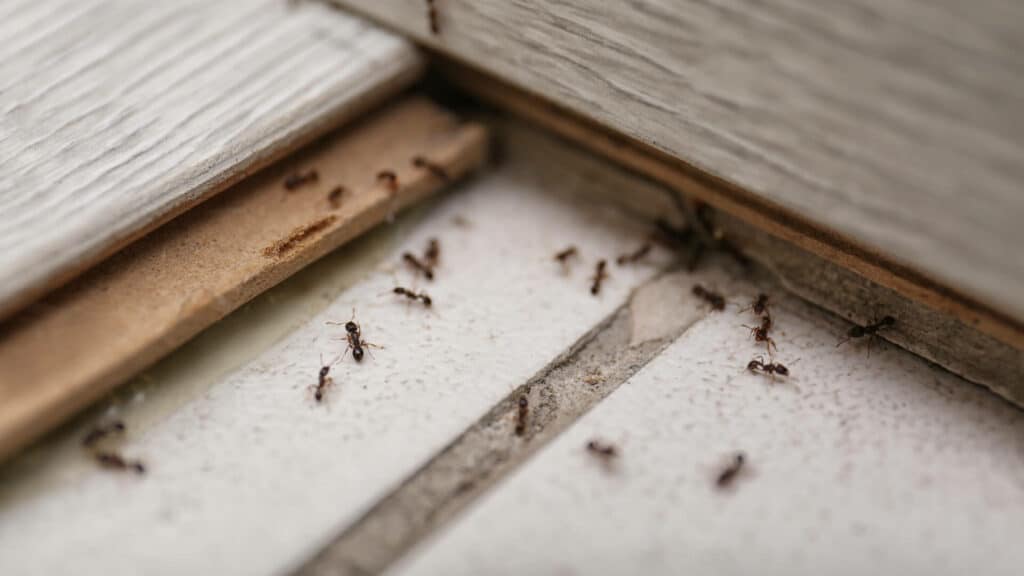
- Trail pheromones: Ants deposit chemical trails from specialized glands in their abdomen, with compounds including hydrocarbons and fatty acids creating scent paths lasting minutes to hours depending on concentration and environmental conditions. Individual ants reinforce successful trails through repeated marking, creating concentration gradients of 1-100 nanograms per centimeter that guide thousands of workers to food sources with 90-95% navigation accuracy.
- Alarm pheromones: When threatened, insects release volatile compounds triggering defensive responses in nearby colony members within 1-3 seconds. Fire ants (Solenopsis invicta) produce alarm pheromones detectable by workers within 10-15 centimeter radius, mobilizing aggressive responses including biting and stinging behaviors protecting colony resources.
- Sex pheromones: Female insects produce species-specific compounds attracting males from distances exceeding 1-2 kilometers downwind, with male moths demonstrating receptor neurons tuned to detect single molecules of female pheromones among billions of irrelevant environmental chemicals.
- Queen pheromones: Reproductive females in social insect colonies produce chemical signals suppressing worker reproduction, maintaining colony social structure, and regulating caste development. Honeybee queens (Apis mellifera) produce 9-oxo-2-decenoic acid affecting worker behavior and physiology throughout hives containing 20,000-80,000 individuals.
- Recruitment pheromones: Specialized chemicals signal resource discovery, with concentration and persistence indicating resource quality and quantity, enabling colonies to allocate foraging effort efficiently across multiple food sources simultaneously.
Insects and Vibrations
Insects transmit information through mechanical vibrations traveling through solid substrates including plant tissue, soil, and structural materials, creating communication channels independent of chemical or visual modalities.
- Warning signals: Detection of predators or disturbances triggers vibrational alarm signals propagating through substrate at velocities of 30-150 meters per second, alerting colony members beyond visual or chemical communication range within 0.1-0.5 seconds of threat detection.
- Mating calls: Male insects produce species-specific vibrational patterns during courtship, with females responding through reciprocal signals creating duets that facilitate mate location and assessment on complex plant structures where visual contact remains difficult.
- Foraging coordination: Termites use head-banging behaviors producing vibrations that recruit additional workers to favorable food sources or coordinate defensive responses when nest structures sustain damage, with signal repetition rates of 2-6 beats per second communicating urgency levels.
- Signal propagation: Substrate properties dramatically affect vibrational communication effectiveness, with signals attenuating rapidly across discontinuities between different materials, limiting transmission distances to 10-200 centimeters depending on substrate composition and signal frequency.
Visual Signals in Action
Visual signaling enables communication across distances where chemical and vibrational modalities prove ineffective, with displays ranging from bioluminescence to body coloration and movement patterns.
- Bioluminescent displays: Fireflies (family Lampyridae) produce species-specific flash patterns through controlled chemical reactions in specialized abdominal organs, with males generating sequences of 2-10 flashes at intervals of 0.5-3 seconds attracting females from distances of 20-100 meters during twilight mating periods.
- Color signaling: Butterflies display wing coloration serving dual functions—warning potential predators of toxicity through bright aposematic patterns or attracting mates through species-specific color combinations and ultraviolet patterns invisible to vertebrate vision but readily perceived by insect photoreceptors.
- Movement displays: Honeybee waggle dances communicate food source locations through figure-eight movement patterns, with dance duration indicating distance (1 second per 750-1000 meters) and body orientation relative to vertical representing direction relative to sun position, enabling colony-wide resource exploitation without individual scout experience.
- Body postures: Many insects use postural displays during territorial disputes or courtship, with specific leg positions, antenna orientations, and abdomen angles conveying information about individual size, aggressive intent, or receptivity to mating attempts.
- Reflectance patterns: Some beetles and other insects possess structural coloration creating iridescent displays through microscopic surface structures, with viewing angle-dependent colors potentially signaling individual quality or species identity during social interactions.
How Insects Communicate with Sound
Sound-based communication enables transmission across obstacles blocking visual signals and through environments where chemical signals disperse inefficiently, with insects producing sounds through diverse anatomical structures.
- Stridulation: Crickets and grasshoppers produce sounds by rubbing specialized body structures together, with crickets scraping wing files against scrapers creating chirps at frequencies of 2,000-5,000 Hz audible to humans from distances of 20-50 meters depending on species and environmental conditions.
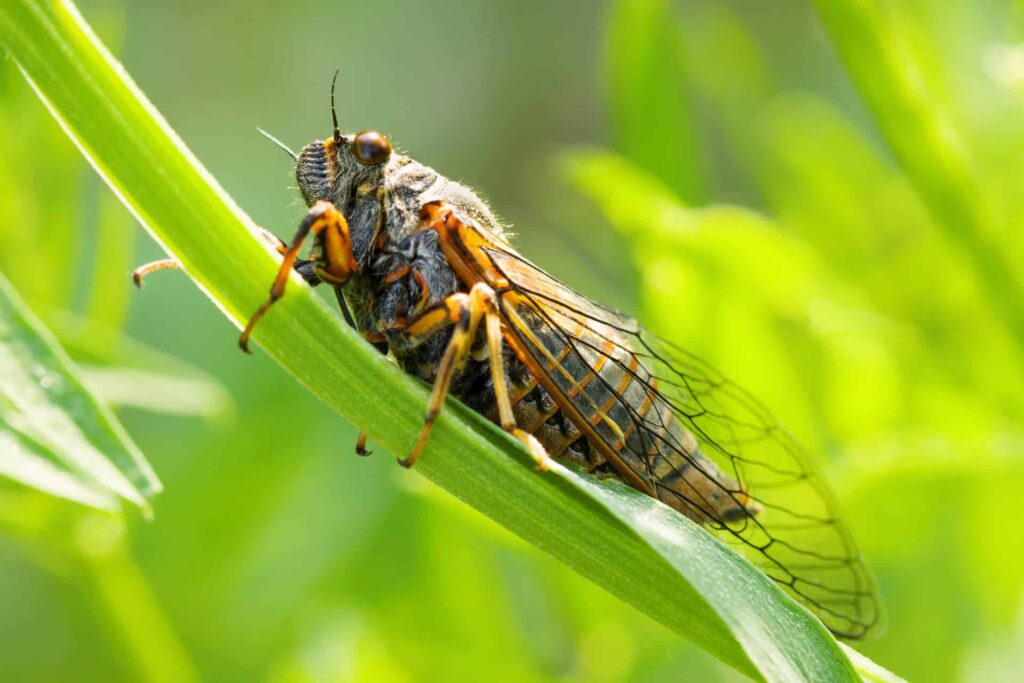
- Tymbal organs: Cicadas possess specialized abdominal structures (tymbals) that buckle rapidly when muscles contract, creating clicks amplified by air sac resonators producing calls exceeding 100 decibels—among the loudest sounds produced by insects—audible from distances exceeding 400 meters.
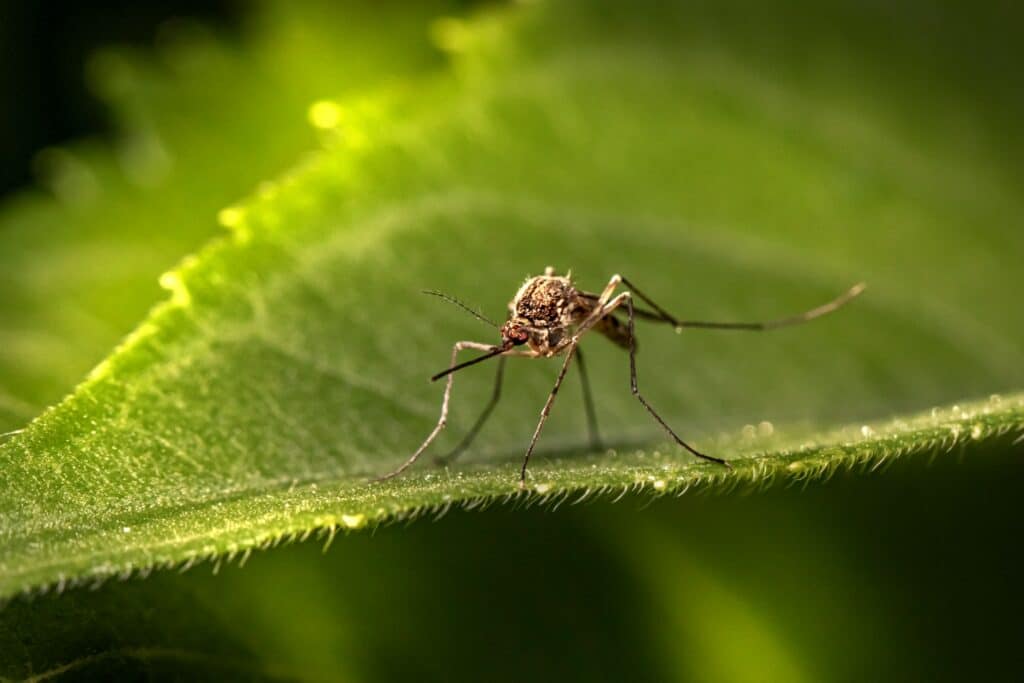
- Wing buzzing: Many flying insects modulate wing beat frequencies during flight, creating acoustic signals during courtship or territorial interactions, with mosquitoes adjusting wing beat rates to match potential mates creating harmonic convergence indicating reproductive compatibility.
- Drumming behaviors: Various beetles produce sounds by striking substrate surfaces with head or abdomen, creating vibrations that transmit through wood or soil alerting nearby individuals to mating readiness or territorial occupancy.
- Call variation: Acoustic signals demonstrate species-specific patterns in frequency, pulse rate, and duration, with temperature affecting call characteristics in ectothermic insects where warmer conditions accelerate muscle contraction rates increasing chirp frequencies by 5-10% per degree Celsius temperature increase.
How Communication Drives Colony Behavior
Social insect colonies process information from multiple communication modalities simultaneously, creating distributed decision-making systems where collective responses emerge from individual interactions without centralized control.
Individual colony members respond to local signals from nearby neighbors, creating feedback loops where signal accumulation above threshold levels triggers coordinated group responses. When scout ants discover food sources, initial trail pheromone deposits attract small numbers of recruits who reinforce trails if resources prove valuable, creating positive feedback producing trail reinforcement by 50-200 workers within 10-20 minutes of initial discovery.
Colonies make major decisions including nest site selection or defensive mobilization when signal accumulation exceeds species-specific thresholds, with decision implementation requiring coordination among hundreds to thousands of individuals responding to identical chemical or vibrational cues.
Communication signals regulate division of labor, with younger workers responding preferentially to brood care pheromones while older individuals show enhanced sensitivity to foraging signals, creating age-based task specialization optimizing colony efficiency without individual workers possessing colony-wide information.
Continuous information exchange enables colonies to track environmental changes including temperature fluctuations, resource availability, and predation pressure, adjusting activity patterns and resource allocation strategies maintaining colony viability across seasonal cycles.
The Conversation Continues
Professional pest control services recognize communication-based coordination patterns indicating mature colony establishment versus isolated individual pests, determining appropriate intervention intensity and targeting strategies. Expert assessment from pest control experts identifies communication pathways including pheromone trails and aggregation sites where intervention produces maximum colony-level impacts.
If you’re observing organized pest behaviors including persistent foraging trails, coordinated defensive responses to disturbances, or recurring infestations despite individual pest removal efforts, contact Aptive today for a free quote and expert evaluation with customized solutions targeting the networks maintaining pest colony coordination and persistence.