Home gardens face constant challenges from insect and invertebrate pests that damage vegetables, flowers, and ornamental plants through their feeding activities, virus transmission, and rapid population growth under favorable conditions. Understanding the most common garden pests, recognizing their distinctive damage patterns, and implementing effective control strategies protects plants from devastating infestations that can destroy entire crops or ornamental displays.
The five pests covered here—aphids, snails and slugs, mealybugs, thrips, and mites—represent the most frequently encountered garden problems worldwide, affecting virtually all plant types and requiring gardeners’ attention throughout growing seasons for successful pest management and productive gardens.
How do you know if you might have pests in your garden?
Garden pest presence is often detected through distinctive damage patterns appearing on plants before insects themselves are observed. Chewed leaves with irregular holes indicate caterpillars, beetles, or other chewing insects are feeding on foliage. Silvery trails on leaves or soil reveal slug and snail activity, particularly noticeable in morning hours. Distorted or curled leaves suggest aphids, thrips, or other sap-sucking pests are feeding on plant tissues.
Sticky residue on leaves (honeydew) indicates aphid, mealybug, or scale insect presence, often accompanied by black sooty mold growth. Stippling or bronzing on leaves shows spider mite feeding damage from their cell-sucking activity. Visible insects clustering on stems, leaf undersides, or new growth confirms active infestations requiring intervention.
Wilting despite adequate water may indicate root-feeding pests or stem borers damaging vascular tissues. Stunted growth and yellowing suggest sustained pest feeding has weakened plants. Webbing on plants reveals spider mites or tent caterpillars depending on location and web structure.
Regular garden inspections focusing on new growth, leaf undersides, and damage patterns enable early pest detection when populations are small and control is most effective, preventing the need for intensive interventions required after pest populations explode.
1. Aphids
Aphids are soft-bodied, pear-shaped insects measuring 1/16 to 1/8 inch that cluster on stems, new growth, and leaf undersides where they feed on plant sap using piercing-sucking mouthparts. These prolific pests display various colors including green, yellow, black, red, or pink depending on species and host plant. Aphids reproduce asexually during growing seasons with females giving birth to live young, allowing populations to explode from a few individuals to thousands within weeks.
Aphid feeding causes curled leaves, stunted growth, yellowing, and distorted development on affected plants. They excrete sticky honeydew that coats leaves and promotes sooty mold growth, further damaging plants by blocking photosynthesis. Many aphid species transmit devastating plant viruses while feeding, often causing more economic damage through disease spread than direct feeding injury.
Aphid control strategies include strong water sprays dislodging aphids, insecticidal soaps and horticultural oils for contact control, and encouraging beneficial insects like ladybugs and lacewings that prey on aphids. Reflective mulches repel aphids from vegetable gardens, while avoiding excessive nitrogen fertilizer prevents the lush growth aphids prefer. Regular monitoring and early intervention when colonies are small prevents severe infestations requiring more intensive management approaches.
2. Snails and slugs
Snails and slugs are mollusks rather than insects, with snails carrying protective shells and slugs being shell-less, both leaving distinctive silvery slime trails revealing their nocturnal feeding activities. These moisture-loving pests measure 1/4 to 4 inches depending on species and thrive in damp, cool conditions with abundant organic matter. They feed on virtually all garden plants using rasping mouthparts (radula) that create irregular holes in leaves, flowers, and fruits.
Snail and slug damage is most severe during wet weather and in heavily mulched gardens providing ideal moisture conditions. They’re particularly destructive to seedlings, tender new growth, and ripening fruits near ground level. Their nocturnal feeding means damage appears overnight with silvery trails the primary evidence of their presence. Heavy infestations can completely defoliate plants and destroy entire vegetable crops.
Control methods for snails and slugs include handpicking during evening inspections, using beer traps or commercial baits containing iron phosphate (safer than metaldehyde), and creating barriers with copper tape or diatomaceous earth around vulnerable plants. Reducing moisture through proper irrigation timing, removing debris providing daytime hiding places, and encouraging natural predators including birds and ground beetles provides long-term management. Raised beds with copper barriers effectively protect high-value crops from these persistent pests.
3. Mealybugs
Mealybugs are small, soft-bodied insects measuring 1/10 to 1/4 inch covered in white, waxy, cottony secretions giving them distinctive fuzzy appearance on plant stems, leaf undersides, and in leaf axils. These sap-sucking pests insert their piercing mouthparts into plant tissues and extract phloem fluids, weakening plants and causing yellowing, stunted growth, and leaf drop. Like aphids, mealybugs excrete honeydew that promotes sooty mold development.
Mealybugs reproduce rapidly with females laying hundreds of eggs in cottony egg sacs, allowing populations to build quickly under favorable conditions. They’re particularly problematic on houseplants, greenhouse plants, and citrus trees where their waxy coating protects them from contact insecticides and rainfall. Some mealybug species infest roots, making detection and control particularly challenging.
Control requires persistent efforts due to their protective wax coating. Cotton swabs dipped in rubbing alcohol kill individual mealybugs on contact, making this effective for small infestations. Insecticidal soaps and horticultural oils smother mealybugs but require thorough coverage and repeated applications. Systemic insecticides provide longer-lasting control for severe infestations. Beneficial insects including mealybug destroyers (Cryptolaemus beetles) and parasitic wasps provide biological control in greenhouses. Quarantining new plants prevents introducing mealybugs to established collections.
4. Thrips
Thrips are microscopic, slender insects measuring 1/25 to 1/8 inch that feed on flowers, leaves, and fruits using specialized rasping-sucking mouthparts. These barely visible pests appear as tiny dark specks or moving slivers when observed closely on plant surfaces. Thrips rasp away plant cell layers and suck up released contents, creating characteristic silvery streaking, stippling, and distorted growth on affected tissues.
Thrips reproduce extremely rapidly with complete generations in as little as two weeks under warm conditions, allowing populations to explode quickly. They’re particularly destructive to flowers, causing discoloration, distortion, and premature drop. Beyond direct feeding damage, many thrips species transmit devastating plant viruses including tomato spotted wilt virus affecting hundreds of plant species.
Control challenges arise from thrips’ tiny size, hiding behavior inside flowers and leaf folds, and rapid reproduction. Yellow or blue sticky traps monitor populations and provide some control through mass trapping. Insecticidal soaps, horticultural oils, and spinosad-based products provide contact control requiring thorough coverage. Beneficial insects including minute pirate bugs and predatory thrips help suppress populations in outdoor gardens. Removing weeds and debris eliminates alternative hosts and overwintering sites. Maintaining adequate plant moisture creates less favorable conditions since thrips prefer drier environments.
5. Mites
Spider mites are microscopic arachnids measuring 1/50 inch, barely visible as moving dots on plant surfaces even to keen observers. The two-spotted spider mite is the most common pest species affecting over 200 plant types including vegetables, ornamentals, and fruits. These eight-legged relatives of spiders pierce individual plant cells and suck out contents, causing characteristic stippling (tiny yellow or white spots) on leaf surfaces that coalesces into bronzed or silvered appearance under heavy infestations.
Spider mites thrive in hot, dry conditions and reproduce explosively with generation times as short as one week under optimal temperatures. Many species produce fine silk webbing over infested plant parts, particularly visible when populations are high. This webbing protects colonies from predators and environmental stresses. Spider mite damage often goes unnoticed until populations reach high levels because of their microscopic size.
Control focuses on environmental manipulation and early detection. Strong water sprays physically remove mites and disrupt webbing. Insecticidal soaps and horticultural oils provide contact control requiring thorough coverage of leaf undersides where mites concentrate. Maintaining adequate soil moisture and increasing humidity creates unfavorable conditions for mites.
When to talk to a professional
When dealing with pest populations in your home garden including aphids, slugs, mealybugs, thrips, or mites that are creating extensive plant damage, crop losses, and threatening your garden’s productivity, professional pest control services can provide effective pest identification and comprehensive treatment solutions tailored to protect edible and ornamental plants. At Aptive, our pest control experts understand garden pest lifecycles, damage patterns, and integrated pest management approaches that control pests while preserving beneficial insects crucial for pollination and natural pest suppression.
If you’ve noticed signs of aphid colonies, slug damage, mealybug infestations, thrips feeding, or mite stippling on your garden plants, or have concerns about protecting valuable vegetables, flowers, or ornamental plants from these common destructive pests, don’t wait—contact Aptive today for a free quote.
FAQs about garden pests
Here are some frequently-asked questions about types of garden pests and the damage they cause from homeowners.
Q: Which types of garden pests cause the most damage?
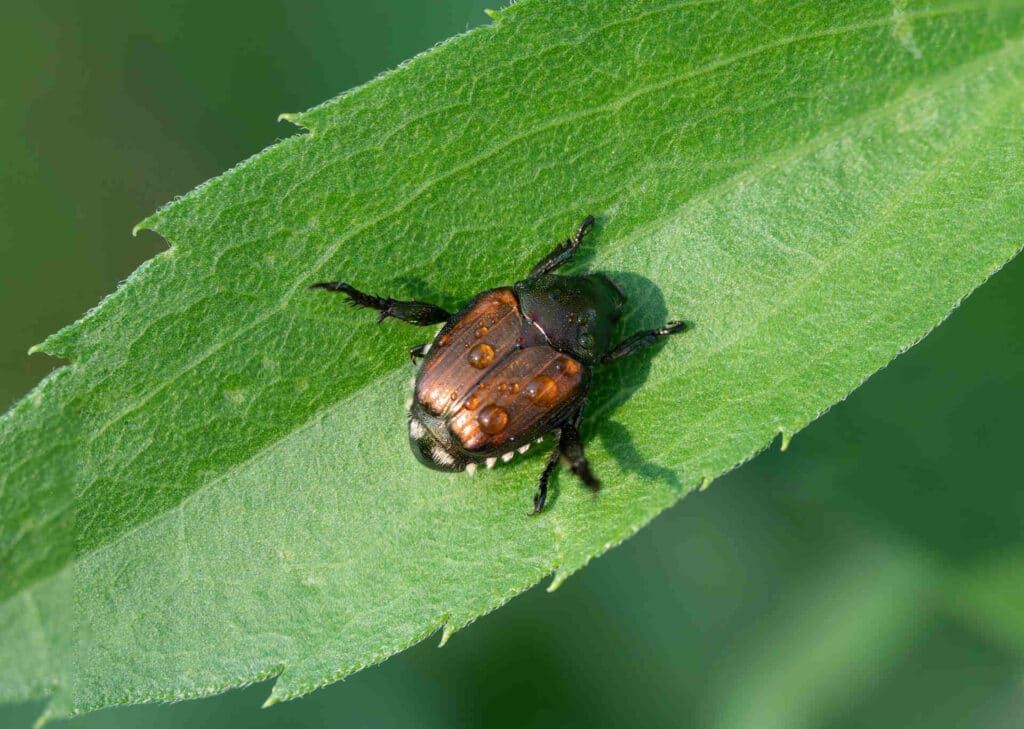
Caterpillars, Japanese beetles, and slugs typically cause the most visible and extensive physical damage through their voracious feeding, capable of completely defoliating plants overnight. However, aphids and whiteflies often cause greater overall economic damage through virus transmission that destroys entire crops even when direct feeding damage appears minor.
Root-feeding pests including nematodes and grubs cause severe damage that’s difficult to detect until plants collapse. Thrips damage flowers making ornamentals unmarketable. The “most damaging” pest depends on crop type, local pest pressures, and whether measuring immediate visible damage versus long-term economic impact including disease transmission and cumulative weakening effects reducing yields and plant vigor over time.
Q: Which types of garden pests are the most dangerous?
Garden pests pose little direct danger to humans, with most being completely harmless beyond plant damage. However, stinging insects including wasps, hornets, and bees nesting in gardens can cause painful stings and serious allergic reactions in sensitive individuals. Fire ants in southern regions deliver painful venomous stings.
Certain caterpillars have urticating hairs causing skin irritation when handled. Blister beetles contain cantharidin causing skin blistering if crushed. Black widow and brown recluse spiders occasionally encountered in gardens deliver medically significant bites. Ticks in garden vegetation transmit Lyme disease and other illnesses. Despite these examples, the vast majority of garden pests including aphids, thrips, mealybugs, and most beetles are entirely harmless to people and pets.
Q: Are certain garden pests seasonal?
Yes, most garden pests display distinct seasonal activity patterns tied to temperature, plant growth stages, and lifecycle requirements. Aphids peak during cool spring weather and moderate fall temperatures, declining during hot summer. Spider mites explode during hot, dry summer conditions.
Caterpillars follow host plant phenology with specific species appearing at predictable times. Squash bugs and cucumber beetles emerge as cucurbits begin growing. Japanese beetles have concentrated 4-6 week activity periods in mid-summer. Slugs and snails are most active during cool, wet spring and fall periods.
Q: Do certain garden pests harm pets?
Many garden pest problems can be successfully managed by homeowners using integrated pest management approaches combining cultural, mechanical, and biological controls with selective pesticide applications when necessary. Hand-picking larger pests, using barriers and traps, encouraging beneficial insects, and maintaining plant health through proper care often provides adequate control for minor to moderate infestations. Insecticidal soaps, horticultural oils, and organic products available to homeowners effectively control many common pests.
However, severe infestations, difficult-to-identify pests, or problems requiring specialized treatments may benefit from professional assistance. Persistent problems despite DIY efforts often indicate underlying issues requiring expert diagnosis. Professional pest control services offer comprehensive solutions, proper pest identification, and access to products unavailable to homeowners, ensuring effective long-term management.