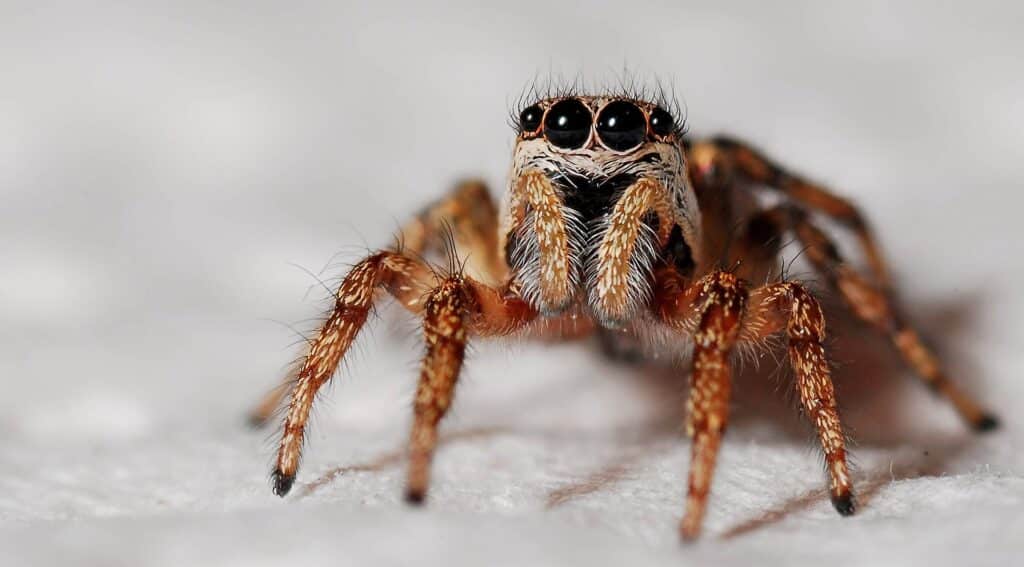
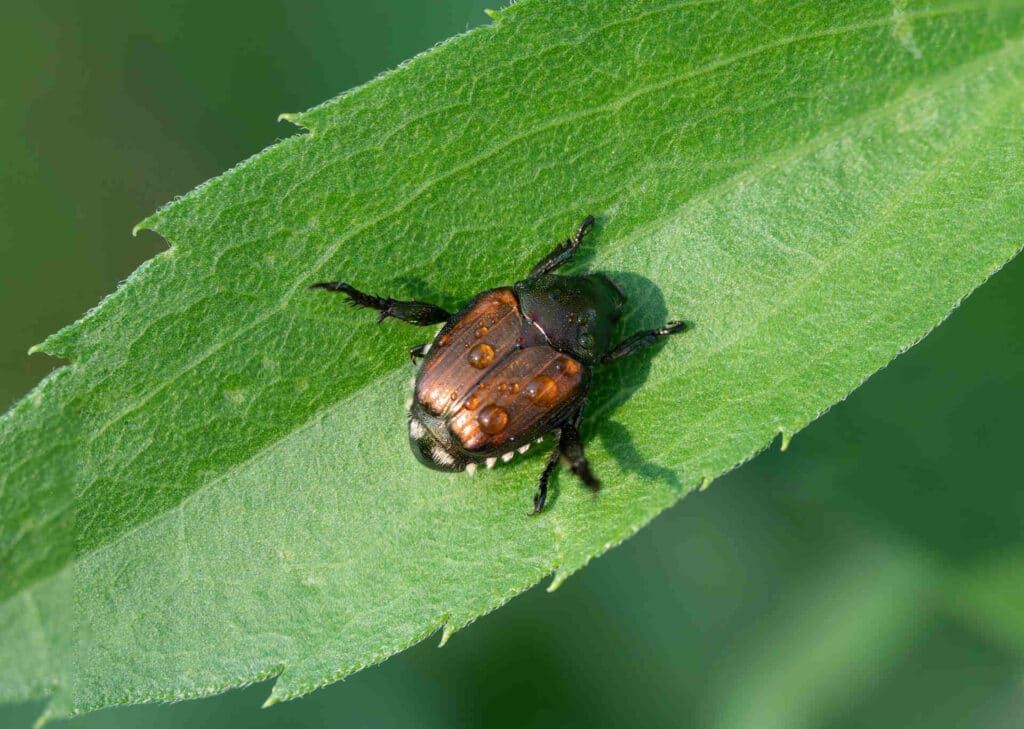
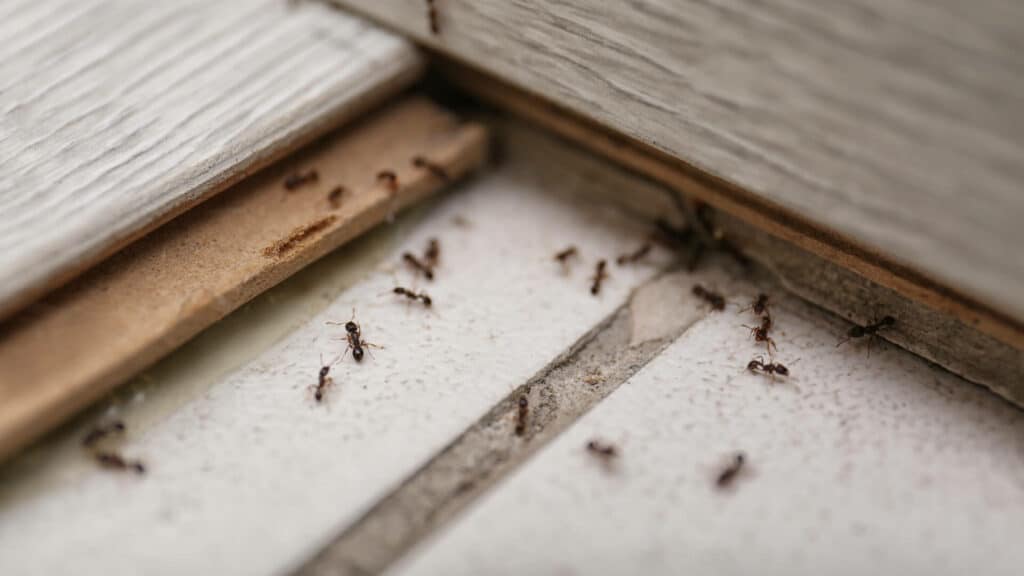
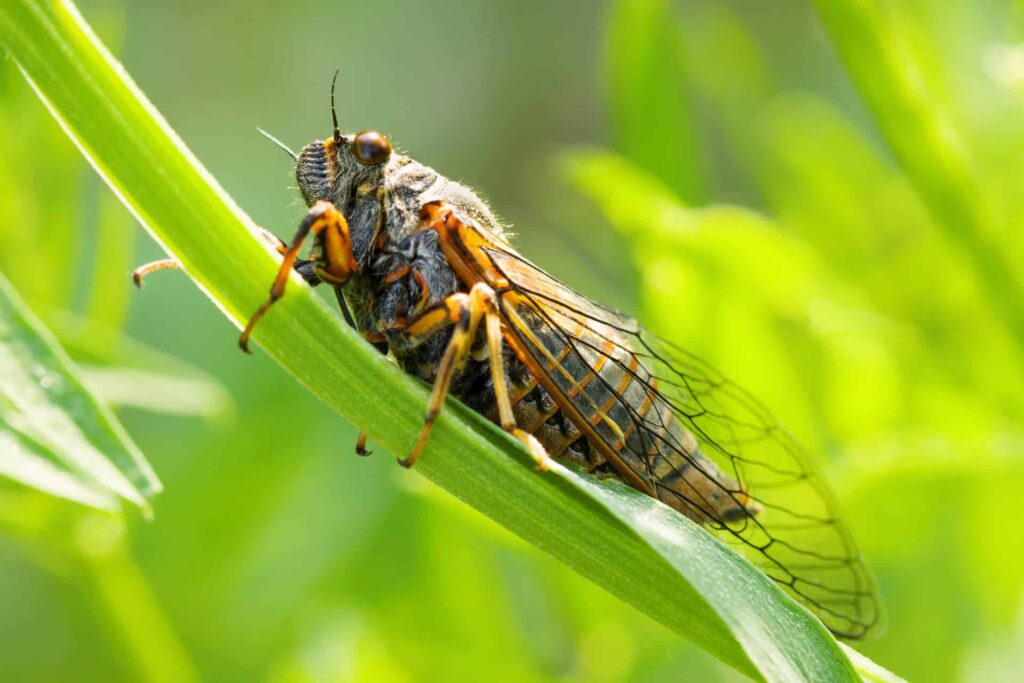
You remove cobwebs from corners, ceilings, and furniture only to discover new webs appearing within days or even hours, suggesting ongoing spider activity rather than residual old webs from previous occupation. Cobwebs keep reappearing after cleaning because active spider populations continue building new webs in favorable locations, with web reconstruction driven by multiple factors.
Understanding why cleaning spider webs proves insufficient for prevention explains the need for comprehensive approaches addressing spider populations and prey insects rather than just removing visible webs, reveals environmental factors enabling spider establishment, and informs effective strategies targeting root causes. Web removal represents symptom management rather than actual spider control from a pest control service.
Why Cobwebs Return So Quickly
Spiders demonstrate remarkable web-building efficiency and persistence, with biological and behavioral factors driving rapid web reconstruction following removal.
- Web building as core survival strategy: For web-building spider species, web construction represents their primary hunting method and fundamental survival behavior. Unlike hunting spiders that actively pursue prey, web-builders depend entirely on functional webs for food acquisition, making web construction automatic behavior occurring whenever previous webs are destroyed or become ineffective.
- Rapid construction capabilities: Many common house spiders construct complete webs in just 30-60 minutes once they select suitable locations. This rapid building means webs removed in morning can be completely replaced by evening, with spiders working primarily during nighttime hours when human activity decreases and prey insects remain active.
- Multiple web attempts: Individual spiders don’t necessarily rebuild in identical locations following web removal. They may construct new webs in nearby alternative sites, test multiple locations within rooms, or relocate to different areas entirely. This means removing single webs doesn’t eliminate spider presence—it simply forces relocation to other favorable spots within structures.
- Web abandonment and reconstruction: Even without human removal, spiders regularly abandon webs that become dusty, damaged, or unproductive in capturing prey. They then construct fresh webs in new locations or rebuild in previously-successful sites. This natural cycle means ongoing web appearance reflects normal spider behavior rather than response to cleaning specifically.
- Energy efficiency: While web construction requires significant energy expenditure, spiders can consume old web silk recovering approximately 90% of protein investment. This silk recycling makes reconstruction less costly than initial construction, enabling rapid rebuilding without prohibitive energy losses.
Common Indoor Web-Building Spider Species
Different spider species demonstrate varying web-building behaviors and location preferences, with specific species determining web appearance frequency and characteristics.
- Common house spiders: These cobweb weavers build irregular three-dimensional tangle webs in corners, ceiling-wall junctions, and other protected locations. They may construct multiple webs in different locations simultaneously, abandon unproductive webs readily, and demonstrate high web replacement rates creating persistent cobweb problems.
- Cellar spiders: Also called daddy longlegs spiders despite not being true daddy longlegs, these spiders build loose irregular webs in basements, crawl spaces, garages, and other cool damp locations. They often remain in webs for extended periods adding to existing structures rather than completely rebuilding, creating particularly dense multi-layered cobweb accumulations over time.
- Sheet web weavers: Various small spiders construct horizontal sheet webs with tangle threads above, typically in corners or beneath furniture. These webs collect dust becoming highly visible cobwebs, with spiders hanging beneath sheets waiting for prey to fall onto the surface from above.
- Occasional orb weavers: While most orb weavers remain outdoors, some species occasionally build characteristic circular webs indoors particularly near well-lit windows or doors. These spiders typically construct fresh webs nightly, removing and consuming old webs daily creating regular reconstruction cycles independent of human cleaning.
Why Certain Rooms Collect More Webs
Specific rooms within structures demonstrate consistently higher web density reflecting localized environmental factors and prey concentrations making these areas particularly favorable for spiders.
Guest rooms and spare bedrooms: Infrequently-used rooms provide undisturbed environments where spiders establish without regular human interference. Lower cleaning frequency, stable conditions, and often-closed doors that trap insects create ideal conditions, with spiders building extensive web networks unnoticed until rooms are accessed.
Basements and crawl spaces: Below-grade spaces typically demonstrate elevated humidity, cooler temperatures, numerous prey insects entering through foundation gaps, extensive structural complexity providing attachment points, and minimal traffic creating perfect spider habitat. These areas often support large spider populations within structures.
Attics and upper floor areas: Heat rising creates warm stable temperatures in attics, insects attracted to roof vents and ridge vents provide prey, stored items create harborage complexity, and infrequent access enables undisturbed establishment making attics spider havens often accumulating substantial web densities.
Bathrooms: Despite regular use, bathrooms provide moisture spiders required with humid air from showers and baths, insects including drain flies and fungus gnats providing prey, numerous corners and fixtures creating attachment points, and overnight periods without disturbance enabling web construction making bathrooms surprisingly common web locations.
Near windows and doors: These transitional areas experience high insect traffic as flying insects attempt exiting structures or enter from outdoors. Spiders position webs near these locations intercepting insects, with window corners and door frames providing excellent structural anchor points explaining concentrated web formation in these zones.
Why You See More Webs in Certain Seasons
Web formation rates demonstrate seasonal variation corresponding to spider life cycles, prey insect availability, and environmental conditions affecting both spiders and their food sources.
Spring increases: Warming temperatures trigger increased insect activity bringing more prey indoors, spider eggs laid previous fall begin hatching releasing new spiders into environments, and spiders emerging from winter dormancy or overwintering sites begin establishing territories creating spring web appearance surges.
Summer peaks: Peak insect abundance during warm months provides maximum prey availability supporting large spider populations, open windows and doors enable continuous insect and spider entry, and optimal temperatures enable rapid spider growth and reproduction creating seasonal population and web density maximums.
Fall invasions: Cooling outdoor temperatures drive both insects and spiders indoors seeking shelter, many spider species reach maturity in fall increasing web-building activity, and male spiders become more active and visible during mating season potentially creating perception of increased spider presence even if actual populations remain stable.
Winter persistence: While outdoor spiders become dormant, indoor populations persist given stable heated conditions and continued prey availability from indoor-breeding insects. Winter may show reduced new spider immigration but established populations continue web construction throughout cold months.
When to call the professionals
Professional pest control includes comprehensive inspection identifying spider species and prey insects, location of entry points and harborage areas, assessment of environmental factors supporting establishment, prey insect management addressing food sources, addressing entry points, and monitoring to confirm program effectiveness.
If you’re experiencing persistent cobweb problems despite regular cleaning, observing rapid web reappearance suggesting active spider populations, or uncertain what’s actually causing recurring spider issues, contact Aptive today for a free quote.