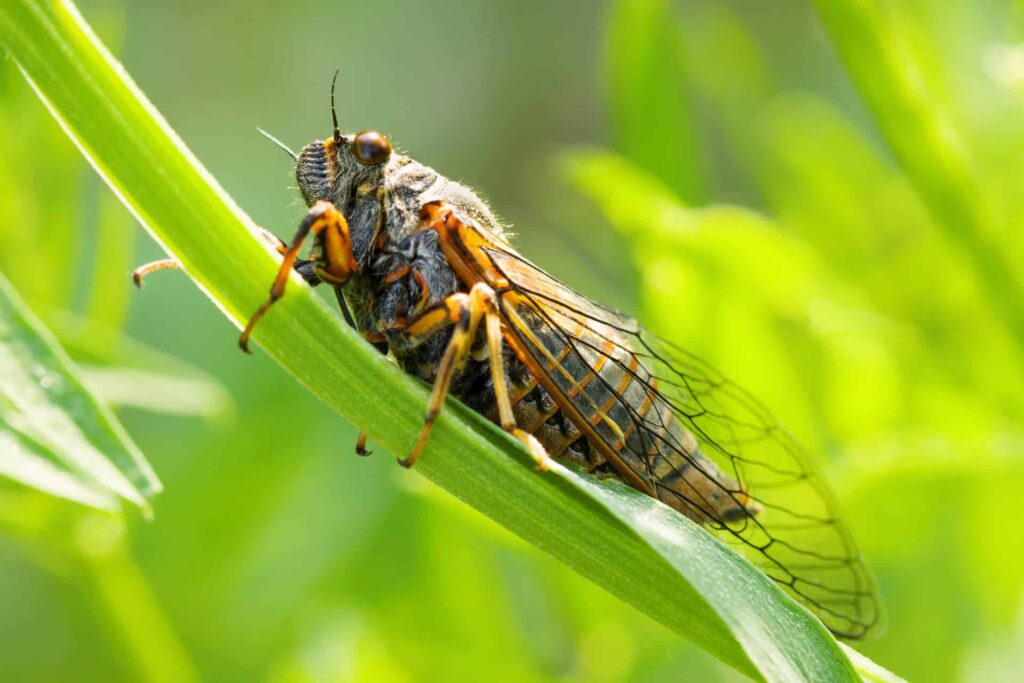
Diapause represents a critical survival strategy that allows insects to endure unfavorable environmental conditions including extreme temperatures, drought, or lack of food by entering a programmed state of dormancy with suppressed metabolism and arrested development.
This physiological adaptation differs from simple quiescence or torpor by being genetically programmed and hormonally regulated rather than just a direct response to immediate environmental stress. Recognizing diapause in common pest species informs control strategies and explains why insects may survive pesticide applications during dormant periods when their metabolic activity is minimal.
What is diapause?
Diapause is a genetically programmed, hormonally mediated state of arrested development and suppressed metabolism that insects enter in anticipation of or in response to unfavorable environmental conditions. Unlike simple dormancy or quiescence where insects immediately respond to poor conditions and resume activity when conditions improve, diapause is a predetermined developmental pause often triggered by environmental cues like changing day length (photoperiod) signaling approaching winter or dry seasons.
During diapause, insects dramatically reduce metabolic rates, cease feeding and development, and increase resistance to environmental stresses including extreme temperatures, desiccation, and starvation. This physiological state can occur at any life stage—egg, larva, pupa, or adult—depending on species-specific adaptations. Diapause allows insects to synchronize their life cycles with favorable seasons, ensuring vulnerable life stages don’t encounter lethal conditions.
Diapause is broken through specific environmental signals or after a required duration passes, with resumption of development controlled by hormonal changes rather than simply improved conditions. This adaptation is crucial for insect survival in temperate and seasonal environments, allowing species to persist through winters, dry seasons, or other predictable unfavorable periods.
Which species of insects utilize diapause?
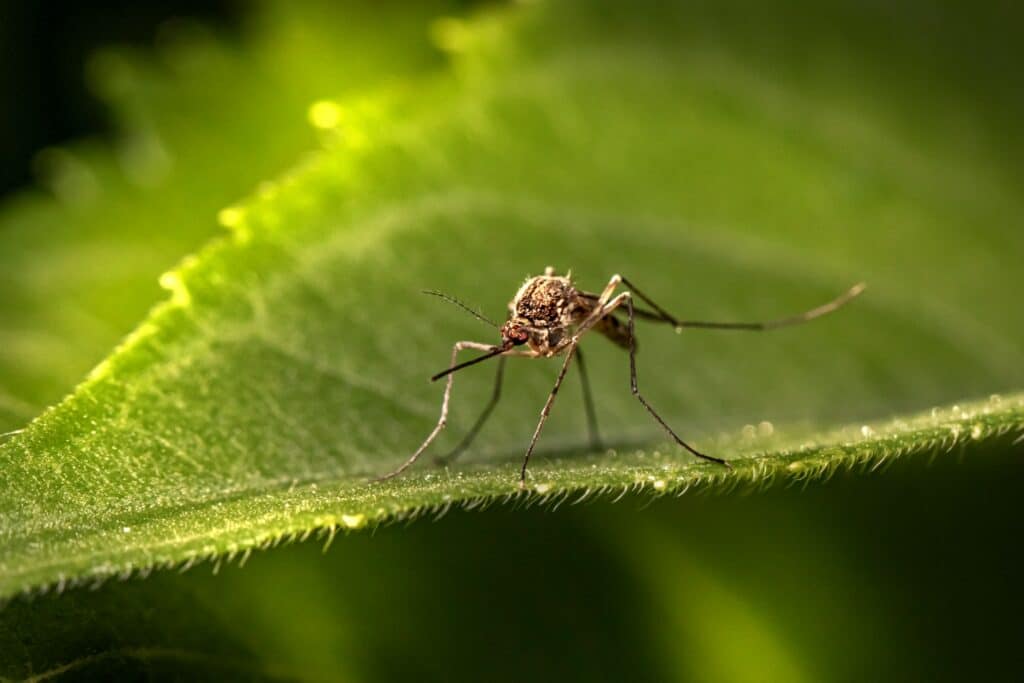
Diapause occurs across numerous insect orders and is particularly common in species inhabiting temperate climates with distinct seasons. Mosquitoes including many Aedes and Culex species overwinter in egg or adult diapause depending on species, with diapausing eggs surviving freezing temperatures. Flies including blowflies and face flies enter pupal or adult diapause to survive winter conditions.
Butterflies and moths frequently use pupal diapause to overwinter, with monarch butterflies uniquely entering adult reproductive diapause during their famous migration. Beetles including Colorado potato beetles and lady beetles use adult diapause, aggregating in protected locations. Bed bugs can enter diapause-like states allowing survival without blood meals for extended periods.
Aphids produce special diapausing eggs in fall that survive winter and hatch in spring. Stink bugs including the invasive brown marmorated stink bug enter adult diapause, aggregating in structures causing nuisance problems. Grasshoppers and crickets typically diapause as eggs surviving winter in soil.
Agricultural pests including corn borers, codling moths, and numerous others use diapause to survive between crop seasons. Beneficial insects including many parasitic wasps and predatory beetles also employ diapause, complicating biological control programs. Diapause is so widespread that most temperate insect species utilize some form of this survival strategy adapted to their specific ecological niches.
How do you know an insect is in diapause?
Identifying diapause in insects requires understanding characteristic behavioral and physiological changes distinguishing dormant individuals from active ones. Lack of feeding is a primary indicator, with diapausing insects refusing food even when offered and showing no foraging behavior. Arrested development shows larvae failing to molt or pupate, pupae not progressing to adult emergence, or adults not reproducing despite favorable conditions.
Reduced metabolic activity manifests as decreased respiration rates measurable in laboratory settings, though homeowners cannot directly assess this. Aggregation behavior in protected locations including building voids, under bark, or in leaf litter suggests diapause preparation, particularly when occurring seasonally in fall.
Color changes occur in some species, with diapausing individuals developing darker pigmentation or different coloration than active forms. Immobility characterizes diapausing insects that remain motionless for extended periods, responding minimally to stimuli that would provoke reactions in active individuals.
Seasonal timing provides context, with insects found dormant during their species’ typical diapause period likely being in this state. Fat body development shows diapausing insects having enlarged fat reserves visible through body walls in some species. Location changes including finding normally outdoor insects suddenly appearing indoors in fall suggests diapause-seeking behavior as insects search for protected overwintering sites before entering dormancy.
What happens during diapause?
During diapause, insects undergo profound physiological changes allowing survival through unfavorable conditions. Metabolic suppression reduces respiration rates by 90% or more compared to active individuals, dramatically decreasing energy requirements and allowing survival on stored fat reserves for months. Hormonal regulation involving specialized hormones including diapause hormone maintains the arrested state and prevents premature emergence.
Development arrest halts progression through life stages at species-specific points—embryonic development stops in eggs, larval molting ceases, pupal-adult transformation pauses, or adult reproduction suspends depending on the diapause stage. Biochemical changes include accumulating cryoprotectants (antifreeze compounds) like glycerol allowing survival of freezing temperatures, increasing stress-resistance proteins, and altering membrane compositions.
Behavioral changes show diapausing insects seeking protected microhabitats, ceasing feeding, and becoming less responsive to environmental stimuli. Water balance regulation prevents desiccation during extended dormancy through reduced spiracle opening and enhanced water retention mechanisms.
Gene expression changes activate diapause-specific genes while silencing growth and development genes, fundamentally reprogramming cellular activities. Immune function maintenance continues at reduced levels protecting dormant insects from pathogens during the vulnerable extended inactive period.
How to know if you have an infestation of an insect that uses diapause?
Recognizing infestations of diapausing insects requires attention to seasonal patterns and characteristic aggregation behaviors:
- Sudden fall appearance indoors: You might notice large numbers of insects like stink bugs, lady beetles, or cluster flies appearing inside structures during fall as they seek overwintering sites.
- Aggregations in protected areas: It’s common to discover masses of inactive insects clustered in attics, wall voids, window frames, or other protected locations during winter months.
- Spring emergence events: You might experience sudden insect activity in early spring as diapausing individuals emerge simultaneously when conditions trigger diapause termination.
- Seasonal population patterns: You are likely to observe predictable annual cycles where pest species disappear completely during certain seasons then reappear at specific times indicating diapause periods.
- Eggs or pupae persisting: You’re likely to find insect eggs or pupae remaining unchanged for extended periods through winter or dry seasons, surviving conditions that would kill active life stages.
How to prevent an infestation of insects who use diapause
Preventing infestations of diapausing insects requires timing interventions before they enter dormancy and sealing entry points:
- Seal structures before fall: Caulk gaps, install door sweeps, and repair screens in late summer before insects begin seeking overwintering sites in structures.
- Remove outdoor aggregation sites: Eliminate leaf litter, woodpiles, and debris near buildings where insects gather before entering structures to diapause.
- Vacuum overwintering insects: Remove any diapausing insects found indoors before they settle, preventing spring emergence and reproduction when dormancy ends.
- Time treatments strategically: Apply preventive perimeter treatments in late summer targeting insects before they enter structures and become protected in wall voids.
- Monitor and exclude early: Watch for initial fall scouts entering buildings and seal their entry points immediately before mass invasions occur during peak diapause-seeking periods.
When to talk to a professional
When dealing with insect infestations involving species that use diapause, including stink bugs, lady beetles, cluster flies, or other overwintering pests invading your home seasonally, professional pest control services can provide effective management strategies addressing both active and dormant life stages. At Aptive, our pest control experts understand insect diapause patterns and seasonal behavior, which is crucial for implementing properly timed treatments.
If you’re experiencing seasonal invasions of overwintering insects like stink bugs or lady beetles in fall, discovering masses of dormant insects in attics or wall voids during winter, or facing sudden spring emergences of insects that overwintered in your home, don’t wait—contact Aptive today for a free quote.