When discovering insects in your vehicle, understanding what attracts bugs in car environments is crucial for implementing pest control strategies and eliminating recurring problems.
Cars provide conditions many insects actively seek including shelter from weather and predators, warmth from enclosed sun-heated interiors, food sources from crumbs and spills, moisture from condensation and spills, and easy access through temporarily open doors and windows.
Understanding why you have bugs in your car explains seemingly mysterious infestations, reveals preventable factors attracting pests, and informs practical steps eliminating attractants and access routes making vehicles less hospitable to insect establishment.
Primary Factors Attracting Insects to Vehicles
- Food sources: Even minimal food residues attract various insect species with small crumbs under seats, sticky residues in cup holders, food wrappers left in door pockets, and spilled drinks creating detectable attractants. Ants detect and follow chemical trails to food sources exploiting even tiny quantities, cockroaches scavenge diverse organic materials including food fragments and beverage residues, and various beetles and other opportunistic insects investigate potential nutrition sources.
- Moisture accumulation: Vehicles develop moisture from multiple sources including condensation on windows and surfaces when temperature differentials exist, wet floor mats from rain, snow, or spilled drinks, air conditioning condensation sometimes leaking into interiors, and humid conditions when vehicles sit closed during warm weather. This moisture attracts insects requiring elevated humidity including silverfish preferring damp environments, springtails congregating in moist areas, and various species needing water for survival.
- Shelter and harborage: Enclosed vehicle interiors provide protected spaces insects exploit for shelter including beneath seats and floor mats, inside door pockets and storage compartments, within trunk areas, and various small gaps and crevices throughout interiors. These locations offer darkness, protection from weather, stable temperatures, and security from predators making them attractive harborage particularly for spiders constructing webs and egg sacs.
- Access opportunities: Vehicles aren’t sealed environments, with insects entering through temporarily open doors and windows during loading/unloading or ventilation, gaps around door and window seals particularly in older vehicles, ventilation system openings if filters are damaged or missing, and trunk openings during use. Brief opening periods provide sufficient time for mobile insects to enter exploring for favorable conditions.
- Proximity to pest sources: Parking locations dramatically affect pest exposure. Vehicles parked near vegetation including trees, shrubs, and tall grass experience more insect contact, near outdoor lighting attracting flying insects at night, in garages with existing pest populations enabling easy transfer, and near woodpiles, compost, or debris harboring various arthropods all increase likelihood of pest entry.
- Hitchhiking on items: Many vehicle pest problems originate from insects accidentally transported inside on groceries and shopping bags, backpacks and gym bags, cardboard boxes, camping and sports equipment, plants and garden supplies, and used furniture or items from storage areas. This passive transport enables insects to establish in vehicles without actively seeking entry.
Which Bugs Are Most Common in Cars?
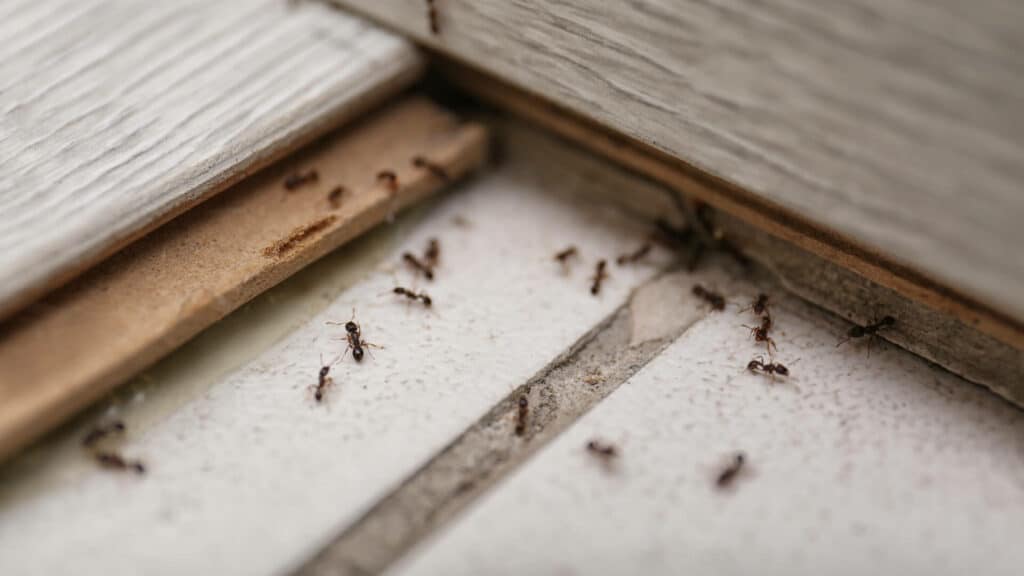
- Ants: Various ant species including odorous house ants, pavement ants, and sugar ants trail into vehicles following food scent trails. Workers create pheromone paths from outdoor colonies to food sources inside vehicles, with trails visible along door seams and across floor surfaces. Heavy infestations may include queens establishing satellite nests within vehicles though this remains uncommon.
- Cockroaches: German cockroaches occasionally infest vehicles particularly when transferred from infested buildings in transported items. They exploit food crumbs, moisture, and harborage beneath seats thriving in warm vehicle interiors. American and Oriental cockroaches less commonly enter vehicles but may investigate during exploratory movements.
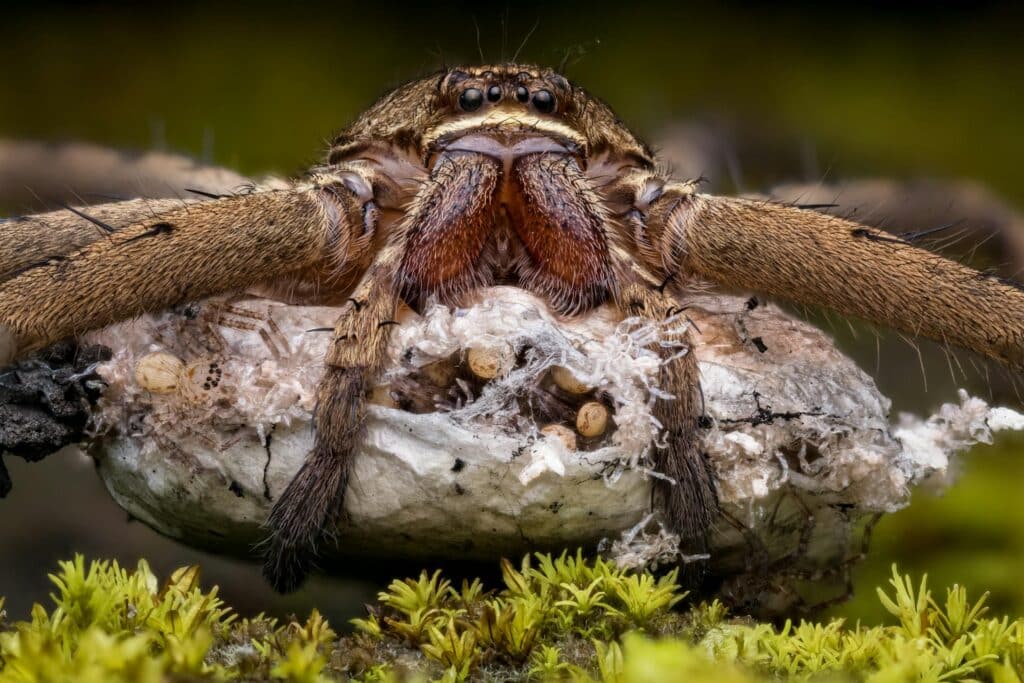
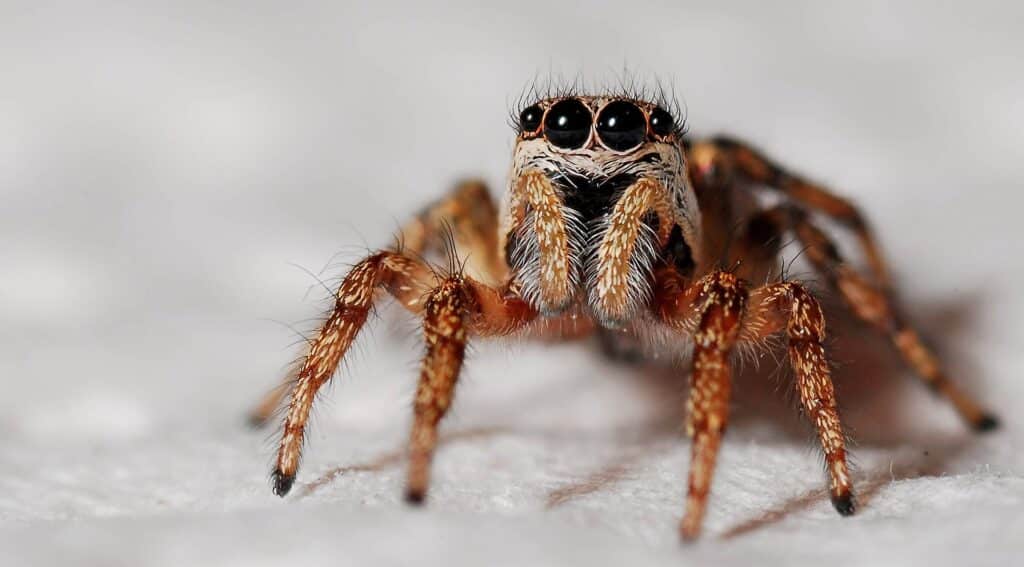
- Spiders: Various spider species establish in vehicles constructing webs in corners, beneath seats, and in door pockets. Common species include cobweb spiders creating irregular webs, cellar spiders building in protected areas, and jumping spiders hunting without webs. Most vehicle spiders are harmless though their presence and webs create discomfort.
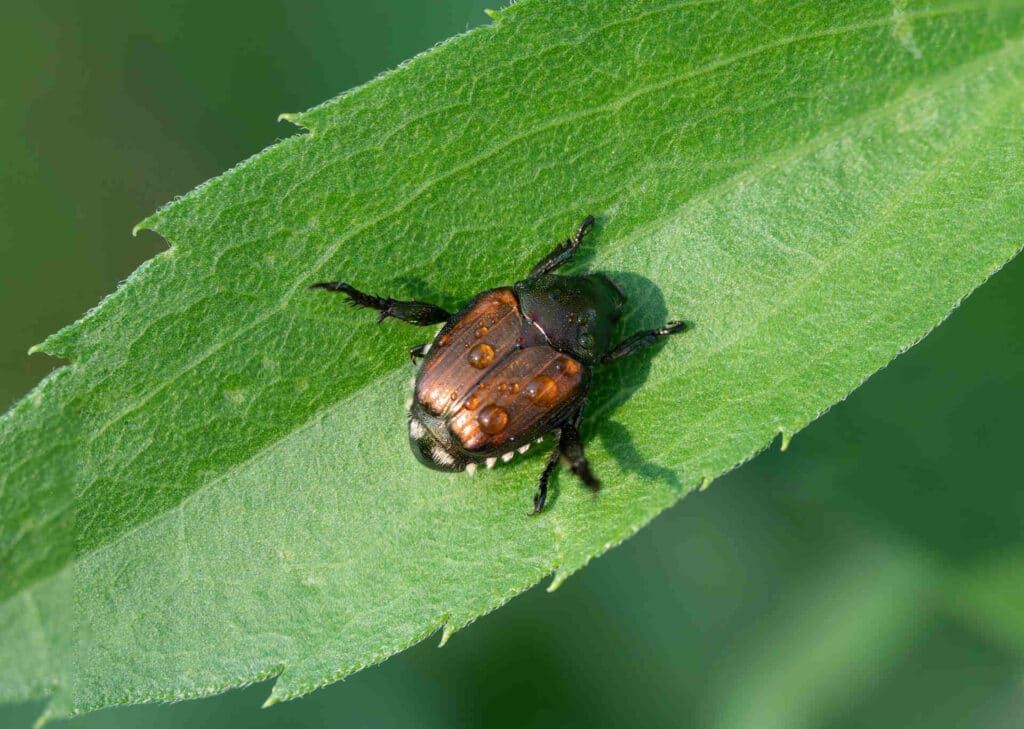
- Beetles: Ground beetles, carpet beetles, and various other beetle species accidentally enter vehicles exploring environments or following light. They typically don’t establish permanent populations but their presence concerns drivers particularly when numbers increase.
- Silverfish and springtails: These moisture-dependent arthropods appear in vehicles with persistent dampness from leaks, wet mats, or condensation. Silverfish feed on various materials including paper and fabric while springtails feed on mold and organic debris in moist areas.
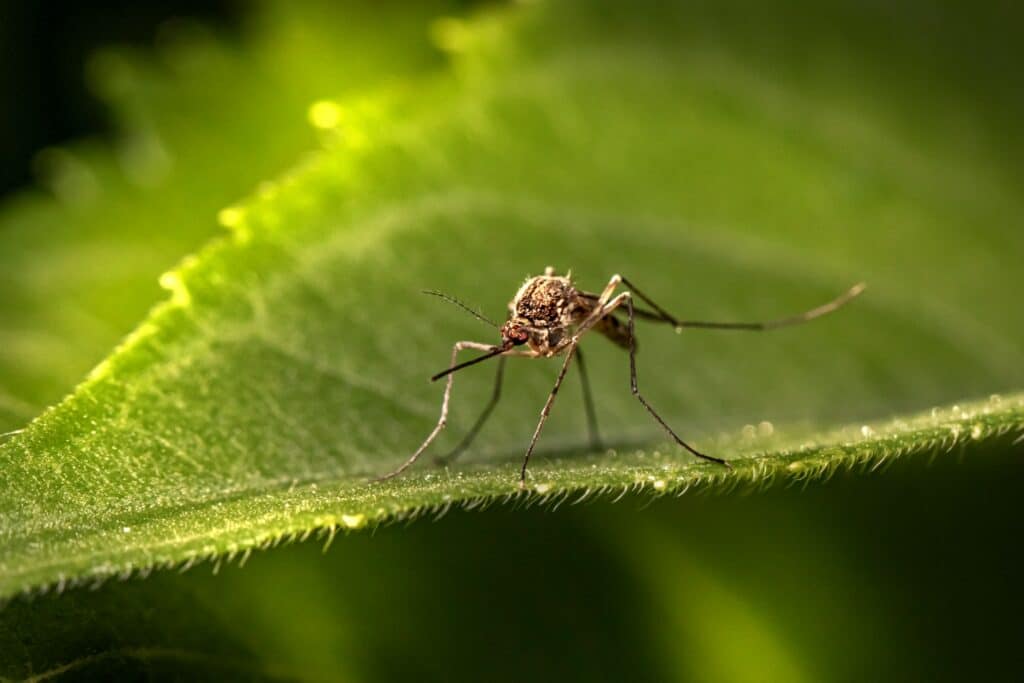
- Flies: House flies, fruit flies, and other fly species enter through open doors and windows, attracted by food odors or simply entering during brief opening periods. They typically don’t reproduce in vehicles, but their presence creates nuisance issues.
Prevention and Elimination
Sanitation practices: Regular thorough cleaning proves most-effective prevention. Vacuum floors, seats, and crevices weekly removing food particles and organic debris. Clean cup holders and storage compartments removing sticky residues. Dispose of all trash immediately rather than accumulating wrappers and containers. Wipe spills promptly prevent residue accumulation and moisture problems.
Moisture control: Address moisture sources through removing and drying wet floor mats thoroughly, fixing air conditioning leaks causing interior moisture, using moisture absorbers or desiccants in humid climates, and ensuring proper door and window seals preventing rain entry. Crack windows briefly after parking enabling air circulation reducing condensation though balance security concerns.
Inspection before loading: Examine items before placing in vehicles shaking out bags and boxes, inspecting groceries particularly produce that may harbor insects, checking outdoor equipment used in infested areas, and avoiding transporting items from pest-infested locations without prior inspection and treatment.
Strategic parking: When possible, park away from vegetation and pest sources, avoid proximity to outdoor lighting attracting flying insects, use garages only if pest-free to avoid transferring household pests, and maintain cleared areas around regular parking spots reducing pest exposure.
Physical exclusion: Keep windows and doors closed when parked except brief ventilation periods, repair damaged door and window seals preventing pest entry through gaps, ensure trunk seals properly without gaps, and check ventilation system filters replacing damaged filters that could allow entry.
When Pest Control Services Can Help
Persistent vehicle pest problems despite prevention efforts may indicate transfer from infested homes, garages, or frequently visited locations warranting professional inspection. Pest control for cars involves identifying pest sources, treating contributing locations like garages, and implementing comprehensive strategies addressing both vehicle and surrounding environments.
If you’re experiencing recurring pest problems in your vehicle, uncertain how pests access your car despite closed windows, or dealing with established infestations requiring treatment, contact Aptive today for a free quote from a professional pest control service.