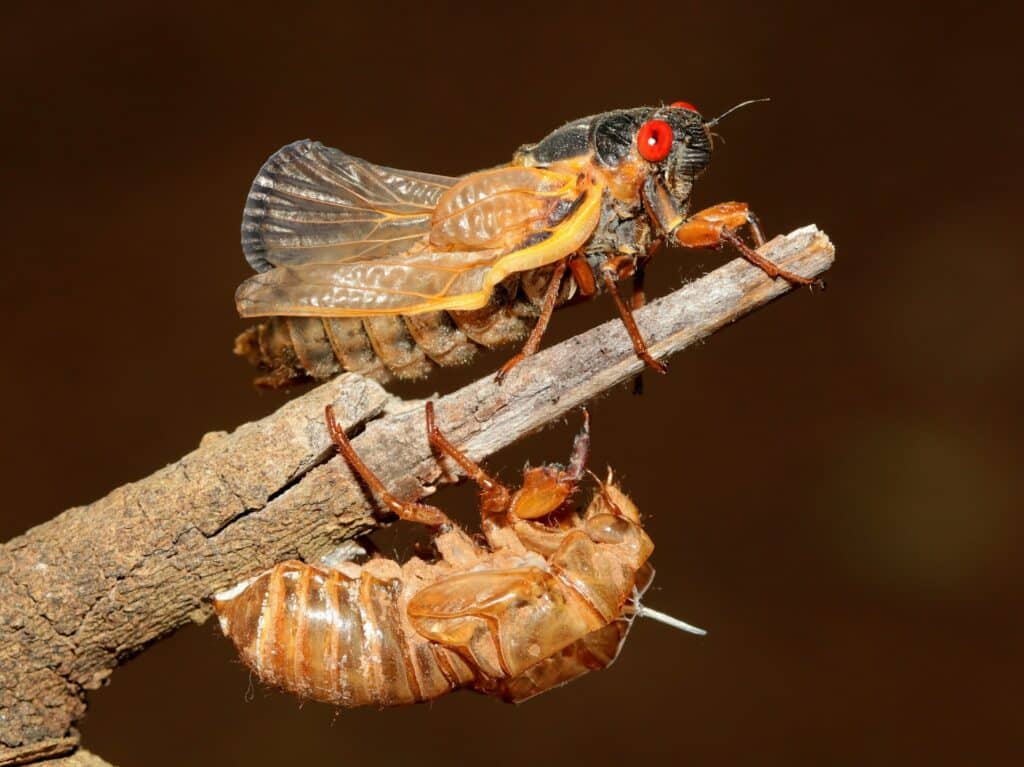
When encountering small arthropods in homes and attempting to identify them for appropriate control measures, understanding the scientific definition of insect is crucial for distinguishing true insects from other superficially-similar creatures requiring different pest control management approaches.
Insects are invertebrate animals belonging to class Insecta within phylum Arthropoda, defined by specific anatomical characteristics including three distinct body regions (head, thorax, abdomen), three pairs of legs (six total) attached to thorax, one pair of antennae on head, and typically possessing wings as adults though some groups are wingless.
Understanding what insects are enables accurate identification distinguishing them from spiders, centipedes, mites, and other non-insect arthropods, informs appropriate control product selection as insecticides target insects specifically while different products address arachnids, and provides foundation for understanding pest biology guiding effective management strategies.
The Scientific Definition of an Insect
Three-part body structure: All insects demonstrate consistent body organization divided into three distinct tagmata (body regions) each serving specific functions. The head contains sensory organs including compound eyes (in most species), simple eyes (ocelli), antennae, and mouthparts adapted for specific feeding modes.
The thorax comprises three segments each bearing one leg pair, with wings (when present) attached to second and third thoracic segments. The abdomen contains digestive, reproductive, and excretory organs plus spiracles (respiratory openings) along sides, typically consisting of 11 segments though some are reduced or fused in various groups.
Six-legged locomotion: The presence of exactly three leg pairs (six total legs) represents perhaps the most-reliable insect identification feature. All legs attach to thorax segments—never to head or abdomen—with each leg consisting of multiple segments (coxa, trochanter, femur, tibia, tarsus) enabling complex movements.
Leg structure varies tremendously among species reflecting different locomotion modes and ecological niches including jumping legs in grasshoppers, swimming legs in aquatic beetles, grasping forelegs in praying mantises, and pollen-collecting legs in bees.
Antennal sensory structures: Insects possess a single pair of antennae (except rare primitively wingless groups lacking them) projecting from head serving critical sensory functions. Antennae bear numerous sensory receptors detecting odors, humidity, temperature, touch, and sometimes sound.
Antennal morphology varies enormously from simple thread-like antennae to elaborate feathery structures in male moths detecting female pheromones, clubbed antennae in butterflies and beetles, and elbowed antennae in ants.
Chitinous exoskeleton: Like all arthropods, insects possess external skeletons (exoskeletons) composed primarily of chitin providing structural support, protection, and muscle attachment points while preventing water loss. This rigid covering necessitates molting (ecdysis) to accommodate growth, with insects shedding exoskeletons multiple times during development.
Segmented body plan: Insect bodies demonstrate metameric segmentation—serial repetition of similar body units—though segments are highly modified in different body regions. This segmentation reflects arthropod ancestry and enables specialized regional functions while maintaining structural organization.
Why These Definitions Matter for Home Pest Control
Understanding insect definition enables recognition of common household pests as true insects requiring insecticide-based management.
Order Blattodea (cockroaches and termites): These insects demonstrate incomplete metamorphosis with German cockroaches, American cockroaches, and Oriental cockroaches representing major indoor pests, while subterranean termites and drywood termites cause structural damage.
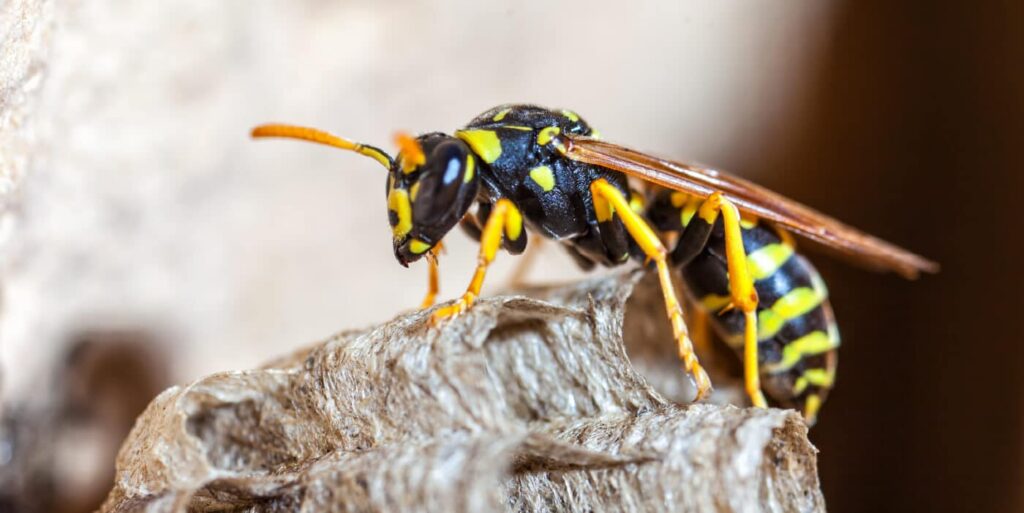
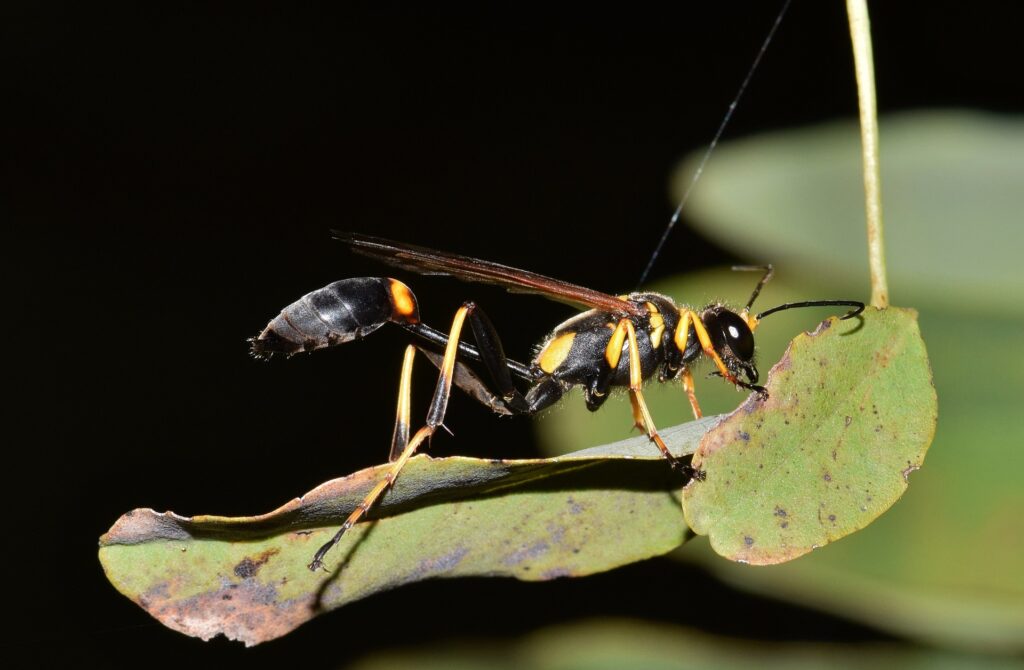
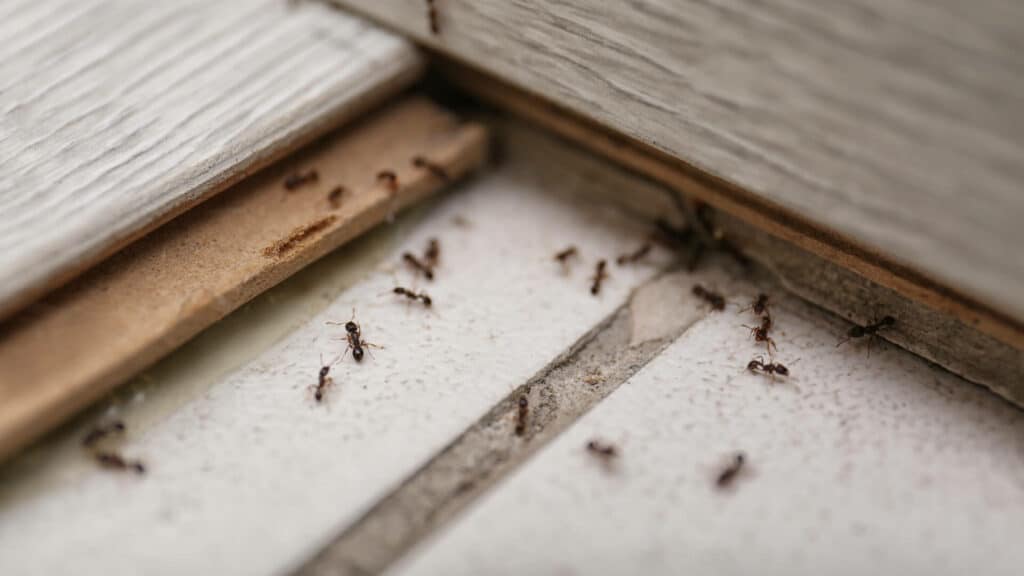
Order Hymenoptera (ants, bees, wasps): Social insects including carpenter ants, odorous house ants, pavement ants, and various other ant species invade structures, while yellowjackets and paper wasps create nesting problems, and carpenter bees damage wood.
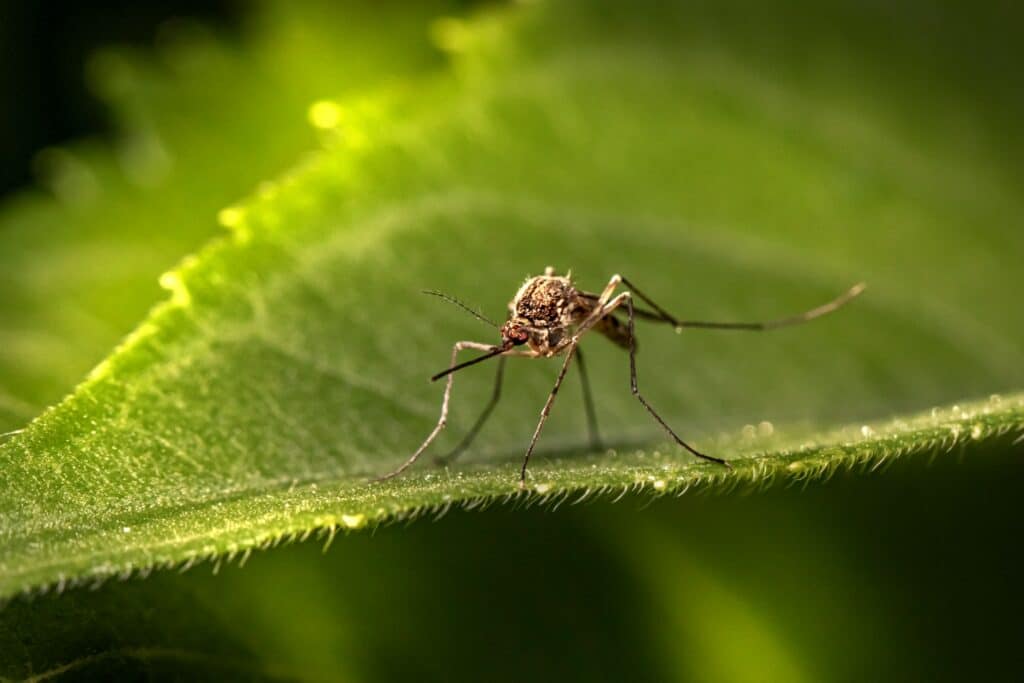
Order Diptera (true flies): Two-winged flies including house flies, fruit flies, drain flies, and various other species create nuisance problems and potential disease transmission.
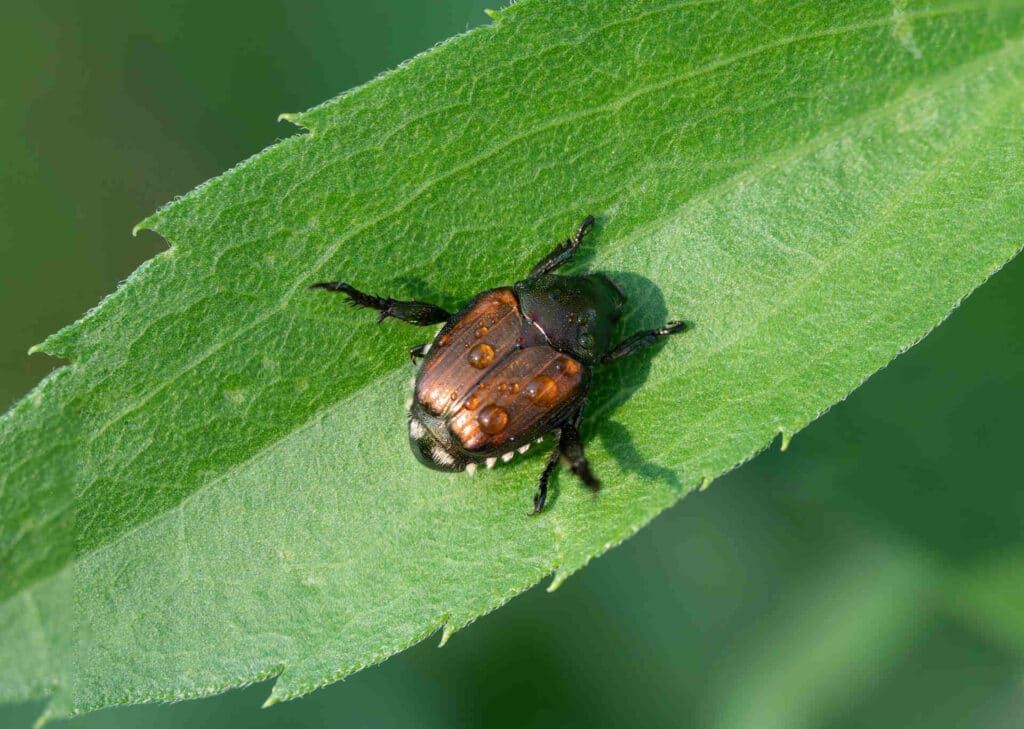
Order Coleoptera (beetles): Diverse beetle groups including carpet beetles damaging fabrics, powderpost beetles infesting wood, and stored product beetles contaminating foods demonstrate varied pest impacts.
Order Lepidoptera (moths and butterflies): Clothes moths and pantry moths infest stored goods and fabrics with larvae causing actual damage while adults prove relatively harmless.
Order Siphonaptera (fleas): Cat fleas and dog fleas parasitize pets occasionally biting humans creating significant nuisance problems.
Common Non-Insect Pests
Recognizing animals that superficially resemble insects but belong to different classes prevents misidentification and enables appropriate control approaches.
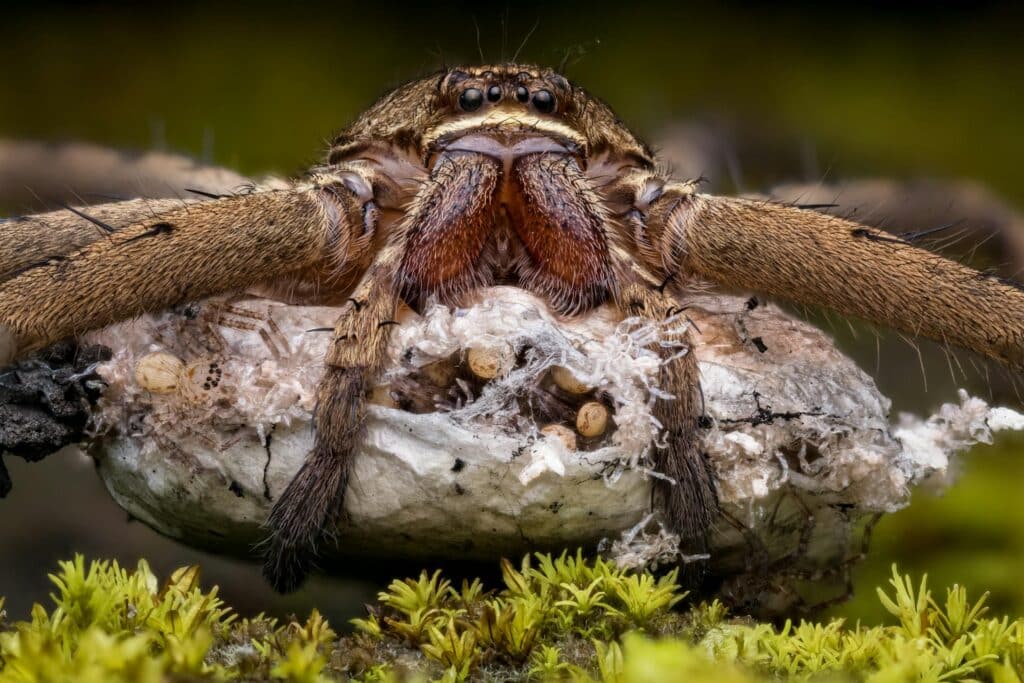
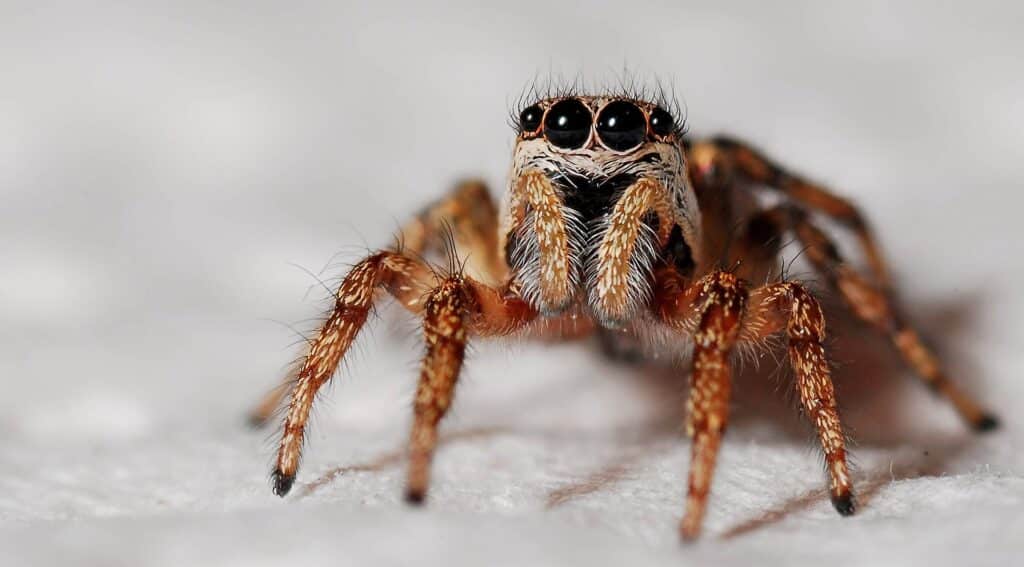
Spiders (class Arachnida): Eight legs, two body parts (cephalothorax and abdomen), and no antennae distinguish spiders from insects. Common species include cobweb spiders, cellar spiders, and wolf spiders.
Centipedes (class Chilopoda): Multiple leg pairs (15-191 depending on species), elongated flattened bodies, and venomous forcipules distinguish centipedes from insects, with house centipedes being common indoor predators.
Millipedes (class Diplopoda): Multiple leg pairs (appearing as two pairs per segment), cylindrical bodies, and defensive secretions characterize millipedes occasionally invading structures.
Mites and ticks (class Arachnida, subclass Acari): Eight legs as adults (six as larvae), fused body regions, and microscopic to small size distinguish these arachnids from insects, with dust mites, spider mites, and various other mites creating problems.
When to Consider Professional Pest Control Services
Professional pest control services provide accurate identification, appropriate treatment selection, and comprehensive strategies addressing specific pest species.
If you’re uncertain whether observed pests are insects or other arthropods, experiencing problems with multiple pest types, or wanting professional assessment for pest control, contact Aptive today for a free quote.