Georgia’s pest activity is shaped by a humid subtropical climate, long warm seasons, and a landscape that ranges from barrier islands and salt marshes to the rolling Piedmont and the Blue Ridge foothills. The state’s major river systems, including the Chattahoochee, Savannah, and Altamaha basins, add riparian corridors where moisture and shade persist even in heat. Around metros like Atlanta, Augusta, Savannah, Columbus, and Macon, irrigated lawns, stormwater features, and dense neighborhoods create steady shelter and food sources for pests that thrive close to people.
For most homeowners, pest control is less about a one-time sighting and more about managing the conditions that keep pests returning. Tiny water sources, a loose door sweep, or thick groundcover touching siding can be all it takes for activity to build. Below are six pests Georgia homeowners commonly deal with, along with local factors that attract them and practical steps that may help reduce activity around the home.
Seasonal Pest Activity in Georgia
Georgia’s winters are usually mild compared to much of the U.S., so pest pressure does not fully shut down. Instead, activity tends to shift by season and by region. The coast can stay active deep into fall, while North Georgia cools faster and pushes pests to seek warm, sheltered spots.
A quick seasonal snapshot
- Winter: Indoor pests like cockroaches and rodents may concentrate around kitchens, basements, and wall voids, especially during cold snaps and rain.
- Spring: Ants and stinging pests restart nest building, while ticks become more noticeable along wooded edges as vegetation fills in.
- Summer: Mosquitoes peak around standing water and shaded yards, and cockroaches often increase around humid crawlspaces and mulch lines.
- Fall: Rodents look for protected nesting sites as nights cool, and wasps and yellowjackets may become more visible around food, trash, and outdoor gatherings.
The Top 6 Most Common Pests in Georgia Homes
Every home is different, but these six categories show up again and again across the state. If you live near woods, water, or unmanaged vegetation, you may notice some pests more often. If you live in a dense neighborhood or multi-unit building, others may be more persistent indoors.
1. Mosquitoes
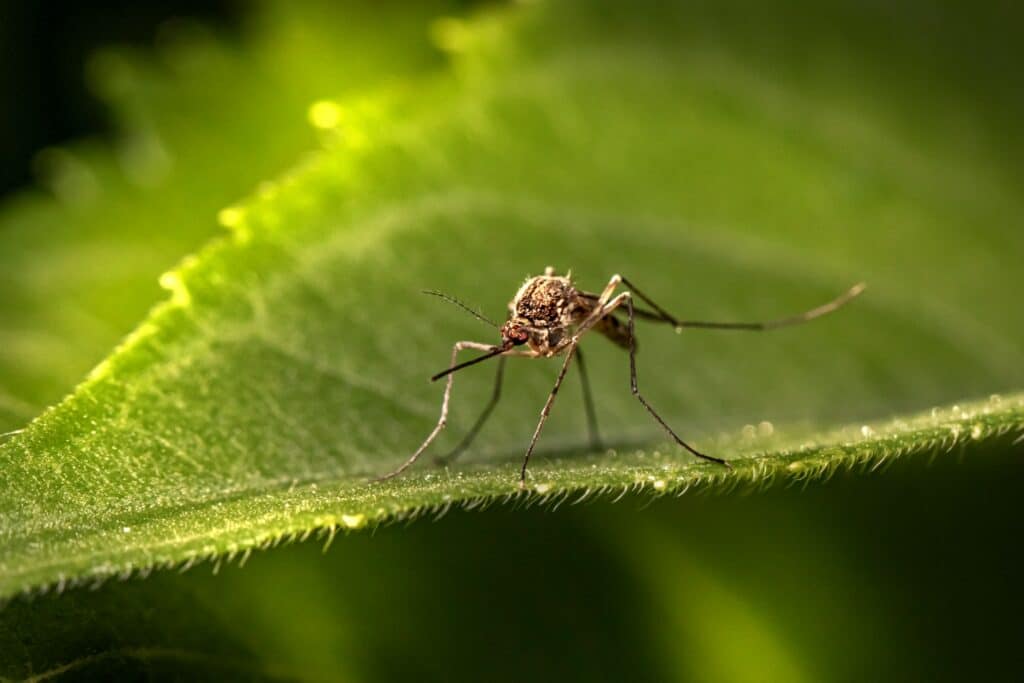
Warm nights, frequent summer rain, and pockets of standing water make mosquitoes a statewide concern, from coastal yards near Savannah to back patios in the Atlanta metro. Mosquitoes do not need a pond. A clogged gutter, a birdbath, a plant saucer, or even a tarp that holds water after storms can be enough to support breeding. In Georgia, the long warm season also extends the window when adults are active, especially in shaded neighborhoods with dense landscaping.
Beyond the nuisance of bites, mosquitoes are the reason public health agencies track diseases like West Nile virus. You cannot control what happens across an entire neighborhood, but you can make your own yard less inviting.
What may attract mosquitoes to your property
- Standing water that lingers for more than a few days, including gutters, buckets, toys, and low spots in lawns.
- Dense shade and high humidity around shrubs, ivy, and tight plantings where adults rest during the day.
- Outdoor water sources such as pet bowls, leaky spigots, and condensate lines that drip near foundations.
Practical steps that may help
- Empty or refresh water-holding items weekly, and keep gutters flowing so rain does not pool along rooflines.
- Trim back overgrown plants near patios and doors to reduce cool, damp resting areas.
- If you spend time outdoors often, consider scheduling seasonal mosquito control so you have recurring support when activity is highest.
2. Fire Ants
Few pests change how people use their yard like fire ants. In many Georgia neighborhoods, they show up in sunny lawn edges, along sidewalks, around irrigation lines, and in landscaped beds where soil stays workable. Mounds can appear quickly after rain followed by warmth, and they often return to the same general areas if conditions stay favorable.
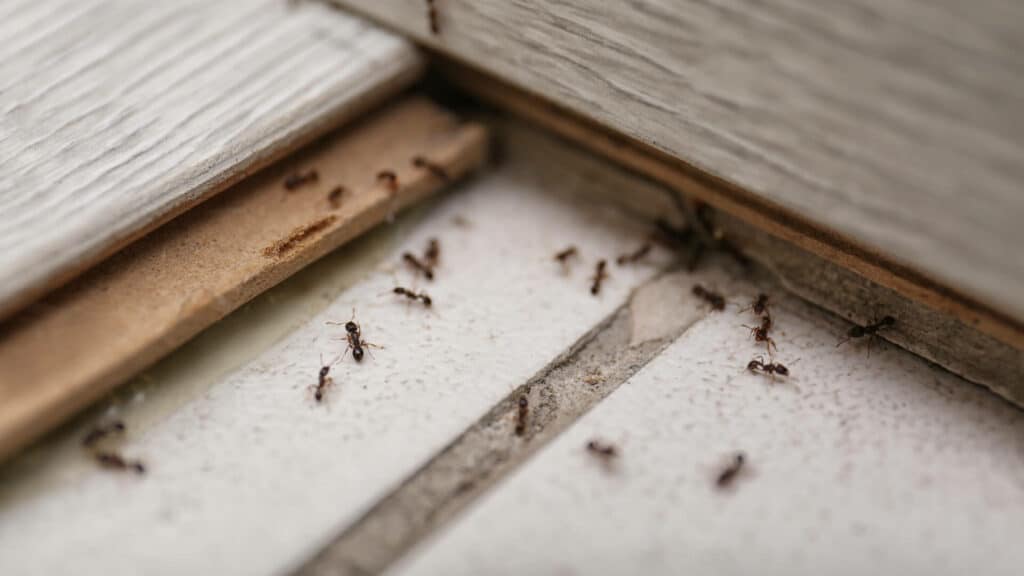
Fire ants are a specific type of ants, and while they are commonly found outdoors, they can still become an issue near entry points when colonies are close to foundations. Managing them usually means combining yard habits with a plan that stays consistent during the warm months.
Where fire ant activity tends to build
- Sunny lawn sections near driveways, mailboxes, and fence lines where soil warms fast.
- Mulched beds and landscape borders that are watered regularly.
- Areas disturbed by pets, kids, or lawn equipment where ants rebuild mounds nearby.
Practical steps that may help
- Reduce excess watering where possible and fix irrigation leaks that keep soil damp.
- Keep mulch layers moderate and avoid piling it directly against foundations.
- If mounds are widespread or return quickly, ant control can help you manage activity across the areas you use most.
3. Cockroaches
Georgia’s humidity and long warm season support multiple species of cockroaches. Some are mostly indoor pests, while others live outdoors and wander inside through gaps under doors, vents, and plumbing penetrations. Home features like crawlspaces, attached garages, and damp utility rooms can add to the problem, especially after heavy rain.
In many parts of the state, homeowners refer to large outdoor roaches as “palmetto bugs.” In Georgia, that nickname is often used for species such as the smokybrown cockroach, which commonly lives outdoors in leaf litter and mulch but may move indoors when conditions are right. Indoors, the German cockroach is a frequent kitchen and bathroom problem because it can thrive close to food, moisture, and warmth.
Common conditions that support cockroach activity
- Moisture around sinks, tubs, laundry areas, and crawlspace vents that stay damp.
- Food residue in kitchens, including crumbs under appliances and grease buildup around stoves.
- Outdoor harborage such as thick leaf litter, stacked firewood, and mulch pressed against siding.
Practical steps that may help
- Address small leaks and reduce humidity in damp areas so roaches have fewer reliable water sources.
- Seal food in tight containers and clean under appliances regularly, especially in corners and cabinet toe-kicks.
- Pull leaves, mulch, and stored items back from the foundation to reduce hiding spots near entry points.
- If you are seeing repeated indoor activity, cockroach control can help you target the places roaches tend to hide and travel.
4. Ticks
Across Georgia, wooded edges, tall grass, and leaf litter make ticks a persistent concern, especially where backyards border trails, unmanaged lots, or creek corridors. Ticks do not fly, but they can be carried into yards by wildlife and pets. As vegetation thickens in spring and stays lush through much of the year, the places ticks hide tend to expand.
Georgia’s mix of suburban neighborhoods and wooded habitat supports species such as the lone star tick and the American dog tick. While risk varies by location and season, the best approach for homeowners is to reduce the yard conditions ticks prefer and check people and pets after time outdoors.
Yard features that may increase tick encounters
- Tall grass and brush along fence lines, sheds, and tree lines.
- Leaf litter that stays damp under shrubs, pines, and groundcover.
- Wildlife activity, including deer or small mammals moving through the yard.
Practical steps that may help
- Keep grass trimmed and remove brush piles so ticks have fewer cool, shaded hiding spots.
- Create a clear, maintained border between lawns and wooded edges using mulch or gravel, and keep play areas away from brush.
- If tick activity is consistent where your family spends time outside, tick control can support yard-focused prevention during peak seasons.
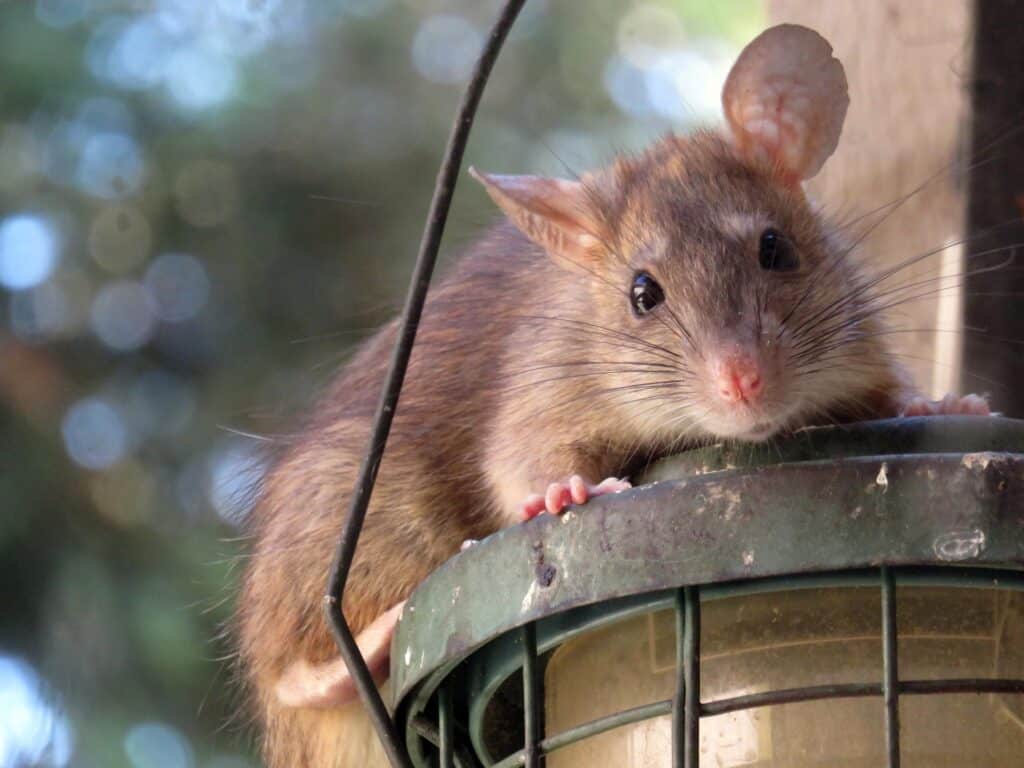
5. Rodents
From older neighborhoods with mature trees to newer subdivisions with lots of construction, rodents show up across Georgia. A small gap under a door, an uncapped vent, or a loose garage seal can be enough for mice or rats to slip inside. Once indoors, they look for quiet nesting spots and easy food and water. Outdoor conditions matter too. Bird seed, pet food, overflowing trash, and dense shrubs along foundations can all increase pressure.
In Georgia, homeowners may run into both Norway rats and roof rats depending on the setting. Norway rats tend to be more ground-focused, while roof rats are more likely to travel along fences, trees, and rooflines to reach elevated entry points.
Common signs of rodent activity
- Scratching or movement sounds at night, especially in attics, walls, or behind cabinets.
- Droppings in pantries, garages, utility rooms, or along baseboards.
- Chew marks on stored items, wiring, or soft materials used for nesting.
Practical steps that may help
- Seal entry points around pipes, vents, and garage door corners, and replace worn door sweeps.
- Store pantry foods, pet foods, and bird seed in tight containers and keep spills and crumbs cleaned up.
- Trim branches away from the roofline and remove dense shrubs touching the home to reduce hidden travel routes.
- If activity is persistent or you are seeing signs in multiple areas, rodent control can help identify entry points and pressure points that are easy to miss.
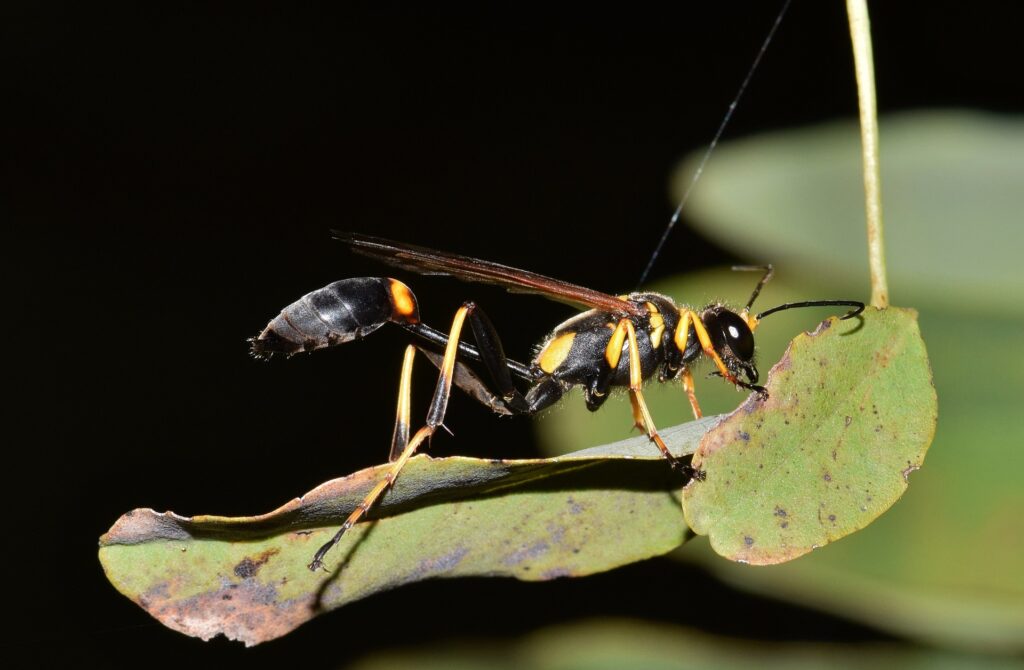
6. Stinging Pests (Wasps and Yellowjackets)
When Georgia’s warm weather stretches from spring into late fall, stinging pests become a regular part of outdoor life. Wasps and yellowjackets are drawn to food, trash, and water sources, and they often build nests in protected spots around homes. Eaves, deck frames, soffits, and shrubs can all become nesting locations, especially when the area stays quiet.
Among the most common culprits are wasps, which may build paper nests under ledges or inside sheltered voids. Activity often becomes more noticeable as colonies grow through summer and as late-season foraging increases around outdoor eating areas.
What may draw stinging pests close to the home
- Open trash, sugary drinks, and outdoor food sources that linger on patios or in bins.
- Sheltered nesting spots such as eaves, deck joists, outdoor furniture cavities, and thick shrubs.
- Standing water or damp soil in shaded parts of the yard.
Practical steps that may help
- Keep trash lids tight, rinse containers before recycling, and clean up outdoor eating areas promptly.
- Inspect eaves, sheds, and deck areas regularly during warm months so nests are noticed early.
- If nests keep showing up in high-traffic areas, stinging pest control can help you reduce recurring activity around entries and gathering spaces.
A Georgia Homeowner’s Prevention Checklist
You cannot control every factor outside your property line, but consistent maintenance can lower the odds that pests treat your home as a reliable resource. These steps are simple, but they add up, especially in a state where warm weather can stretch for much of the year.
- Seal gaps at doors, garage corners, and utility penetrations. A small opening can be enough for insects and rodents.
- Fix drips and manage moisture. In humid climates, even small leaks can support roaches and mosquitoes.
- Keep vegetation trimmed back from siding and rooflines to reduce hidden pathways and shaded harborage.
- Store food sources tightly, including pet food and bird seed, and keep trash containers closed.
- Remove standing water weekly and keep gutters flowing to reduce mosquito breeding sites.
- Manage leaf litter, mulch, and clutter around the foundation where pests hide close to entry points.
When to Reach Out for Professional Help
At Aptive, our pest control experts understand the pest pressures facing Georgia residents, implementing control methods that address local species including mosquitoes, fire ants, cockroaches, rodents, ticks, and wasps.
If you’re experiencing persistent pest activity despite your control efforts, have discovered multiple pest species indicating conditions favorable for recurring infestations, or want ongoing protection during Georgia’s long warm season, contact Aptive today to get a quote from a professional pest control service and get back peace of mind.