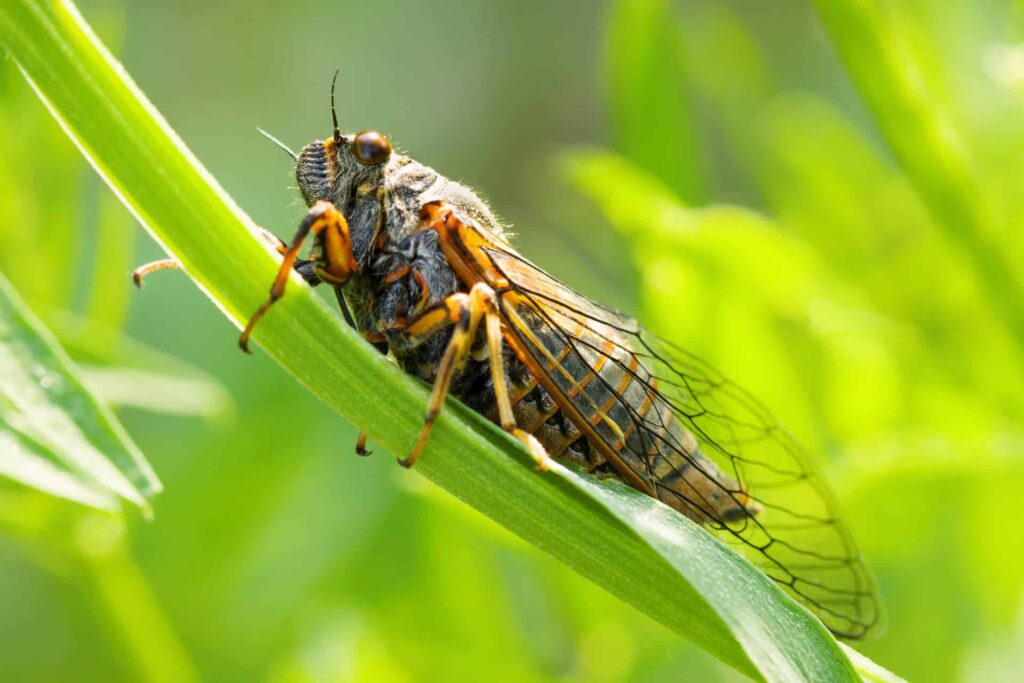
When you think of the most dangerous insects, you might imagine exotic scorpions and enormous spiders found in far away rainforests. However, many of the species on this list are actually common bugs in the United States! Keep reading to see which species make the list, where to find them, and how to prevent them from harming you.
1. Mosquitos
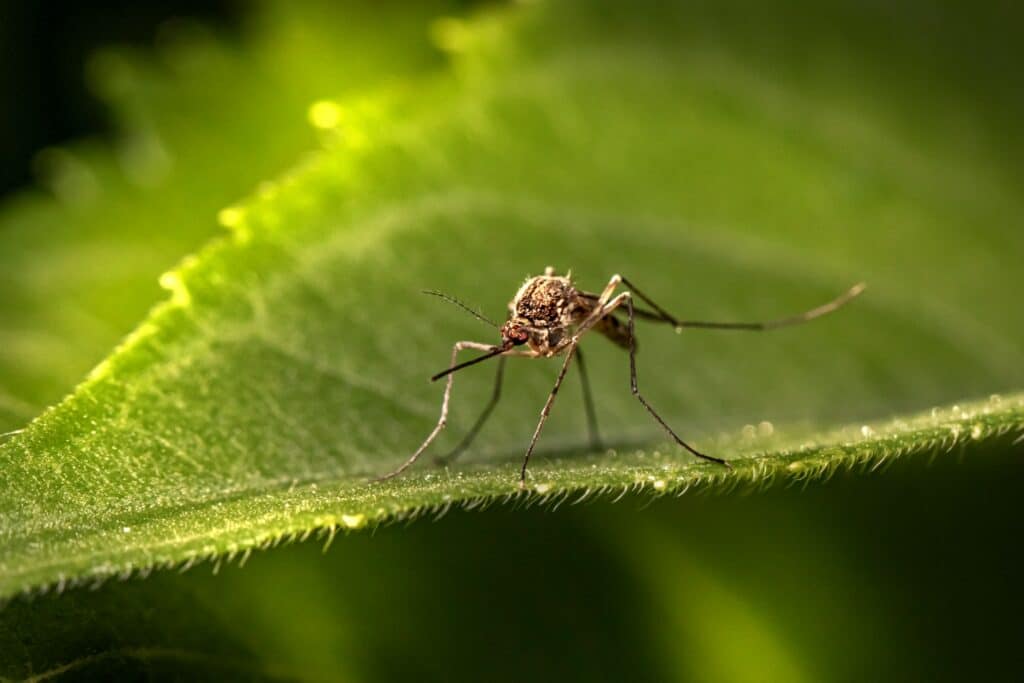
Surprisingly, the most dangerous insect in the world is one that you probably encounter often. Mosquitos kill 1 million people every year – they aren’t even venomous or poisonous! Their killer feature is the ability to transfer diseases. Malaria is the most dangerous disease transferred, but mosquitos can transfer others including dengue fever, yellow fever, West Nile virus, encephalitis, tularemia, Ross River fever, and even more.
Fortunately, disease-carrying mosquitoes are far more common in tropical climates compared to most areas of the United States (mosquitos are practically non-existent in very cold regions). Even so, there have been numerous cases where travelers have brought back diseases and started an outbreak.
2. Deer Tick
This species of tick infects thousands of people every year with lyme disease. Symptoms include stiff joints and intense pain, but some have even died from it. These ticks are typically found in Northeastern, mid-Atlantic, and North-central areas of the United States. You’ll want to hire professional tick pest control immediately if you see deer ticks around your home – you don’t want to risk a disease.
3. Killer Bees
This bee on steroids is one of the most aggressive insects in the world – it was actually bred in a lab by scientists in an experiment attempting to increase honey production. Instead, they created a dangerously aggressive bee that escaped the lab. They made their way to California, Arizona, Texas, New Mexico, and nearby warm states.
Although a sting from one killer bee isn’t life-threatening, they will often attack in packs. Killer bees will follow their victim for over a mile. A large enough attack can cause death (their colonies include over 60,000 bees). Once they have been disturbed, they will attack any animal or human that comes near them in the following 24 hours.
4. Kissing Bugs
This disease-spreading insect can transmit Chagas, which kills thousands of people every year. They can also transmit a parasite called Trypanosoma Cruzi. Kissing bugs are found in warm Southern areas of the United States as well as Mexico, Central America, and South America. They typically bite humans in their sleep.
5. Black Widow
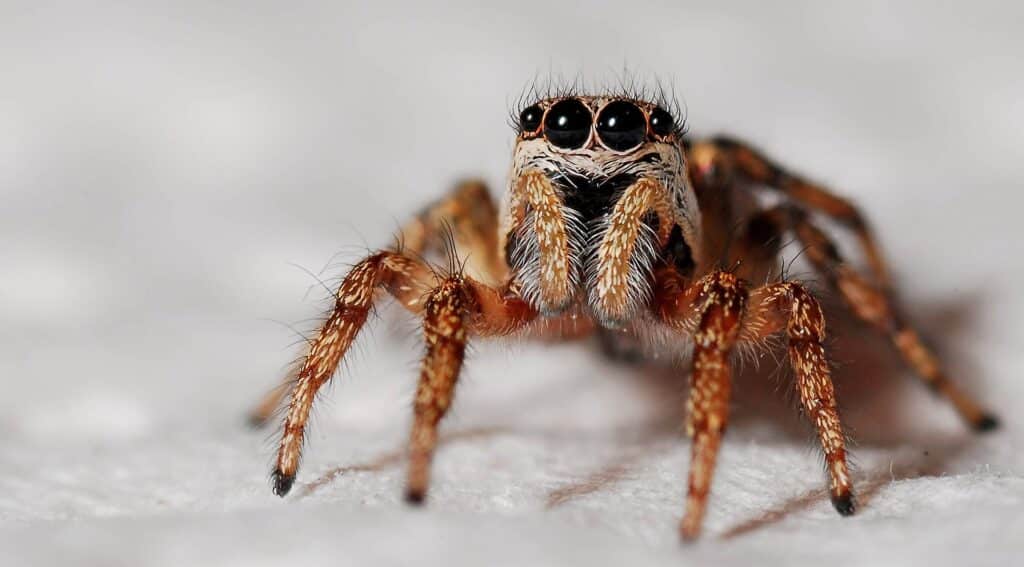
The black widow is one of the most venomous insects – bites can be deadly if you don’t receive the proper treatment or if you’re allergic. They are common in hot climates such as Southern California, Arizona, and others. You will definitely want to call in professional black widow pest control if you keep finding these crawlers around your home.
6. Tse Tse Flies
This fly is the deadliest biting insect in Africa. They inject a potent toxin with each sting. In total, it is estimated that half a million people have died because of a TseTse fly attack without proper treatment.
7. Rat Fleas
Most of us are scared of rats because of disease, but rat fleas are just as dangerous. This species of flea is typically found on rodents, which means they can transfer the deadly diseases found on rodents to humans. They can also host tapeworms and transmit dangerous diseases with their eggs. Rat fleas can be found worldwide, especially in major cities and urban areas.
8. Japanese Hornets
This huge species of hornet can grow up to 2 inches long. The venom of one Japanese Hornet causes a reaction that dissolves human bone and tissue – a group attack or just a few stings can result in death. Found only in Japan, this species kills about 40 people each year.
Dangerous Insect Prevention
Although most of the insects above are rare, it’s still a great idea to pest-control your home to keep them out (in addition to other annoying bugs). One significant way to avoid insects coming inside is to seal up any cracks, holes, and other potential entry points. Make sure to check everywhere in your home, including basements and attics.
Even if you don’t have a current infestation, you may want to get a professional home inspection to help you find any areas that are at risk. This could save hundreds of future pest control costs.
Exploring the Most Dangerous Insects of the World
In the vast and terrifying world of dangerous bugs, certain species stand out for their deadly attributes. Among the most feared is the Anopheles mosquito, considered to be the most dangerous insect in the world due to its role in transmitting malaria. However, it’s not alone in its lethal capabilities. For instance, the Bot fly, which is known to be one of the most harmful insects, instills fear with its parasitic larvae that burrow under the skin of mammals. In the deserts and rainforests, where the most poisonous insects flourish, survival can depend on evading these stealthy creatures. It’s crucial to understand which insects pose the greatest threat, and how to protect ourselves from their potentially deadly interactions.
Exterminating Venomous and Poisonous Insects
When it comes to dangerous insects in your home, it’s important to call in professional extermination. Aptive Pest Control offers expert solutions for stinging pests. Worried about the bugs coming back once we’re done? Our treatment ensures you will stay protected. If the bugs we exterminate come back, we will too (at no additional cost)!