A lot of people in the world probably think that learning about insects’ lifespans is something just for entomologists. After all, why would anyone else be interested in such a thing? But there are actually a lot of good reasons, as a homeowner, to learn a bit about insect life spans because those lifespans can have a bigger impact on your home than you might realize.
Insect life spans play out around us every day, and we almost never notice. The closest we usually get to those lifespans is when we kill the occasional intruder into our homes. But those lifespans may actually be closer to you than you think, and it may be time for you to be more aware of them in your home so you know when to call a pest exterminator for help getting rid of problem pests.
Variety of Insect Lifespans
It’s hard to give an average lifespan for insects in general because each species of insect has a unique lifespan from all others. The fact is, some insects live only a few days while others, like queen ants, can literally live for decades. So rather than trying to suggest an average lifespan for insects, it’s usually better to look at the lifespans of common insects in your region because that information will be far more beneficial to you.
What to Know About Insect Lifespans as a Homeowner
As a homeowner, it’s your job to ensure that your home is well-maintained and protected from harm. When things do come along that can cause disruptions or damage to your home, you need to be ready to recognize the problems for what they are and correct them as quickly as possible.
Some of the world’s longest living insects possess life span that push the boundaries of what we might expect from such small creatures. Termite queens, for example, can live for decades, and in rare cases, up to 50 years. making her one of the longest-lived insects. Similarly, certain species of beetles and locusts are known for their impressively long lives. Understanding these longevity records not only fascinates but also sheds light on the survival strategies that enable such lifespans in the insect world.
Pests are one of the most common disruptions to your home. Sometimes it seems like they come out of nowhere, and you find yourself with an unexpected infestation on your hands. It’s always a good idea to call a pest exterminator when this happens, but you still need to know what to look for so you can recognize the problem when it shows up.
The biggest aspect of insect lifespans that you need to pay attention to as a homeowner is insect reproduction. When insects come into your home and stay for a while, they’re probably going to have babies. And if they have babies, the population of the insects in your home is going to drastically increase, and then you have a quickly growing infestation.
Learning to recognize signs of baby insects in your home can help you know if an infestation is forming. Some insects are more obvious than others as they grow, but many still leave signs of some sort. Sometimes, though, it may be that the first sign you will notice is the increased insect population.
Again, it is best to learn specifically about the insects in your region so you can know which ones to watch for in your home. But there are some common insects with short lifespans that we’re going to take a closer look at so you can know what to watch for.
Problem Pests With Short Lifespans
Flies
Flies generally have very short lifespans, and they are one of the most common insects to come into our houses. They’re attracted to the smells of food in our homes, especially things like garbage cans. It may be difficult to identify a fly infestation at first. This is especially true during the summer when a lot of flies can end up in your home without being born there.
The most obvious sign of flies infesting your home will be seeing more and more flies in your house. However, you may be able to catch on to it sooner if you keep an eye out for their larvae. You will likely see the larvae crawling around food sources. The typical house fly can live for about a month, so it may not reproduce as quickly as some insects will in your home. But mayflies live only 24 hours, so they reproduce and infest your home much quicker than a housefly would.
Mosquitos
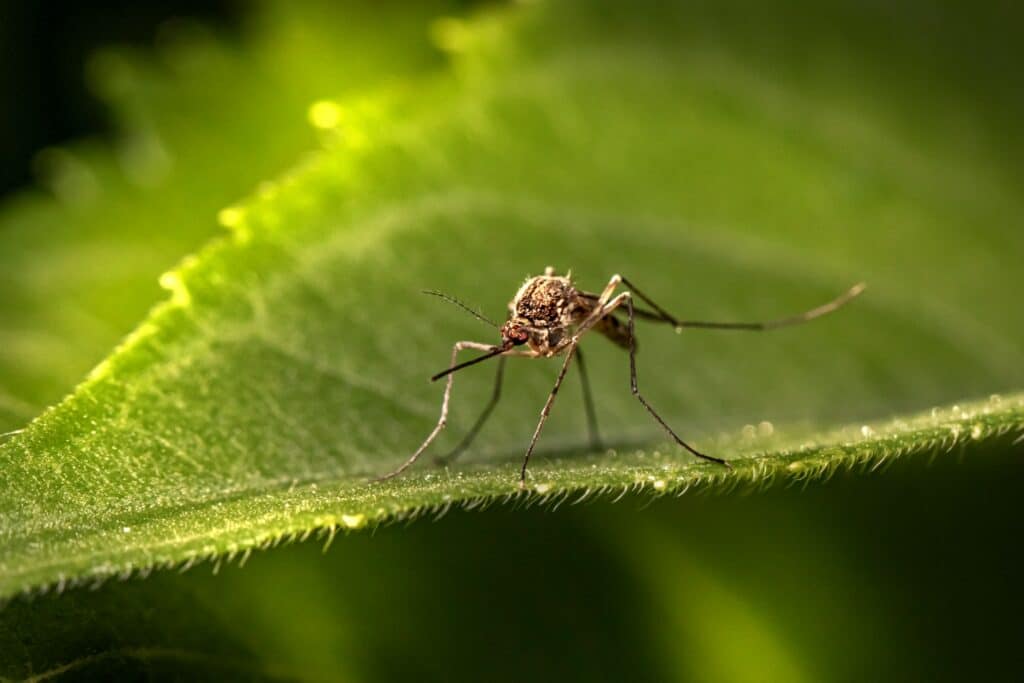
Mosquitoes are a particularly undesirable pest to have in your home. You are more likely to see mosquitoes outside your home than inside, however, if they do come inside and find standing water, they can lay their eggs there. If your home is dry, you shouldn’t have mosquitoes infesting the inside of your home, but it is still possible to have them infesting your yard. Male mosquitoes live only about a week, and with such short lifespans, you can expect that a mosquito infestation would grow quite quickly.
Aside from getting rid of standing water in your yard and home, you can also prevent mosquitoes by having your home and yard treated by a pest exterminator. The more you can do to prevent mosquitoes, the better because mosquitoes can spread serious illnesses to humans through their bites. Plus, their bites can also cause a lot of itchiness and even infections.
Bed Bugs
Bed bugs are another dreaded pest in your home. They hitchhike in on clothes or furniture, then find their way to your bed. Once there, they can feed on you while you sleep. One of the earliest signs of bed bugs is the bites on your skin, which are often on your back. Seeing bites early on doesn’t mean that you have a bed bug infestation yet. Female bed bugs have to feed before they can lay eggs though, so bites do mean that an infestation may be forming.
Bed bugs can live for 2 to 4 months, and they have been known to live longer if they are not eating often. In that time they can lay hundreds of eggs. Their eggs are difficult to see because they are so small, you can know that bed bugs have laid eggs when you start to see tiny exoskeletons shed around your bed. Bed bugs shed as they grow, so exoskeletons are a good sign of young bed bugs.
Get Rid of Problem Pests With a Pest Exterminator
At Aptive Pest Control, we know how frustrating it is to find infestations of insects building in your home. If you are concerned about a potential infestation and need help eliminating it, contact us today for a free quote so we can help protect your home from pests.