Call Now and Ask About the Winter Deal While it Lasts →

Call Now and Ask About the Winter Deal While it Lasts →

Sign-in to Account
Call Us

(855) 948-5816

aptive_pest_control_lockup-white

Find Service Area

Common Swimming Pool Bugs

Written by Aptive Pest Control August 26, 2019

Updated August 8, 2024

Picture this: It’s a hot summer day. You don’t have anywhere you need to be. You change into your swimsuit, apply some sunscreen, grab an inflatable raft, and head outside to the pool. The water glistens in the sun – it’s your very own outdoor oasis. However, as you approach the pool, you realize you aren’t going to be the only one enjoying the pool today. Some unwanted guests have decided to join you – bugs.

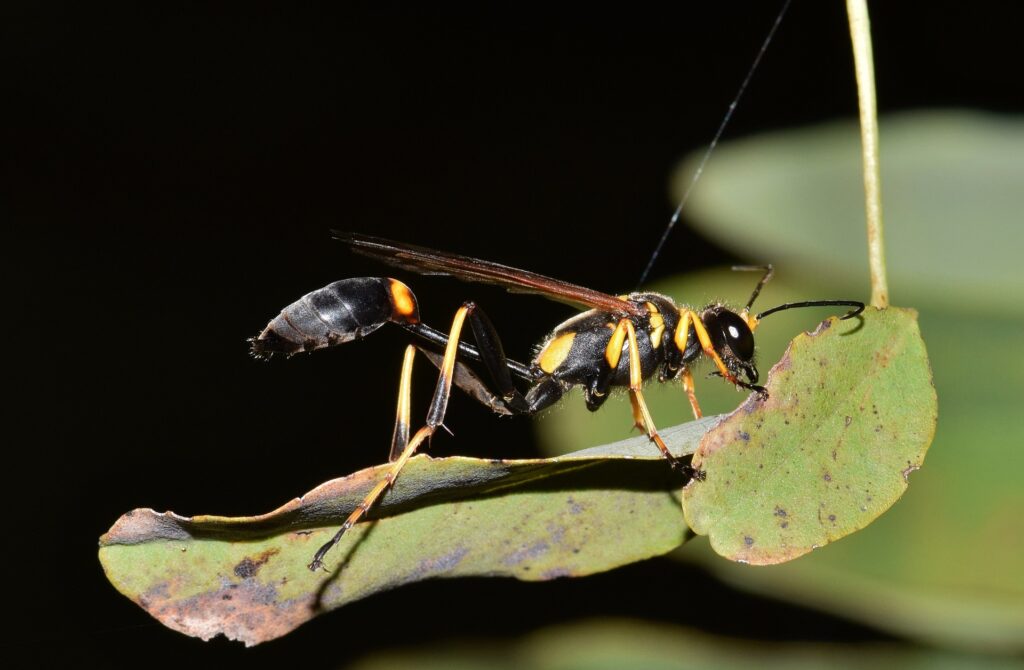
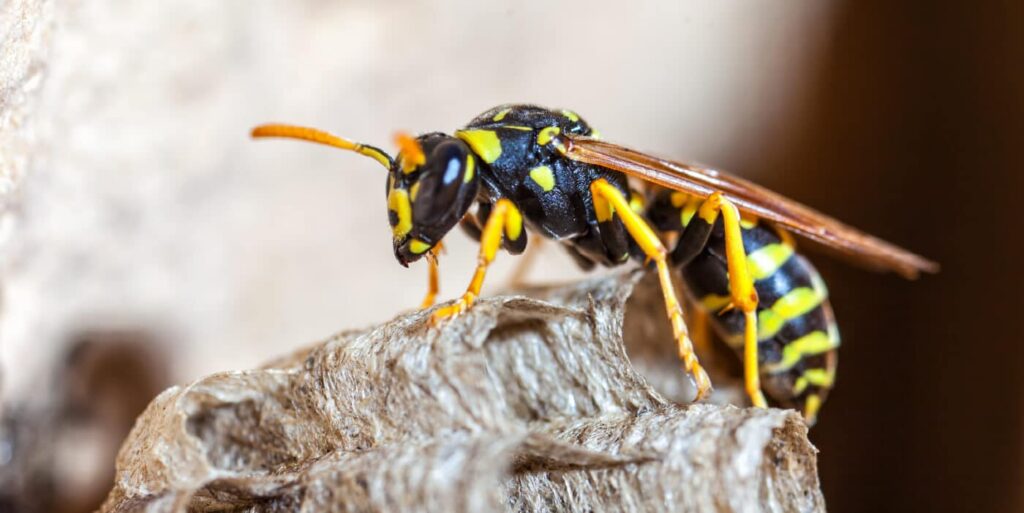
Just like humans, insects are attracted to water when the weather gets hot. After all, what could be a better source of moisture than a backyard swimming pool? When it comes to swimming pool bugs, there are a few usual suspects you’ll typically come across – the water boatman, the backswimmer, and the springtail. Additionally, there’s a good chance you will come across some beetles as well as wasps and dragonflies buzzing around your pool. Any one of these pests can put a damper on your summertime fun.

The Water Boatman

Because water boatmen have been known to feed on mosquito larvae, most people actually consider these to be beneficial insects. Despite their mosquito control efforts, it’s completely understandable to not want them in the swimming pool.

Water boatmen are named for their boat-shaped bodies and oar-like legs. Water boatmen are typically less than 1/2 inch in length and swim in rapid, plucky movements. Water boatmen tend to skim the water’s surface, but when they are underwater, they will use an air bubble in order to breathe. They will surface when the air bubble runs out of oxygen. While water boatmen don’t pose much of a threat and won’t bite you, they can be problematic for pool owners because they attract backswimmers.

The Backswimmer

Where water boatmen go, backswimmers tend to follow. Not only do backswimmers, feed on water boatmen, but they also look a lot like water boatmen. However, unlike water boatmen, backswimmers bite. Furthermore, their bite feels similar to a bee sting. As a result, you definitely don’t want these guys in your pool.

Like water boatmen, backswimmers use oar-like legs to navigate the water. They are also around the same size as water boatmen. To make things even more confusing, backswimmers are able to blend in with their surrounding environment through countershading. For example, if you were to look at a backswimmer from above, they are able to blend in with the bottom of their environment. If you were to look at a backswimmer from below, the coloring on their backs resembles the water or sky.

The Springtail

At about 1/16 of an inch in size, springtails are tiny. Their most distinguishing feature is their tail-like appendage, or furcula, which folds beneath their abdomen. If threatened, a springtail will release their furcula and spring into the air (hence the name).

Unlike water boatmen and backswimmers, springtails aren’t interested in making a habitat out of your pool. Most of the time springtails fall in by accident. Even though they aren’t a threat to humans, springtails can be a nuisance for pool owners. Because individual springtails form masses and clump together, they can cover a large portion of your pool’s surface area. If you have springtails coating the surface of your pool, you’re definitely not going to want to get in it.

How to Keep Bugs Out of Your Pool

For those particularly vexed by beetles and other crawling bugs in their pools, some additional focused strategies can be effective. Beetles, while less common, can be lured away from the pool area with specific traps or natural repellents that target their unique preferences. Similarly, to address water striders that skim the surface, reducing vegetation around the pool can help as these insects prefer areas with plentiful foliage for hiding and breeding. Keeping the area clear not only reduces foliage but also minimizes the insects’ reasons to visit your pool.

Keeping bugs out of the pool can require some trial and error. However, there are some preventative measures you can take to make your swimming pool less attractive to common pool bugs. If you are tired of dealing with bugs in your swimming pool, here are a few steps you can take:

  • Exchange current light bulbs for bulbs less likely to attract insects.
  • Keep your grass mowed and any landscaping under control in order to limit breeding areas.
  • If possible, enclose your pool with a screen.
  • Use a pool cover when the pool is not in use.
  • Eliminate pools of standing water and fix any areas with poor drainage around your pool area.
  • Test chlorine levels regularly in order to kill any bugs that do get in your pool.
  • Hire a professional pest control service.

You should be able to go for an afternoon swim whenever you want. Whether you are dealing with pests in the pool or around your pool area, a professional pest control service can take care of the situation. When it comes to getting rid of outdoor pests, there are usually a lot of environmental factors at play. An Aptive professional will take all of these variables into account and set your home and property up for success. If pests are making your backyard miserable, call your local Aptive Pest Control branch today.
Curated articles for you, from our pest experts.

A Close-Up Of Several Small Black Ants Crawling Along The Edge Of A Wooden And Tiled Surface.

4 Insects That Are Hard to Get Rid Of

When experiencing recurring pest problems despite repeated pest control attempts, understanding which insects demonstrate greatest persistence is crucial for implementing appropriate comprehensive strategies rather than ineffective quick fixes.  Certain hard to get...

Dec 17, 2025
A Detailed Close-Up Of A Cicada Perched On A Green Leaf, Displaying Its Intricate Wings And Textured Body Against A Vibrant, Blurred Background.

What Is the Definition of Insect?

When encountering small arthropods in homes and attempting to identify them for appropriate control measures, understanding the scientific definition of insect is crucial for distinguishing true insects from other superficially-similar creatures requiring different...

Dec 11, 2025
A Newly Emerged Cicada With Bright Red Eyes Clings To A Small Tree Branch, Next To Its Discarded Exoskeleton. The Cicada’s Translucent Wings And Vibrant Body Contrast Against The Brown Background, Highlighting Its Recent Molt During Metamorphosis.

What Is Insect Molting?

When discovering papery translucent shells on floors, stuck to walls, or hidden in corners, understanding what these remains represent is crucial for recognizing pest activity and assessing infestation severity. Insect molting (ecdysis) is the process whereby...

Dec 11, 2025
A Group Of Small Potted Plants, Including A Fuzzy Cactus, A Green Succulent, And A Taller Reddish Succulent, Arranged On A Windowsill With Sheer Lace Curtains Softly Filtering Daylight In The Background.

What Are Those Tiny White Bugs on Plants?

When discovering small white insects on houseplants or garden plants, accurate identification is crucial for implementing appropriate control measures and preventing widespread damage to plant collections.  Tiny white bugs on plants typically represent one of...

Dec 11, 2025
An Angled View Of An Open Luxury Car Door Revealing A High-End Black Leather Interior With Quilted Stitching, Spacious Rear Seats, And Built-In Entertainment Screens Mounted Behind The Front Seats. The Exterior Of The Vehicle Is Glossy Black With Chrome Wheel Details, Parked Indoors Under Modern Lighting.

Why Do You Have Bugs in Your Car?

When discovering insects in your vehicle, understanding what attracts bugs in car environments is crucial for implementing pest control strategies and eliminating recurring problems.  Cars provide conditions many insects actively seek including shelter from weather...

Dec 11, 2025
A Close-Up Photograph Of A Red Ladybug With Black Spots Crawling Along The Edge Of A Green Leaf, Set Against A Softly Blurred Green Background.

Which Insects Hibernate?

When temperatures drop and insect activity seemingly disappears, understanding how different species survive winter is crucial for predicting seasonal pest patterns and implementing appropriate year-round control strategies.  While true hibernation (prolonged...

Dec 11, 2025
A Newly Emerged Butterfly With Cream And Dark Brown Patterned Wings Hanging From Its Chrysalis, Surrounded By Multiple Green And Brown Pupae On A Horizontal Branch, Against A Blurred Green Background.

What Is Diapause in Insects?

Diapause represents a critical survival strategy that allows insects to endure unfavorable environmental conditions including extreme temperatures, drought, or lack of food by entering a programmed state of dormancy with suppressed metabolism and arrested...

Dec 2, 2025
A Detailed Close-Up Image Of A Dark, Segmented Isopod Crawling On A Bed Of Dry Twigs, Leaves, And Soil. A Smaller Isopod Is Visible Nearby, Both Surrounded By Textured Ground Debris.

What Are Isopods in the Garden?

Isopods are beneficial soil-dwelling crustaceans commonly found in gardens where they play important ecological roles breaking down organic matter and contributing to soil health through their decomposition activities. These armor-plated creatures including...

Dec 2, 2025
A Vibrant Blue Wooden Door Framed By A Terracotta Wall And Surrounded By Cascading Green, Yellow, And Purple Vines, With House Number 5 Above The Entrance And A Small Stone Staircase Visible Inside.

The Importance of Sealing Entry Points Before Winter

You recognize that cooling fall temperatures trigger pest movement from outdoor environments into heated structures, with proper timing of exclusion work proving critical for preventing winter infestations.  Sealing entry points before winter proves important...

Dec 2, 2025
Modern Kitchen With White Cabinets, Stainless Steel Appliances, And A Decorative Tile Backsplash, Featuring A Wooden Tray With Decorative Items On The Countertop.

Why You Keep Finding Cobwebs Even After Cleaning

You remove cobwebs from corners, ceilings, and furniture only to discover new webs appearing within days or even hours, suggesting ongoing spider activity rather than residual old webs from previous occupation. Cobwebs keep reappearing after cleaning because active...

Dec 2, 2025

Take back your home with pest control today.