Tennessee’s warm summers and naturally humid conditions make it an active environment for insects and other pests. From suburban neighborhoods to rural properties, pest activity is often influenced by moisture, vegetation, and easy access to shelter.
Seeing pests in or around your home doesn’t automatically mean something is wrong — it’s a reflection of seasonal shifts or everyday household conditions. Understanding 15 common household pests in Tennessee can help homeowners feel more confident in recognizing them and making informed decisions to reduce pest activity around the home and when to call for professional pest control.
15 Common Pests in Tennessee Homes
Below is an overview of the most common pests Tennessee homeowners notice in and around their residential spaces.
| Type of Pest | Where They’re Often Found | What Draws Them In | Common Signs | Ways to Reduce Supporting Conditions |
|---|---|---|---|---|
| Ants | Kitchens or foundations | Food residue, moisture | Trails or clusters | Wipe surfaces and reduce moisture |
| Cockroaches | Kitchens or bathrooms | Warmth, food, water | Night sightings | Seal gaps and limit moisture |
| Spiders | Basements or corners | Insect activity | Webs indoors | Reduce clutter and entry points |
| Mosquitoes | Yards or patios | Standing water | Bites outdoors | Eliminate standing water |
| Fleas | Carpets or yards | Wildlife and pets | Frequent scratching | Manage wildlife access |
| Ticks | Yard edges | Tall grass, wildlife | Ticks on clothing | Keep grass trimmed |
| Silverfish | Bathrooms or storage | Humidity, paper | Small silver insects | Control indoor humidity |
| Crickets | Garages or basements | Light and shelter | Chirping indoors | Seal cracks and doors |
| Earwigs | Entry points or mulch | Moisture and debris | Found near doors | Reduce damp debris |
| Stink bugs | Windows or siding | Warm shelter | Window clustering | Seal exterior gaps |
| House flies | Kitchens or trash areas | Food residue, waste | Flies near windows | Keep trash sealed and clean surfaces |
| Wasps | Eaves or outdoor spaces | Shelter, sugary food | Increased outdoor activity | Cover food and monitor nesting areas |
| Carpenter bees | Decks or wooden siding | Exposed or untreated wood | Hovering near wood | Seal or paint exposed wood |
| Mice | Garages or crawl spaces | Warmth, food | Droppings or noises | Seal entry points and store food securely |
| Centipedes | Bathrooms or basements | Moisture, insects | Fast-moving insects | Reduce indoor moisture |
1. Ants (Formicidae)
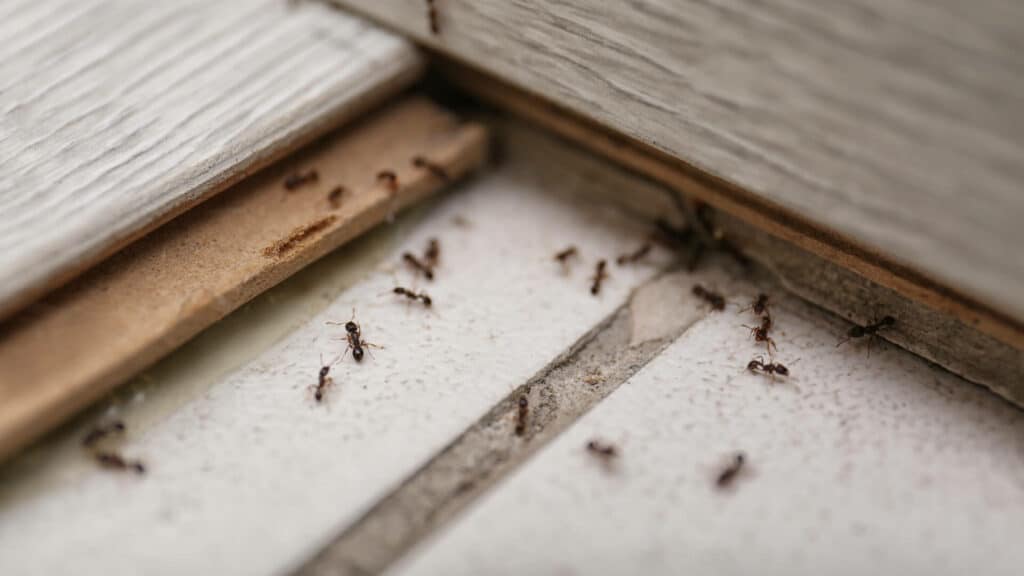
Ants are among the most common household pests in Tennessee. They vary in size and color depending on species, but are often noticed moving in trails along walls, countertops, or foundations. Ants are social insects, which is why sightings often involve multiple individuals rather than a single insect.
They’re drawn indoors by accessible food sources and moisture, particularly during warm months or after heavy rain. Kitchens, pantries, and areas near sinks are common activity zones. While ants aren’t aggressive toward people, repeated sightings can become frustrating. Reducing food residue and sealing small entry points can help limit conditions that attract them.
2. Cockroaches (Blattodea)
Cockroaches prefer warm, humid environments, making Tennessee homes appealing – especially kitchens, bathrooms, and laundry areas. They range in size and color but are often noticed at night when they move between hiding places and food sources.
These pests are attracted to moisture, clutter, and leftover food. Their presence usually reflects environmental conditions rather than cleanliness alone. Limiting humidity, fixing leaks, and keeping storage areas organized can help reduce factors that support cockroach activity.
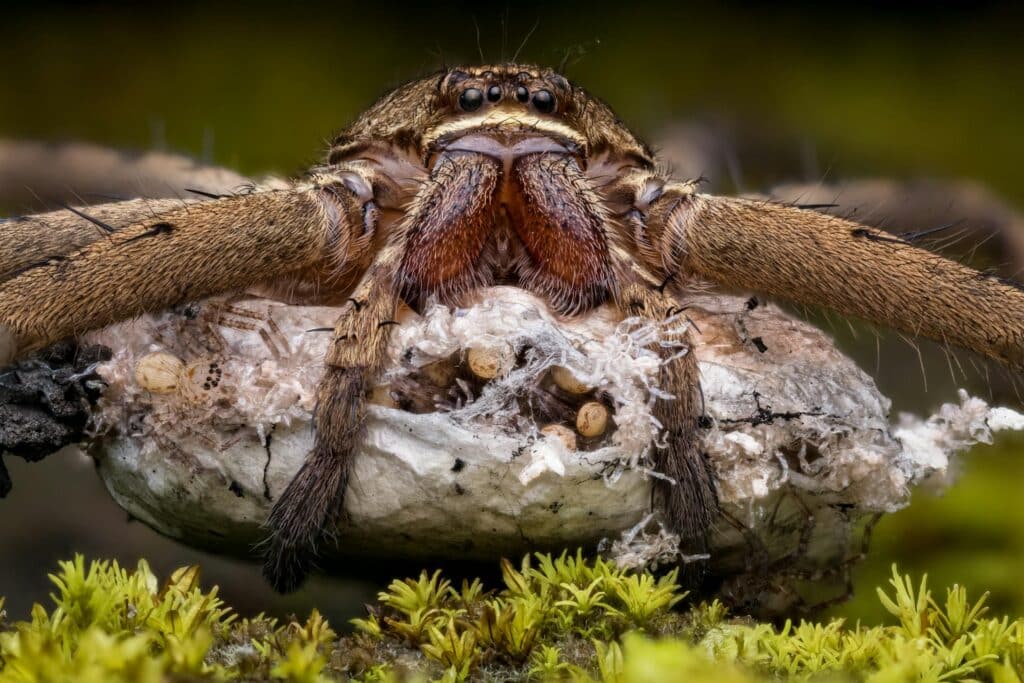
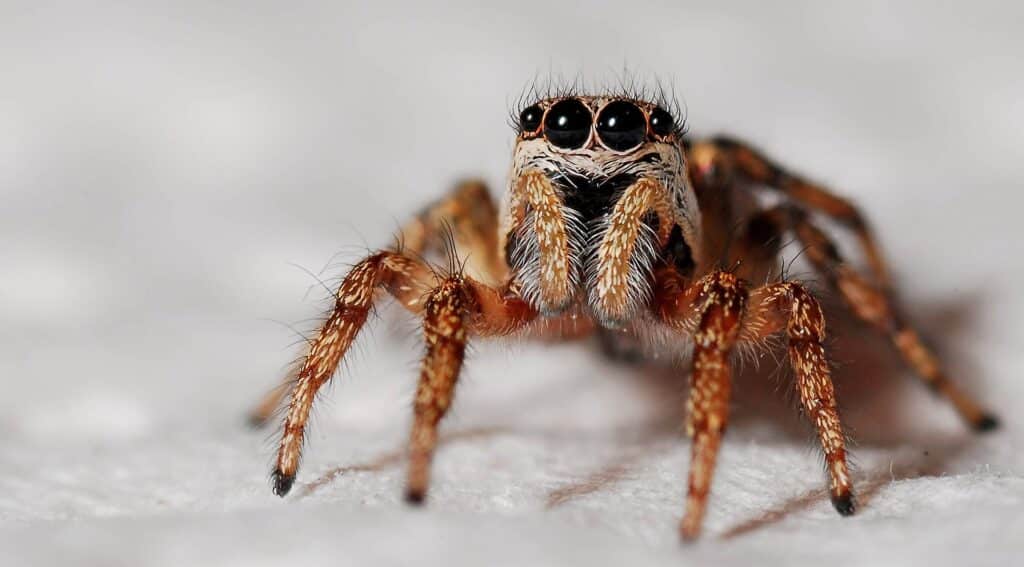
3. Spiders (Araneae)
Spiders are commonly found in basements, garages, attics, and quiet corners of Tennessee homes. Most species are small to medium in size and prefer undisturbed areas with insects.
Spiders are drawn indoors because other pests provide a food source. While they may look concerning, most spiders avoid human interaction. Reducing clutter and sealing gaps around doors and windows can help minimize indoor encounters.
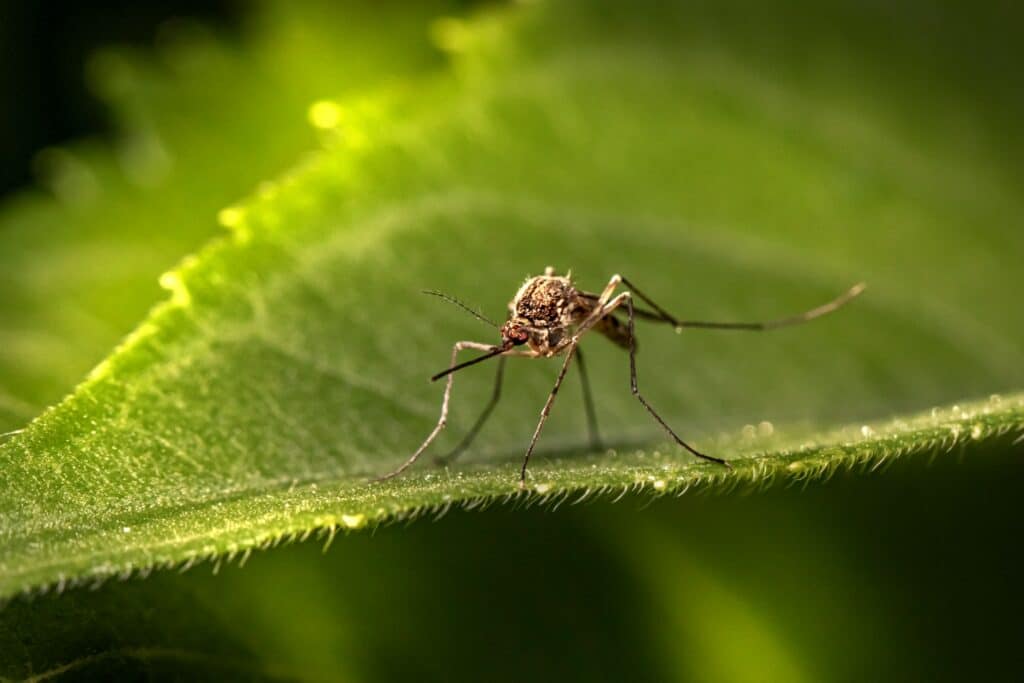
4. Mosquitoes (Culicidae)
Mosquitoes are especially active in Tennessee during warmer months, particularly in yards with shaded areas or standing water. They’re drawn to moisture and breed in areas like clogged gutters, birdbaths, and low spots in lawns.
Mosquito activity tends to increase after rain and during humid evenings. Reducing standing water and managing yard drainage can help limit conditions that support mosquito presence around outdoor living spaces.
5. Fleas (Siphonaptera)
Fleas are small, fast-moving pests often associated with pets but can also enter homes through wildlife such as raccoons or stray animals. They’re commonly found in carpets, upholstery, and shaded areas of the yard.
Fleas are attracted to warm environments and host animals. Homeowners often notice increased activity when pets scratch more frequently. Managing wildlife access and maintaining indoor cleanliness can help reduce factors that allow fleas to persist.
6. Ticks (Ixodida)
Ticks are commonly encountered in Tennessee yards, especially near wooded edges, tall grass, and leaf litter. Unlike insects that feed on plants, ticks rely on wildlife and people for movement.
They’re most noticeable during outdoor activities such as gardening or yard work. Keeping grass trimmed and clearing vegetation along property borders can help reduce areas where ticks are likely to gather.
7. Silverfish (Zygentoma)
Silverfish are small, wingless insects with a metallic appearance. They’re often found in bathrooms and basements where humidity is higher.
They’re drawn to moisture and paper-based materials, including books and cardboard. Silverfish tend to remain hidden, so sightings may be occasional. Improving ventilation and managing indoor humidity can help limit the conditions that favor mold growth.
8. Crickets (Gryllidae)
Crickets are commonly found in garages, crawl spaces, and basements, especially during cooler evenings. They’re attracted to light and shelter and may wander indoors unintentionally.
While not harmful, their chirping can be disruptive. Sealing gaps around doors and reducing exterior lighting near entry points can help decrease indoor activity.
9. Earwigs (Dermaptera)
Earwigs are slender insects with distinctive pincers at the end of their abdomen. In Tennessee, they’re often found near entry points, mulch, and damp outdoor areas.
They prefer moisture and organic debris and may enter homes during periods of heavy rain. Reducing excess mulch and improving drainage near foundations can help limit their presence.
10. Stink Bugs (Pentatomidae)
Stink bugs are shield-shaped insects often noticed around windows, siding, and entry points. In Tennessee, they’re most noticeable during seasonal transitions when they seek sheltered spaces.
They don’t pose a direct threat to people but can become a nuisance when they gather indoors. Sealing cracks and managing exterior vegetation can help reduce access points.
11. House Flies (Muscidae)
House flies are commonly seen around windows, trash areas, and kitchens, especially during warmer months. They often enter homes through open doors, damaged screens, or small gaps around windows.
They’re attracted to food residue, garbage, and moisture. Even small crumbs or uncovered trash can support increased fly activity indoors. Keeping trash sealed, cleaning food-prep areas regularly, and repairing screens can help reduce conditions that draw them inside.
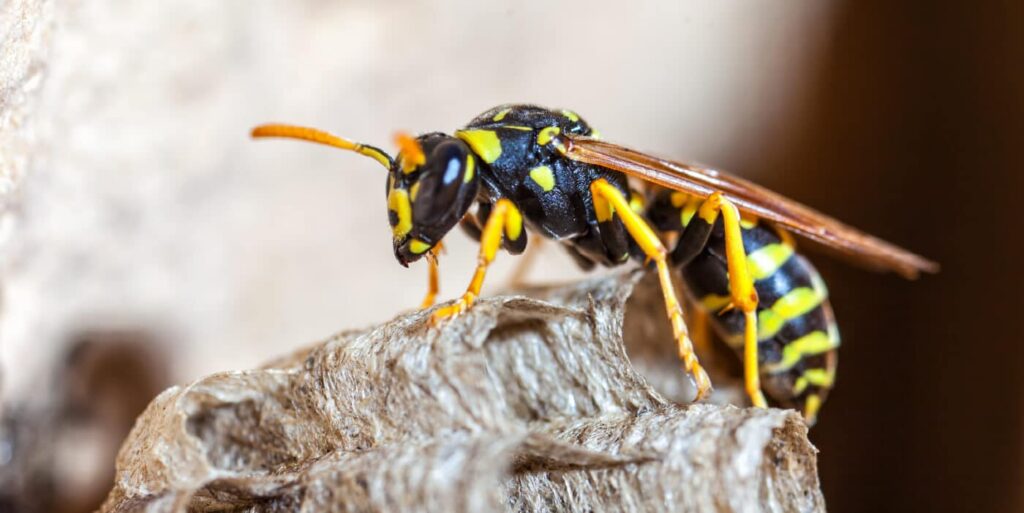
12. Wasps (Vespidae)
Wasps are frequently noticed around rooflines, eaves, decks, and outdoor seating areas. In Tennessee, activity increases in late spring and summer as colonies grow and food sources become more available.
They’re attracted to sugary drinks, uncovered food, and sheltered nesting locations. Homeowners may notice increased activity during outdoor gatherings. Managing food outdoors and keeping an eye on developing nests near entry points can help reduce unwanted interactions.
13. Carpenter Bees (Xylocopinae)
Carpenter bees are large, slow-flying bees often seen hovering near decks, fences, and wooden siding. Unlike termites, they don’t live in large colonies, but they do bore into untreated or weathered wood to create nesting tunnels.
They’re most active in spring and early summer. Sealing or painting exposed wood and repairing weathered surfaces can help limit nesting opportunities around the home.
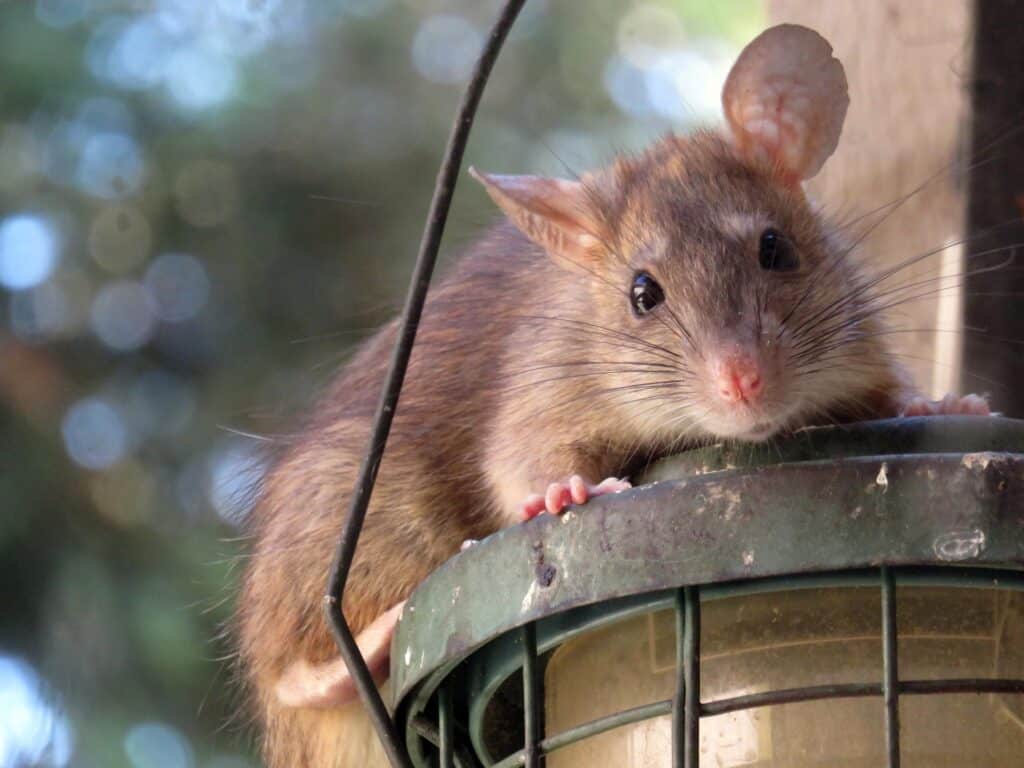
14. Mice (Rodentia)
Mice are commonly encountered in garages, crawl spaces, and storage areas, particularly as temperatures drop and outdoor food sources become less available. They can enter through very small openings along foundations, doors, or utility lines.
They’re drawn to warmth, shelter, and accessible food. Signs may include droppings, gnaw marks, or noises in walls. Reducing clutter, sealing entry points, and storing food in secure containers can help minimize the presence of supportive conditions.
15. Centipedes (Chilopoda)
Centipedes are fast-moving arthropods often found in basements, bathrooms, and other moisture-prone areas. Their long legs and quick movements can make sightings unsettling, even though they typically avoid people.
They’re drawn to damp environments and other insects, which serve as their food source. Improving ventilation and addressing moisture buildup indoors can help reduce conditions that allow centipedes to remain active.
Why Pest Activity Is Common in Tennessee
Compared to colder regions, Tennessee has a longer warm season, allowing many pests to remain active for much of the year. Rainfall, wooded surroundings, crawl spaces, and dense landscaping all contribute to conditions pests naturally seek out.
Homes across Tennessee, whether in cities like Nashville and Knoxville or smaller towns and rural areas, often share features that attract pests, such as shaded yards, moisture-prone areas, and gaps where outdoor spaces meet the home’s structure.
FAQs About Common Pests in Tennessee
Q. Are pests more common in rural or wooded areas of Tennessee?
Homes near wooded areas, fields, or water sources may experience different types of pest activity, but urban and suburban homes are not exempt. Each environment supports different pest populations, and activity often reflects the surrounding landscape.
Q. How do pests usually get inside Tennessee homes?
Common entry points include gaps around doors and windows, utility penetrations, vents, and foundation cracks. Pests can also enter through open garage doors or be brought inside on items like firewood, boxes, or outdoor furniture.
Q. Do older homes attract more pests than newer homes?
Not necessarily. Older homes may have more potential entry points due to settling or aging materials, but newer homes can also experience pest activity if moisture, landscaping, or storage conditions are favorable. Construction style, location, and maintenance habits often matter more than age alone.
Q. Can landscaping affect pest activity around my home?
Yes. Dense vegetation, mulch placed too close to the foundation, and shaded areas that hold moisture can all create environments that attract pests. Keeping plants trimmed back, managing yard debris, and improving drainage can help reduce conditions that attract pests outdoors.
Q. When should homeowners consider professional pest control services?
If pest activity becomes persistent, difficult to manage, or disruptive to daily life, many homeowners choose to seek professional support. Pest control services can help address contributing conditions and provide guidance tailored to the home and environment.
Tennessee Pest Control for Everyday Living, One Home at a Time
From ants in the kitchen to mosquitoes in the yard, many of the pests Tennessee homeowners notice are tied to seasonal weather, moisture, and the way homes interact with their surroundings. An occasional pest sighting can be part of life here, but ongoing activity may suggest that certain conditions around your home are supporting it.
Aptive helps homeowners across Tennessee better understand what’s showing up, why it’s happening, and how outdoor and indoor conditions can influence pest activity over time. Our pest control in Tennessee focuses on identifying areas where pests gather and supporting a more comfortable environment — one home at a time. Get a quote today!