You might clean your kitchen counters religiously every night, take out trash regularly, and sweep floors until they sparkle. However, if you’re not carefully monitoring your pantry storage areas, you could be overlooking one of the most significant vulnerabilities in your entire home.
Many homeowners mistakenly believe insects only appear when cleanliness standards slip. This assumption proves dangerously incorrect. Even meticulously organized pantries with perfectly arranged shelves can attract persistent pests that, once established, won’t simply disappear on their own without targeted intervention.
Effective pest control begins with understanding where pests prefer to hide and identifying exactly what attracts them to your food storage areas in the first place.
1. Dry Grains and Cereals
Some of the dry grain and cereal products that tent to attract pantry pests include:
- Rice
- Flour
- Oats
- Cornmeal
- Breakfast cereal
These foods attract pantry pests like Indian meal moths and granary weevils. Adult insects often lay eggs inside the packaging. Larvae then feed inside the food, unnoticed.
Steps you can take to avoid contamination:
- Transferring all grain products into airtight containers immediately after purchase, avoiding reliance on original paper or cardboard packaging.
- Implementing regular expiration date checks and rotating stock to use older items first.
- Watching for warning signs including webbing formations, unusual clumping, or tiny beetles moving through products.
- Utilizing freezer treatment for new grain purchases—storing items at freezing. temperatures for 3-4 days eliminates hidden eggs before pantry storage.
These simple steps significantly reduce the likelihood of grain-based infestations while protecting your family’s food supply from contamination.
2. Sugar and Sweeteners
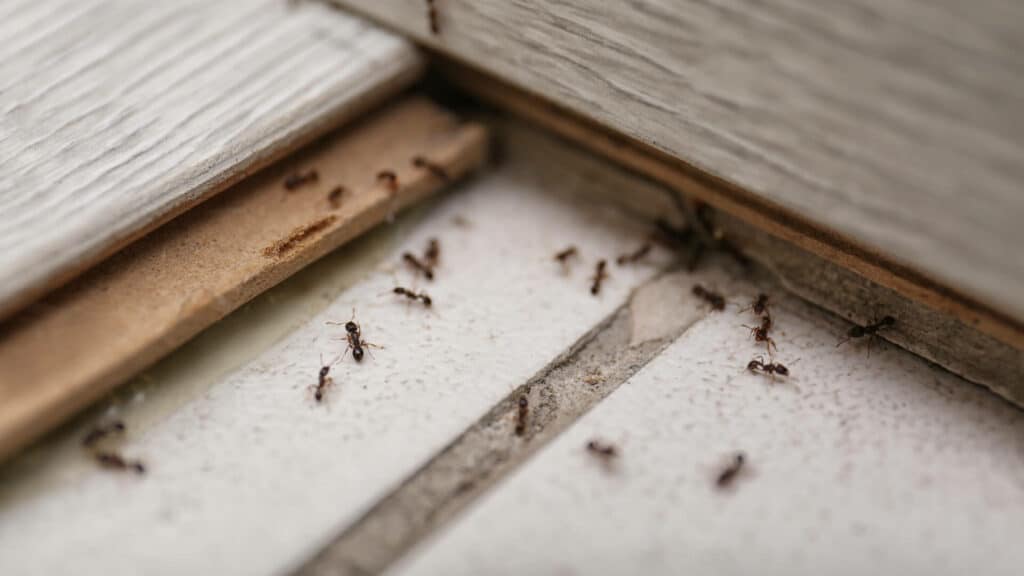
Sugar-based products function as irresistible attractants for numerous household pests, particularly ants and cockroaches that can detect sweetness from considerable distances. These persistent invaders actively seek out sugar sources throughout your pantry, often discovering them even when you think they’re securely stored.
Common sweet products that attract pests:
- Granulated sugar, brown sugar, and powdered sugar containers.
- Honey jars, maple syrup bottles, and corn syrup containers.
- Molasses, agave nectar, and other liquid sweeteners.
- Artificial sweetener packages and sugar substitute products.
- Candy, chocolate chips, and baking supplies with sweet ingredients.
Even properly sealed containers can create problems when external surfaces become contaminated with sweet residues. Microscopic amounts of sugar or syrup around jar rims, bottle caps, or container lids provide sufficient attractant to draw pests into your pantry area, where they may discover additional food sources.
Steps to take to avoid contamination:
- Thoroughly wipe down all containers after each use, paying special attention to threads, rims, and closure areas
- Check underneath caps and around container edges for hidden buildup that might escape casual cleaning
- Address spills and drips immediately rather than allowing them to harden and become difficult to remove
- Store opened sweet products in secondary sealed containers to create additional barriers against pest access
Even seemingly minor sugar granules scattered on shelves can sustain pest populations while they explore your pantry for additional resources, making prompt cleanup essential for effective pest prevention.
3. Pet Food and Bird Seed
Pet food and bird seed storage creates significant pest attraction, whether stored on traditional pantry shelves or in separate storage areas throughout your home. Rodents, ants, and cockroaches actively seek these protein and fat-rich food sources that provide exceptional nutritional value for developing pest populations.
Pet kibble contains concentrated proteins and fats that make it particularly appealing compared to many human food items. Open bags or loosely stored kibble can rapidly establish serious infestations that spread beyond the immediate storage area to affect your entire home.
Steps to take to avoid contamination:
- Transferring all pet food into sealed, pest-resistant containers immediately after opening original packaging.
- Avoiding overnight pet bowl placement that provides easy access for foraging pests.
- Implementing regular vacuuming around pet feeding stations to remove scattered kibble and food particles.
- Relocating bird seed storage to outdoor sheds or garages rather than maintaining indoor storage that attracts wildlife and insects.
Additionally, monitor pet feeding areas for signs of pest activity including droppings, gnaw marks, or unusual pet behavior that might indicate unwanted visitors. Early detection allows for prompt intervention before problems develop into major infestations affecting multiple areas of your home.
4. Dried Fruit and Nuts
Dried fruits and nuts create excellent long-term food sources for various pantry pests including pantry beetles, moths, and fruit flies that can establish persistent populations within storage containers. Nuts contain natural oils that become increasingly attractive to pests as they age, particularly when stored improperly or allowed to develop rancid odors.
These products often show subtle infestation signs before problems become obvious to homeowners. Small holes appearing in packaging materials, fine powdery residues accumulating inside containers, and unusual odors emanating from stored items all indicate potential pest activity requiring immediate attention.
Steps to take to avoid contamination:
- Maintaining refrigerated storage for dried fruits and nuts when possible, particularly during warmer months when pest activity increases
- Using products quickly after purchase rather than maintaining long-term pantry storage that allows pest populations to develop
- Avoiding mixing old and new product batches in shared containers that can spread contamination
- Conducting regular inspections for packaging damage, powder accumulation, or odor changes that suggest pest activity
When purchasing these items, choose smaller quantities that match your actual consumption patterns rather than bulk purchases that may exceed your ability to use products before pest problems develop.
5. Spices and Seasoning Mixes
Many homeowners never consider their spice collection a potential pest target, making this category particularly problematic when infestations develop unnoticed. Cigarette beetles and booklice frequently establish themselves within paprika containers, chili powder jars, curry blends, and other seasoning mixtures that may remain undisturbed for extended periods.
Spice and seasoning containers often provide ideal environments for hidden pest development because they remain unused for weeks or months, allowing eggs to hatch and populations to establish without disturbance. Their small size and typical storage locations make regular inspection less likely compared to larger, more frequently accessed food items.
Steps to take to avoid contamination:
- Utilizing containers with properly fitting, tight-sealing lids that prevent pest entry and maintain product freshness.
- Avoiding storage locations near heat sources, humid areas, or temperature fluctuations that create favorable pest conditions.
- Purchasing quantities that match realistic usage patterns rather than bulk buying items that will remain stored for extended periods.
- Implementing regular inspection routines, particularly for items that appear clumpy, dusty, or show any signs of movement or webbing.
When replacing spice containers, thoroughly clean storage areas and inspect surrounding items for signs of spreading infestations that might affect multiple products simultaneously.
When to Contact a Professional
When pantry pest problems persist despite your best prevention efforts, professional intervention can identify hidden infestation sources and recommend implementing elimination strategies tailored to your specific food storage challenges. Our pest control specialists can provide assessment of food storage areas that often reveal contaminated products and vulnerable storage areas homeowners overlook.
Our pest control service focuses on creating long-term protection through integrated strategies that help bring back ease of mind and comfort in your living space.. Contact us for a free quote to eliminate your pantry pest problem and protect your food storage areas.