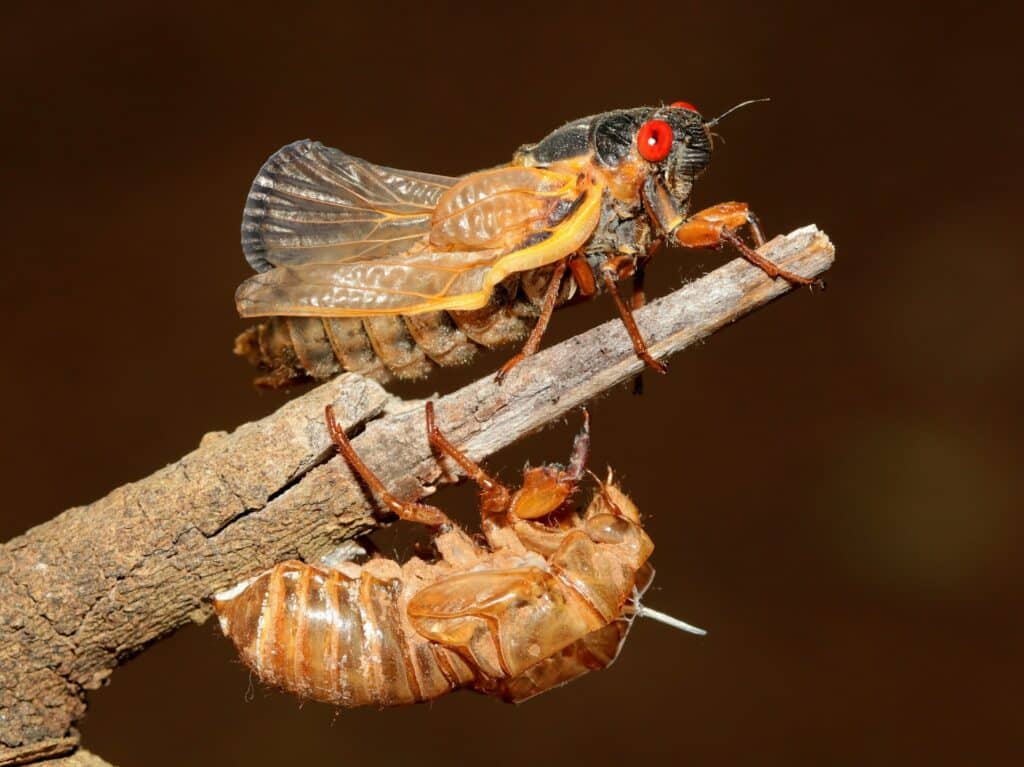
From damp coastal areas to wooded neighborhoods and growing suburbs, many pests in Washington State are simply part of the environment in which homeowners live. But not every pest sighting is a problem.
Some pests appear briefly during seasonal changes, while others may return if they have consistent access to food, moisture, or shelter. Knowing which pests are common in your area and understanding their behavior can help you protect your home and avoid small issues turning into ongoing concerns.
The 7 Common Pests in Washington State at a Glance
Effective pest management for Washington homeowners starts with awareness. While dozens of species exist statewide, these 7 pests are among the most commonly reported around homes:
| Type of Pest | Primary Habitat | Most Active | Common Around Areas |
|---|---|---|---|
| Ants | Indoors and outdoors | Spring to Summer | Kitchens, bathrooms, and foundations |
| Spiders | Indoors and outdoors | Fall | Garages, basements, and storage areas |
| Rodents | Indoors | Fall–Winter | Attics, walls, and garages |
| Cockroaches | Indoors | Year-round | Kitchens, bathrooms, and laundry rooms |
| Wasps and Yellowjackets | Outdoors | Summer | Eaves, siding, and outdoor living spaces |
| Fleas | Indoors and outdoors | Spring to Fall | Pet bedding, carpets, and upholstery |
| Ticks | Outdoors | Spring to Summer | Yards, wooded edges, and tall grass |
1. Ants (Formicidae)
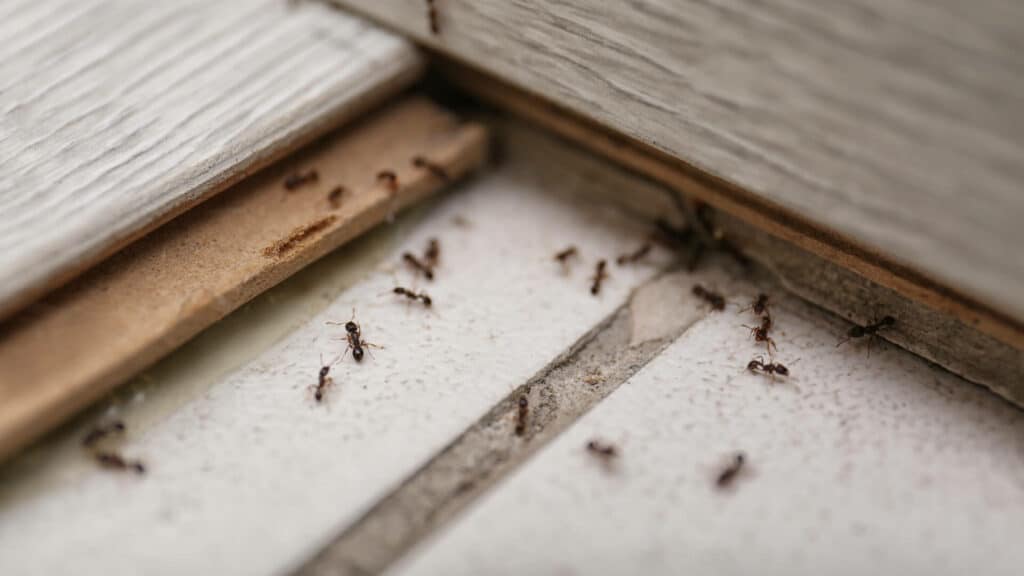
Ants are among the most common house pests in Washington State, especially during spring and summer. Moisture-loving species often thrive near kitchens, bathrooms, and crawl spaces, while others nest outdoors and forage inside.
Washington homeowners may notice ants:
- Traveling in visible trails along walls or countertops
- Appearing near sinks, pet bowls, or pantry items
- Increasing activity after rainfall
While ants are not typically dangerous, colonies can become difficult to manage once established indoors.
Common ant types in Washington:
- Odorous house ants: Small, dark ants often noticed indoors
- Carpenter ants: Larger ants are typically associated with damp wood
- Pavement ants: Small ants nesting near foundations and walkways
Reducing ant activity often starts with limiting what attracts them. Cleaning up food spills promptly, storing pantry items in sealed containers, and addressing excess moisture can make indoor spaces less appealing. Sealing small gaps around doors, windows, and plumbing entry points can also help reduce indoor access, especially during seasonal activity spikes.
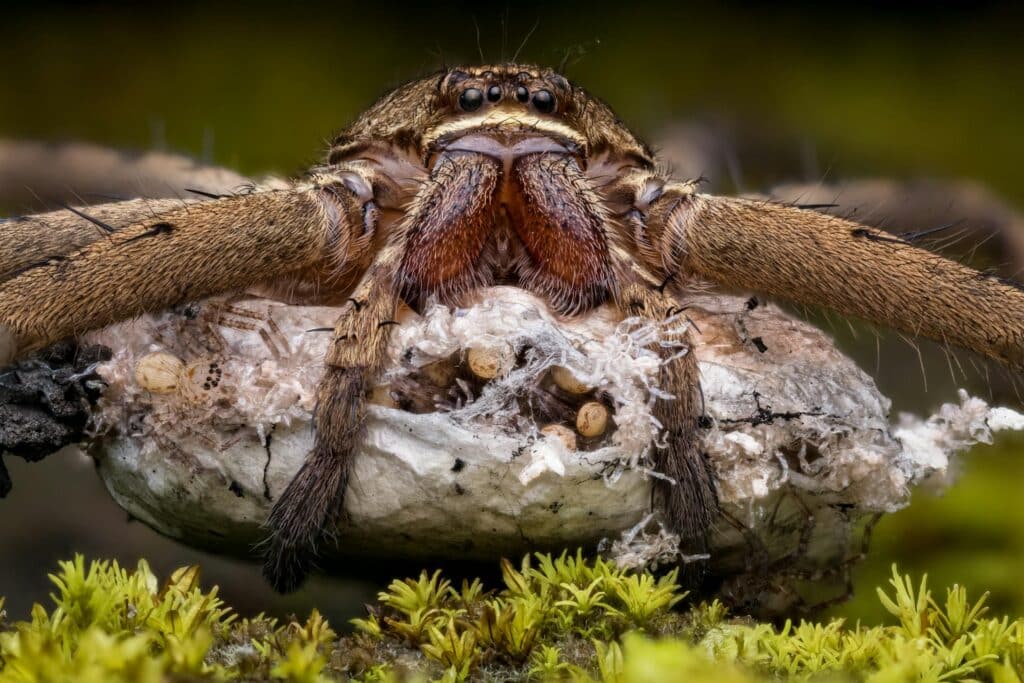
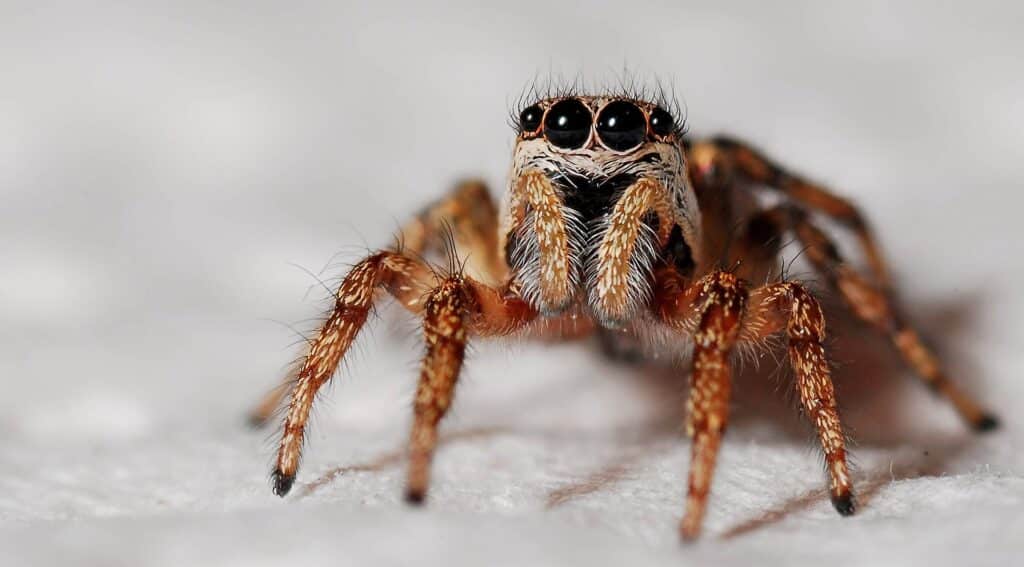
2. Spiders (Araneae)
Spiders are commonly found in garages, basements, and less-used areas of Washington homes. While many spiders help manage other insects outdoors, repeated indoor sightings often indicate nearby insect activity.
Common signs include:
- Webs in corners, window wells, or storage areas
- Increased sightings during the fall as spiders seek shelter
- Activity near exterior lighting where insects gather
Most spiders are not considered dangerous, but their presence indoors can be unsettling.
Common spiders in Washington:
- House spiders: Small to medium-sized, often found indoors
- Wolf spiders: Larger, ground-dwelling spiders are sometimes mistaken for more concerning species
- Cellar spiders: Long-legged spiders found in basements and crawl spaces
Managing spiders usually involves managing their food sources. Reducing other insect activity around the home, especially near doors and exterior lights, can help limit the presence of spiders. Keeping storage areas organized and sealing small entry points can also reduce the likelihood of spiders settling indoors.
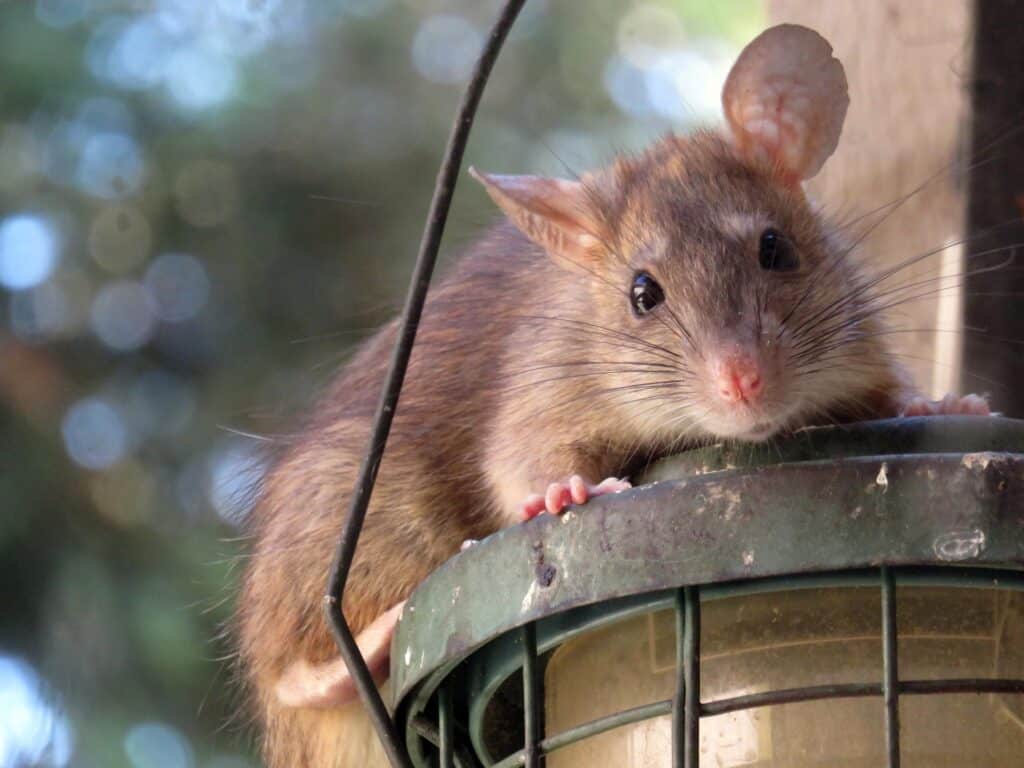
3. Rodents (Mice and Rats)
Rodents such as house mice (Mus musculus) and Norway rats (Rattus norvegicus) are a year-round concern and a frequent reason homeowners seek pest control in Washington. Cooler weather often drives rodents indoors in search of warmth and food.
Washington homeowners may notice:
- Droppings in cabinets, garages, or crawl spaces
- Scratching or movement sounds in walls or ceilings
- Gnaw marks on stored items
Supporting your home against rodents often means focusing on exclusion. Sealing gaps around foundations, vents, and utility lines can limit access. Keeping food stored securely and reducing clutter near walls or storage areas can also make indoor spaces less appealing to rodents.
4. Cockroaches (Blattodea)
Cockroaches thrive in areas with moisture, warmth, and accessible food. In Washington homes, they are most often found in kitchens, bathrooms, and laundry rooms.
Signs of cockroach activity include:
- Sightings late at night
- Droppings near baseboards or appliances
- Musty odors in enclosed spaces
While not every home experiences them, cockroaches remain one of the more challenging common house pests in Washington State.
Common cockroaches in Washington:
- German cockroaches: Small, light brown, commonly found indoors
- Oriental cockroaches: Darker, larger roaches are often associated with damp areas
Reducing moisture plays a major role in discouraging cockroaches. Addressing plumbing leaks, keeping food areas clean, and limiting excess humidity in bathrooms or basements can help reduce conditions that attract them.
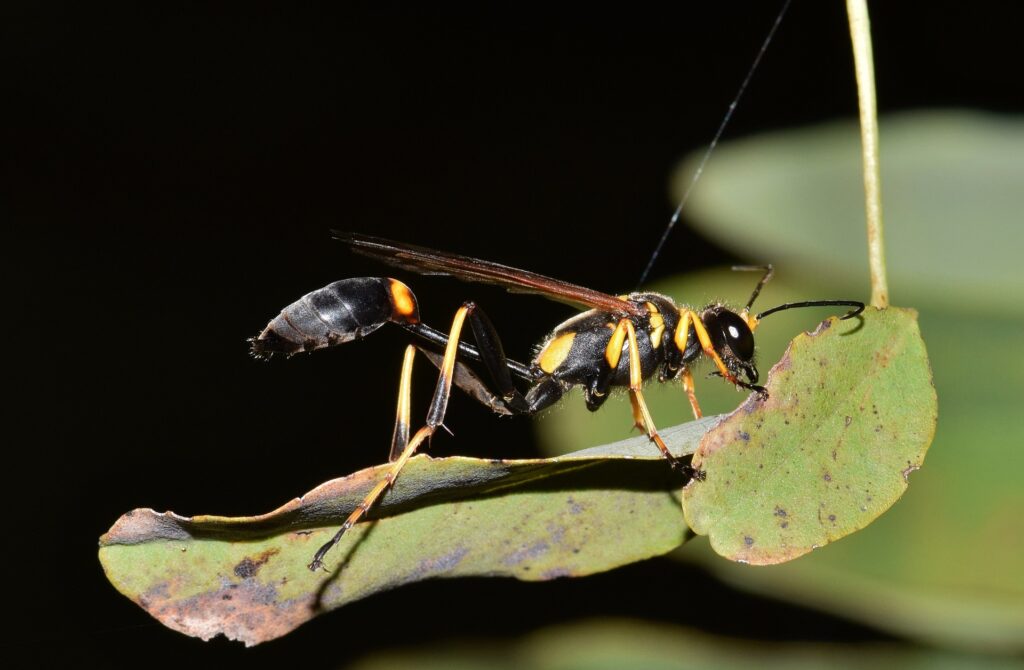
5. Wasps and Yellowjackets (Vespidae)
As warmer weather arrives, wasps and yellowjackets become more active around homes in Washington. They often build nests under eaves, in wall voids, or near outdoor living spaces.
Homeowners may notice:
- Increased activity around trash cans or food outdoors
- Nests forming near entryways or rooflines
- Aggressive behavior when nests are disturbed
Limiting attractants, such as uncovered trash or outdoor food, can help reduce activity. It’s generally best to avoid disturbing visible nests, as this can increase defensive behavior. Also, because these pests can be territorial, professional pest management is often recommended to address nests on or near the home.
6. Fleas (Siphonaptera)
Fleas are commonly associated with pets, but they can also be introduced by wildlife around the home. In Washington, flea activity often increases during warmer months when pets spend more time outdoors.
Common signs include:
- Pets are scratching more than usual
- Flea dirt on pet bedding
- Bites around ankles or lower legs
Flea management often requires a combination of indoor and outdoor treatments, as well as coordination between pest professionals and veterinarians. Regularly washing pet bedding and vacuuming carpets can help reduce indoor flea activity. Monitoring pets after outdoor time and coordinating care with a veterinarian can also help manage flea-related concerns.
7. Ticks (Ixodidae)
Ticks are a common outdoor concern across many parts of Washington, especially in wooded, grassy, or brush-covered areas. Homeowners who spend time hiking, gardening, or letting pets explore outdoors may encounter ticks more often, particularly during warmer months.
Some ticks can carry Lyme disease, which is transmitted through the bite of an infected tick. The CDC (Centers for Disease Control and Prevention) notes that transmission typically occurs after a tick has been attached for a period, making early detection important.
Reducing tick activity around the home often focuses on limiting their habitat. Keeping grass trimmed, clearing leaf litter, and checking pets and clothing after outdoor activity can help lower exposure near the home.
Why Pest Activity Is So Common in Washington State
Several environmental factors contribute to recurring pest activity:
- Moisture: Rainfall and humidity create ideal conditions for many insects
- Mild temperatures: Fewer extreme winters allow pests to survive year-round
- Natural surroundings: Forests, water sources, and wildlife increase exposure
Pest pressure varies by region and season, and pest control in Washington often emphasizes ongoing service rather than one-time treatments.
5 Ways Washington State Homeowners Can Reduce Pest Activity
Even when pests are common in your area, there are practical steps homeowners can take to reduce their presence.
- Seal entry points: Inspect your home for cracks, gaps, or holes around doors, windows, vents, and utility lines. Sealing these openings limits the ways pests like ants, rodents, and spiders can enter.
- Manage moisture: Many pests, including cockroaches and ants, are attracted to damp areas. Fix leaks, use dehumidifiers in basements, and ensure proper ventilation in bathrooms and crawl spaces to reduce indoor moisture.
- Maintain clean and organized spaces: Keep kitchens, pantries, and storage areas tidy. Store food in sealed containers, clean up crumbs and spills promptly, and reduce clutter that can provide shelter for pests.
- Take care of your yard: Regularly trim the grass, remove leaf litter, and manage brush or wood piles near the home. This helps reduce habitat for ticks, fleas, and rodents and limits the likelihood of outdoor pests moving indoors.
- Monitor pets and outdoor activity: Fleas and ticks often hitch a ride on pets or clothing. Checking pets after outdoor play, washing bedding, and brushing pets can help prevent infestations indoors.
Frequently Asked Questions About Common House Pests in Washington State
Q. What attracts ants and spiders inside homes?
Ants and spiders are usually drawn indoors by food, water, and shelter. Reducing clutter, sealing pantry items, maintaining clean surfaces, and addressing minor leaks can all help make your home less inviting to these pests over time.
Q. Are wasps and yellowjackets dangerous?
Yes. Wasps and yellowjackets can sting if their nests are disturbed, and the stings can be painful or serious for people with allergies. These insects are territorial and tend to become more aggressive as colonies grow.
Homeowners may notice activity around outdoor eating areas, trash cans, or eaves. If nests are located near doors, windows, or frequently used outdoor spaces, contact a professional pest management company to remove or reduce the nest’s impact without putting people or pets at risk.
Q. Can some pests be beneficial in Washington homes?
Yes. Certain pests, like spiders, can help control other insect populations, which may reduce the number of flies, mosquitoes, or ants indoors. Even some ants outdoors can help aerate soil and manage smaller insect populations.
However, frequent indoor sightings, especially near food, water, or living spaces, may indicate conditions that allow pests to thrive. Understanding which pests are present can help homeowners decide when to focus on prevention or seek professional support.
Q. Do seasonal changes affect pest activity?
Absolutely. Many pests in Washington have seasonal patterns. Ants, spiders, and other insects often appear in greater numbers during spring and summer when they’re seeking food and mates. Rodents tend to move indoors in fall and winter, seeking warmth and shelter.
Seasonal changes in temperature, rainfall, and daylight also influence how and when pests are active. By being aware of these patterns, homeowners can take proactive steps to help minimize pest encounters throughout the year.
Q. How do I know when to call a professional?
Professional support is helpful when pests are persistent, reproduce quickly, or appear in sensitive areas of the home. Experts can identify the species, assess contributing factors, and apply treatments in reasonably accessible areas to help reduce ongoing issues.
Supporting Washington Homes with Ongoing Pest Management
Even in well-kept Washington homes, occasional pests like ants, spiders, or rodents may appear. While a single sighting isn’t usually cause for concern, recurring activity or multiple pests in living areas may indicate underlying conditions.
Professional pest management from Aptive can help identify which pests are present, locate potential entry points, and suggest ways to reduce factors that attract them. By combining these steps with routine home and yard maintenance, homeowners can minimize repeated pest encounters and keep their homes more comfortable year-round. Get a quote today!