Most homeowners know the importance of receiving routine pest control treatments each quarter, but not all know that the actions you take immediately following a treatment can directly determine its success. As the homeowner, make sure you’re taking full advantage of your pest control treatment by following these steps before and after the extermination.
Before a Pest Control Treatment
It’s important to know how to properly prepare for a pest control treatment by Aptive Pest Control.
Move Your Furniture
Our pest control experts need to reach every corner of your home during an treatment. Before your scheduled service, move all large furniture and appliances away from the wall and toward the center of the room. This will protect your furniture from the treatment and help your pest control technician be as efficient as possible.
Store Clothes and Bedding
Ideally, all clothes, toys, and bedding should be wrapped in plastic wrap or stored in airtight plastic containers during a pest control treatment. We understand this isn’t always possible, however, so these items can also be stored in cabinets and drawers until the treatment is over.
Deep Clean Your Floors and Counters
Before your treatment, deep clean your kitchen and bathrooms to rid these rooms of common pest incentives. Empty all trash cans, especially those that contain food scraps, and wipe down counters and kitchen floors to collect any leftover crumbs that might be attracting bugs at night.
Unplug Your Appliances
It’s never a good idea to leave appliances plugged in when liquid is present. Since our pest control experts will be spraying throughout your home, protect your electrical outlets by unplugging appliances and storing the smaller ones in cabinets and drawers.
Store Food
Our pest control treatments contain chemicals. Pack up all food in airtight containers, and place inside your refrigerator and pantry. This is especially important for food that’s often left out on counters, like fruit, vegetables, and bread.
Get Your Kids and Pets Out of the House
You can occupy the home several hours after the treatment is done, but during the extermination, make sure you and your family have a place to go. Your pest control technician will inform you how long it will take to cover all infected areas prior to starting the treatment.
What Does Pest Control Do?
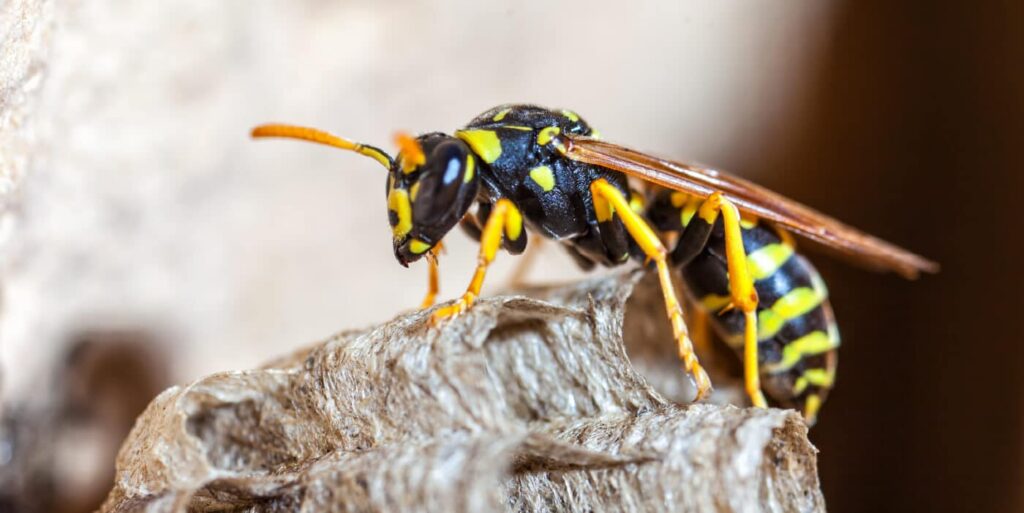
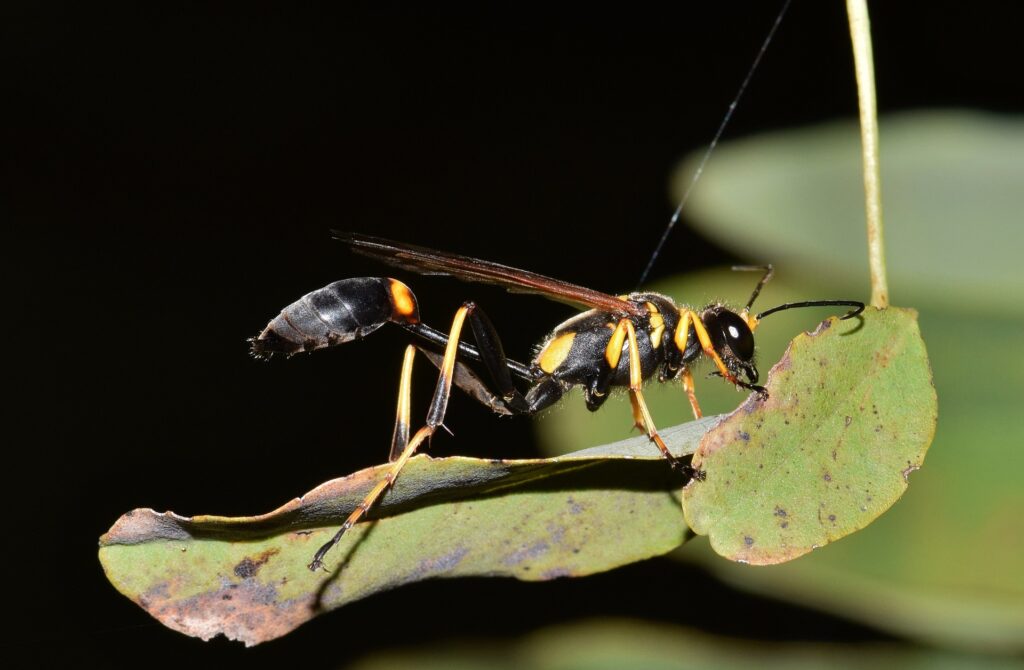
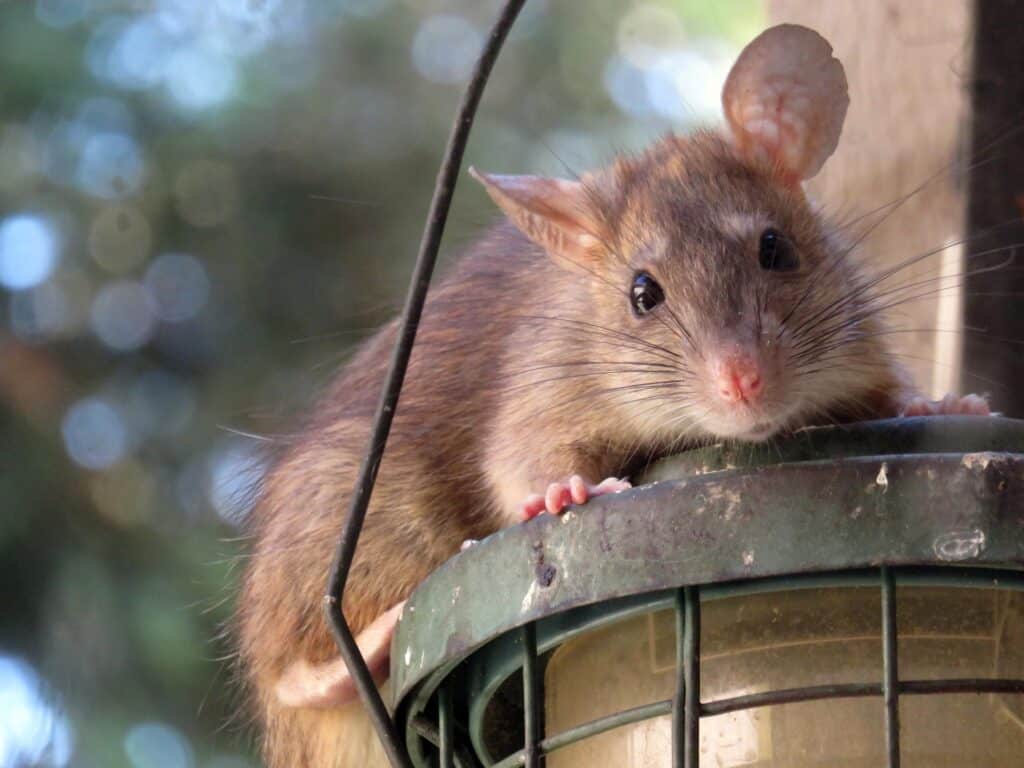
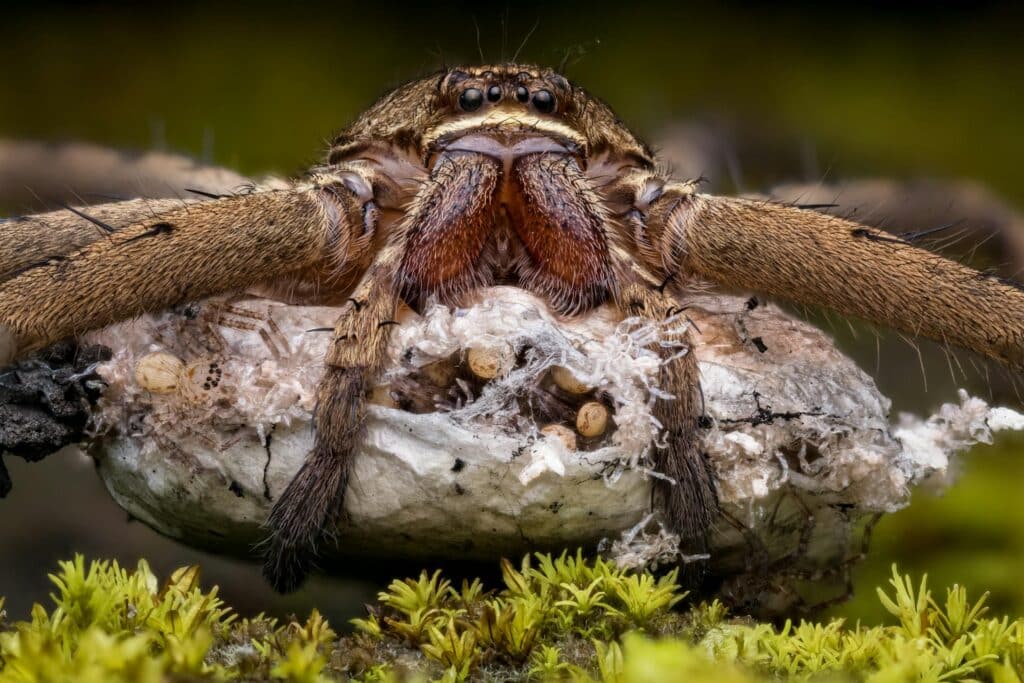
Pest control involves strategies and treatments designed to manage undesirable creatures like insects, spiders, rodents, and other pests that could disrupt your comfort and peace of mind. Effective pest control treatments work by using insecticides or physical traps to address unpleasant infestations and limit future occurrences. Understanding what pest control does, and how it works, is important for any homeowner looking to protect their living space from unwelcome guests.
What to Do After a Pest Control Technician Sprays
Once your home has been properly prepped for a pest control treatment from Aptive, there are a few things you can do to make the treatment as effective as possible.
Let it Sit
For the chemicals to be worthwhile, they need to sit in your home for several hours. It’s important to let your home air out for a few hours before heading indoors. One of the most common questions we receive is how long homeowners should wait after Aptive sprays. Depending on the treatment, it could take anywhere from 30 minutes to several hours before your home is able to be occupied. Your pest control expert will let you know how long you need to wait after a treatment before returning inside.
Discard Affected Food
If you accidentally left any food laying out during the treatment, make sure you discard these items in your outside trash cans. It’s best to be cautious and throw out any food that could have been exposed to the extermination chemicals.
Avoid Cleaning
Fight the urge to do a deep clean of your home for at least a week after you receive the pest control treatment. Cleaning cabinets and other areas after service may be tempting, but this can cause the chemicals to be rubbed off prematurely, which can reduce the overall power of the treatment. Leave the deep cleaning of cabinets, floors, and counters for a different day.
Repair Cracks and Leaks
Cracks, crevices, and leaky pipes can all be easy access points for pests. Now that you’ve invested in a pest control treatment from Aptive, it’s important to protect that investment. Make a point to close up any of these openings with caulk to prevent more bugs from sneaking indoors.
Pack Up Paper Products
Termites, silverfish, and cockroaches all love snacking on paper products. While the presence of some paper in your home is inevitable, you can help prevent a pest infestation by recycling all newspapers and brown paper bags and limit the amount of cardboard moving boxes you keep in your attic and basement.
Kill Any Remaining Pests
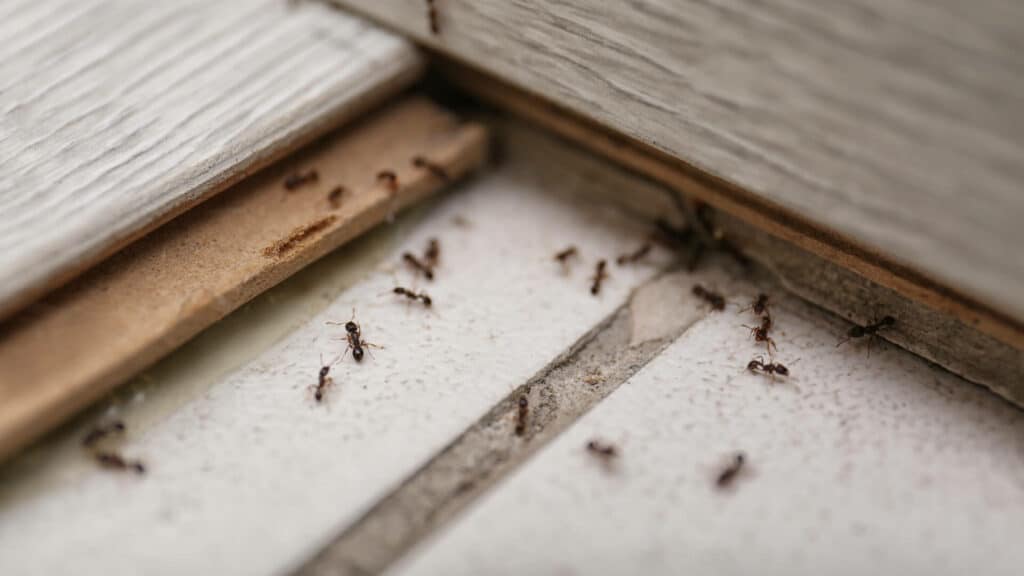
While not ideal, the presence of bugs actually increases after a pest control treatment. Chemicals, when sprayed along baseboards, corners, and cracks, force these insects out of their hiding spots, which means you may see an influx of bugs around your home in the weeks following a pest control treatment. The best thing you can do is to kill these pests as soon as you spot them and dispose of them in your outside garbage cans. A pest control service from Aptive can keep bugs away for months at a time, but on occasion, certain pests, like cockroaches, can still find their way inside after a treatment. If you’re still seeing cockroaches after the treatment, or any pest for that matter, give our team a call. We provide comprehensive services that can change to fit the needs of each and every homeowner. Your pest control expert will reevaluate the infestation and recommend the best solution for your home moving forward.