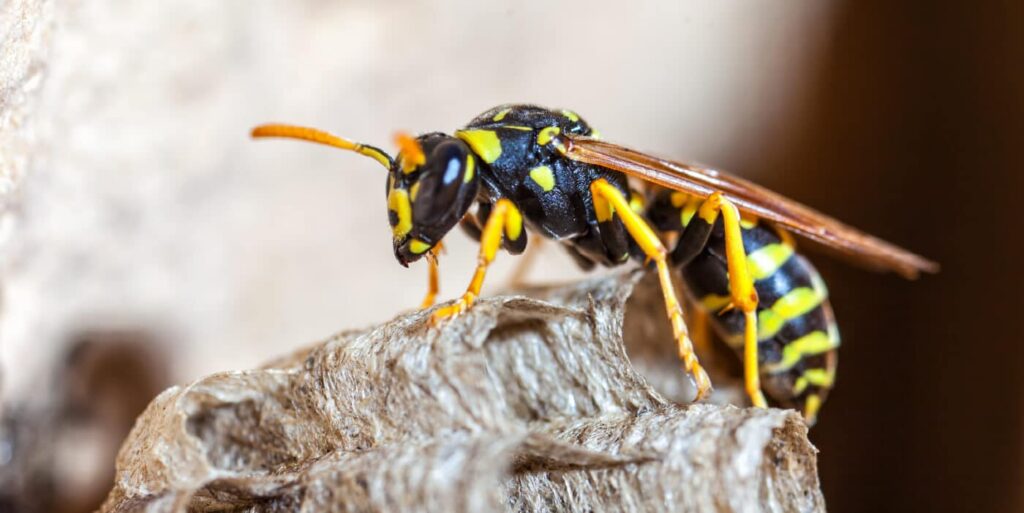
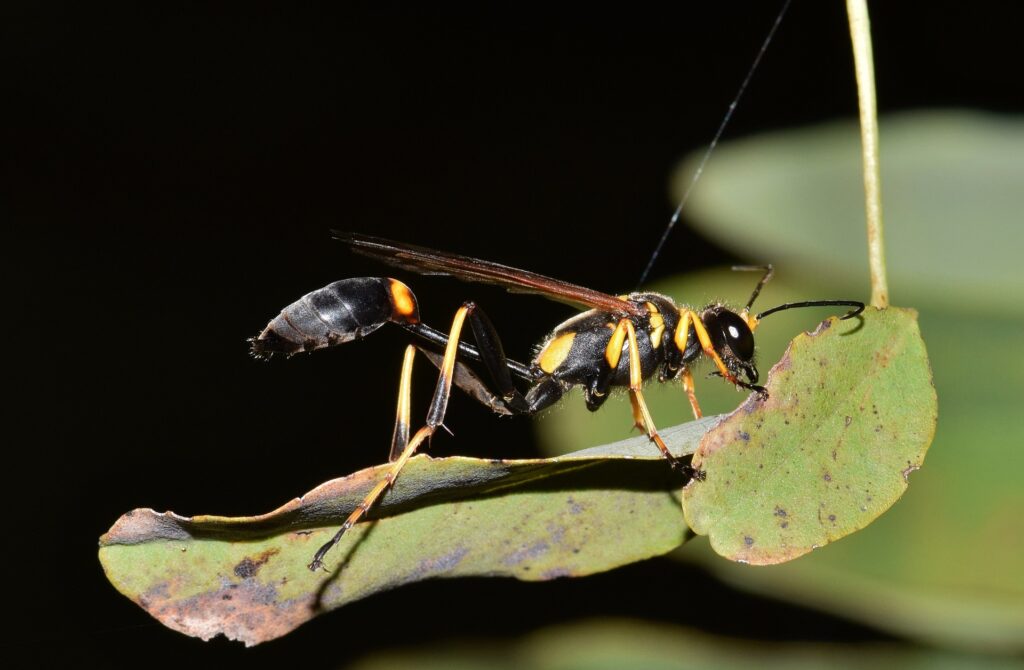
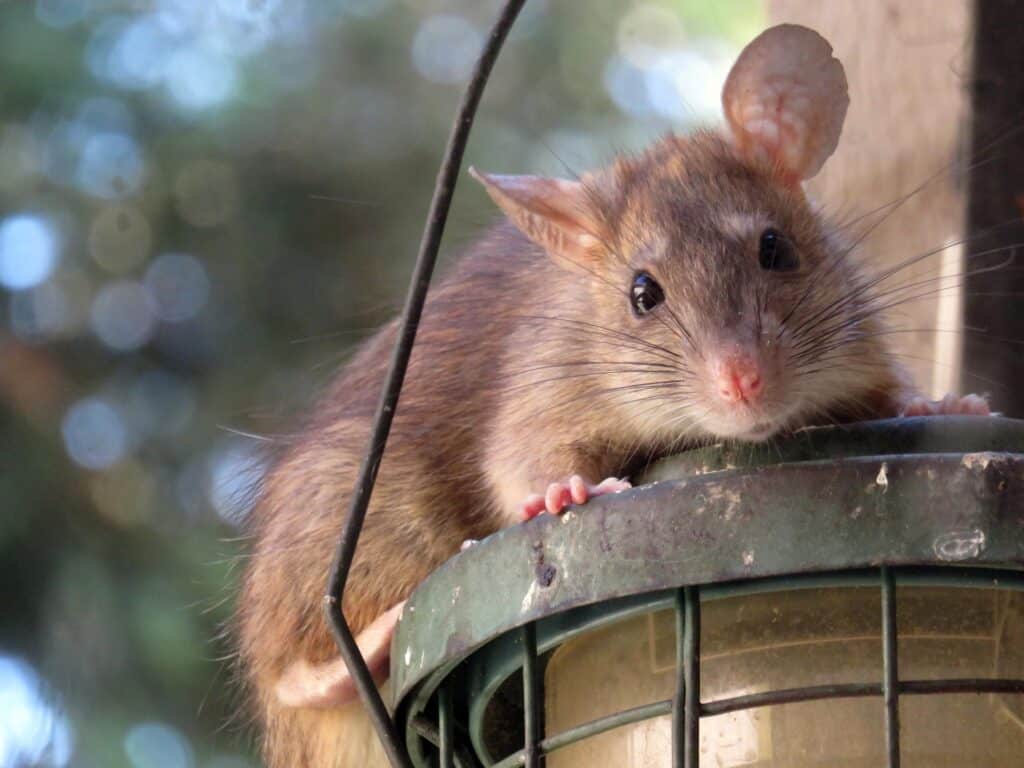
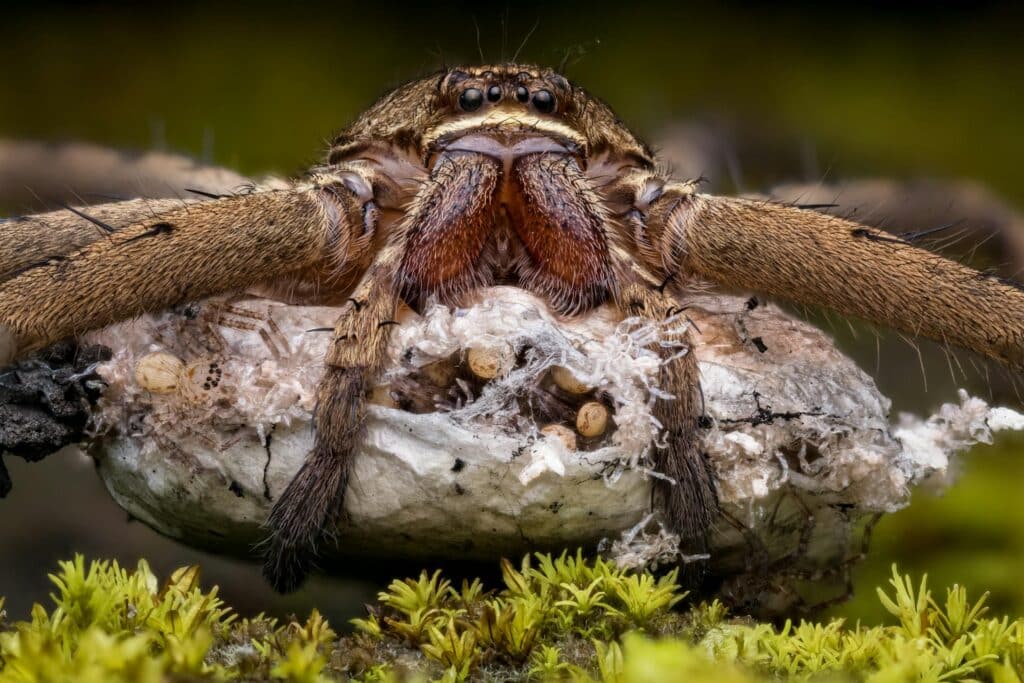
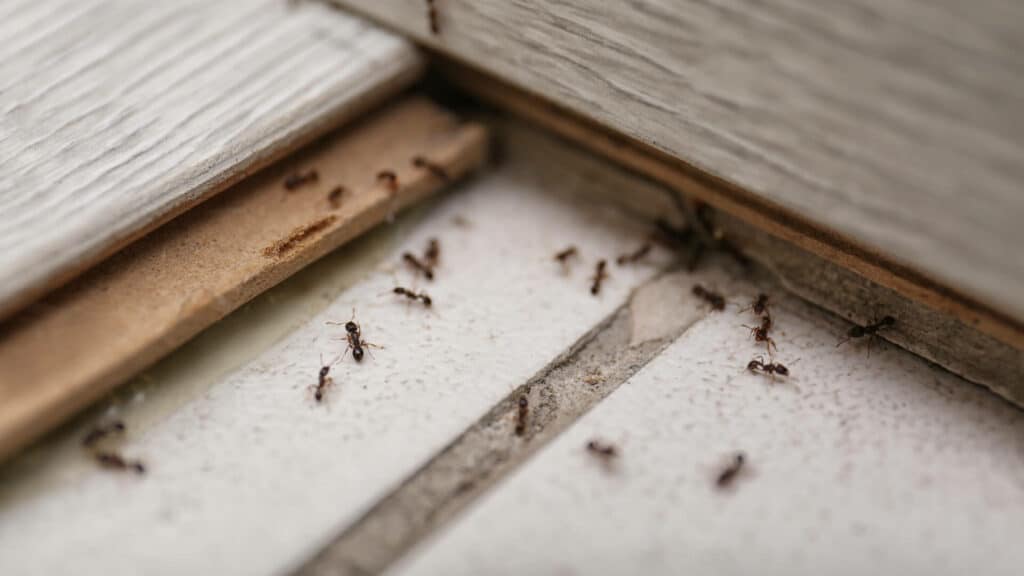
Pest infestations can quickly turn your home into a source of stress. Whether it’s ants invading your home or the unwelcomed sound of mice in the walls, pests can make anyone feel uneasy. But when you’re working with a tight budget, managing these unwanted guests may seem like a daunting task. Fortunately, there are plenty of budget-friendly pest control tips and tricks that can help you keep your home comfortable without breaking the bank.
In this blog post, we’ll share practical, cost-effective pest control strategies for homeowners. These tips will not only help you reduce the risk of infestations but also help maintain a pest-controlled environment in the long term. Ready to take control of your home? Let’s dive in!
Table of Contents
DIY Pest Control Methods
When it comes to budget-friendly pest control, the first thing most people think of is DIY methods. There are numerous ways to tackle pests without the need for expensive treatments. Below are some common household solutions for managing pests:
Common Household Solutions for Pest Control
- Vinegar and Water: A simple solution of equal parts white vinegar and water can be used to deter ants, spiders, and other pests. Spray this mixture along entry points or in areas where you have seen pest activity.
- Baking Soda and Sugar: For cockroaches, a mixture of baking soda and sugar is an effective bait. The sugar attracts the pests, and the baking soda, when ingested, causes internal damage, ultimately killing the roaches.
- Diatomaceous Earth: This is a natural powder made from fossilized remains of marine life. It’s effective in treating a variety of pests like ants, fleas, and bed bugs. Sprinkle it in cracks, crevices, or around baseboards.
How to Use Essential Oils to Deter Pests
Essential oils are a natural and fragrant way to repel pests. Some oils, such as peppermint, tea tree, and eucalyptus, have been shown to deter insects like ants, spiders, and even rodents. Here’s how you can use them:
- Create a Spray: Mix 10-15 drops of essential oil with water and a small amount of dish soap (to help emulsify the oil) in a spray bottle. Shake well and spray in areas where pests are a concern.
- Cotton Balls: Place a few cotton balls soaked in essential oils in strategic areas, such as under the sink, in cabinets, or near windows and doors.
Using these DIY solutions not only helps control pests but also saves money by avoiding expensive pest control products.
Prevention Is Key: Budget-Friendly Steps to Keep Pests Away
Preventing pests from entering your home in the first place is one of the best ways to manage an infestation. By taking a few simple steps, you can drastically reduce the likelihood of pests becoming a problem.
Seal Entry Points
Inspect your home for cracks and gaps around windows, doors, and foundation. Sealing these entry points will prevent pests like ants, rodents, and spiders from getting inside. Use weather stripping, caulk, or expandable foam to fill in any gaps. This is a low-cost investment that can save you money in the long run by preventing future infestations.
Cleanliness and Pest Prevention
Keeping your home clean and tidy is one of the most effective, budget-friendly pest control methods. Pests are often drawn to food, moisture, and clutter. Here are a few simple steps you can take to deter pests:
- Regular Cleaning: Wipe down counters and clean up crumbs daily. Vacuum carpets, floors, and upholstery frequently to remove food debris and any potential eggs or larvae.
- Proper Food Storage: Store food in airtight containers to prevent pests like ants, pantry pests, and rodents from getting to it. Don’t leave pet food or scraps out overnight.
- Take Out the Trash: Empty your trash cans regularly and use bins with tight-fitting lids. This is especially important if you’re dealing with pests like flies or rodents.
By keeping your home clean and sealing potential entryways, you reduce the chances of pests finding a way inside and nesting.
Natural Pest Control Products
If you’re looking for alternatives to chemical pesticides, there are a variety of natural pest control products that are both affordable and effective. Many of these products can be found at your local hardware or home improvement store.
- Peppermint Oil Spray: As mentioned earlier, peppermint oil is an effective deterrent for many pests, including spiders and rodents. A bottle of peppermint essential oil can last for months, making it a cost-effective solution.
- Neem Oil: This natural oil is a great option for treating aphids, fleas, and other garden pests. It’s great for plants and can be used both inside and outside your home.
- Sticky Traps: These traps are great for catching insects like flies, roaches, and even rodents. They’re inexpensive and can be placed in areas where pests are commonly seen.
When using natural pest control products, make sure to follow the directions on the label to ensure their effectiveness.
When to Call in the Professionals
While DIY methods can go a long way in controlling pests, some situations may require professional help. If you’re dealing with a larger infestation or persistent pest problems that DIY methods can’t solve, it may be time to consider calling in the experts.
A pest control professional can assess the situation and offer a treatment plan tailored to your needs. Don’t hesitate to get a free quote from a trusted pest control company if you’re unsure how to handle a pest problem on your own.
Conclusion: Keep Your Home Pest-Controlled on a Budget
Managing pests doesn’t have to be expensive. By using a combination of DIY methods, preventative measures, and natural pest control products, you can effectively keep pests at bay without spending a fortune. Remember, consistency is key to long-term pest control, so make sure to implement these budget-friendly tips regularly.
If you’re struggling with a persistent pest issue, don’t hesitate to reach out to a pest control expert for a free quote. At Aptive, we’re dedicated to helping homes stay pest-controlled, one step at a time, and we’re always here to lend a hand.
With the right approach, you can maintain a pest-controlled home while staying within your budget!