Call Now and Ask About the Winter Deal While it Lasts →

Call Now and Ask About the Winter Deal While it Lasts →

Sign-in to Account
Call Us

(855) 948-5816

aptive_pest_control_lockup-white

Find Service Area

Bug vs. Insect: Is there a Difference?

Written by Aptive Pest Control June 20, 2019

Updated August 6, 2024

While it is perfectly acceptable to refer to insects as bugs, there is actually a difference between the two terms. To make things even more confusing, all bugs are insects, but not all insects are bugs. Pretty weird, right? Turns out, it all boils down to taxonomic order.

What is a Bug?

In order to explain what a bug is, we need to take you back to biology class. While you might not remember everything about high school science class, you may remember kingdom, phylum, class and order. Both insects and bugs fall into class Insecta, but bugs, specifically, fall into order Hemiptera. This means that all bugs are in fact a type of insect, but not every type of insect belongs to order Hemiptera. Because everyone (even scientists) refers to insects as bugs, the bugs found in order Hemiptera are actually called “true bugs.”

Because true bugs are considered insects, they have many of the same body parts as other insects. For instance, true bugs have an exoskeleton, segmented bodies, and 6 legs. However, there are some differences. Unlike a lot of insects, true bugs undergo incomplete metamorphosis – egg, adult-like nymph, and winged adult. Furthermore, true bugs have specialized mouth-parts, called stylets, that are shaped like straws or needles. They use their stylets to suck fluid from plants (though some do feed on animals). While butterflies and honeybees also have straw-like mouthparts, the mouths of true bugs are a little bit different. Instead of being retractable, the mouthpart of a true bug is rigid and cannot be rolled up. True bugs include aphids, stink bugs, water bugs and bed bugs.

What is an Insect?

By the technical, or taxonomic, definition, a large group of insects are not bugs, even though we call them bugs. Beetlesantsmoths, cockroaches, bees, flies, and mosquitoes are not considered true bugs since they are not found in order Hemiptera. Instead, these creepy crawlies are found in order Hymenoptera. Members of this order have different characteristics than their true bug counterparts. The major difference is their mouths. Rather than a stylet that is fixed in place, insects in this order have a proboscis that they can retract. Additionally, to confuse you even more, there are a number of creatures that are neither bug, nor insect.

Millipedescentipedesscorpionsspiders and ticks aren’t bugs or insects at all. Millipedes are classified as diplopodans due their double footed segments. Centipedes are considered chilopodans because they have one pair of legs per body segment. Lastly, scorpions, spiders, and ticks are characterized by their eight legs and two body parts (a cephalothorax and abdomen), making them arachnids.

Exploring the Differences: Bugs vs Insects
While the terms ‘bug’ and ‘insect’ are often used interchangeably in casual conversation, understanding the difference can enhance your appreciation of the biodiversity of the animal kingdom. Is a fly a bug, or is it strictly an insect? Flies, like many other common creatures we encounter, fall under the order Diptera and thus are considered insects rather than ‘true bugs’ under the scientific definition. This distinction addresses common queries like ‘are flies insects or bugs?’ or ‘is an insect a bug?’ It’s clear that while all bugs can be categorized as insects, not all insects qualify as bugs. This differentiation is crucial, particularly when educating young minds such as preschoolers about the variety in nature. For instance, when explaining the difference between bugs and insects for preschoolers, highlighting examples of true bugs such as aphids and bed bugs can be particularly illustrative. Similarly, understanding which insects are not bugs, like butterflies and ants, can help clarify this often confusing topic.

Regardless of phylum, class, or order, dealing with these creepy crawlers can be frustrating and nerve-racking. Whether you’ve got bugs, insects, arachnids, or some other type of pest in your home, Aptive can help. Start protecting your home by calling your local Aptive Pest Control branch today.
Curated articles for you, from our pest experts.

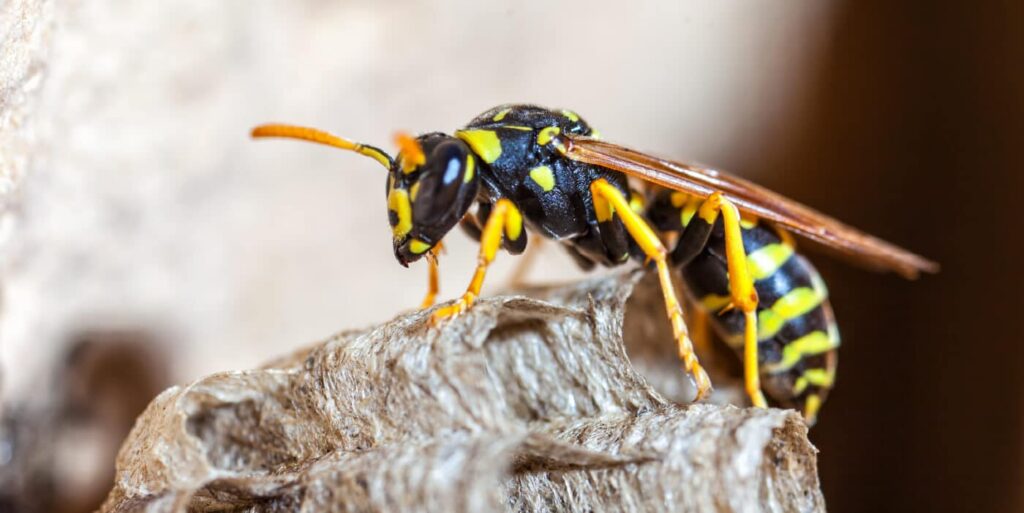
Close-Up Of A Yellow Jacket Wasp With Yellow And Black Markings, Perched On A Paper-Like Nest, Highlighting Its Body Structure And Nest-Building Behavior.

7 Most Common Pests in Washington State and What to Know

From damp coastal areas to wooded neighborhoods and growing suburbs, many pests in Washington State are simply part of the environment in which homeowners live. But not every pest sighting is a problem. Some pests appear briefly during seasonal changes, while...

Jan 21, 2026
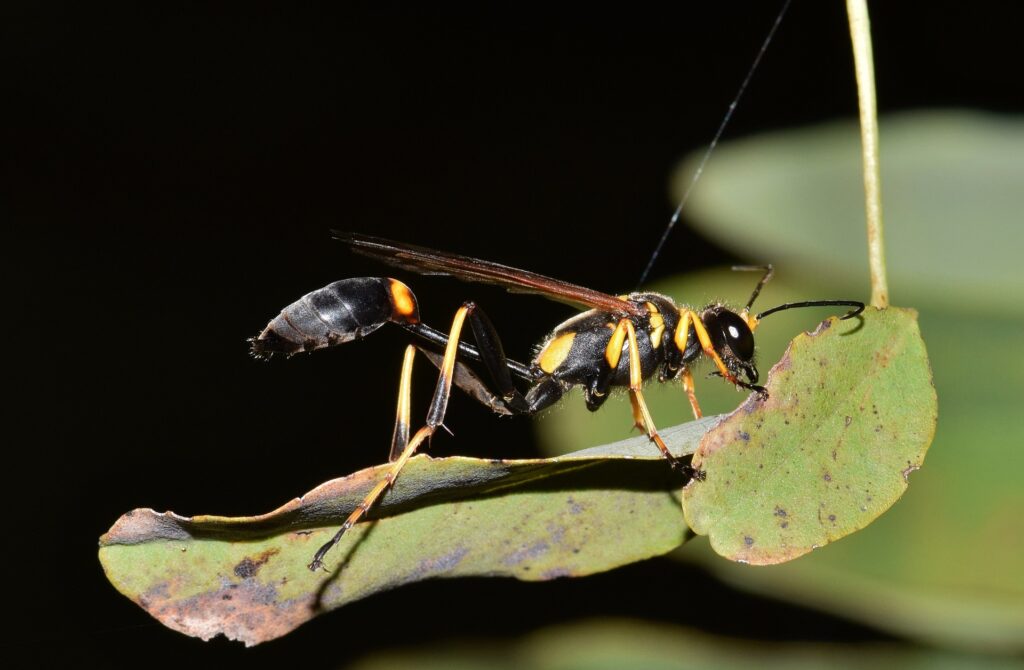
A Close-Up Image Of A Black And Yellow Mud Dauber Wasp (Sceliphron Caementarium) Perched On A Green Leaf. The Wasp'S Slender Body And Long Legs Are Highlighted Against A Dark Background, Showcasing Its Vivid Yellow Patterns And Distinctive Elongated Abdomen.

15 Most Common Household Pests in Tennessee: Homeowners’ Guide

Tennessee’s warm summers and naturally humid conditions make it an active environment for insects and other pests. From suburban neighborhoods to rural properties, pest activity is often influenced by moisture, vegetation, and easy access to shelter. Seeing pests...

Jan 19, 2026
A Close-Up Image Of A Green Grasshopper Perched On A Leafy Plant Stem, Showing Its Textured Body, Long Antennae, And Folded Wings In Sharp Detail.

10 Common Garden Pests in the Midwest​: What Homeowners Should Know

Gardens throughout the Midwest reflect the region’s changing seasons. Along with plants and flowers, these outdoor spaces also support a variety of insect activity. Seeing pests in or around garden areas doesn’t automatically signal a problem. In many cases, it’s a...

Jan 19, 2026
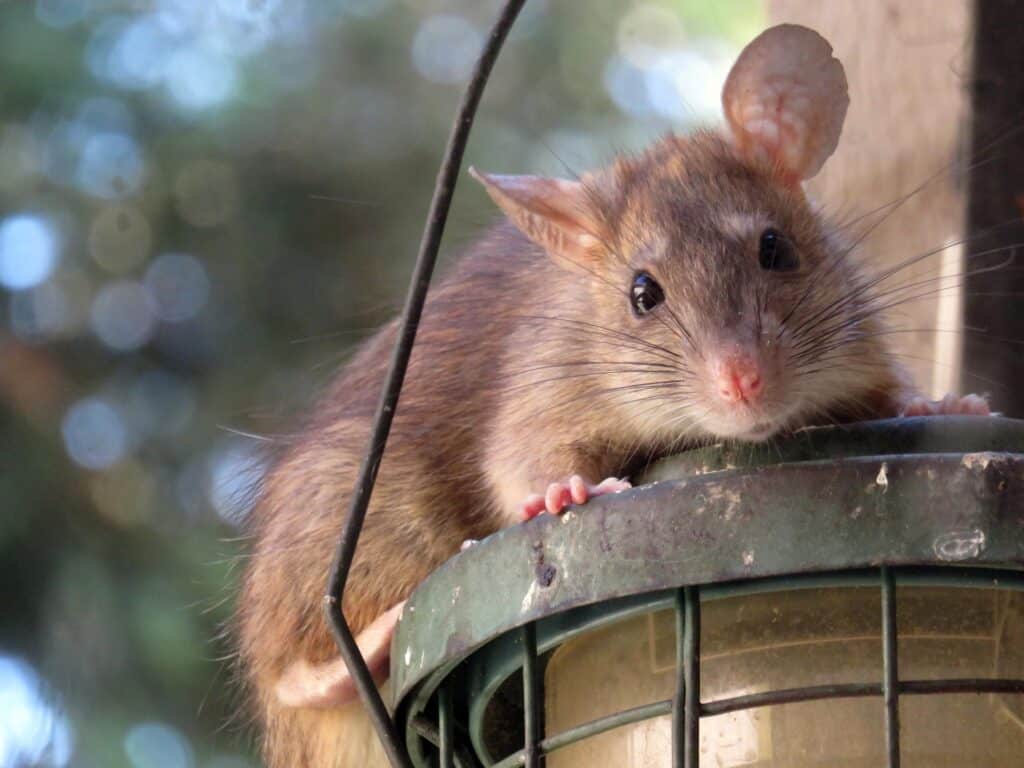
A Close-Up Image Of A Brown Roof Rat Perched On A Weathered Green Metal Lantern, With Its Large Ears, Long Whiskers, And Inquisitive Eyes Facing The Camera. The Background Is Softly Blurred With Dappled Light And Trees.

The Top 5 Most Common Pests in California

California's Mediterranean and semi-arid climates with mild winters, extended warm seasons, and diverse microclimates create ideal conditions for numerous pest species remaining active year-round unlike temperate regions experiencing winter dormancy reducing pest...

Jan 19, 2026
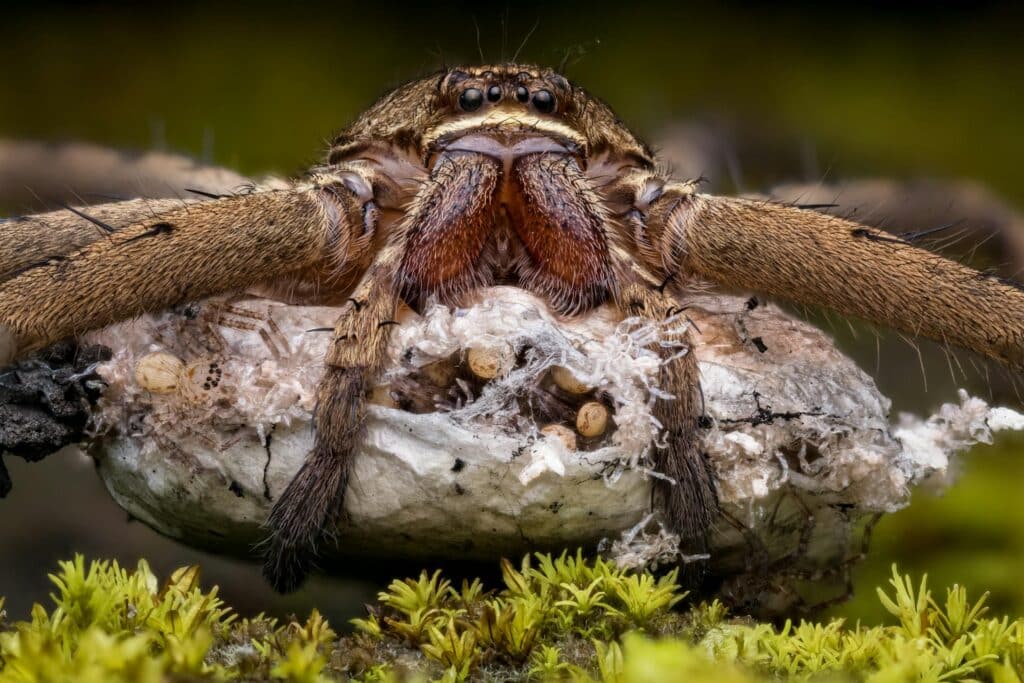
A Close-Up Image Of A Large Spider Guarding Its White Egg Sac With Spiderlings And Unhatched Eggs Inside, Resting On A Mossy Forest Floor.

The Top 10 Most Common Arachnids in the Southeastern U.S.

Warm temperatures, seasonal humidity, and diverse landscapes make the Southeast an ideal environment for a wide range of arachnids. While spotting them indoors can feel unsettling, most species are simply passing through or seeking shelter as conditions change...

Jan 14, 2026
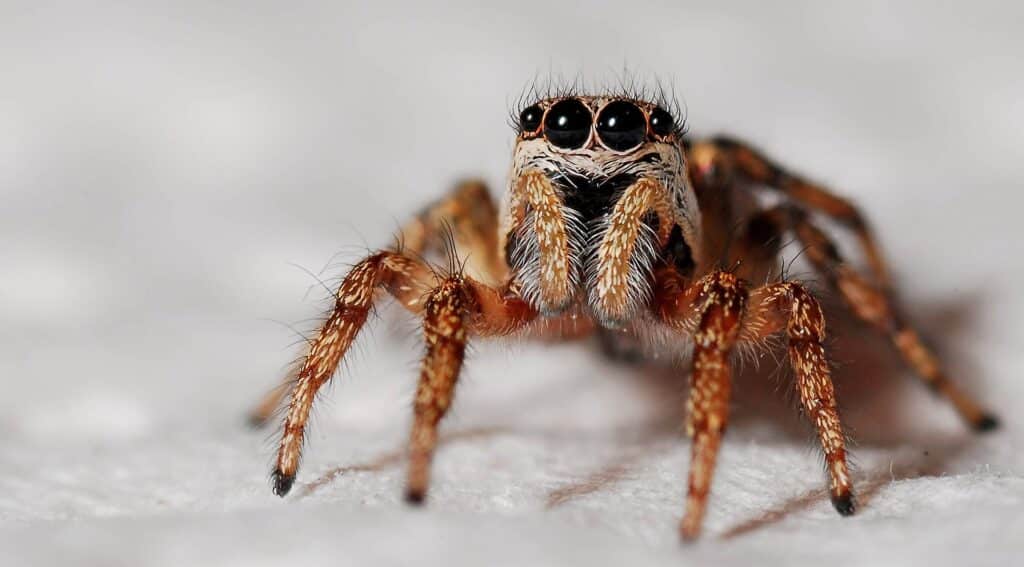
Close-Up Image Of A Jumping Spider With Large, Prominent Eyes, Covered In Fine Hairs, Standing On A White Surface.

The 8 Most Common Pests in Texas and What to Know About Them

Texas hosts an exceptional diversity of pest species due to its vast size, varied climates, and geographic position spanning subtropical Gulf Coast regions to arid western deserts, creating favorable conditions for numerous insects, arachnids, and rodents...

Jan 14, 2026
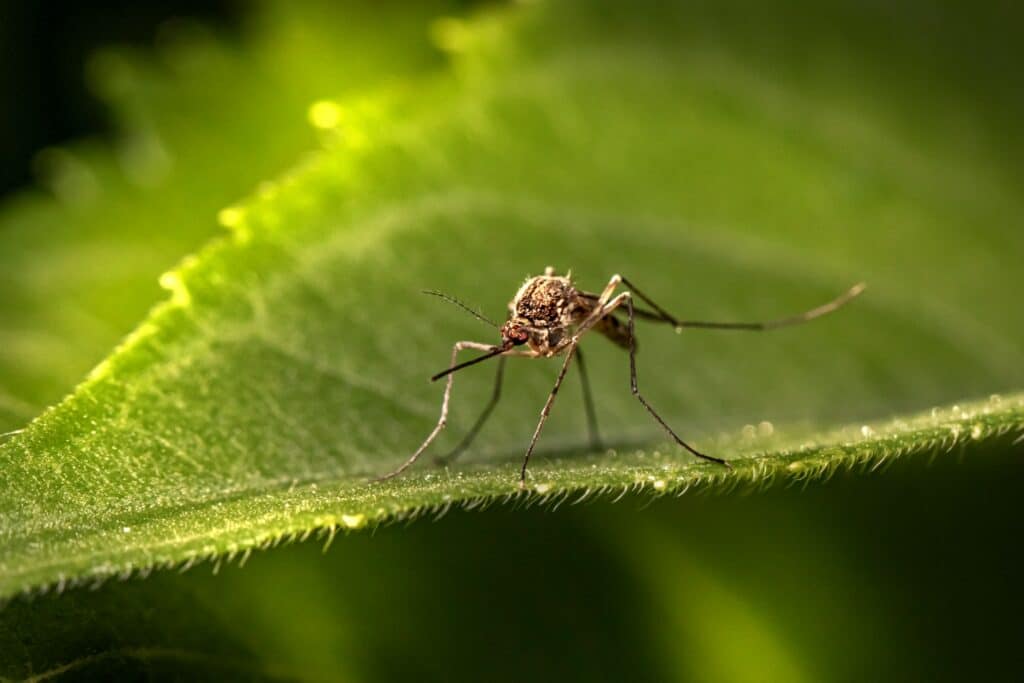
A Close-Up Macro Photograph Of A Mosquito Standing On The Edge Of A Green Leaf, With Detailed Focus On Its Slender Legs, Wings, And Long Proboscis, Surrounded By Softly Blurred Greenery In The Background.

The 7 Most Common Pests in Florida and What to Know About Them

Florida’s warm climate and lush landscapes make it a beautiful place to live, but they also create ideal conditions for pest activity. For many homeowners, seeing insects or rodents around the house isn’t a sign of neglect. It’s simply part of living in a state...

Jan 14, 2026
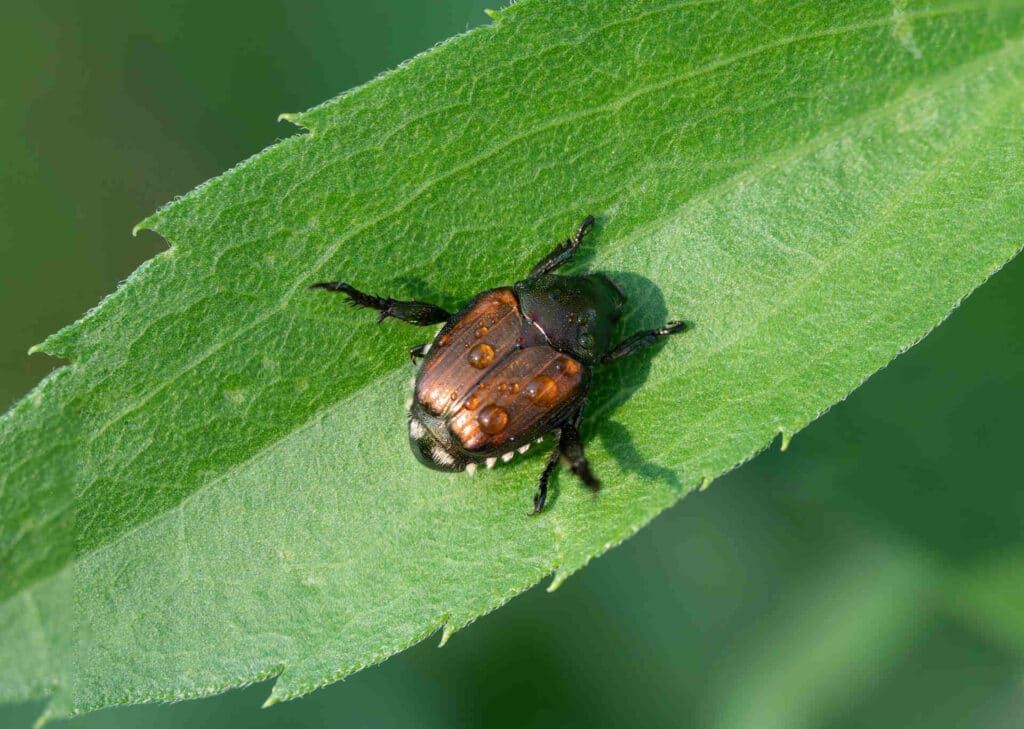
Close-Up Of A Japanese Beetle On A Green Leaf With Dew Droplets On Its Back.

4 Pests Living in Your Garden

When noticing unexplained plant damage, wilting foliage, or mysterious holes in garden leaves, identifying the responsible pests in garden environments is crucial for implementing appropriate control measures and protecting your landscape investment.  Gardens...

Dec 17, 2025
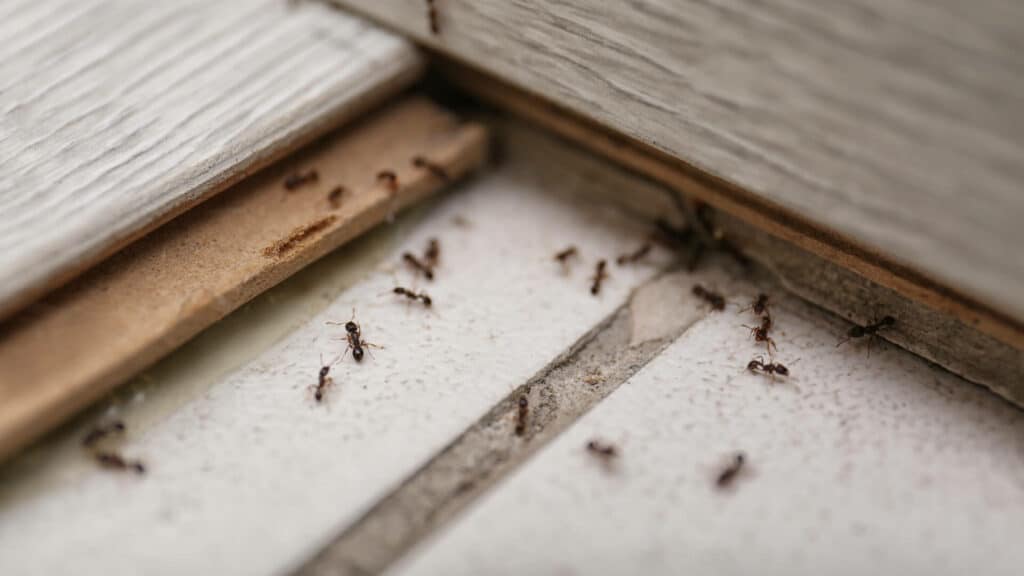
A Close-Up Of Several Small Black Ants Crawling Along The Edge Of A Wooden And Tiled Surface.

4 Insects That Are Hard to Get Rid Of

When experiencing recurring pest problems despite repeated pest control attempts, understanding which insects demonstrate greatest persistence is crucial for implementing appropriate comprehensive strategies rather than ineffective quick fixes.  Certain hard to get...

Dec 17, 2025
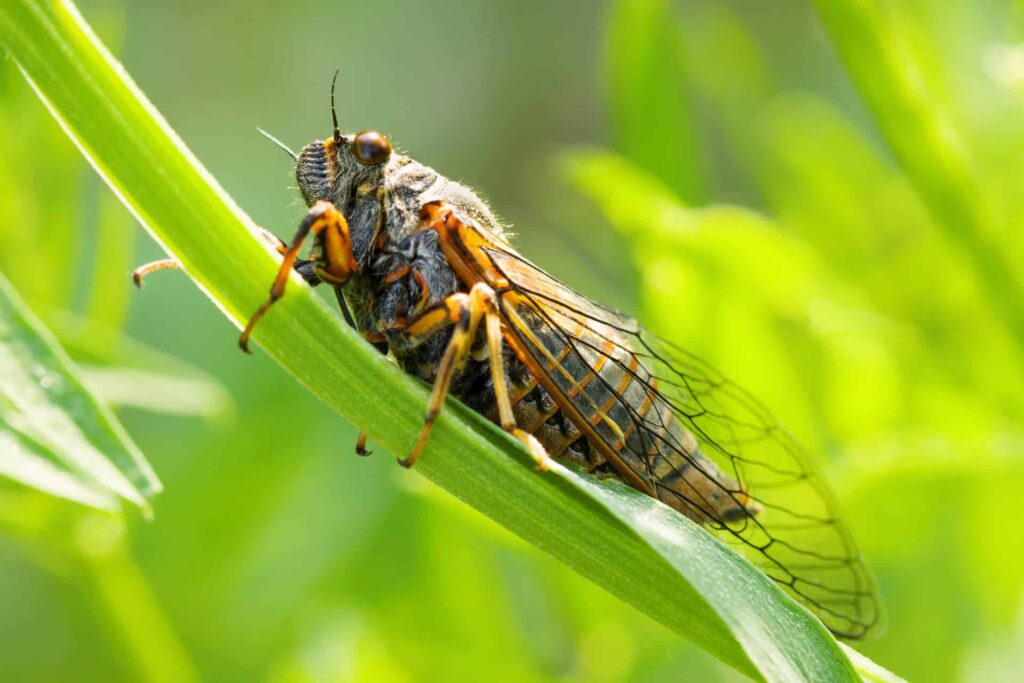
A Detailed Close-Up Of A Cicada Perched On A Green Leaf, Displaying Its Intricate Wings And Textured Body Against A Vibrant, Blurred Background.

What Is the Definition of Insect?

When encountering small arthropods in homes and attempting to identify them for appropriate control measures, understanding the scientific definition of insect is crucial for distinguishing true insects from other superficially-similar creatures requiring different...

Dec 11, 2025

Take back your home with pest control today.