You’ve carefully closed all windows and ensured every screen appears intact and properly positioned, yet you continue discovering tiny flying insects inside your home throughout the day. Despite what seems like adequate barrier protection, gnats hover near houseplants, fruit flies circle the kitchen sink, and no-see-ums leave itchy bites on exposed skin during evening hours.
Understanding screen limitations helps homeowners make informed decisions about insect control and window protection strategies. Standard residential screens provide excellent protection against larger flying pests but demonstrate significant vulnerabilities against smaller species that exploit both material limitations and installation gaps to access indoor environments.
Why Screens Aren’t Always a Lock
Conventional window screens utilize standardized mesh specifications that effectively exclude larger insects while allowing smaller species to pass through openings designed primarily for airflow and visibility rather than comprehensive pest exclusion.
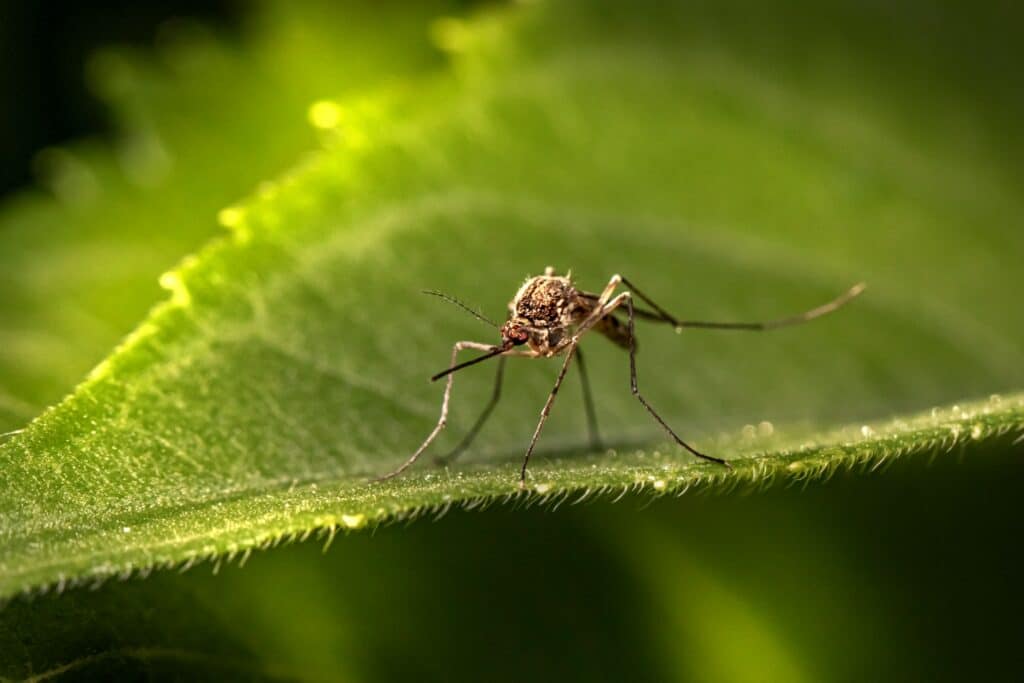
Mesh size specifications: Most residential window screens feature 18×16 mesh construction, meaning 18 horizontal and 16 vertical strands per square inch create a grid pattern with openings large enough to permit passage of various small insect species. This mesh density effectively blocks mosquitoes, house flies, and most flying insects over 1/16 inch in size while allowing smaller pests to pass through unimpeded.
Material composition: Aluminum, fiberglass, and polyester screen materials demonstrate different structural properties that influence their effectiveness against small insects. Aluminum screens may develop micro-tears that enlarge over time, while fiberglass screens can stretch under pressure, creating temporary openings. Polyester screens typically maintain dimensional stability but may have looser weave patterns in budget installations.
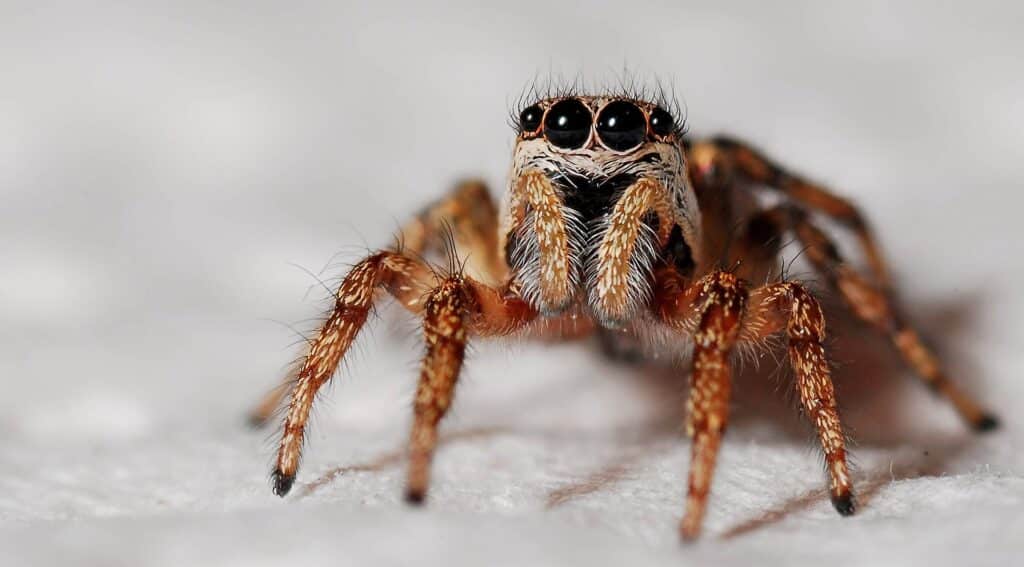
Opening size calculations: Standard 18×16 mesh creates rectangular openings approximately 1/20 inch wide, sufficient for passage of thrips, small gnats, baby spiders, and newly hatched insects that haven’t reached adult size. Even high-quality standard screens cannot prevent access by insects smaller than mesh opening dimensions.
Weather Does Damage Fast
Outdoor exposure subjects window screens to various environmental stresses that gradually compromise their integrity and create increasingly vulnerable conditions for insect penetration.
Prolonged sunlight exposure degrades synthetic screen materials through photodegradation that reduces tensile strength and creates brittleness leading to crack formation. UV damage accumulates over multiple seasons, eventually causing material failure at stress points.
Daily and seasonal temperature variations cause expansion and contraction of screen materials and frames at different rates, creating stress that loosens spline connections and stretches mesh materials beyond their elastic limits.
Humidity, rain, and condensation promote corrosion in metal screens while encouraging mold and deterioration in organic materials. Corrosion creates holes and weak spots that enlarge through normal use and weather exposure.
Species That Commonly Enter Screens
Several insect categories routinely bypass standard window screens due to their small size, flexibility, or behavioral adaptations that enable passage through mesh barriers and installation gaps.
Tiny flying insects: Gnats, no-see-ums (biting midges), and thrips measure small enough to pass directly through standard mesh openings without damage to screen materials. These species often travel in groups, making their indoor presence particularly noticeable despite individual small size.
Immature insect stages: Newly hatched moths, flies, and beetles may be small enough to penetrate screens during their early developmental stages before reaching adult dimensions that would prevent passage. This creates seasonal patterns of screen penetration coinciding with insect reproduction cycles.
What Makes a Screen ‘Bug Proof’
Improving screen effectiveness against small insects requires addressing both material specifications and installation quality through targeted upgrades and maintenance practices.
Upgrading to 20×20 or finer mesh screens significantly reduces opening sizes that permit small insect passage. Ultra-fine mesh options (30×30 or higher) provide maximum protection but may reduce airflow and require more frequent cleaning due to increased particle capture.
Ensuring complete frame sealing through proper spline installation, gap elimination, and regular adjustment maintenance prevents insects from bypassing screen materials entirely. Professional installation often achieves better sealing than DIY approaches.
Stainless steel and high-quality polyester screens demonstrate superior durability and dimensional stability compared to standard aluminum or fiberglass options. These materials resist stretching, corrosion, and UV damage that create vulnerabilities over time.
How Professionals Can Keep the Bugs Out
When dealing with persistent insect penetration despite apparently intact window screens, Aptive’s pest control experts can help. Our pest control service will perform a detailed inspection to assess the situation and develop a customized treatment plan based on the specific insect species bypassing your screen protection and the vulnerabilities enabling their access.
If you’re experiencing persistent indoor insect problems despite maintaining window screens in apparently good condition, contact Aptive today for a free quote.
FAQs About Bugs Entering Window Screens
Here are some frequently-asked questions from those homeowners who might be noticing bugs entering their window screens.
Q: What size insects can get through standard window screens?
Standard 18×16 mesh screens allow passage of insects smaller than approximately 1/20 inch, including gnats, no-see-ums, thrips, baby spiders, and newly hatched stages of various flying insects. While these screens effectively block mosquitoes, house flies, and larger pests, they cannot prevent entry by insects specifically small enough to fit through mesh openings. Upgrading to finer mesh (20×20 or higher) significantly improves protection against small insects while maintaining adequate airflow.
Q: Why do I still get bugs even with new screens?
New screens may allow insect entry through installation gaps, material limitations, or attraction factors that draw pests toward windows. Even perfectly manufactured screens require proper installation with complete edge sealing to prevent bypass routes. Additionally, standard mesh sizes permit passage of various small insects regardless of screen age or condition.
Q: How often should I replace my window screens?
Screen replacement timing depends on material quality, environmental exposure, and performance requirements. Standard aluminum and fiberglass screens typically last 10-15 years under normal conditions, while high-quality polyester or stainless steel screens may function effectively for 15-20 years or longer. However, screens showing visible damage, loose splines, or increased insect penetration should be replaced regardless of age.