You maintain an active compost system to reduce household waste and enrich garden soil, but observe increasing pest activity around the bin raising concerns about whether decomposition processes attract organisms that may migrate toward residential structures or create health risks.
Compost piles concentrate organic resources—decaying plant matter, moisture gradients, and thermal conditions—that support diverse arthropod and vertebrate communities, with management practices determining whether these populations remain beneficial decomposers or become nuisance pests requiring intervention.
The balance between nutrient cycling benefits and pest attraction depends critically on compost composition, maintenance protocols, and structural configuration.
Why Compost Draws Pests
Compost piles function as concentrated resource patches providing food, moisture, and thermal conditions that attract and sustain complex ecological communities including both beneficial decomposers and opportunistic pest species.
Decomposing organic matter including fruit waste, vegetable trimmings, coffee grounds, and plant debris provides readily accessible nutrition for organisms adapted to exploit ephemeral food resources, with sugar content and protein availability determining colonization patterns.
Active compost maintains 40-60% moisture content optimal for microbial decomposition, creating humid microclimates with relative humidity approaching 90-100% within pile interiors that support moisture-dependent organisms including springtails, millipedes, and various fly larvae.
Microbial metabolic activity during active decomposition generates internal temperatures of 55-65°C (131-149°F) in hot composting systems, with temperature gradients creating diverse thermal microhabitats supporting organisms with different thermal preferences across seasons.
Structural complexity within compost materials creates protected spaces where organisms avoid predation and environmental extremes while accessing food resources, with undisturbed areas particularly attractive to nesting rodents and colonizing arthropods.
Who’s Visiting Your Compost?
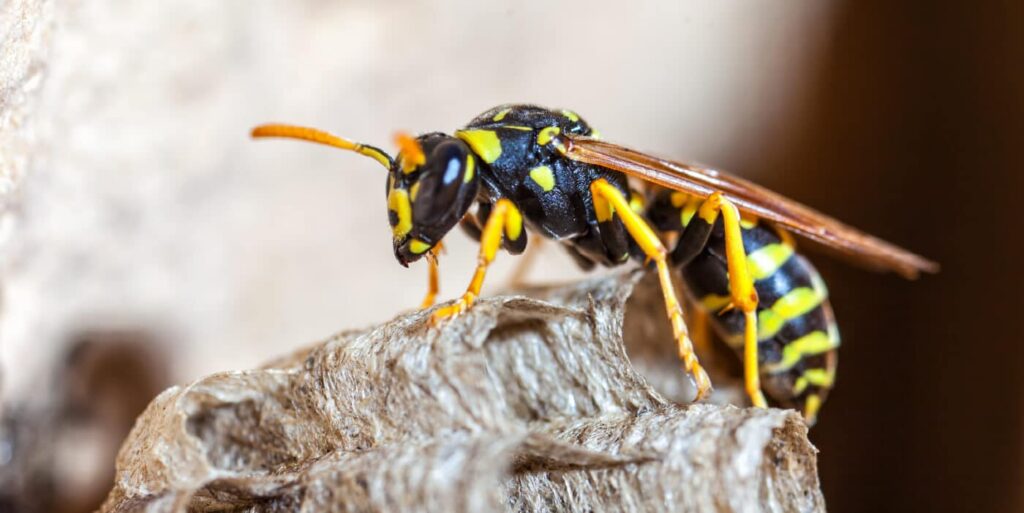
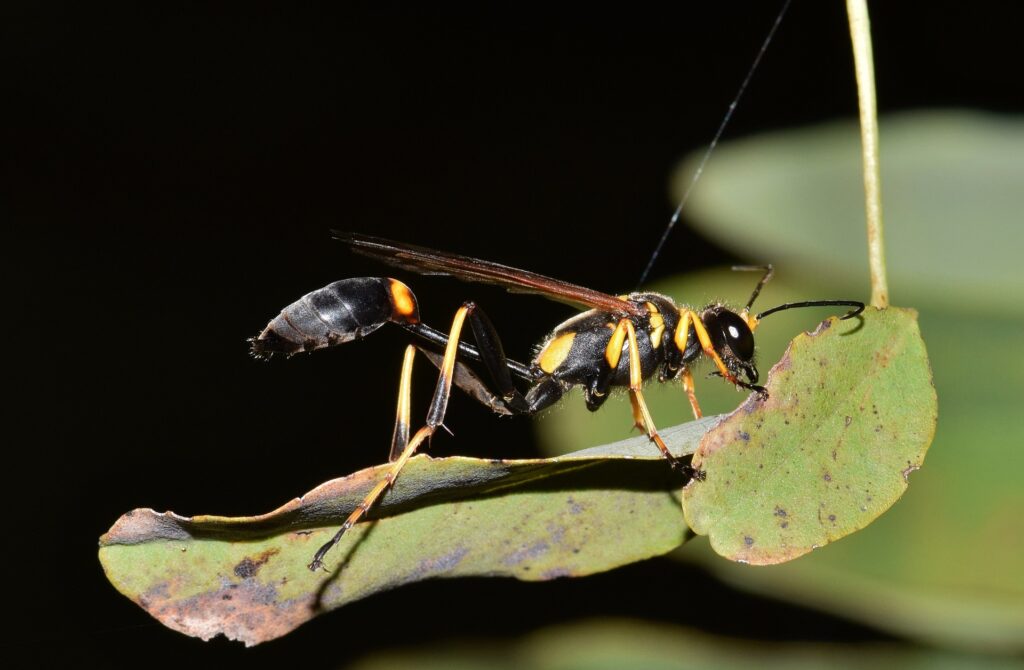
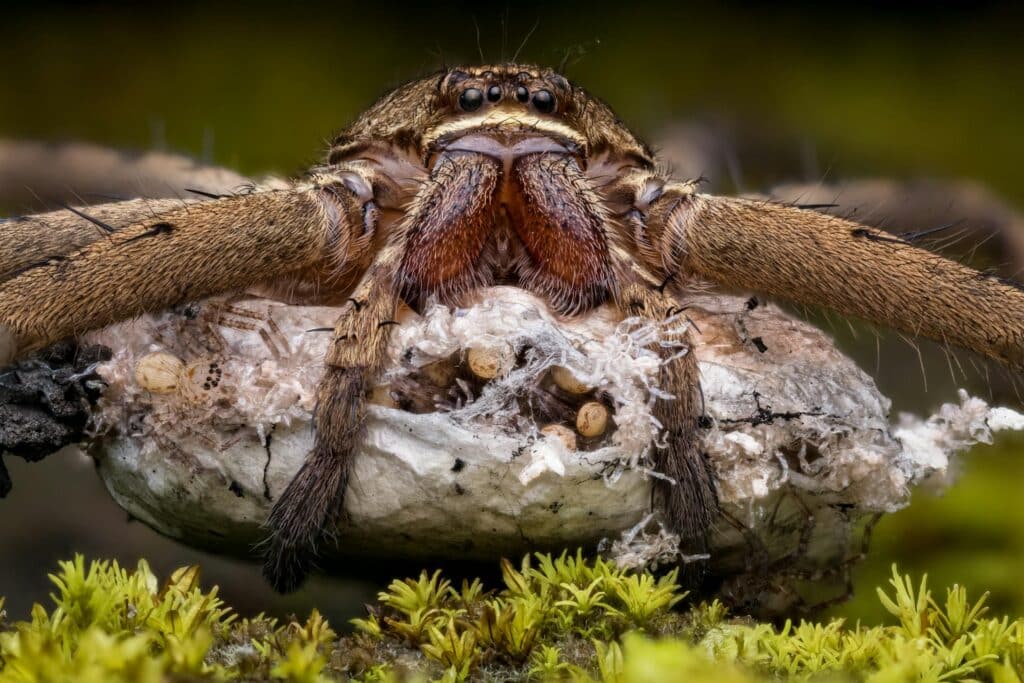
Multiple pest species demonstrate strong attraction to compost environments, with population establishment depending on waste composition, moisture management, and structural configuration.
- Fruit flies: Drosophila melanogaster and related species measuring 2-4mm colonize fermenting fruit and vegetable waste within 24-48 hours of exposure, with females depositing 400-500 eggs during 30-day lifespans that create exponential population growth under favorable conditions.
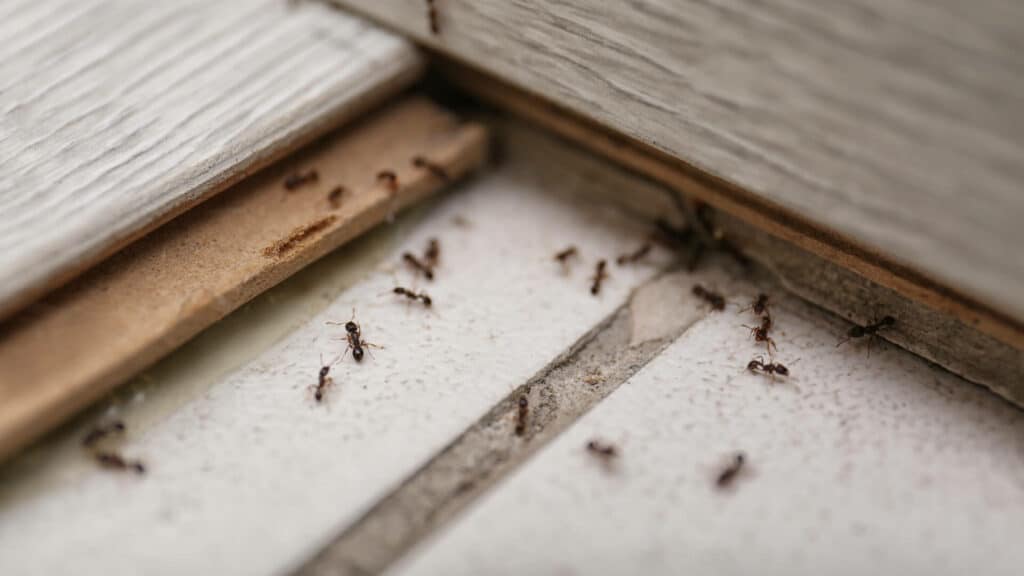
- Ants: Various ant species including odorous house ants (Tapinoma sessile) and pavement ants (Tetramorium caespitum) colonize compost piles demonstrating moisture content below 40%, constructing nest galleries within material layers and foraging on protein-rich waste components.
- Cockroaches: American cockroaches (Periplaneta americana) and Oriental cockroaches (Blatta orientalis) measuring 25-40mm exploit compost systems in warm climates (temperatures consistently above 20°C/68°F), with populations establishing when organic waste accumulates without adequate maintenance.
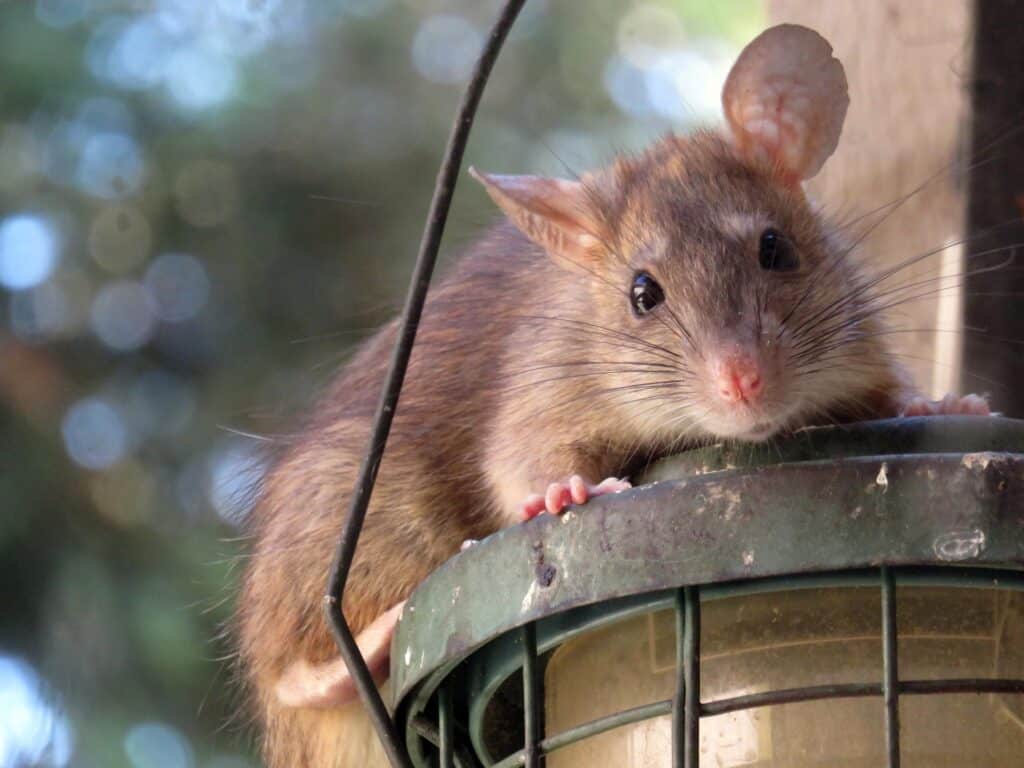
- Rodents: House mice (Mus musculus) and Norway rats (Rattus norvegicus) demonstrate strong attraction to compost containing meat scraps, dairy products, grains, or cooked foods, with breeding populations establishing within compost structures creating dispersal pressure toward adjacent buildings.
- Carrion beetles: Family Silphidae measuring 10-35mm colonizes compost containing protein-rich materials, providing beneficial decomposition services in appropriate numbers but potentially indicating excessive meat or animal product inclusion when populations become abundant.
- House flies: Musca domestica measuring 6-9mm deposits eggs in moist organic waste, with larvae (maggots) developing through three instars over 3-7 days before pupating, creating sanitation concerns and annoyance when adults emerge in large numbers near structures.
Helpful Insects in Compost
Numerous arthropod species provide essential decomposition services that accelerate nutrient cycling without creating pest management concerns, requiring protection during compost maintenance activities.
- Springtails: Order Collembola includes thousands of species measuring 1-6mm that consume fungal hyphae, bacteria, and decaying plant material, with populations reaching 50,000-100,000 individuals per cubic meter in healthy compost systems.
- Millipedes: Class Diplopoda demonstrates detritivorous feeding on partially decomposed plant matter, fragmenting organic material into smaller particles that increase surface area for microbial colonization and accelerated decomposition.
- Earthworms: Multiple species including red wigglers (Eisenia fetida) and European nightcrawlers (Eisenia hortensis) consume organic matter while producing nutrient-rich castings, with populations of 1,000-2,000 worms processing 3-4 kg of waste weekly in optimized vermicomposting systems.
- Rove beetles: Family Staphylinidae includes predatory species controlling fly larvae and other pest populations within compost, providing biological control services that reduce nuisance pest emergence.
- Soldier fly larvae: Hermetia illucens larvae measuring 15-20mm consume diverse organic waste rapidly and efficiently, with mature populations reducing compost volume by 50-80% while preventing house fly colonization through competitive exclusion.
Compost’s Impact on Your Home
Improper compost placement and inadequate containment create direct pathways enabling pest populations to migrate from decomposition sites into residential structures.
Compost bins positioned within 5-10 meters of building foundations enable rodents and crawling insects to establish compost-based populations while maintaining easy access to structural entry points. Populations establishing in compost during favorable seasons demonstrate dispersal behavior when conditions change, with rodents seeking indoor harborage during temperature extremes and insects entering structures attracted by lighting or environmental conditions.
Flies emerging from compost systems access food preparation areas through open doors and windows, depositing pathogens acquired from decomposing waste onto food contact surfaces. Rodent populations utilize compost as primary food sources while establishing satellite nest sites in garages, sheds, or structural voids, creating disease transmission risks through contaminated droppings and urine.
Compost Pest Control: Staying Informed
Strategic compost management practices substantially reduce pest colonization while maintaining decomposition efficiency through material selection, moisture control, and structural configuration.
- Eliminating meat, dairy, oils, cooked foods, and pet waste from compost removes primary attractants for rodents, flies, and cockroaches while maintaining adequate nitrogen sources through vegetable scraps and coffee grounds.
- Maintaining C:N ratios of 25-30:1 through layering brown materials (dried leaves, paper, cardboard) with green materials (fresh plant waste, food scraps) creates conditions favoring beneficial decomposers while reducing moisture and odors attracting pest species.
- Regulating moisture content to 40-60% through material layering and drainage provision prevents anaerobic conditions producing odors that attract flies while avoiding desiccation that encourages ant colonization. Rotating compost materials every 3-7 days disrupts pest establishment, aerates pile contents to maintain aerobic decomposition, and exposes pest eggs and larvae to desiccation and predation.
Get the Help You Need
Professional pest control services can identify specific pest species colonizing compost systems, distinguishing between beneficial decomposer organisms requiring protection and problematic species necessitating population reduction or elimination. Expert assessment can help evaluate compost composition, placement, and management practices determining whether current protocols may require modification.
If you’re observing increased pest activity around compost systems, discovering rodents or insects migrating from compost areas toward your home, or need expert guidance from a pest control service for optimizing compost management practices to minimize pest attraction, contact Aptive today for a free quote.