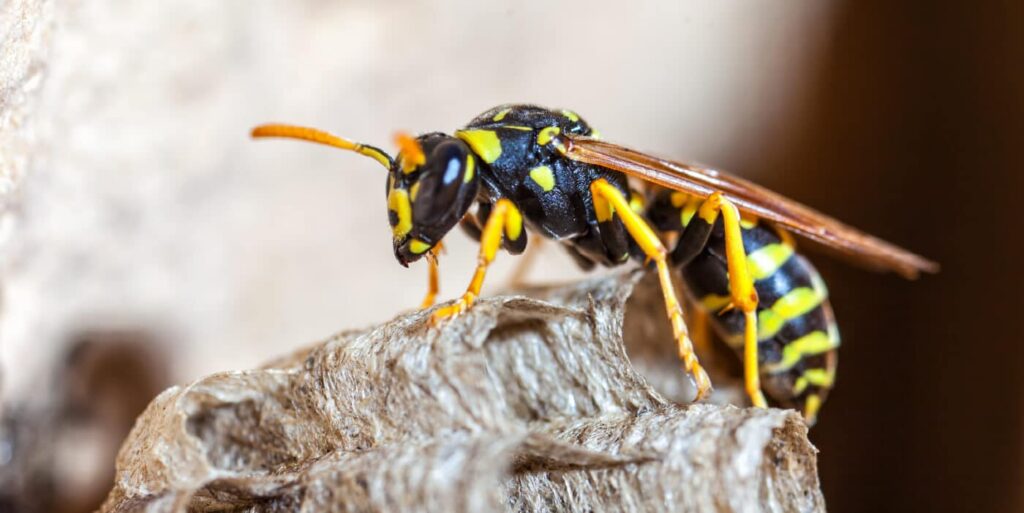
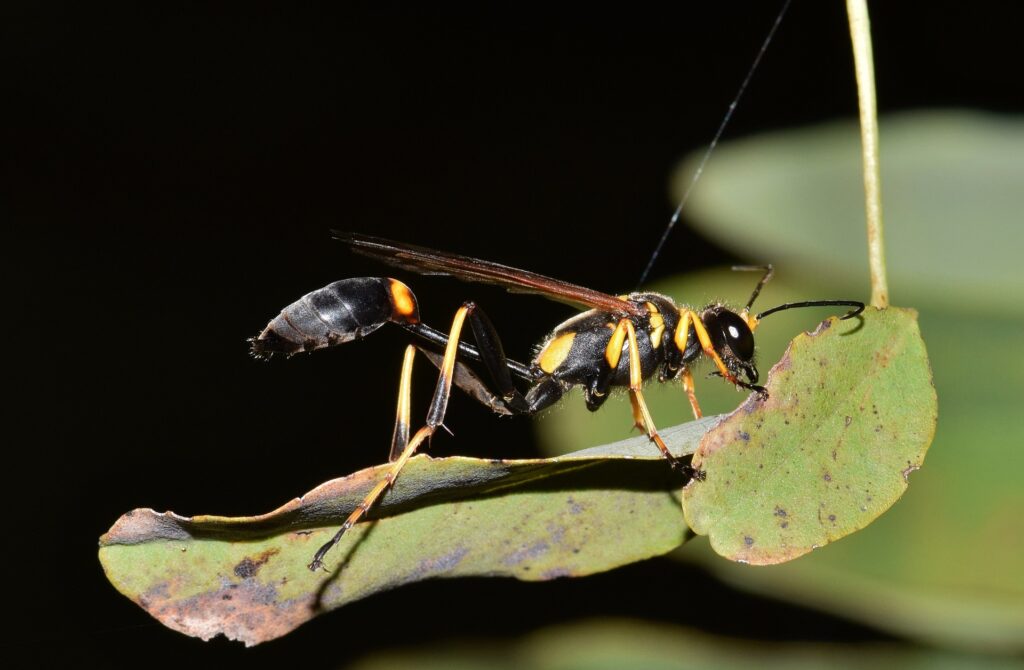
You’ve just received the keys to your brand-new home, complete with fresh paint, pristine landscaping, and the satisfaction of being the first occupant of an untouched living space. Within weeks of moving in, however, you discover ant trails across your kitchen counters, notice spider webs forming in corners, and hear scratching sounds within walls that should be completely sealed.
This scenario illustrates why understanding pest control issues in new homes becomes essential for protecting your investment from the earliest stages of occupancy. New construction creates unique vulnerabilities and attraction factors that require proactive pest control strategies designed specifically for recently completed properties and their surrounding environments.
Why Pests Target Brand-New Homes
The building process creates significant environmental disruptions that can trigger pest movement patterns and establish conditions favoring infestation development around new properties. Understanding these factors helps homeowners anticipate and address pest pressure during vulnerable early occupancy periods.
Site preparation activities including excavation, grading, and vegetation removal destroy existing pest habitats while forcing displaced populations to seek alternative shelter locations. Soil disturbance exposes underground insect colonies and nesting sites, triggering immediate relocation behaviors toward nearby structures. Construction machinery and material storage create temporary shelter opportunities that concentrate pest populations near building sites.
Early building stages leave structures partially enclosed with numerous temporary openings that provide pest access before final sealing occurs. Foundation work creates voids and gaps that may remain unsealed until later construction phases, enabling pest establishment in structural cavities. Roofing and siding installation phases often leave temporary access points that allow pest entry during critical establishment periods.
Common New House Pests
Newly built homes attract specific pest species that exploit construction-related vulnerabilities and environmental changes created during the building process. Understanding these common invaders helps prioritize prevention and early detection efforts.
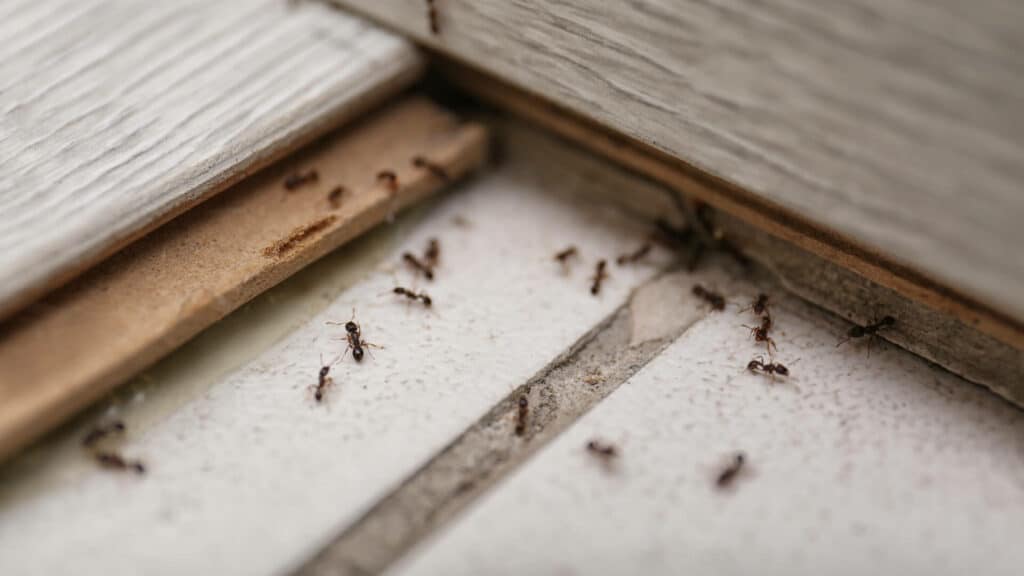
Ants and social insects: Site excavation frequently disrupts underground ant colonies, forcing workers and reproductive individuals to establish new territories in nearby areas including fresh foundations and wall voids. Construction materials including lumber, insulation, and stored supplies provide temporary nesting opportunities that may become permanent if left undisturbed during building completion.
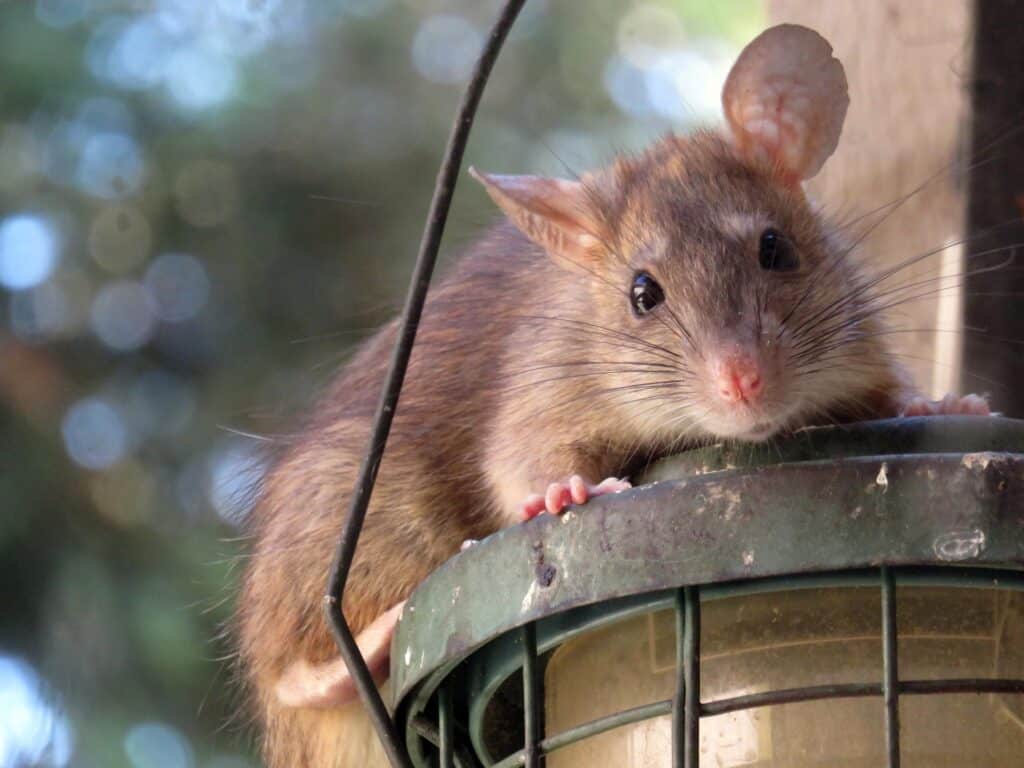
Rodents seeking shelter: New developments in previously undeveloped areas often displace established mouse and rat populations that seek alternative shelter in partially completed structures. Construction noise and activity in surrounding areas can drive rodents toward new buildings offering quieter, more secure harborage opportunities.
Wood-destroying organisms: Fresh lumber and construction materials may harbor termites, carpenter ants, or powder post beetles introduced during material transportation and storage. Moisture from construction activities including concrete curing, paint application, and weather exposure creates favorable conditions for wood-destroying pest establishment.
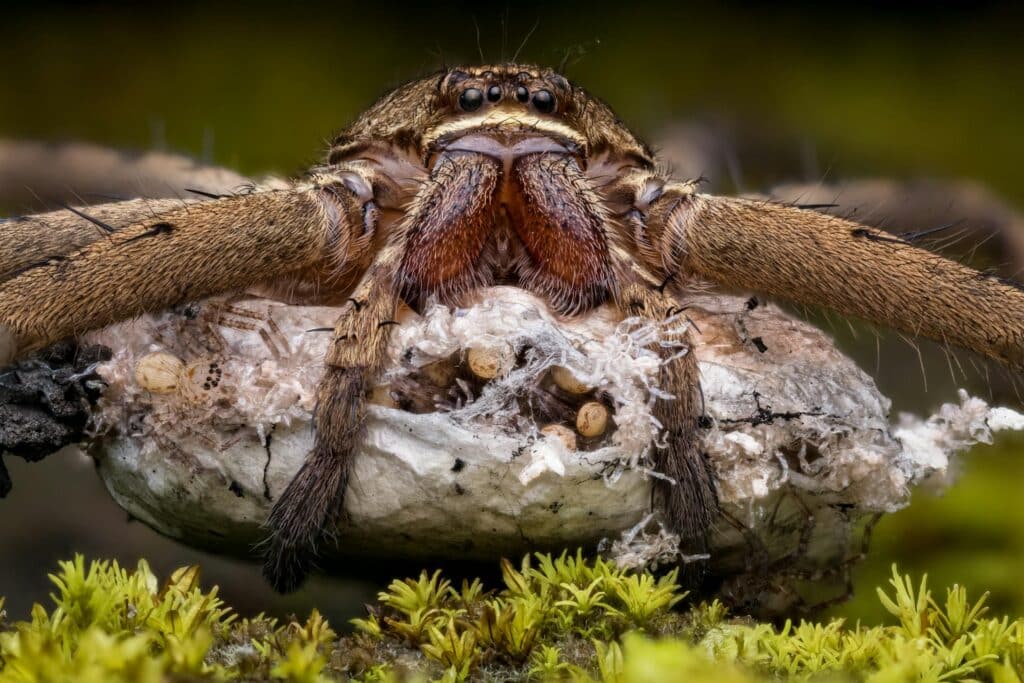
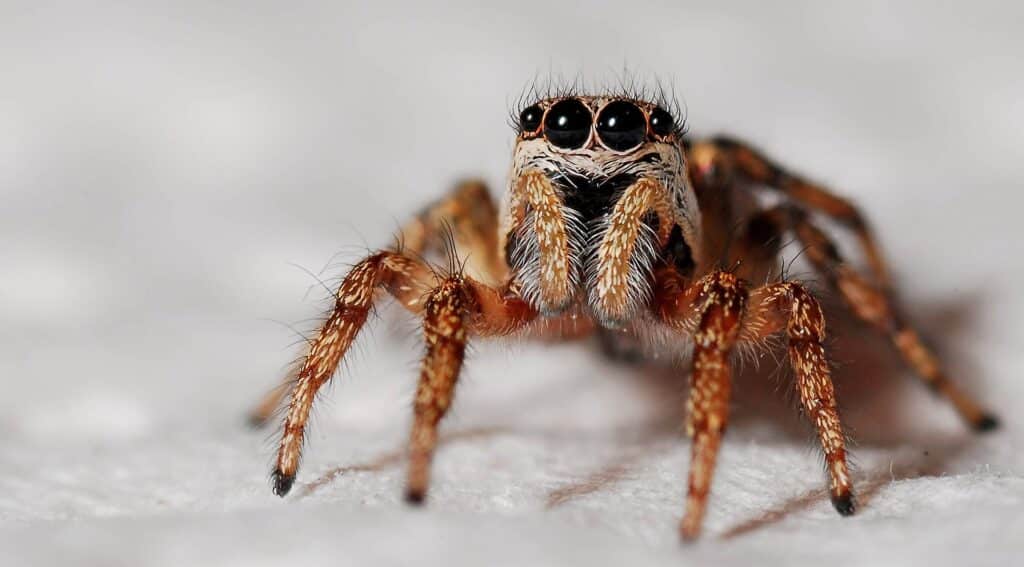
Spiders and opportunistic predators: Construction sites often experience temporary increases in flying insect populations attracted to construction lighting and disturbed vegetation, which subsequently attracts spider populations seeking abundant prey sources. These predatory species may establish territories in new structures and remain after prey populations stabilize.
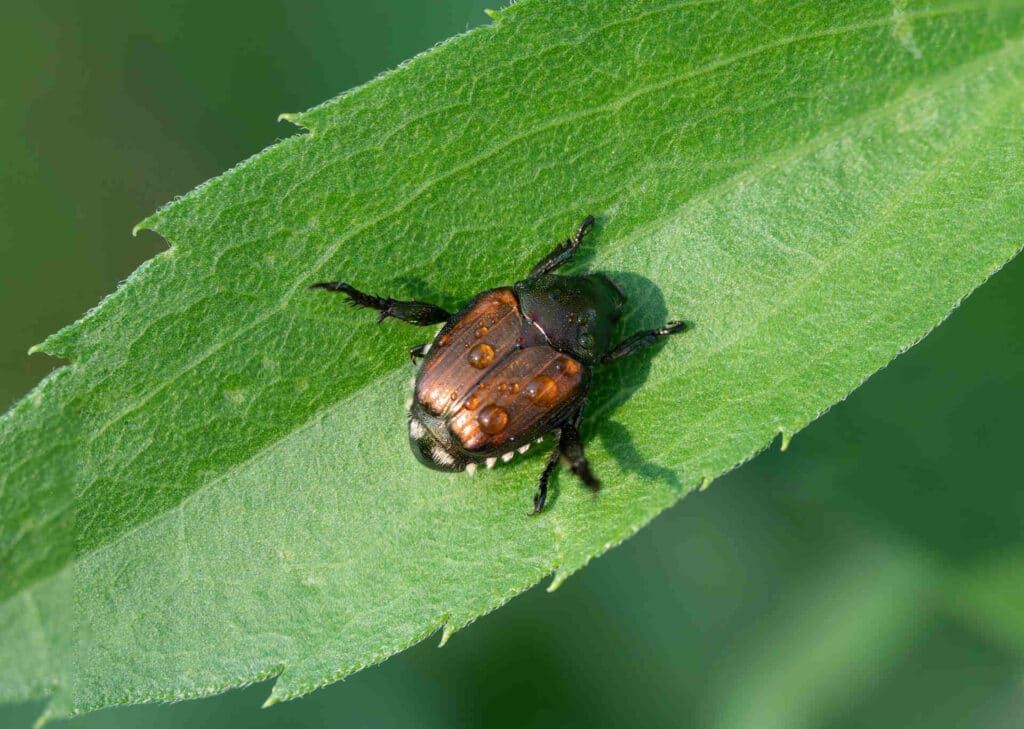
Occasional invaders: Species including earwigs, crickets, and various beetles may be attracted to construction sites by lighting, moisture, and temporary food sources, subsequently moving into completed structures seeking continued resources.
How Construction Creates Pest Pathways
New home construction creates numerous access opportunities through temporary openings, structural gaps, and installation processes that may inadvertently provide pest entry routes requiring post-construction sealing and monitoring.
Foundation vulnerabilities:
- Utility penetrations: Plumbing, electrical, and gas line installations create openings that may receive inadequate sealing during initial construction.
- Expansion joints: Required structural gaps for thermal movement may lack proper pest exclusion barriers.
- Drainage systems: Foundation drains and waterproofing systems can provide pest access if screening or sealing proves inadequate.
- Form tie holes: Concrete form hardware removal may leave voids requiring filling to prevent pest entry.
Structural opening patterns:
- Siding and trim gaps: Installation clearances around windows, doors, and trim work may create access points if caulking proves insufficient.
- Roof penetrations: Vent installations, chimney flashings, and utility penetrations require careful sealing to prevent pest access.
- HVAC connections: Ductwork installations and equipment connections may contain gaps enabling pest movement between building areas.
- Electrical installations: Outlet boxes, panel installations, and conduit penetrations can provide access to wall voids if sealing remains incomplete.
New landscaping placed directly against foundation walls creates moisture retention and pest harborage opportunities. Mulch installations, irrigation systems, and plant placements may inadvertently provide pest pathways toward structural entry points. Grading and drainage work can create depression areas where water and organic matter accumulate, attracting pest populations near building foundations.
Location and Seasonal Impact
New home locations and timing of construction completion significantly influence pest pressure levels and species composition that affect early occupancy experiences. Understanding these factors enables appropriate prevention timing and strategy selection.
Geographic risk assessment: Properties built near agricultural areas, woodlands, or water sources typically experience higher pest pressure due to existing population densities and displacement effects. Urban infill construction may encounter different pest species adapted to developed environments, while suburban expansion developments often face rural pest populations seeking new territory.
Seasonal activity patterns: Spring construction completion coincides with peak insect reproduction and dispersal activities that increase colonization pressure on new structures. Summer completion exposes properties to maximum pest activity levels when most species demonstrate peak foraging and territory establishment behaviors. Fall occupancy may experience increased rodent pressure as outdoor populations seek winter shelter in newly available indoor environments.
Microclimate development: New landscaping and irrigation systems create moisture gradients and vegetation cover that gradually attract and support increasing pest populations over time. Maturing landscape plantings provide expanding harborage and food sources that may increase property pest pressure during the first growing seasons.
Construction season impacts: Building during peak pest activity periods increases likelihood of pest establishment during construction phases. Weather conditions during construction influence pest attraction levels and species activity patterns around building sites.
Long-Term Benefits of Starting Early
Implementing pest control measures from initial occupancy provides cumulative advantages that protect property values and prevent costly remediation requirements associated with established pest problems.
Proactive intervention advantages: Early detection and elimination of pest problems prevents population establishment and territory expansion that becomes increasingly difficult and expensive to address over time. Immediate sealing of construction gaps and entry points prevents exploitation by pest species that may establish multi-generational infestations in structural voids.
Documentation and monitoring benefits: Establishing professional pest control services from occupancy creates service records that demonstrate ongoing property maintenance for insurance and resale purposes. Regular monitoring enables detection of environmental changes or emerging pest pressure before problems reach damaging levels.
Integrated landscape management: Coordinating pest control with landscape establishment enables selection of plant materials and design features that minimize pest attraction while maintaining aesthetic and functional goals. Early intervention in landscape pest problems prevents establishment of breeding populations that affect both outdoor and indoor environments.
Property value protection: Preventing structural damage from wood-destroying pests and avoiding contamination from rodent or insect infestations maintains property condition and market value. Professional pest control documentation provides evidence of preventive maintenance that appeals to potential buyers.
Get Started with Pest Control
For comprehensive control of new home pest problems, professional pest control services offer the most effective solutions. These pest control experts can identify construction-related vulnerabilities and implement targeted treatment strategies that address both immediate pest activity and long-term prevention needs.
Aptive can develop a customized treatment plan starting with a free quote to help you address construction vulnerabilities and environmental factors specific to your new property.
FAQs About Pests in New Homes
Here are some commonly-asked questions about the pests that tend to invade new homes.
Q: What are the most common types of pests in new homes?
The most common new home pests include ants displaced by construction excavation, rodents seeking shelter after habitat disruption, and spiders attracted to temporary insect populations around building sites. Wood-destroying organisms like termites may be introduced through construction materials, while occasional invaders including earwigs, crickets, and beetles often appear during landscaping installation. Construction timing influences specific species, with spring builds experiencing higher insect pressure and fall completion attracting winter-seeking rodents.
Q: When do I know if I have a pest problem in my new home?
Signs of new home pest problems include visible insects or droppings near entry points, unexplained damage to stored items or structural materials, and unusual sounds within walls or ceiling areas. Fresh pest activity often appears within weeks of occupancy as displaced populations explore new territory. Multiple sightings of the same species, evidence of nesting materials, or pet behavioral changes focusing on specific areas typically indicate established populations requiring immediate intervention rather than isolated incidents.
Q: Can I take care of the pests in my new home on my own?
While minor pest issues may respond to DIY treatments, new home pest problems often involve structural vulnerabilities and displaced populations requiring professional expertise. Construction-related entry points, hidden access routes, and species identification challenges typically exceed homeowner capabilities. Additionally, warranty concerns and property protection make professional treatment advisable for new construction. Early professional intervention prevents small problems from becoming major infestations while ensuring proper sealing and long-term prevention strategies.