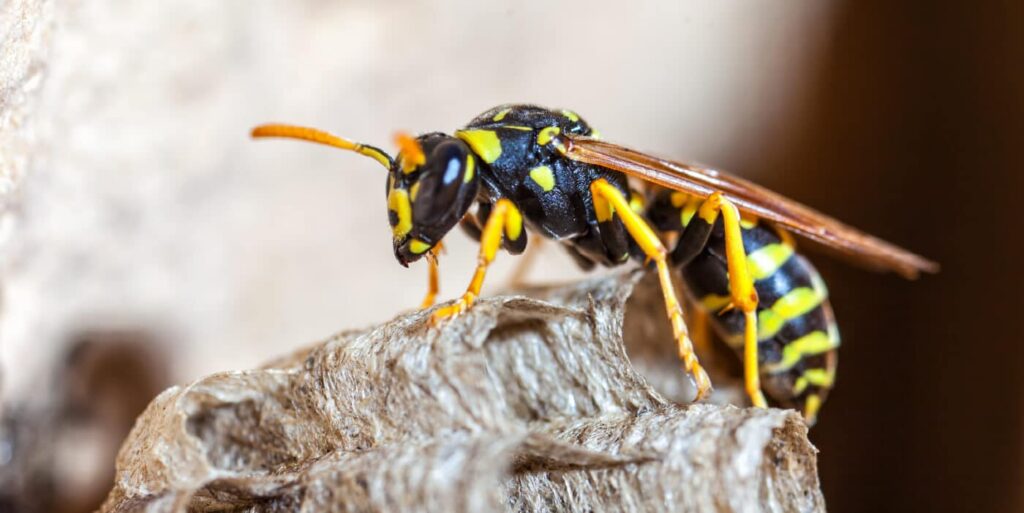
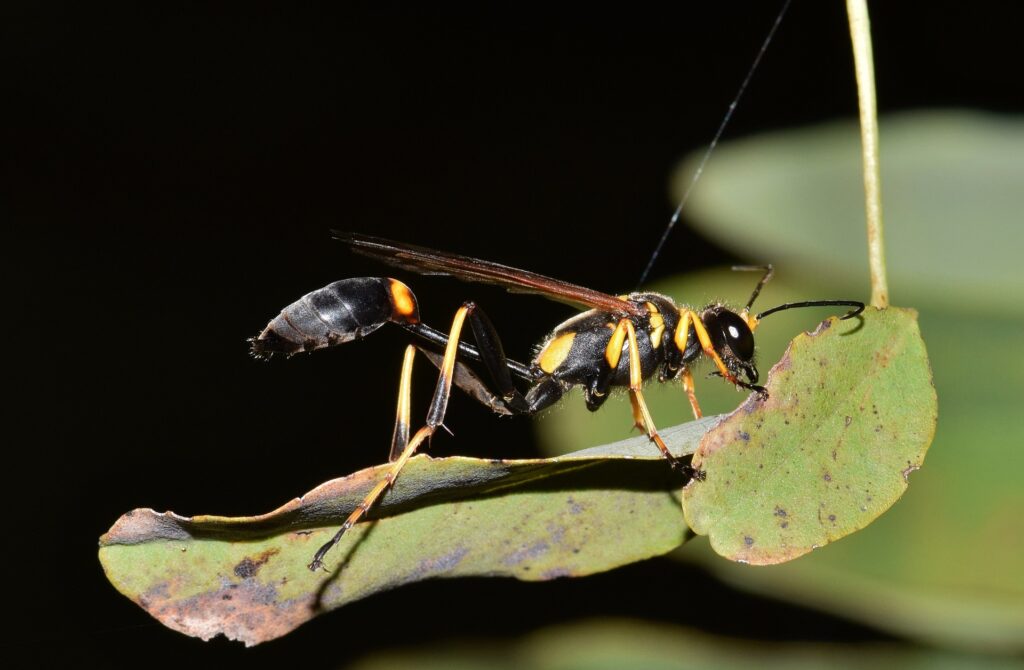
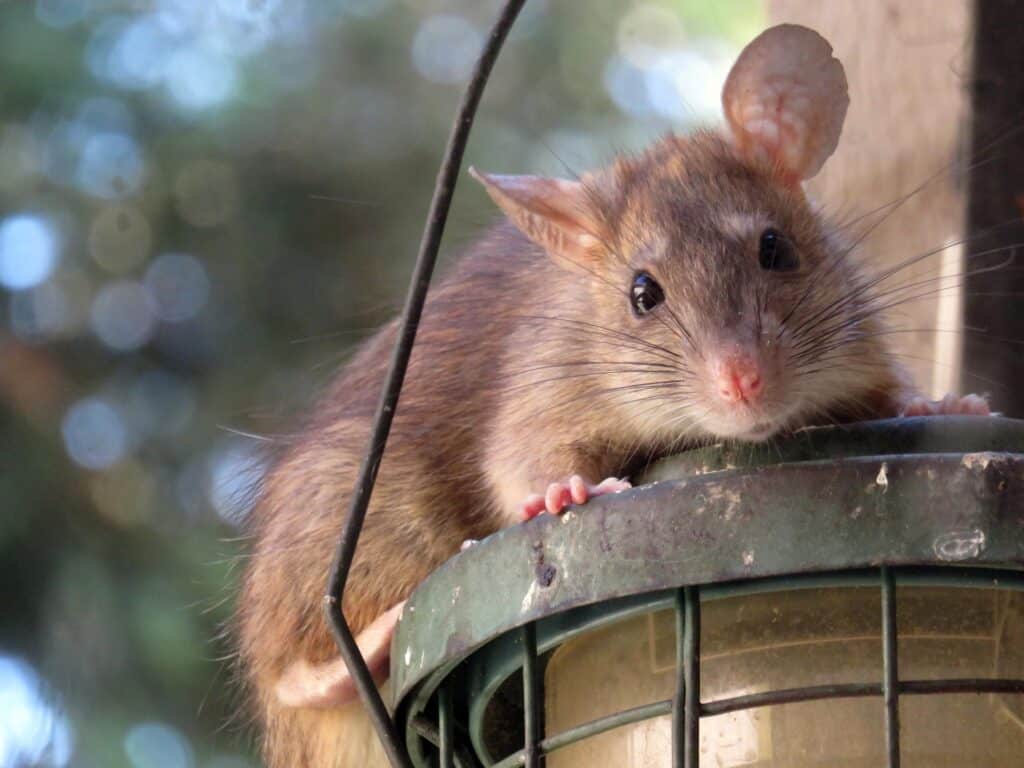
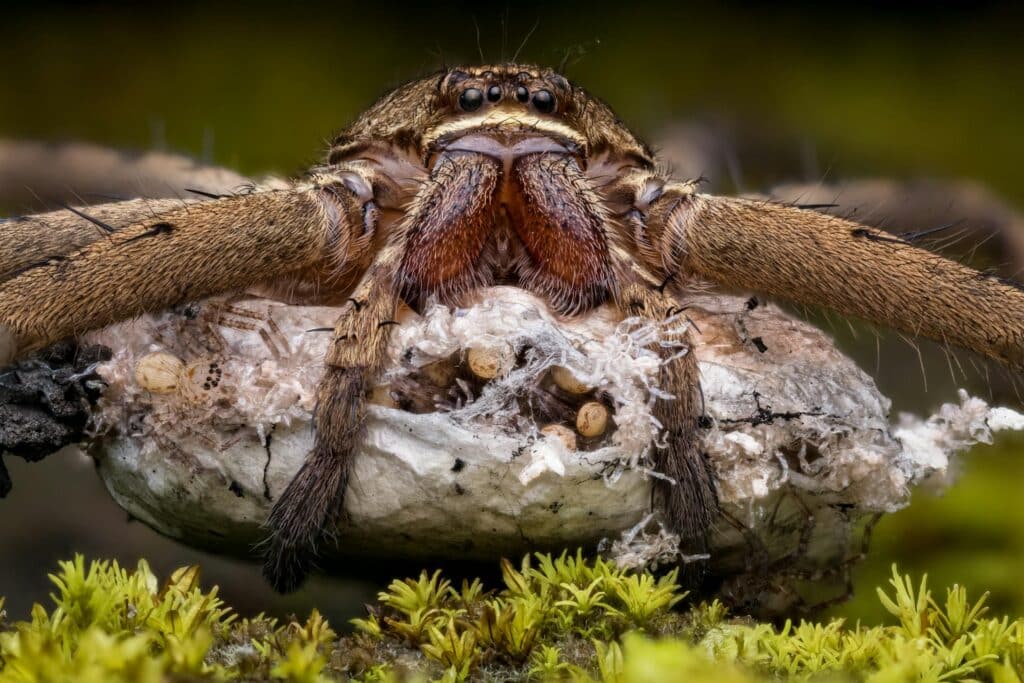
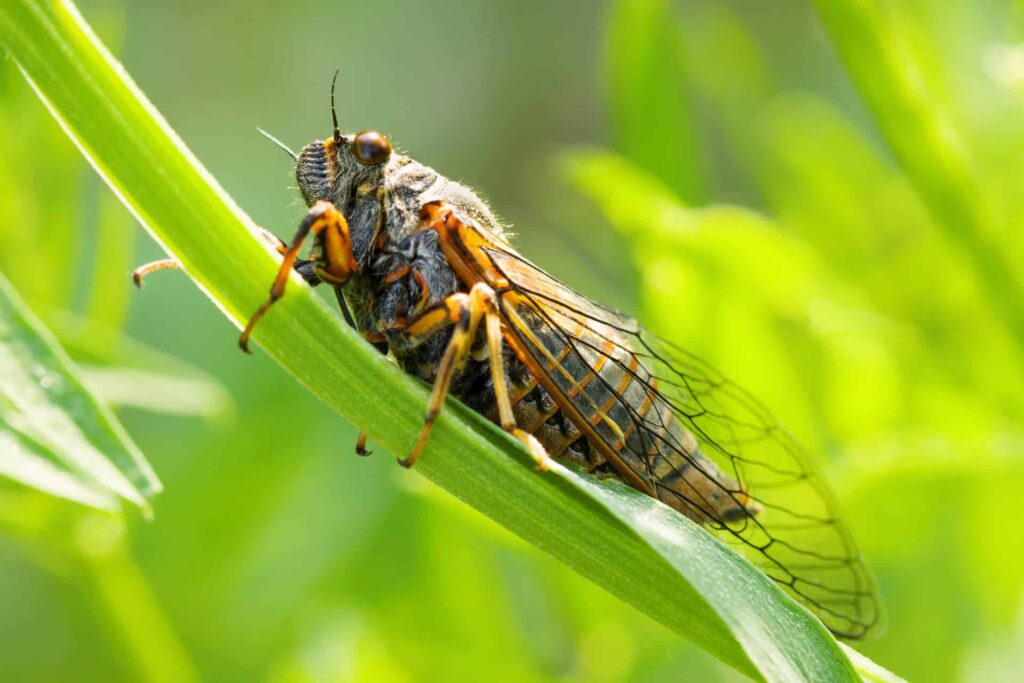
After spending days tending to your garden, there's nothing more disheartening than waking up to pest-ridden plants. If not properly protected, bugs like aphids, caterpillars, snails and earwigs can attack a well-groomed garden overnight. The damage these gardening bugs can cause varies, but it ranges from nibbling at a few leaves at best, to destroying a crop at the worst. If your garden is often affected by these destructive bugs, consider using some of these gardening hacks to prevent unwanted pests.
What is Organic Gardening Bug Control?
Organic pest control is the method of protecting your garden from harmful gardening bugs by using all-natural products in place of synthetic chemicals. Synthetic pesticides are toxic to our bodies as they leave dangerous chemical residues on plants and can contaminate your garden's soil and groundwater. Instead, organic bug control offers an environmentally friendly solution and prevents the spreading of these toxic chemicals to children and pets. Several organic gardening hacks are known to prevent pests from destroying your plants and stop the spread of toxic chemicals.
Organic Gardening Hacks
Coffee grounds
The use of coffee grounds in your garden is best for warding off snails and slugs, two types of pests that are notorious for eating flower buds and leaving small holes in leaves and fruit. To properly utilize this form of organic pest control, rinse the coffee grounds before spreading them lightly near the base of plants and around the edges of your garden. Not only will this gardening hack deter pests, but it will also act as an effective fertilizer. Coffee grounds can be harmful to plants in large quantities, however, so we recommend using them sparingly.
Eggshells
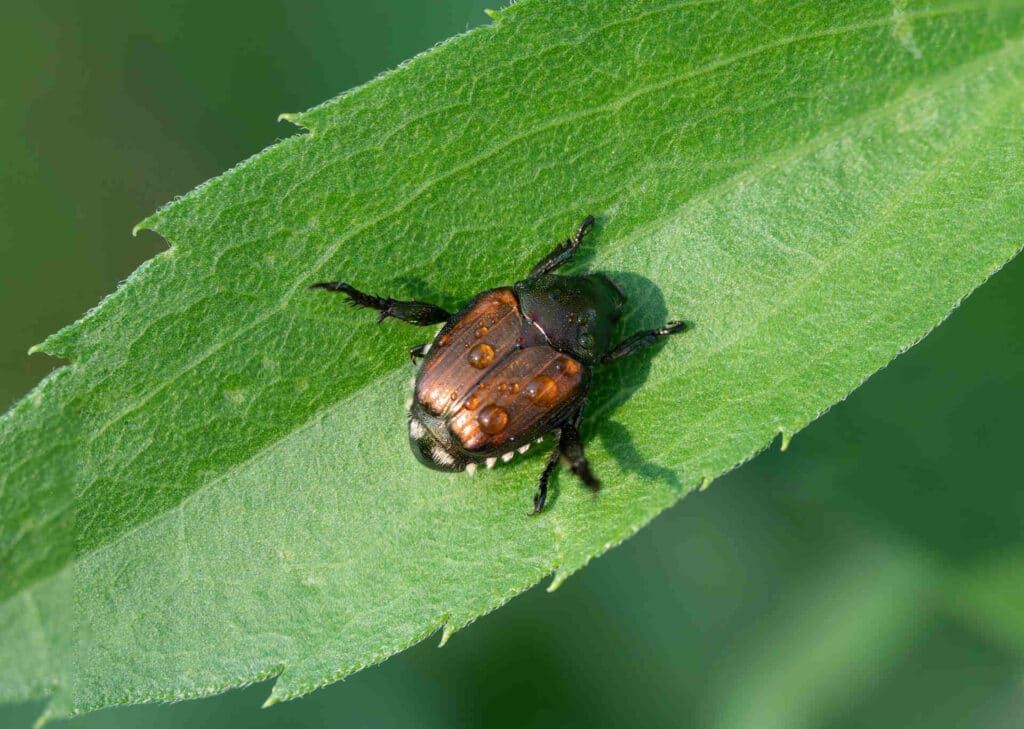
Eggshells are one of the simplest and most natural forms of pest control available. To prevent gardening bugs like slugs, beetles, and cutworms from destroying your plants, crush up empty eggshells and spread them over the soil. These small, sharp bits will thwart insects' attempts to crawl through your garden and will give your plants an extra dose of calcium once they decompose.
Herbs
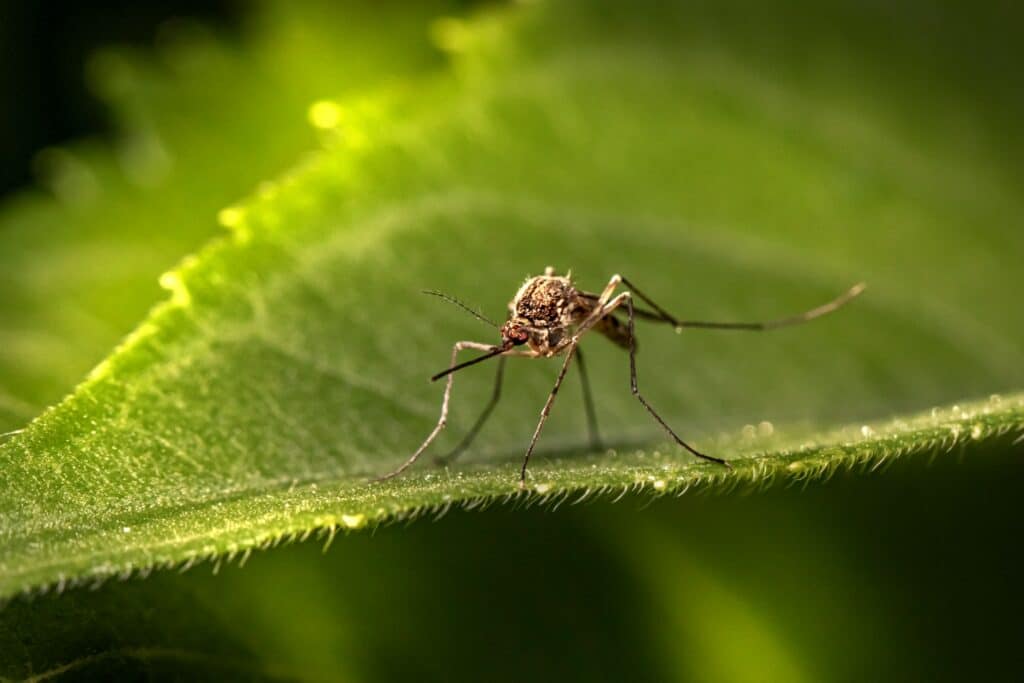
Mosquitos are drawn to wet, hot climates, so gardens in the southeastern United States are often overrun with these annoying pests. Fortunately, certain herbs can help repel mosquitoes from your garden. Catnip, believed to be over ten times more effective than the main ingredient used in bug spray, is an especially powerful herb that doubles as a mosquito repellent. Other useful herbs include mint, basil, and lemon balm, which when grown near other plants, successfully help prevent mosquitoes from attacking your garden.
Row covers
You may have only seen row covers used at your local nursery, but this protective covering is a great tool for safeguarding your residential garden, as well. To shield smaller plants from insects and wandering animals, employ row covers in your garden to protect plants from pests while still letting light pass through. Simply drape the gauze-like fabric over plants and secure with posts, sandbags, or rocks. While not a permanent solution, this is a relatively inexpensive gardening hack to keep smaller plants safe from bugs.
Neem oil
Neem oil is an all-natural insecticide and one of the best gardening hacks for preventing pests. Neem oil can be used on food and kills unwanted insects without leaving behind dangerous residue on plants and in soil. This insecticide is mostly harmless to animals, so your pets should not be affected. Neem oil is most effective when plants are young, but it can help prevent unwanted gardening bugs at any stage of a plant's life.
Soap sprays
While soap sprays can't prevent hard-bodied bugs like beetles from invading your garden, they protect against aphids, chiggers, fleas, earwigs, and mites. An easy soap spray mixture can be made by combining two teaspoons of cooking oil and dishwashing soap with one cup of water. Some tips for using soap sprays: spray plants with soap mixture in the morning or on cloudy days to prevent them from burning. Additionally, spray a small portion on each plant and leave for 24 hours to see how it reacts. Soap sprays can be a powerful form of bug control, but not all plants are tolerant to the chemicals.
Essential oils
While scents like lavender, peppermint, and rosemary repel certain pests, orange and cedar wood kill the widest variety of gardening bugs. As a preventative measure, add 10-20 drops of oil for every gallon of water before watering. If you're already doing damage control, simply add a few drops to a spray bottle and spray the affected areas.
Common kitchen ingredients
If you don't have access to some of the other gardening hacks on this list, consider looking around your kitchen for this cheap and organic gardening bug control solution. Creating a concentrated mixture of garlic, cinnamon, cloves, and hot peppers will help ward off common gardening bugs, as well as small rodents that feed on fruitful gardens. Simply spray the mixture over plants in the early evening and repeat every 3-5 days.
Of course, not all gardening bugs are harmful to your harvest. Some bugs help prevent the spread of destructive garden pests. While these organic gardening hacks are successful in killing unwanted bugs, once you notice damage has been done to your plants, it’s important to act swiftly to prevent further damage from occurring. Our team of pest experts specializes in providing effective pest control for even the toughest of garden bugs. Call your local Aptive Pest Control branch to learn how you can rid your garden of pests once and for all.