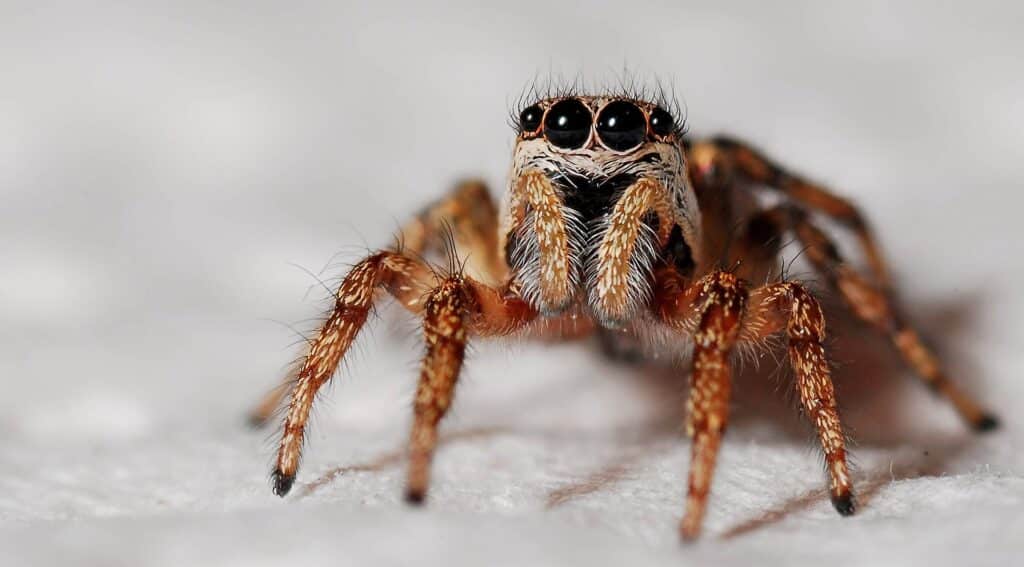
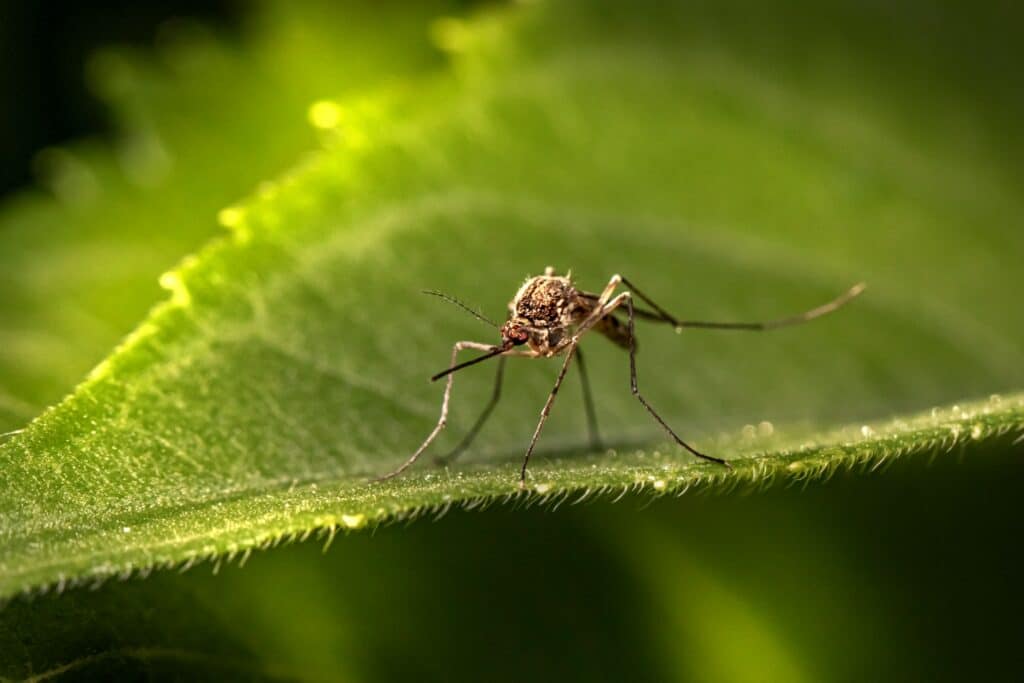
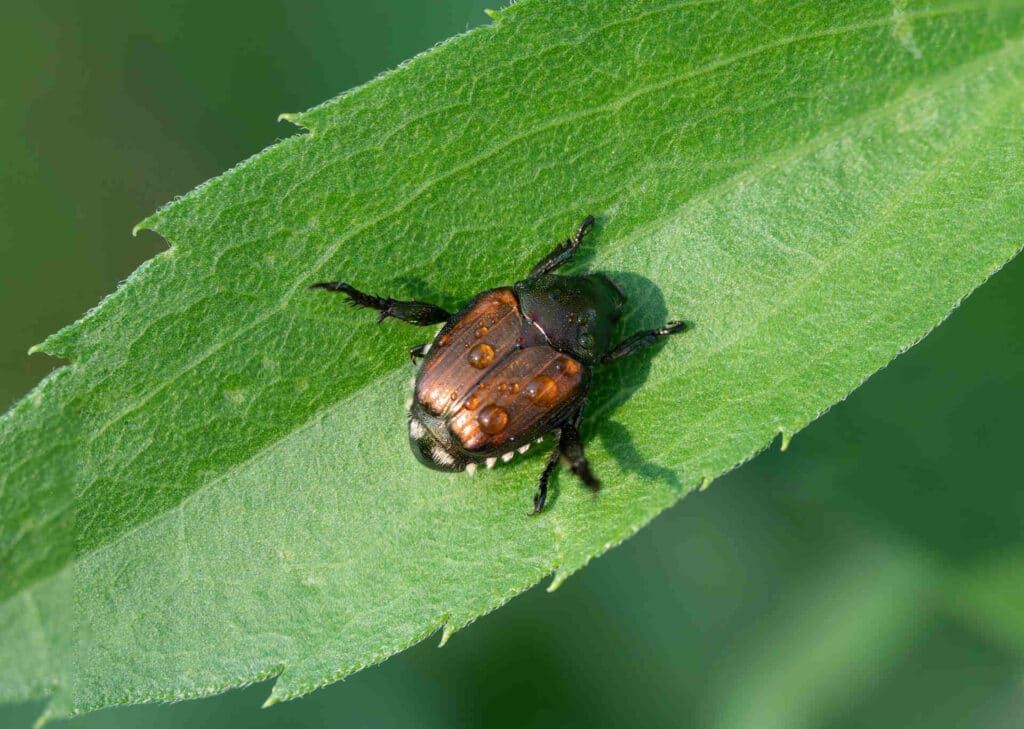
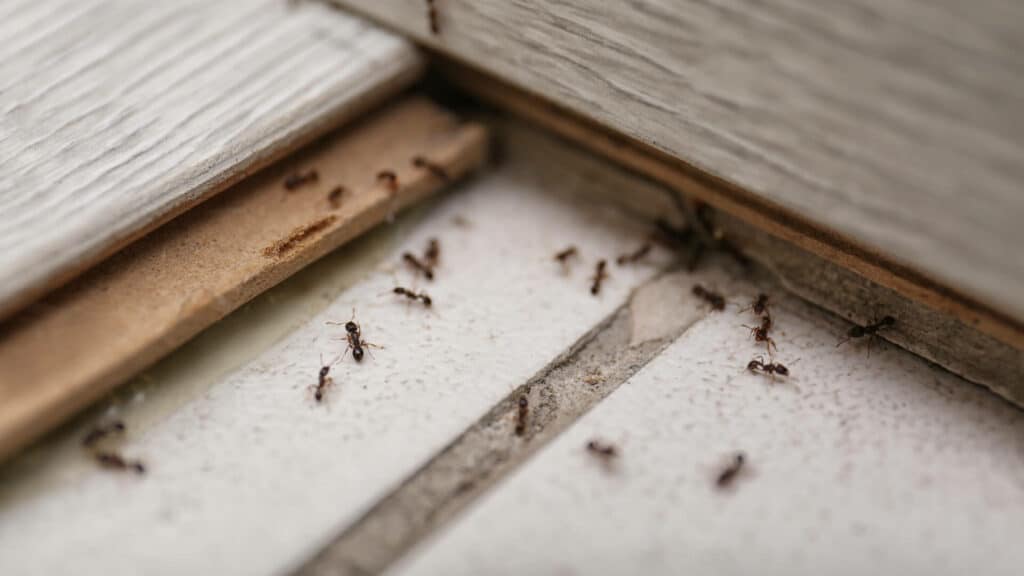
You maintain meticulous cleanliness in your third-floor apartment, keep windows sealed, store food in airtight containers, and ensure your entry door locks securely each evening. Despite these precautions, you continue discovering unwelcome visitors—a cockroach scurrying across your bathroom floor, ants marching along kitchen baseboards, or silverfish darting behind your bedroom furniture.
This common scenario highlights the complex realities of apartment pest control where traditional sealing methods often prove inadequate against the numerous hidden pathways that connect individual units to building-wide infrastructure systems. Understanding these entry routes helps residents develop more effective pest control strategies that address the unique challenges of multi-unit housing environments.
Sealed Doesn’t Mean Impenetrable
Modern apartment buildings contain extensive hidden infrastructure that creates numerous pest entry opportunities through interconnected systems designed for utilities, ventilation, and structural support. These pathways often remain invisible to residents while providing highway networks for pest movement throughout buildings.
- Hidden infrastructure systems: Plumbing chases, electrical conduits, and HVAC ductwork create vertical and horizontal passages connecting multiple units and building levels. Cable and internet wiring channels provide additional travel routes that often lack proper sealing at connection points. Shared wall voids between adjacent units enable lateral pest movement without external access requirements.
- Construction gap realities: Even new construction contains numerous small openings where different building materials meet, around utility penetrations, and at structural joints. These gaps may measure less than 1/8 inch but still accommodate most household pest species. Settlement and thermal expansion can create additional openings over time as buildings age and materials shift.
- Multi-unit connectivity factors: Shared ventilation systems link apartments through ductwork that may lack adequate screening or filtration. Common areas including laundry rooms, storage spaces, and utility closets often connect to individual units through infrastructure pathways. Building design priorities typically emphasize functionality over pest exclusion, leaving vulnerability gaps in otherwise secure-appearing structures.
Common Ways Pests Enter Closed Apartments
Apartment pests typically gain access through specific vulnerable areas that combine structural weaknesses with attractive environmental conditions. Understanding these entry patterns helps residents focus prevention efforts on the most critical vulnerability points.
Plumbing penetration sites:
- Kitchen and bathroom fixtures: Gaps around pipes beneath sinks, behind toilets, and near water heaters provide direct access from wall voids.
- Washing machine connections: Utility rooms often contain poorly sealed openings around water and drain lines.
- Hot water system access: Pipes carrying heated water attract pests like cockroaches or spiders seeking warmth while providing entry routes.
- Shared plumbing infrastructure: Connected systems enable pest travel between units through common pipe chases.
Utility and electrical pathways:
- Outlet and switch installations: Electrical boxes create openings into wall voids with minimal sealing around fixtures.
- Cable and internet entry points: Multiple communication lines often share poorly sealed access holes.
- Ventilation connections: Bathroom fans, kitchen exhausts, and HVAC systems link apartments to common ductwork.
- Utility meter areas: External utility connections may provide pathways into building infrastructure.
Structural weak points:
- Door and window frames: Settlement and wear create gaps around thresholds, weatherstripping, and frame connections.
- Baseboard and trim areas: Expansion gaps and installation clearances provide pest access along floor levels for pests like weevils and silverfish.
- Ceiling and floor junctions: Multi-story buildings contain numerous openings where utilities pass between levels.
When to Contact a Professional
When dealing with persistent pest problems in closed apartments that suggest structural entry issues, Aptive’s pest control experts can help. Our pest control service will perform a detailed inspection to assess the situation and develop a customized treatment plan based on the specific entry routes and building infrastructure supporting pest access to your apartment.
If you’re discovering pests in your apartment despite maintaining excellent cleanliness and security practices, contact Aptive today for a free quote.
FAQs About Bugs Entering Apartments
Here are common questions residents ask about pest entry into closed apartments.
Q: Why do I have bugs if my apartment is clean?
Cleanliness significantly reduces pest attraction but cannot eliminate structural vulnerabilities that enable pest entry through building infrastructure. Pests often enter apartments through shared systems like plumbing, electrical conduits, and ventilation ductwork that connect to other units or external environments. Additionally, insects may be introduced through packages, groceries, or secondhand items regardless of apartment cleanliness levels. Clean apartments may still experience pest problems due to neighbor infestations, building maintenance issues, or seasonal environmental factors.
Q: Can bugs travel between apartment units?
Yes, bugs regularly travel between apartment units through interconnected building systems including shared wall voids, plumbing chases, electrical conduits, and ventilation ductwork. Most apartment buildings contain extensive hidden infrastructure that creates pest highways connecting multiple units vertically and horizontally. Pests established in one unit often spread to adjacent apartments seeking additional resources or territory. This connectivity explains why individual pest control efforts may prove ineffective without building-wide coordination and professional intervention.
Q: How can I prevent bugs in my apartment?
Effective apartment pest prevention requires addressing both individual unit vulnerabilities and building-wide connectivity issues. Seal gaps around plumbing fixtures, electrical outlets, and utility penetrations using appropriate caulking materials. Inspect packages and groceries before bringing them inside, and quarantine secondhand items until pest-free status is confirmed. Maintain good sanitation practices while recognizing that structural prevention measures are equally important. Consider professional pest control services that understand apartment building pest dynamics and can coordinate with property management for comprehensive solutions.