Overgrown landscaping can lead to serious pest problems before you even notice them developing. When shrubs touch your home, grass grows too tall, and dense mulch accumulates, you’re creating the perfect environment for pests to thrive. They use these areas for shelter, moisture sources, and convenient pathways directly into your house. Without proper yard maintenance, infestations can spread quickly from your yard into your home.
Why Overgrown Landscaping Attracts Pests
Pests are constantly searching for three essential elements: food, water, and shelter. Your yard provides all three if it’s not well maintained. Rodents find ideal hiding spots in overgrown grass and bushes, while thick mulch retains moisture that attracts termites and other moisture-loving insects. Even simple leaf piles and excess vegetation can offer perfect breeding grounds for various pests.
When you allow plants to grow too close to your home’s structure, they essentially create bridges for pests to access your house. Ants and spiders use overhanging branches and dense shrubs to travel directly into your home. This means that once pests establish themselves in your yard, it’s often just a matter of time before they find their way indoors.
Common Pests That Thrive in Overgrown Yards
Here are some common pests you are likely to find thriving in your overgrown lawn.
Rodents
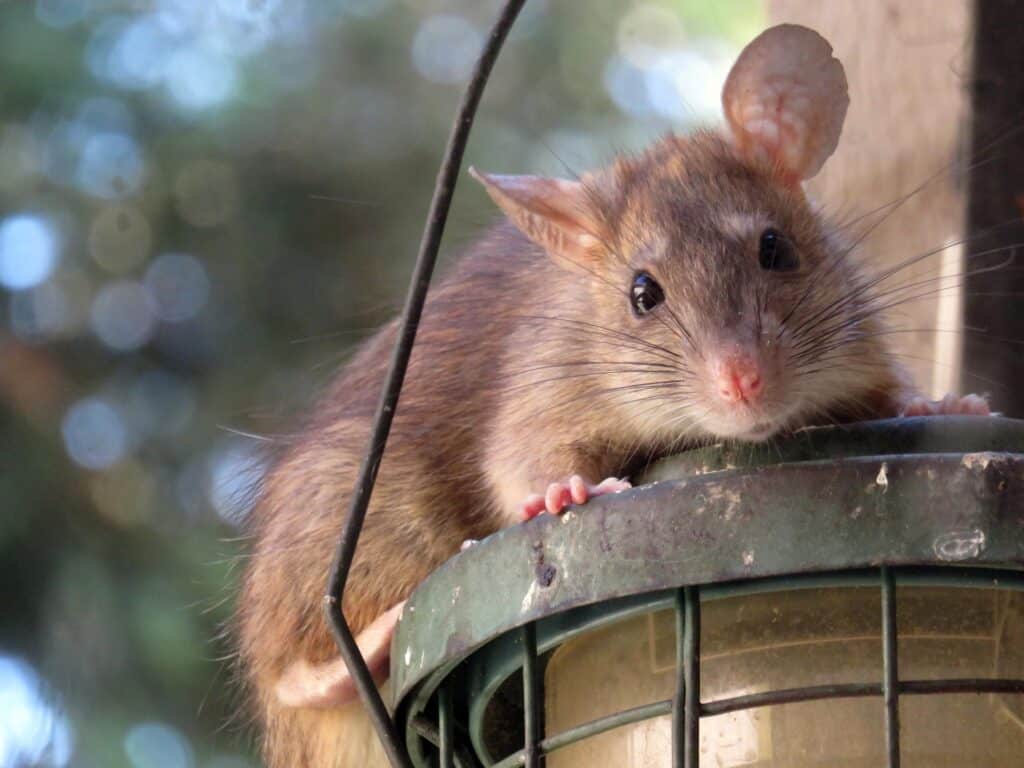
Tall grass and yard clutter provide excellent cover for rats and mice. These pests use overgrown landscaping not only to hide from predators but also to gather materials for nesting. Once they’ve settled near your home, they’ll actively search for entry points to get inside where it’s warm and food is plentiful.
Mosquitoes
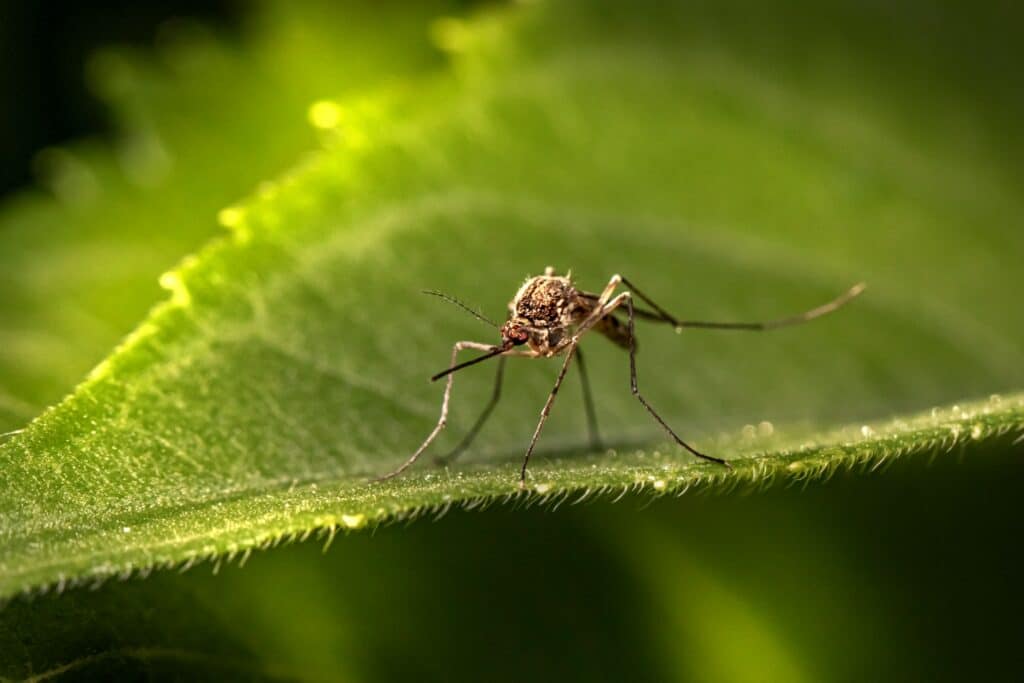
Mosquitoes are particularly drawn to yards with standing water, which commonly accumulates in unmaintained outdoor spaces. Overgrown plants trap moisture, creating humid micro-environments where mosquitoes can breed. You’ll want to pay attention to clogged gutters, birdbaths, and untrimmed hedges, all of which can contribute to growing mosquito populations.
Termites
Dense mulch and rotting wood around your foundation can invite termite activity. These destructive pests thrive in moisture-rich areas and are constantly searching for cellulose-based materials to consume. If they establish colonies in wooden structures near your foundation, they might eventually cause costly structural damage to your home.
Ants
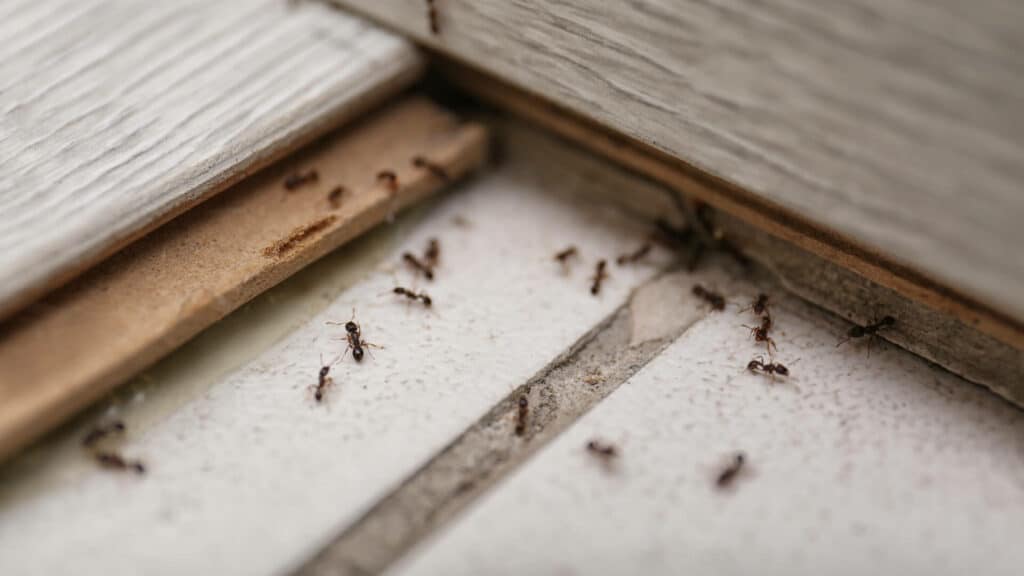
Overgrown landscaping provides plenty of nesting opportunities for ants. These social insects build extensive colonies in soil, under logs, and beneath thick vegetation. If plants touch your home’s exterior, ants can easily use these natural bridges to migrate indoors in search of food and water sources, potentially leading to kitchen and bathroom infestations.
Spiders
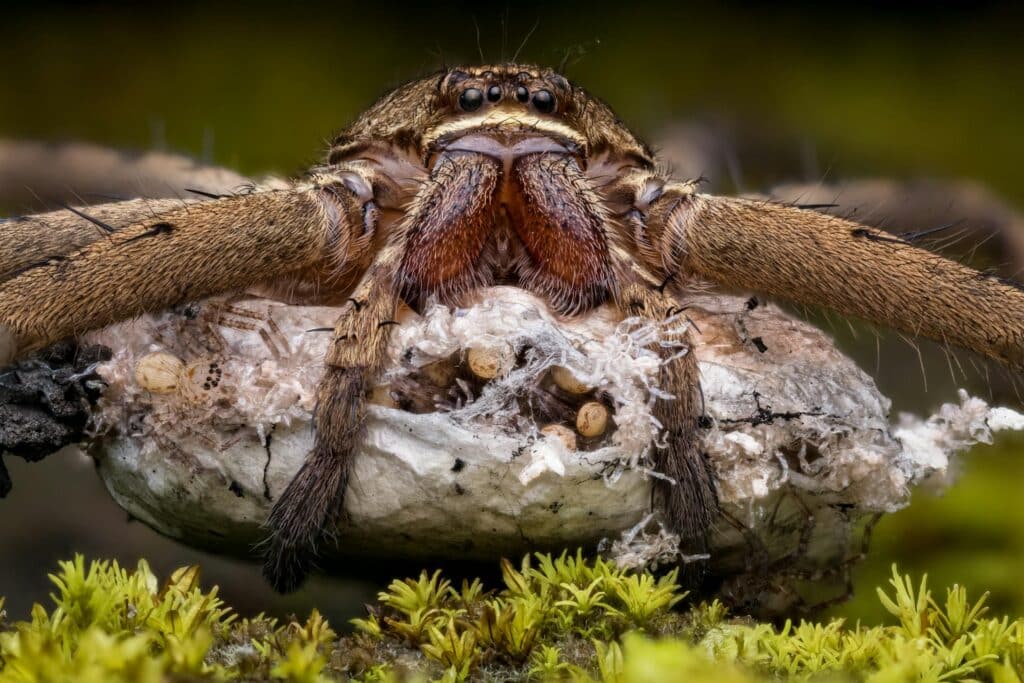
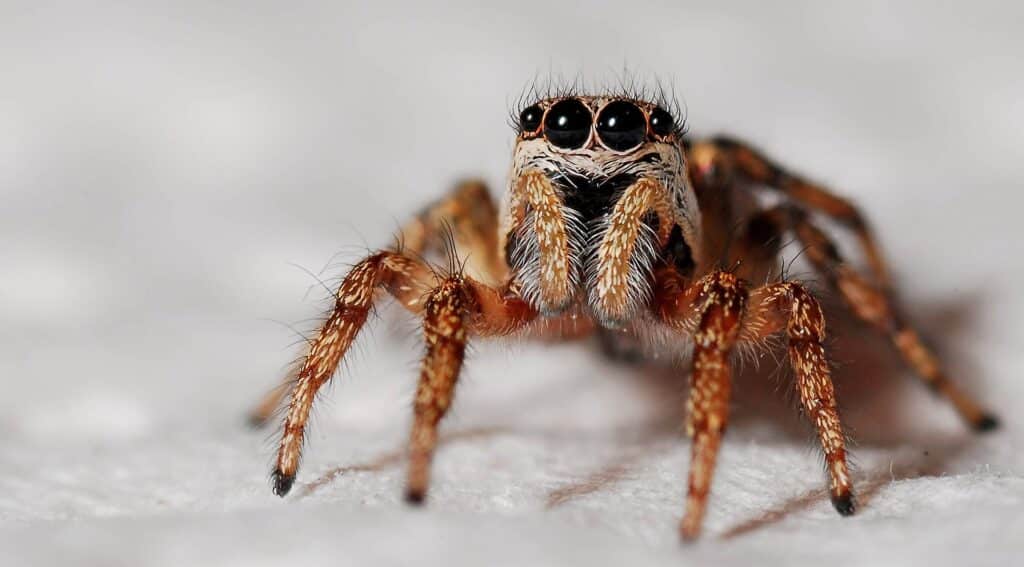
Spiders prefer secluded areas with abundant insect prey, making overgrown yards perfect hunting grounds for them. Bushes, tall grass, and dense foliage create ideal habitats where they can build webs and capture other insects. While most species are beneficial and harmless, some spiders can pose health risks if they find their way into your living spaces.
Yard Pest Prevention Strategies
Here are some ways you can help to avoid attracting pests to your overgrown yard.
Trim Trees and Bushes
One of the most important steps you can take is keeping shrubs and branches at least a foot away from your home’s exterior. This simple practice prevents pests from using vegetation as a convenient bridge to access your house. Make sure to regularly trim back any plants that grow close to your foundation, windows, or doors.
Mow the Lawn Regularly
Maintaining your lawn at an appropriate height does more than improve your home’s appearance—it significantly reduces rodent hiding spots. Short grass also discourages insects like ticks and fleas from breeding in your yard. You’ll want to establish a regular mowing schedule during growing seasons to keep grass at an optimal height.
Clear Debris and Leaf Piles
Piles of leaves and accumulated yard waste create perfect shelter for various pests. Make sure to remove debris promptly after yard work and avoid storing firewood or other materials directly against your home. These simple steps eliminate potential shelters for rodents, insects, and spiders that might otherwise establish themselves near your living spaces.
Manage Moisture
Excess moisture is a major attractant for many pest species. Take time to fix any leaking outdoor faucets, clear clogged gutters regularly, and eliminate sources of standing water around your property. By creating a drier environment, you’ll make your yard much less hospitable to mosquitoes, termites, and other moisture-loving pests.
Maintain Mulch Properly
While mulch offers many landscaping benefits, improper application can create pest problems. Use mulch sparingly and keep it at least 6 inches away from your home’s foundation. This prevents excessive moisture buildup near your home and discourages termite activity, while still allowing you to enjoy mulch’s benefits in your garden beds.
Seal Outdoor Gaps
Inspect your home’s exterior for cracks and holes. Seal gaps around doors, windows, and utility lines to prevent pests from getting inside. This can help you to avoid problems with pests later on by allowing them to get into your home in the first place.
Best Practices and Landscaping Tips for Pest Control
Maintaining a well-kept yard not only boosts curb appeal but also supports a healthy outdoor environment. Here are some best practices for regular yard maintenance that can help keep your space vibrant and inviting.
- Regular mowing and trimming: Make sure to maintain a consistent mowing schedule and trim edges to keep the lawn neat, promote healthy growth, and prevent overgrowth.
- Weed and debris removal: Routinely remove weeds, fallen leaves, and other debris to reduce pest attraction and maintain a clean, healthy yard.
- Seasonal pruning: You’ll want to prune shrubs, trees, and overgrown plants seasonally to encourage healthy growth, prevent disease, and enhance the yard’s overall appearance.
- Fertilization and irrigation: Implement a regular fertilization schedule and ensure proper watering practices to support plant health and maintain vibrant growth throughout the year.
When to Call a Professional
If you continue to see pests despite maintaining your yard properly, you might already be dealing with an established infestation. In these cases, professional pest control services can identify problem areas and provide targeted treatments to address the specific pests affecting your property.
Our team of pest control experts can provide a thorough inspection of your yard and home to identify all potential pest issues and create an effective treatment plan. Get a free quote today to learn how we can help you maintain a more enjoyable property without the pests, all year round.